Best Months to Fish Georgia’s Mountain Streams
Trying to figure out the absolute best time to hit Georgia's beautiful mountain streams for some trout fishing can feel like solving a complex puzzle. You’re often left wondering if you’ll find vibrant, active fish or just empty stretches of water after a long drive. This guide is here to untangle that mystery, giving you a detailed breakdown of the prime months and seasons to maximize your chances for a truly rewarding angling experience in North Georgia’s stunning waterways.
Understanding Georgia's Mountain Stream Ecosystems
Before we dive into the calendar, it’s really important to get a feel for what makes North Georgia's mountain streams so special and, sometimes, a bit challenging. These aren't your typical wide, slow-moving rivers; we're talking about pristine, often fast-flowing, oxygen-rich waters that carve their way through the Chattahoochee National Forest and other wilderness areas. This unique environment dictates everything from fish behavior to the types of gear you’ll need.
The Unique Ecosystems of North Georgia
North Georgia's mountains are a diverse landscape, offering a mix of larger, more accessible rivers and countless smaller, steeper feeder creeks. The streams generally originate from high elevations, meaning their water temperatures stay relatively cool, even during the summer months, which is crucial for trout survival. The substrate is often rocky, providing excellent habitat for aquatic insects—the primary food source for wild trout. Canopy cover from dense forests also plays a huge role in moderating water temperatures and providing shelter from predators, both avian and human. The health of these riparian zones is paramount, and understanding their delicate balance helps you appreciate why certain times of year are more productive. Factors like rainfall, snowmelt, and even the natural leaf fall cycle all contribute to the conditions you’ll encounter on any given day.
Key Trout Species and Their Behaviors
When you're wading through Georgia's mountain streams, you're primarily targeting three species of trout: Rainbow, Brown, and our native Brook Trout. Each has its own preferences and behavioral quirks that influence the "best" time to fish for them.
- Rainbow Trout: These are often the most common catch, especially in stocked waters, known for their aggressive strikes and spirited fights. Rainbows are frequently stocked in many of Georgia's designated trout streams by the Georgia Department of Natural Resources, making them a consistent target for anglers. Their activity levels tend to peak when water temperatures are in the 50-65°F range. You’ll find them eager to chase a variety of lures and flies, particularly after a fresh stocking or during periods of stable weather. If you want to dive deeper into where to find these beauties, check out our guide on Rainbow Trout Fishing in North Georgia's Mountain Streams.
- Brown Trout: Browns are a bit more elusive and generally grow larger than rainbows in these streams. They are notorious for being wary and are often found in deeper pools or undercuts. Brown trout tend to be more active during lower light conditions, like dawn and dusk, or on overcast days. Their feeding behavior is often opportunistic, preying on larger insects, baitfish, and even small crustaceans. The fall spawning run for brown trout is a highly anticipated event for many anglers, as these fish become more active and territorial. Our article on Brown Trout in Georgia: Where to Find Them can give you more specific locations.
- Brook Trout: Georgia's only native trout, brook trout, are typically found in the highest, coldest, and most pristine headwater streams. They are smaller than rainbows and browns, but their vibrant colors and native status make them a prized catch for many. Brook trout are extremely sensitive to water quality and temperature, preferring very cold, clear water. They’re less forgiving of angler pressure and often require a more stealthy approach. Catching a native brook trout is a special experience, a true testament to the untouched wilderness of North Georgia. Learn more about these unique fish in our Brook Trout: Georgia's Only Native Trout Species guide.
Understanding these species and their habits is the first step to knowing when and where to focus your efforts throughout the year.
Spring: The Awakening of Mountain Stream Fishing
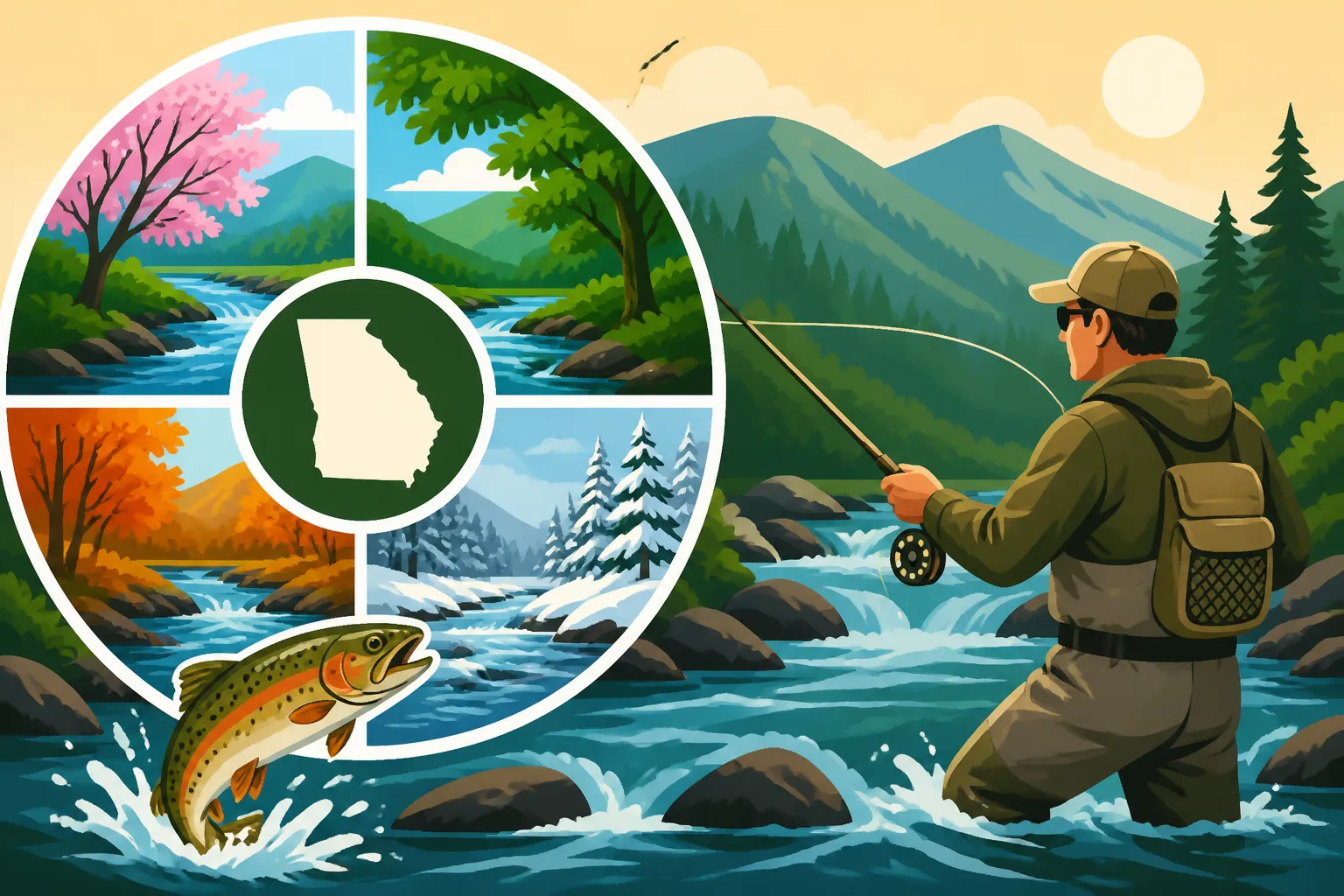
Ah, spring! It's a glorious time in North Georgia, as the mountains shake off winter's chill and everything bursts into vibrant green. For trout anglers, spring is often considered one of the absolute best times to be on the water. The streams come alive, fish become more active, and the scenery is simply breathtaking.
Optimal Conditions and Prime Stocking Windows
As winter snows melt and spring rains begin, stream flows are typically robust, and water temperatures gradually climb into that ideal 50-60°F range that trout absolutely love. This consistent flow keeps the water well-oxygenated and washes natural food sources downstream, triggering increased feeding activity among both wild and stocked fish. The rising temperatures also kickstart insect hatches, providing a buffet for hungry trout. Dry fly fishing, in particular, can be phenomenal as trout key in on emerging mayflies, caddis, and stoneflies. This period of stable, cooler water and abundant food makes spring a prime time for a strong bite.
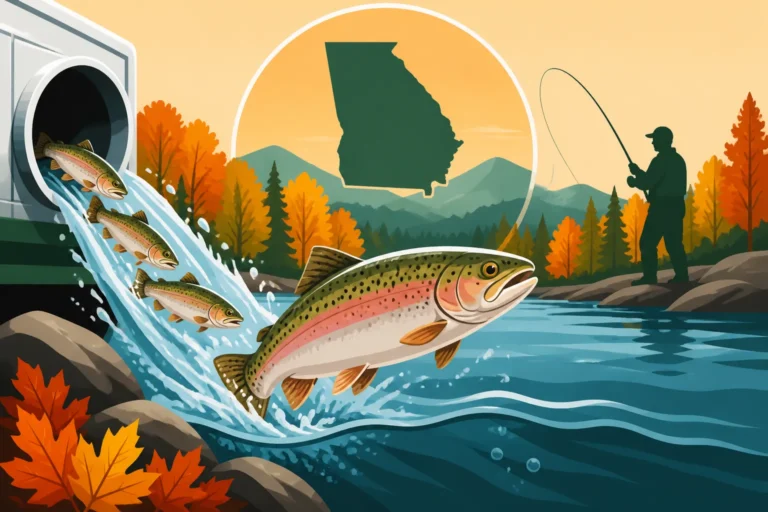
Furthermore, spring marks the busiest time for trout stocking by the Georgia Department of Natural Resources. From March through May, thousands of hatchery-raised rainbow and brown trout are released into designated trout streams across North Georgia. These freshly stocked fish are often eager to bite, having been accustomed to a regular feeding schedule. This makes spring an excellent time for beginners or those looking for a higher chance of success. Keep a close eye on the Georgia Trout Stocking Schedule as the season progresses, as knowing when and where fish have been released can significantly improve your outing. It's a good idea to check the schedule weekly, as updates can be frequent. Remember, a valid Georgia Trout Fishing License Requirements is essential for this popular pursuit.
Tackle and Techniques for Spring Success
With the abundance of active fish and emerging insects, a variety of tackle and techniques can be incredibly effective in spring. For fly anglers, matching the hatch is often key. Carrying a selection of dries, nymphs, and emergers will serve you well. Popular patterns like Elk Hair Caddis, Adams, Pheasant Tail Nymphs, and Hare's Ear Nymphs are spring staples. If you're just starting with fly fishing, our guide on Fly Fishing Basics for Trout can offer some foundational advice. For those who prefer spin fishing, small inline spinners (like Panther Martins or Mepps), spoons, and soft plastics rigged under a bobber can be deadly effective. Popular brands often found on platforms like Amazon, such as Berkley PowerBait or Trout Magnets, can imitate natural food sources, enticing strikes from both stocked and wild fish.
Presentation is always crucial, but in spring, with higher water flows, controlling your drift and ensuring your bait or lure gets down to the feeding zone is paramount. Using a slightly heavier split shot with nymphs or allowing your spinner to swing through deeper pools can be very productive. Don't be afraid to experiment with retrieve speeds or the depth of your presentation. The fish are often spread out, so covering water and trying different techniques until you find what they're hitting on is a sound strategy. Always consider the local regulations for specific streams, especially regarding bait restrictions or special harvest limits.
Summer: Navigating the Challenges and Rewards
Summer in Georgia can bring its own set of challenges for mountain stream anglers, primarily due to warmer air temperatures and often lower water levels. However, it's far from a write-off; with the right approach and knowledge, summer can still offer incredible, serene fishing experiences, especially for those willing to venture a little further.
Dealing with Low Water and Warm Temperatures
As summer progresses, especially during prolonged dry spells, water levels in many mountain streams can drop significantly. This not only concentrates fish into smaller, deeper pools but also makes them much warier and easier to spook. Clear, low water means stealth becomes absolutely critical. You'll need to approach fishing spots carefully, keep a low profile, and minimize any sudden movements that might send fish darting for cover. Fishing during cooler parts of the day, like early mornings or late evenings, becomes more important than ever.
Warmer water temperatures are the biggest concern for trout in summer. While North Georgia's higher elevation streams generally stay cooler than lowland rivers, extended periods of heat can push temperatures above comfortable levels for trout. When water temperatures consistently exceed 68°F, trout become stressed, and their survival rate after being caught and released significantly decreases. It's not just about what's comfortable for you; it's about the fish's well-being. Many ethical anglers choose to avoid fishing for trout altogether in certain streams during the hottest parts of summer to prevent unnecessary harm. If you do fish, consider using a stream thermometer. If the water is too warm, switch to targeting other species or find a higher-elevation stream.
High-Elevation Retreats and Early Morning Strategies
The key to successful and responsible summer trout fishing in Georgia lies in seeking out those cooler, higher-elevation streams and focusing your efforts during the coolest parts of the day. The headwaters of rivers like the Toccoa or the Chattahoochee, often found within the national forest, tend to maintain lower temperatures due to their elevation and dense canopy cover. These remote streams often hold native brook trout, but also offer refuge for rainbows and browns. Accessing these spots might involve a hike, but the reward of pristine wilderness and unpressured fish is often worth the effort.
Morning twilight offers a crucial window of opportunity. Before the sun fully hits the water and air temperatures begin to climb, trout are often at their most active, feeding aggressively after the cool night. This is when insects are still active, and the fish feel less exposed. Waking up before dawn to be on the water by first light can dramatically improve your summer catch rate. Using smaller lures and flies, presenting them subtly, and targeting shaded pockets or oxygenated riffles can lead to success. Look for areas with current or bubbling water, as these spots generally have higher oxygen levels, which trout seek out in warmer conditions. Our guide on How to Read Water for Trout Fishing can provide valuable insights into identifying these key holding areas. Don't forget bug spray – summer mornings can also mean active mosquitos! A good, portable insect repellent from Amazon can save your sanity.
Fall: A Golden Season for Trout Anglers
If spring is about awakening, then fall is about celebration in Georgia's mountain streams. The crisp air, the vibrant foliage, and the heightened activity of trout make autumn a truly magical time to be an angler in North Georgia. Many seasoned trout enthusiasts consider fall to be the best season of all.
Autumn Spawns and Aggressive Feeding
As autumn progresses and water temperatures begin their gentle decline from summer highs, falling back into that optimal 50-60°F range, trout activity explodes. The shorter days and cooler nights signal the approach of spawning season for brown trout, and to a lesser extent, brook trout. These fish become incredibly aggressive, territorial, and focused on feeding to build up energy reserves for reproduction. This pre-spawn and spawning behavior makes them more susceptible to a well-presented fly or lure. They’ll often strike not just out of hunger, but out of instinct to defend their redds (spawning beds).
Even rainbow trout, which don't typically spawn in the fall, benefit from the cooler, more stable conditions and abundant food sources. They feed heavily, putting on weight before winter truly sets in. This period often sees an increase in larger insects, like larger stoneflies, which provide substantial meals. The fall also brings a natural increase in stocked trout, though not as heavily as spring, offering fresh opportunities for anglers. The combination of optimal water conditions, aggressive fish, and the sheer beauty of the changing leaves makes fall an unforgettable experience for any angler. Just be mindful and avoid disturbing spawning fish on their redds; healthy future populations depend on it.
Best Lures and Flies for Fall Colors
The variety of available food sources in the fall means a diverse tackle box will serve you well. For fly anglers, streamers become incredibly effective as brown trout target baitfish. Patterns like Woolly Buggers, Sculpzillas, or even larger articulated streamers in olive, black, or brown can entice aggressive strikes. Nymphing with patterns that imitate larger aquatic insects, like stonefly nymphs or San Juan Worms, can also be highly productive, especially as fish feed heavily on the bottom. And, of course, during intermittent insect hatches, dry flies can still bring fish to the surface, particularly on warmer, overcast days.
Spin fishermen will find success with small crankbaits, inline spinners, and even jerkbaits that imitate baitfish. Colors that mimic natural forage or bright, attention-grabbing hues can both work. Soft plastics, especially those that can be fished slowly and deep, are also excellent choices for targeting those wary, larger brown trout. Jig heads tipped with small grubs or minnow imitations are often overlooked but can be incredibly effective when worked through deeper pools. Brands like Rapala or Mepps are always reliable, and you can often find great multi-packs of various lures and soft plastics on Amazon to ensure you have a diverse selection for the varying conditions. Remember that fall can bring quick weather changes, so having some versatile gear and perhaps a good set of Best Rain Gear and Layers for Boat Fishing (even for wading) is smart.
Winter: Finding Solace and Opportunity
Winter in Georgia’s mountains is often overlooked by many anglers, who assume the cold weather shuts down the fishing entirely. While it’s true that fish activity slows significantly, winter offers a unique and often peaceful angling experience. It's a time of solitude on the streams, and for those who brave the chill, there are still excellent opportunities to catch trout, especially if you know where to look.
Finding Active Fish in Cold Water
When water temperatures drop to the lower end of a trout's comfort zone (below 45°F), their metabolism slows, and they become less active. They'll typically move to deeper, slower-moving pools where they can conserve energy and find thermal refuge. This means your approach in winter needs to change dramatically. Forget fast retrieves and aggressive presentations; winter fishing is all about patience, subtle movements, and getting your offering right in front of a fish's nose. They're not going to chase it far.
Fish in winter will feed less frequently but will still strike at opportune moments. Focus on these deeper pockets, slow runs, and the heads and tails of pools. Bait choices tend to be smaller and more imitative of dormant aquatic insects or tiny baitfish. Nymphs, midges, and small worms are incredibly effective for fly anglers. For spin fishermen, tiny jigs, slow-fished inline spinners, or natural baits like mealworms or red wigglers can tempt a sluggish trout. Precision casting and detecting subtle bites become paramount. Layering up is non-negotiable; warm socks, waterproof boots, and thermal layers will make your time on the water much more enjoyable.
Delayed Harvest Streams: A Winter Haven
One of Georgia's greatest gifts to winter trout anglers is its network of "Delayed Harvest" (DH) streams. These specific sections of mountain rivers are stocked heavily with trout in the fall and then managed under special regulations: strictly catch-and-release, using only artificial lures with a single hook, from November 1st to May 14th. This program effectively creates a winter "put-and-take" fishery where fish are plentiful and often grow larger through the season due to lack of harvest.
During the DH season, these streams become a paradise for anglers seeking consistent action. The fish are protected, allowing them to acclimate and often grow significantly. Popular DH streams include the Toccoa River (below Blue Ridge Dam), Amicalola Creek, Chattooga River (section shared with SC), Smith Creek (Unicoi State Park), and the Hooch (upper Chattahoochee River). These streams are ideal for practicing techniques like nymphing or even trying out small streamers. The density of fish means you often don't have to cover vast amounts of water to find success. Just be absolutely sure to understand and adhere to the specific rules for these unique fisheries, which you can read about in detail in our Delayed Harvest Trout Streams in Georgia article. This setup guarantees a fantastic winter fishing experience, even when other waters are challenging.
Year-Round Considerations for Mountain Stream Anglers
While each season certainly has its peak moments and unique challenges, there are some fundamental aspects of mountain stream fishing in Georgia that remain true throughout the year. Being mindful of these overarching factors will elevate your angling success regardless of the month.
Impact of Weather and Water Levels
Weather and water levels are perhaps the most critical variables for successful trout fishing in mountain streams, often even more so than the specific time of year. A sudden cold front can shut down a bite in spring just as quickly as a warm spell can make summer fishing tough. Heavy rains can cause streams to blow out, turning clear, fishable water into muddy, raging torrents. Conversely, prolonged dry periods can lead to dangerously low and warm water conditions.
Always check local weather forecasts and, if possible, stream gauges or recent fishing reports before you head out. Websites like the USGS provide real-time stream flow data, which can be invaluable. Ideal conditions usually involve stable weather patterns, moderate water flows (not too high or too low), and clear water. A slight rise in water level after a gentle rain can often be excellent, as it dislodges food and encourages fish to feed. However, a deluge can quickly turn a prime spot into an unfishable mess. Understanding how these factors influence fish behavior and safety is crucial for a productive and safe outing.
Gear Essentials for All Seasons
Regardless of the month, having the right gear is non-negotiable for mountain stream fishing. Beyond your rod, reel, and tackle, certain items are simply essential for comfort, safety, and success.
- Waders and Boots: Even in warmer months, waders provide insulation and protection when wading cold mountain water. Breathable chest waders are excellent for spring through fall, while heavier neoprene options are a must for winter. Quality wading boots with good grip are paramount for navigating slippery rocks and uneven stream beds.
- Layered Clothing: Weather in the mountains can change rapidly. Always dress in layers, even on seemingly warm days. Moisture-wicking base layers, insulating mid-layers, and a waterproof/windproof outer shell are smart investments. A good fleece jacket or a down vest can make all the difference on a chilly morning.
- Polarized Sunglasses: These aren't just for comfort; they're a vital fishing tool. Polarized lenses cut through glare on the water's surface, allowing you to spot fish, observe stream structure, and identify potential hazards.
- Hats: A wide-brimmed hat in summer protects from the sun, while a warm beanie in winter retains heat.
- First Aid Kit: Remote mountain streams mean help can be a long way off. A basic first aid kit for cuts, scrapes, and insect bites is essential.
- Water and Snacks: Stay hydrated and keep your energy up, especially during longer trips or hikes to remote areas.
- Fishing License: Always carry your valid Georgia fishing license, including any necessary add-ons like a mountain trout license. You can find more information on Georgia Fishing License Costs and Types to make sure you're covered.
- Leader and Tippet: Having a variety of leader and tippet sizes is crucial for adapting to different conditions and fish preferences.
- Net: A rubber-meshed landing net is gentler on fish, reducing stress and injury during catch and release. Many good options can be found on Amazon.
- Stream Thermometer: As mentioned earlier, this is a vital tool for ethical angling, especially during warmer months.
Taking the time to prepare your gear properly will ensure your trips to Georgia's mountain streams are both successful and enjoyable, no matter the time of year. For specific regulations on what you can keep, our guide on Daily Creel Limits for Trout in Georgia is a must-read.
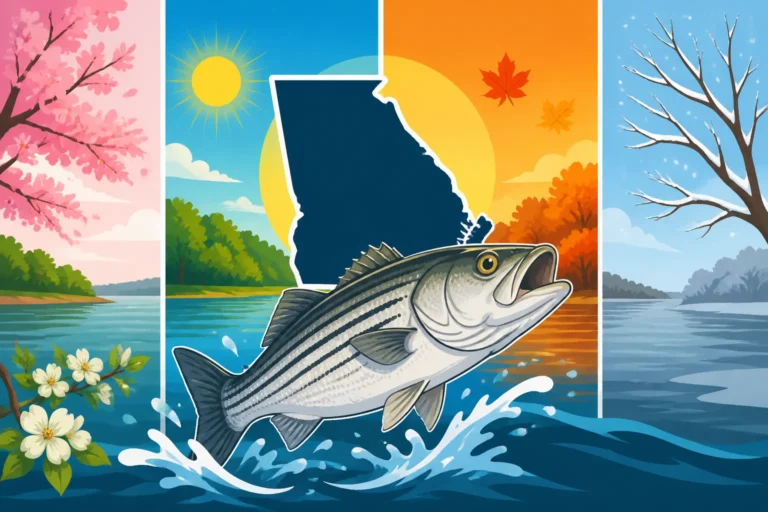
Here's a quick summary table to help you plan your mountain stream fishing adventures in Georgia:
| Season | Optimal Months | Water Temperature Range | General Fish Activity | Best Species to Target | Key Techniques & Considerations |
|---|---|---|---|---|---|
| Spring | March, April, May | 50-60°F | High; aggressive feeding post-winter & post-stocking | Rainbow, Brown, (some Brook) | Dry flies (matching hatches), nymphs, small spinners, PowerBait. Check stocking schedule. |
| Summer | June, July, August | 60-68°F (watch for warmer) | Moderate to Low; can be stressed by heat | Brook (high elevation), Wary Rainbow/Brown | Early mornings/late evenings. Seek higher elevation, shaded streams. Small flies/lures. Catch & release emphasis. |
| Fall | September, October, November | 45-60°F | High; pre-spawn feeding, aggressive | Brown, Rainbow, (some Brook) | Streamers, nymphs, small crankbaits/spinners. Focus on spawning areas (but avoid disturbing redds). |
| Winter | December, January, February | 35-45°F | Low; sluggish, deep-holding | All species, especially in DH streams | Slow, subtle presentations. Small nymphs, midges, tiny jigs, natural bait. Focus on Delayed Harvest areas. |
Conclusion: Timing Your Adventure Just Right
Ultimately, there isn't one single "best" month to fish Georgia's mountain streams, as each season offers its own unique charm and angling opportunities. Spring is fantastic for consistent action and stocked trout, while fall offers the thrilling pursuit of aggressive, spawning brown trout amidst breathtaking scenery. Summer demands a strategic approach to higher, cooler elevations, and winter, with its quiet solitude and dedicated Delayed Harvest streams, rewards the patient and prepared angler.
The real secret lies in understanding the conditions, the specific behavior of the trout species you're targeting, and being flexible enough to adapt your techniques. By considering water temperatures, flow rates, and insect activity, you can significantly increase your chances of a memorable and successful day on the water, no matter when you decide to venture into the beautiful North Georgia mountains. So, pick your season, prepare your gear, and get ready to experience some truly incredible fishing.
Disclaimer
The information provided in this guide is for general informational purposes only. Fishing regulations, stocking schedules, and environmental conditions can change frequently. Always consult the most current regulations from the Georgia Department of Natural Resources (DNR) before planning any fishing trip. Adhere to all local, state, and federal laws and practice safe and ethical angling.