Best Fall Fishing Spots on Georgia Lakes
The scorching heat of summer often leaves us anglers feeling a bit… well, cooked ourselves, and the fish can get pretty sluggish too. But don't you dare pack away your rods and reels just yet! As the leaves start to turn and that crisp autumn air rolls in, Georgia's lakes transform into some of the most vibrant and productive fishing grounds you could ask for. This guide is all about uncovering those prime fall fishing spots across Georgia's beautiful lakes, ensuring you know exactly where to cast your line for some unforgettable autumn action.
Why Fall Fishing on Georgia Lakes Is a Secret Weapon
Let's be honest, after battling the summer crowds and the dog days of August, many anglers simply throw in the towel. But they're missing out on arguably one of the best times of the year to be on the water! Fall brings a unique set of conditions that make fish more active, aggressive, and often easier to locate. It’s like the fish know winter is coming and they need to bulk up, and that works perfectly in our favor.
The Cooling Water Advantage for Anglers
The most significant factor in the fall fishing renaissance is the cooling water temperature. Throughout summer, especially in the deeper reservoirs, fish tend to seek refuge in cooler, deeper thermoclines, making them harder to target. But as autumn progresses, the surface water begins to cool, eventually leading to a phenomenon known as "turnover" in some lakes. This mixing of water brings nutrients from the bottom to the top and oxygenates the entire water column.
More importantly, it signals to baitfish that it’s time to move. Shad and other forage species, which spent the summer suspended or in deeper water, start migrating towards shallower coves, creek arms, and flats where they can find food more easily in the newly refreshed water. And where the baitfish go, the predators follow! This means those big bass, crappie, and stripers that were once hunkered down now have an insatiable appetite and are pushing bait into predictable areas. You’ll notice the fish are generally more aggressive, striking at a wider variety of baits and often fighting harder in the cooler water. If you're looking for an overview of the year's patterns, consider checking out a full guide to Georgia Fishing Seasons by Month.
Fall Foraging Frenzy: Why Fish Get Active
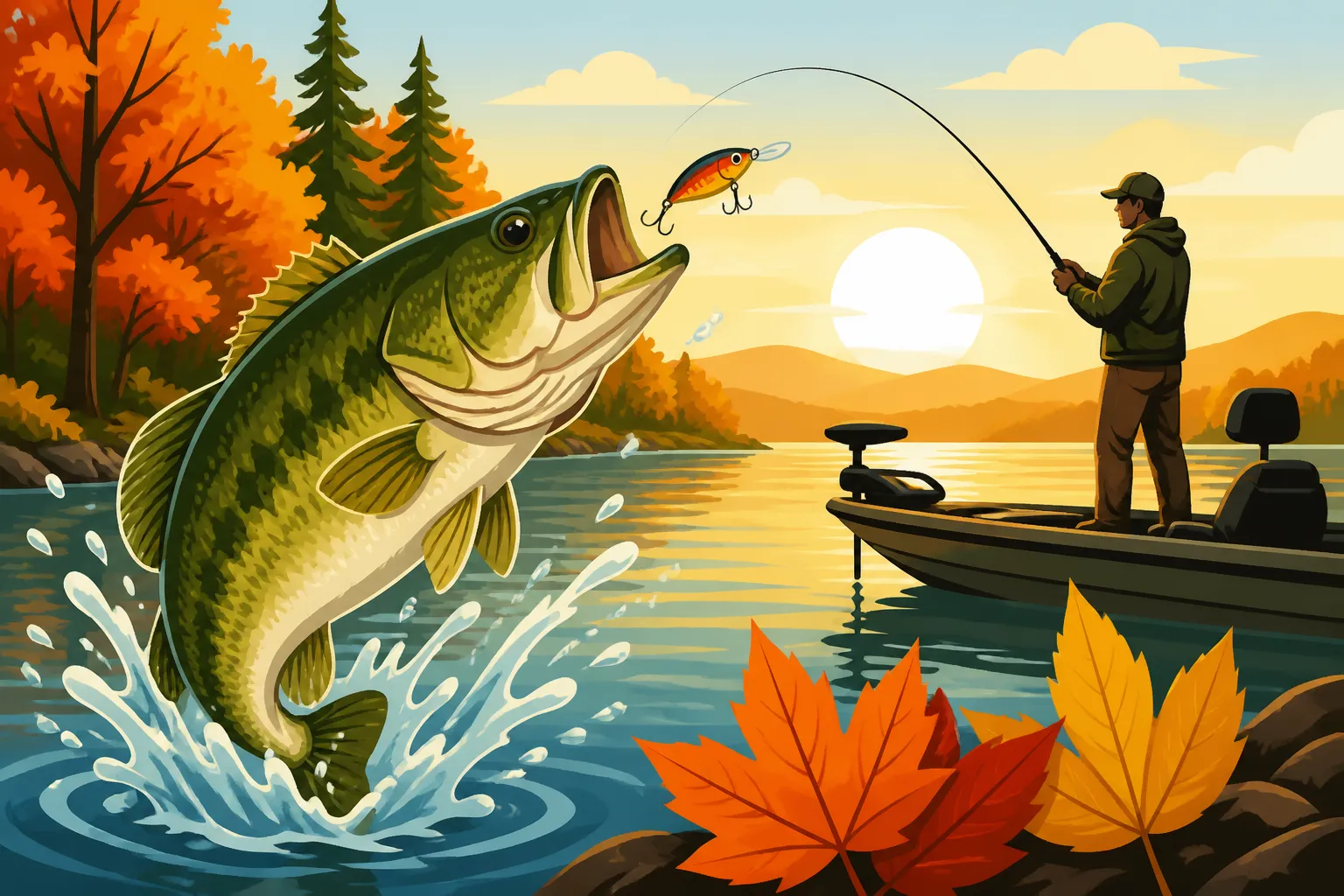
Think of it like this: fish are basically preparing for their long winter's nap (or at least a period of reduced activity). They need to pack on the pounds, and the abundant baitfish moving into shallower, more accessible areas provide the perfect opportunity. This "foraging frenzy" is particularly true for predatory species like largemouth bass, spotted bass, and striped bass. They’ll actively chase down schools of shad, often creating visible surface boils that are exhilarating to witness and even more fun to cast into.
You'll find these hungry fish congregating around key structures like points, humps, ledges, and the mouths of creeks. They're not just waiting for food; they're actively hunting it. This behavior makes them much more susceptible to a wider range of lures and techniques. From throwing topwater baits early in the morning when fish are busting the surface, to slow-rolling spinnerbaits and crankbaits through baitfish schools, the fall offers diverse opportunities. Understanding these Fall Bass Fishing Patterns on Georgia's Lakes can significantly boost your success. It’s a fantastic time to experiment with different presentations and see what triggers a bite from these actively feeding fish.
Top Georgia Lakes for Autumn Bass Action
When it comes to targeting bass in the fall, Georgia offers an embarrassment of riches. The state's large reservoirs, with their abundant forage and varied structures, become absolute playgrounds for anglers seeking aggressive largemouth and spotted bass. The cooling temperatures really ignite their feeding instincts, making for some truly memorable days on the water.
Lake Lanier: Chasing Giants in the Shallows
Lake Lanier, located just north of Atlanta, is a legendary fishery, and fall might just be its prime time. While many associate Lanier with its deep-water spotted bass and schooling stripers, the fall sees both species push into shallower water, making them accessible to a wider range of anglers. As the lake turns over and baitfish move into the backs of creeks and onto prominent points, the bass follow closely.
You'll want to focus your efforts on major creek arms like Big Creek, Six Mile Creek, and Little River, especially the areas closer to the main lake. Look for rocky points, brush piles, and shallow flats where shad are likely to congregate. Topwater baits like a Zara Spook or a Sammy can be absolutely deadly during low-light conditions, especially when you see schooling activity. As the sun gets higher, transition to crankbaits, jerkbaits, and finesse worms worked around submerged timber and rock piles. Don't be surprised to hook into some truly impressive spotted bass, and even the occasional largemouth, that are gorging themselves before winter. Many anglers even consult services like FishingBooker to find experienced guides who specialize in fall fishing on Lanier, ensuring they hit the best spots at the right time. For more specific insights, learn about the Best Spots for Bass Fishing on Lake Lanier.
Lake Oconee: Hybrid Striper and Bass Bonanza
Down in East Central Georgia, Lake Oconee is another fall favorite, particularly known for its thriving populations of largemouth bass and hybrid striped bass. Oconee, fed by the Oconee River, maintains slightly warmer water temperatures than some of its northern counterparts due to the discharge from Plant Branch, making it a hotspot even as colder fronts begin to settle in.
During the fall, the hybrid stripers become incredibly active, often schooling up and chasing baitfish near the surface, especially in the main lake body and around the discharge area. Keep an eye out for birds diving, as they often indicate baitfish being driven to the surface by hungry hybrids. Casting spoons, topwater plugs, or even live bait like shad into these feeding frenzies can lead to non-stop action. Meanwhile, the largemouth bass will be patrolling the abundant timber, docks, and grass lines in the shallower coves and feeder creeks. Jerkbaits, spinnerbaits, and bladed jigs are excellent choices for covering water and eliciting aggressive strikes. If you're new to Oconee, finding a knowledgeable local guide through platforms like FishingBooker can be invaluable for understanding the lake's unique fall patterns and identifying key areas for different species. For beginners, discovering the Best Fishing Spots on Lake Oconee for Beginners can be a great starting point.
Clarks Hill Lake: Eastern Georgia's Fall Hotspot
Also known as Strom Thurmond Lake, Clarks Hill is one of the largest reservoirs east of the Mississippi and straddles the Georgia-South Carolina border. In the fall, this massive lake becomes a prime destination for bass anglers, with both largemouth and spotted bass getting very aggressive. The lake's vast expanses of standing timber, rocky points, and numerous creek arms provide endless opportunities.
Focus on the major creek arms like Little River, Soap Creek, and Modoc Creek, especially where they intersect with the main lake. Baitfish will push back into these areas, drawing the bass with them. Look for schooling activity early and late in the day, using topwater baits or chrome spoons. During the brighter parts of the day, pitching jigs or Texas-rigged worms to the edges of submerged timber and brush piles can yield impressive largemouth. Spotted bass will often be found slightly deeper on humps and ledges in the main lake, so keep a close eye on your electronics for bait and fish concentrations. The diversity of cover and structure at Clarks Hill makes it a fantastic lake to explore different techniques throughout the fall. For a broader view, check out the Clarks Hill Lake Fishing Guide, Georgia.
Crappie, Stripers, and More: Diversifying Your Fall Catch
While bass often get the spotlight, fall fishing in Georgia is far from a one-species game. Crappie, striped bass, and even various panfish species become incredibly active as the water cools, offering diverse and exciting opportunities for anglers of all skill levels.
Lake Sinclair: Crappie Paradise in Cooler Temps
Just downstream from Lake Oconee, Lake Sinclair is another gem that truly shines in the fall, especially for crappie enthusiasts. While often overlooked for its bigger, flashier neighbors, Sinclair boasts a fantastic crappie population that thrives as the water temperatures begin to drop. The lake's abundant standing timber, brush piles, and docks provide ideal habitat for these schooling panfish.
In the early fall, as fish transition from deeper summer haunts, focus on brush piles and submerged timber in 10-20 feet of water within the major creek arms. As the season progresses and the water gets colder, crappie will often move shallower, congregating around docks and under bridges. Trolling small jigs (1/32 to 1/16 ounce) in various colors, or vertical jigging around structure with minnows, are highly effective techniques. Don't be afraid to experiment with different depths and retrieve speeds until you find the active bite. Lake Sinclair is a fantastic destination for families or those looking for consistent action. Learn more about Best Crappie Lakes in Georgia.
Lake Hartwell: Striped Bass and Spotted Bass Opportunities
Another major reservoir on the Savannah River, Lake Hartwell offers superb fall fishing for both spotted bass and, perhaps even more notably, striped bass. This massive lake, spanning over 56,000 acres, provides ample space for stripers to roam and grow to impressive sizes.
As fall sets in, the schooling activity of both stripers and spotted bass intensifies. Look for massive schools of baitfish, often visible on your electronics, along the main lake channel, around prominent points, and in the mouths of major creeks like Eighteen Mile Creek or Lightwood Log Creek. Early mornings and late evenings are prime times for topwater explosions from schooling stripers. Casting large spoons, bucktail jigs, or live bait like herring or shad are effective strategies. For the spotted bass, follow the same patterns as Lanier, focusing on humps, points, and ledges with crankbaits, jerkbaits, or shaky head worms. Hartwell is a powerhouse fishery, and fall is when it truly comes alive. Many anglers find the help of a local guide, often found through services like FishingBooker, indispensable for navigating this large body of water and locating the elusive striper schools. Take a deeper dive into Georgia's Lake Hartwell Fishing Spots.
Fall Fishing for Panfish on Smaller Lakes and Ponds
Don't overlook the smaller, community lakes and ponds across Georgia during the fall. While the big reservoirs get all the glory, these smaller bodies of water can offer some fantastic, accessible fishing for bluegill, redear sunfish (shellcrackers), and even some surprisingly large crappie. As the water cools, these panfish often become more concentrated and less lethargic than in the summer.
Look for areas with submerged vegetation, brush piles, or even fallen trees, especially in protected coves or along shoreline breaks. A simple cane pole, a small bobber, and a cricket or piece of worm can provide hours of entertainment and a delicious panfish fry. Small jigs, like a tiny Beetle Spin or a 1/64-ounce jig tipped with a micro plastic, can also be highly effective. These smaller waters are particularly excellent for introducing kids to fishing in the fall, as the cooler weather makes it more comfortable, and the consistent action keeps their interest piqued.
Gear, Tactics, and Planning Your Fall Trip
Successfully navigating the fall fishing scene on Georgia lakes requires a bit of thoughtful preparation. The changing conditions, from cooling water to fluctuating weather, mean you need to adapt your gear and strategies. But with the right approach, you'll be well-equipped to enjoy some of the year's best fishing.
Essential Gear for Cooler Weather and Active Fish
As temperatures drop, layering becomes key. You might start your morning needing a jacket, but shed layers as the day warms up. Waterproof outerwear is always a good idea, as fall can bring unexpected showers or heavy morning dew. Gloves, a warm hat, and waterproof boots will make your time on the water much more comfortable. Don't forget a good pair of polarized sunglasses – they're indispensable for spotting schooling fish, reading water, and protecting your eyes from glare.
For your fishing tackle, consider a versatile setup. Medium-heavy to heavy action rods (6'6" to 7'6") with matching baitcasting or spinning reels are suitable for targeting bass and stripers with a variety of lures. Spool your reels with 12-20 lb fluorocarbon or monofilament for bass, or heavier braided line for stripers, especially when throwing big topwater baits or spoons. For crappie and panfish, lighter action rods (ultralight to medium-light) with small spinning reels spooled with 4-6 lb line will give you the sensitivity needed for those lighter bites. Ensure your tackle box includes a good selection of topwater baits, crankbaits (both shallow and deep divers), jerkbaits, spinnerbaits, bladed jigs, soft plastics (worms, flukes), and jig heads. For stripers, consider larger spoons, bucktail jigs, and even some live bait rigs. You can get specific ideas on Best Bait for Striped Bass in Georgia.
Strategic Planning for a Successful Fall Day
Planning is crucial for maximizing your fall fishing success. Here’s a quick overview of what to consider:
| Lake | Target Species | Peak Fall Months | Common Techniques | Notes |
|---|---|---|---|---|
| Lake Lanier | Spotted Bass, Striped Bass, Largemouth Bass | Sept – Nov | Topwater, Crankbaits, Jerkbaits, Spoons | Watch for schooling activity; focus on creek mouths and points. |
| Lake Oconee | Largemouth Bass, Hybrid Striped Bass | Sept – Dec | Spinnerbaits, Jerkbaits, Topwater, Live Bait | Look for hybrids near the power plant discharge; bass in timber. |
| Clarks Hill | Largemouth Bass, Spotted Bass | Sept – Nov | Jigs, Crankbaits, Soft Plastics, Spoons | Expansive lake, focus on major creek arms and main lake points. |
| Lake Sinclair | Crappie, Largemouth Bass | Oct – Dec | Jigs, Minnows, Spinnerbaits | Crappie move to brush piles and docks; bass around timber and docks. |
| Lake Hartwell | Striped Bass, Spotted Bass | Sept – Nov | Topwater, Spoons, Live Bait, Crankbaits | Excellent striper fishery; follow bait schools. |
Weather and Water Temperature: Pay close attention to weather forecasts. Cold fronts can slow fish activity temporarily, but stable cool weather is often fantastic. Understanding How Water Temperature Affects Fish Behavior is paramount. Look for falling water temperatures to trigger aggressive feeding.
Baitfish Movement: Always be on the lookout for signs of baitfish, whether it's on your fishfinder, birds diving, or actual bait jumping on the surface. Find the bait, and you'll find the predators.
Time of Day: Early mornings and late evenings often provide the best topwater action and aggressive feeding windows. However, in cooler, overcast conditions, fish can remain active throughout the day.
Local Knowledge: Don't hesitate to consult local tackle shops or even consider hiring a guide, especially if you're new to a particular lake. Services like FishingBooker connect you with experienced local guides who can put you on fish, teaching you the specific nuances of fall fishing in their area. Even if you're just visiting for a few days, getting a deeper understanding can significantly enhance your trip. Consider booking a trip to Lake Seminole with a local guide, as detailed in the Lake Seminole Fishing Guide.
Fall fishing on Georgia lakes is truly a special experience. The cooler weather, vibrant foliage, and aggressive fish make for unforgettable days on the water. So, instead of dreading the end of summer, embrace the autumn and head out to one of these fantastic spots. You might just discover your new favorite fishing season!
Disclaimer
Please remember that fishing regulations, including license requirements, creel limits, and size restrictions, can change. Always check the latest Georgia Department of Natural Resources (DNR) rules and regulations before heading out on any fishing trip. Your safety and adherence to the law are your responsibility.