Night Fishing for Catfish on Lake Sinclair
For many anglers, the Georgia sun can make daytime fishing for elusive species like catfish a real challenge, especially when they're hunkered down in deeper, cooler waters. But as dusk settles over Lake Sinclair and the stars begin to emerge, a whole new world of opportunity opens up. This guide is your comprehensive walkthrough to mastering the art of night fishing for catfish on Lake Sinclair, covering everything from prime locations to essential gear and techniques to help you hook into some true nocturnal giants.
The Allure of Night Fishing for Catfish on Lake Sinclair
There's something undeniably magical about being out on the water after dark. The hustle and bustle of daytime recreational traffic disappear, replaced by the symphony of crickets and frogs, and the gentle lapping of water against the boat. But beyond the serenity, night fishing offers a distinct advantage for those targeting catfish, particularly on a large, active reservoir like Lake Sinclair.
Why Catfish Become More Active After Dark
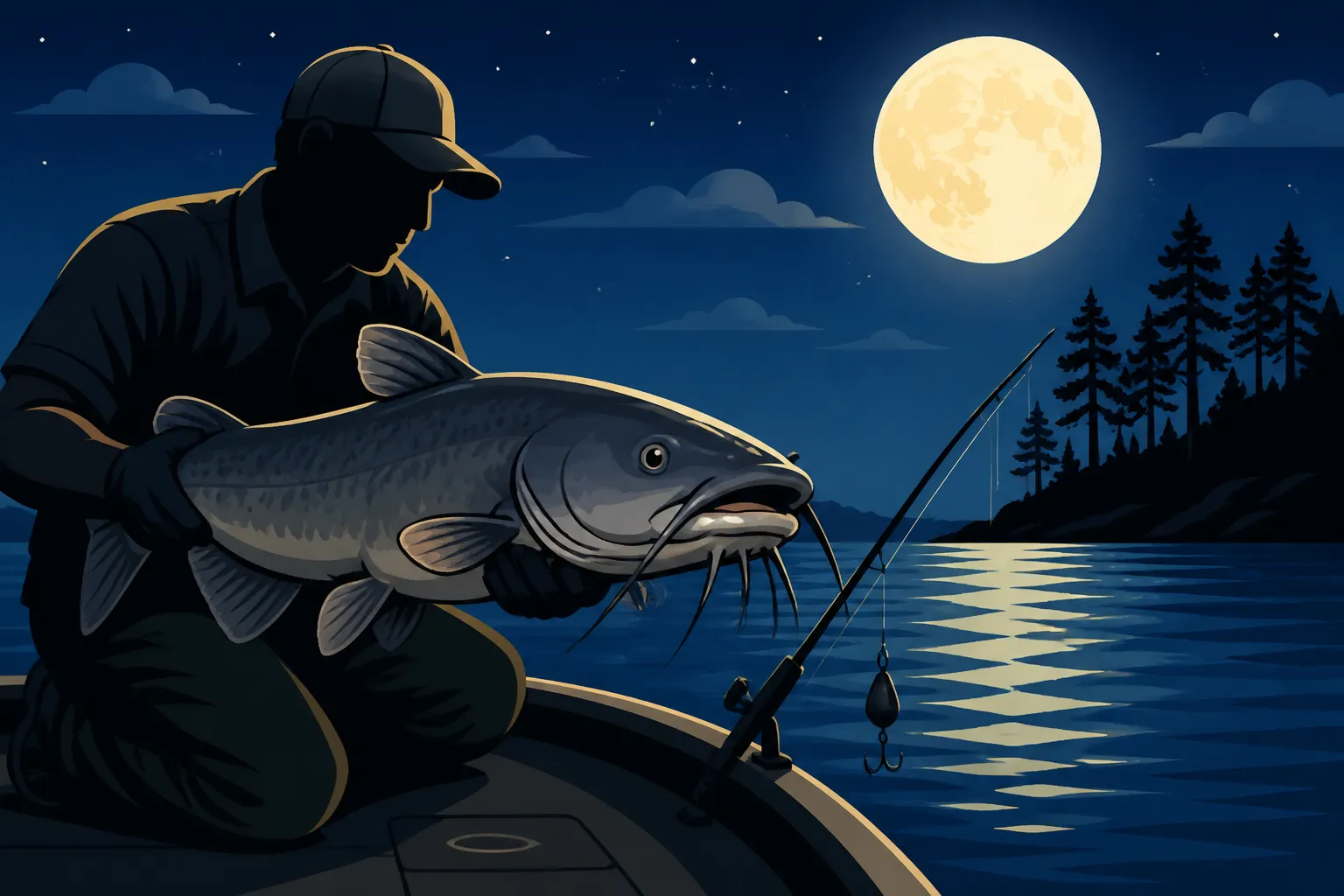
Catfish, by nature, are largely nocturnal predators and scavengers. As the sun dips below the horizon, the water temperature cools, and light levels decrease, triggering a shift in their behavior. During the day, especially in warmer months, catfish often retreat to deeper, cooler sections of the lake or hide within submerged structure to escape the sun's intensity. But once darkness falls, they feel much more comfortable moving into shallower areas to feed. Their keen senses of smell and touch, which are highly adapted for low-light conditions, become even more effective, allowing them to detect bait from a considerable distance. This means they're often more aggressive and less wary, translating into better bites for anglers.
The Thrill and Solitude of Nocturnal Angling
Beyond the biological advantages, night fishing on Lake Sinclair offers a unique experience that many anglers cherish. The absence of jet skis, wakeboarders, and pleasure cruisers means a quieter, more peaceful environment. You're less likely to be disturbed, allowing for a deeper connection with the natural surroundings. There’s a certain thrill in hearing your rod suddenly double over in the dead of night, knowing that a powerful catfish is on the other end, fighting unseen beneath the surface. It’s an adventure, a challenge, and often, a more productive way to target these bottom-dwelling brutes. The quiet hours also offer a chance for reflection, or simply enjoying the company of a friend or two under a blanket of stars.
Identifying Your Quarry: Catfish Species in Lake Sinclair
Lake Sinclair is home to a healthy population of several catfish species, each with its own characteristics and preferred habits. Knowing which species you're targeting can help you fine-tune your bait, rig, and location choices, increasing your chances of success. Understanding these distinctions is key to maximizing your night fishing efforts.
Channel Catfish: The Everyday Fighter
Channel catfish are arguably the most common and widespread catfish species in Lake Sinclair. They're recognized by their forked tails, spotted bodies (though these spots can fade in larger, older fish), and barbels around their mouths. Channel cats are opportunistic feeders, meaning they'll eat just about anything – live bait, cut bait, stink baits, worms, and even some artificial lures. They tend to be strong fighters, offering a lively battle on appropriate tackle. You'll find them in a variety of habitats, from creek channels to shallower flats and around points at night. For specific tips on attracting these prolific feeders, check out our guide on Best Bait for Channel Catfish.
Blue Catfish: The Lake Sinclair Giants
While not as prevalent as channel catfish, blue catfish are growing in numbers and size in Lake Sinclair. These are the true giants of the catfishing world, with the potential to grow well over 50 pounds in Georgia's reservoirs. Blue cats have a distinctly forked tail, a somewhat humped back, and typically no spots. They prefer deeper, open water areas, often congregating in main river channels or deep holes. At night, they will move shallower to feed, but often still prefer proximity to deeper water. Blues are primarily piscivores, meaning they prefer a diet of fish, so fresh cut bait like shad, bream, or even strips of carp are highly effective. If you're hoping to land a true trophy, understanding Blue Catfish Identification and Size and their habits is crucial.
Flathead Catfish: The Live Bait Specialist
Flathead catfish are unique among the three main species found in Lake Sinclair. They have a flattened head, a slightly rounded or only slightly notched tail (not deeply forked like channels or blues), and a mottled, brownish coloration. Flatheads are solitary predators that almost exclusively prefer live bait. They are ambush hunters and will hide in submerged logs, brush piles, or rocky crevices, waiting for an unsuspecting fish to swim by. While they can be found in the same waters as channel and blue catfish, their preference for live bait and specific structure often means targeting them requires a slightly different approach. Our guide on Flathead Catfish Identification and Habits offers more insights into distinguishing these unique fish, and if you're serious about targeting them, consider using live bream or shad as outlined in Live Bream vs Cut Bait for Flathead Catfish.
| Catfish Species | Key Identification | Primary Diet/Bait Preference | Typical Habitat (Night) | Fight Style |
|---|---|---|---|---|
| Channel Catfish | Forked tail, spots (can fade) | Omnivorous: stink bait, worms, cut bait, chicken liver | Creek channels, points, shallower flats | Strong, erratic pulls |
| Blue Catfish | Deeply forked tail, no spots, humped back | Piscivorous: fresh cut bait (shad, bream, carp) | Main river channels, deep holes, adjacent flats | Powerful, steady runs |
| Flathead Catfish | Flat head, slightly rounded/notched tail, mottled | Carnivorous: live bait (bream, shad) | Heavy cover: submerged timber, rock piles, ledges | Brutal, stubborn tugs |
Equipping for Success: Essential Gear for Night Catfishing
Successful night fishing for catfish on Lake Sinclair requires more than just a rod and reel. You'll need specialized tackle, effective baits, and crucial lighting and safety equipment to ensure a productive and safe outing. Skimping on the right gear can lead to frustration or, worse, dangerous situations on the water after dark.
Rods, Reels, and Line: Building a Robust Setup
Catfish, especially the bigger blues and flatheads, are powerful fish that demand robust gear. Don't show up with your ultralight panfish setup; you'll be quickly outmatched.
- Rods: Look for medium-heavy to heavy-action rods, typically in the 7 to 9-foot range. A longer rod provides better leverage for casting heavy baits and fighting big fish, especially from a boat or pier. You'll want a strong backbone to set hooks and turn a stubborn fish away from cover. Many experienced catfishermen prefer fiberglass or composite rods for their durability and parabolic bend, which helps absorb powerful runs. For serious catfishing, a specialized rod like those discussed in Best Rod for Catfish Fishing on Georgia Rivers will make a huge difference.
- Reels: Matching your rod with a sturdy baitcasting reel is paramount. Conventional reels designed for saltwater or heavy freshwater use are excellent choices. They offer superior cranking power, larger line capacity, and robust drag systems necessary to handle hefty catfish. Look for reels with a smooth, reliable drag that can handle prolonged battles. Brands like Penn, Abu Garcia, or Daiwa offer excellent options that can withstand the abuse of trophy catfishing.
- Line: Braided line is almost universally preferred for catfishing due to its incredible strength-to-diameter ratio, zero stretch for sensitive bite detection, and abrasion resistance against underwater obstacles. A 30 to 80-pound test braided line is a good starting point, depending on the size of catfish you anticipate. Some anglers might use a monofilament or fluorocarbon leader to provide a bit of stretch or for stealth, but the main line should be braid.
Baits and Rigs: What Catfish Can't Resist
The right bait is often the difference between a slow night and a fish-catching frenzy. Catfish are primarily scent-oriented, so fresh and pungent baits are typically the most effective, especially at night when their visual senses are less useful.
- Cut Bait: This is a universal catfish killer. Freshly cut shad, bream, herring, or even carp are incredibly effective. The oils and blood released into the water create a powerful scent trail that catfish can't resist. For Lake Sinclair, local baitfish are usually the best option. Cut them into chunks or strips, ensuring some skin and scales are attached for scent dispersal.
- Stink Baits/Prepared Baits: Commercial stink baits, dough baits, or punch baits can be very effective for channel catfish. These often come in various pungent flavors and are designed to stick to treble hooks or sponge rigs. While less effective for flatheads, they can be phenomenal for attracting smaller to medium-sized channel cats.
- Live Bait: This is essential for targeting flathead catfish. Live bream, small crappie (where legal and permitted), or shad are irresistible to flatheads. Use a large, strong circle hook (size 5/0 to 9/0) hooked through the back or lips of the baitfish to keep it lively.
- Worms: Good old nightcrawlers or red wigglers are always a solid choice, especially for smaller channel catfish and other panfish that might be schooling with them.
- Rigs: The Carolina Rig (also known as a slip sinker rig) is a staple for bottom fishing. It consists of a sliding egg sinker above a swivel, with a leader (12-24 inches) tied to a strong hook. This allows the fish to pick up the bait without feeling the weight of the sinker immediately. Another effective setup is a three-way swivel rig, which keeps your bait off the bottom, particularly useful when fishing over snaggy terrain or targeting blues that might suspend slightly. For a step-by-step guide on this common method, refer to How to Bottom Fish for Catfish.
Lighting and Safety Gear: Seeing and Being Seen
Night fishing inherently carries more risks than daytime fishing. Proper lighting and safety equipment are non-negotiable for a safe and enjoyable experience.
- Personal Lighting: A good headlamp with a red-light option is indispensable. Red light preserves your night vision better than white light, which can be disorienting. Carry spare batteries! A small handheld flashlight is also handy for quick checks or emergencies.
- Boat Lighting: If you're on a boat, ensure all navigation lights are fully functional and properly displayed. A stern light and bow lights are legally required after dark. Consider adding extra deck lighting, though keep it subdued to maintain your night vision.
- Flotation Devices: Always have enough Coast Guard-approved personal flotation devices (PFDs or life jackets) for everyone on board. Even strong swimmers can get into trouble in unexpected situations in the dark.
- First-Aid Kit: A well-stocked first-aid kit is critical for any fishing trip, but especially at night when professional help might be further away. Include basics like bandages, antiseptic wipes, pain relievers, and any personal medications.
- Communication: A fully charged cell phone (in a waterproof case) or a VHF radio is essential for emergencies. Always tell someone where you are going and when you expect to return.
- Knife/Line Cutter: A sharp knife or line cutter is always useful, particularly for dealing with tangled lines or releasing snagged fish quickly.
Navigating Lake Sinclair: Top Spots and Techniques After Sundown
Lake Sinclair is a vast body of water, and knowing where to focus your efforts after dark can make all the difference. Combining knowledge of prime locations with effective techniques will significantly improve your chances of success.
Productive Night Fishing Locations on Lake Sinclair
Catfish on Lake Sinclair, like in many reservoirs, tend to congregate in certain areas, especially when they move shallower to feed at night.
- Creek Channels and Mouths: The mouths of major creeks flowing into Lake Sinclair, such as Little River and Nancy Creek, are excellent choices. These areas often have deeper channels that lead to shallower feeding flats. Catfish will use these channels as highways to move from deep daytime haunts to nocturnal feeding grounds. The current, even subtle, in these areas can also help disperse the scent of your bait.
- Points and Ledges: Any prominent points or underwater ledges that extend into deeper water can be highly productive. Catfish will often patrol these structures, ambushing baitfish that swim along them. Look for transition zones where depths change rapidly. The rip-rap around bridges, like the Highway 441 bridge crossing the lake, can also be fantastic spots, offering both cover and food sources.
- Submerged Timber and Brush Piles: Flathead catfish, in particular, love heavy cover. Areas with standing timber, submerged logs, or man-made brush piles offer ideal ambush points. Use your fish finder to locate these structures during the day, marking them with GPS coordinates for easy navigation at night. Just be prepared for snags!
- Dam Areas (with caution): The tailrace below the Sinclair Dam can be a hotspot for various species, including catfish, due to current and abundant food. However, always exercise extreme caution around dams, paying close attention to water releases and warning signs. Safety should always be your top priority.
- Quiet Coves and Flats: While not always deep, large, flat areas adjacent to deeper water can become major feeding zones at night, especially for channel catfish. These areas might be rich in invertebrates or smaller baitfish that attract larger predators. For more general guidance on where to target these whiskered warriors, check out Best Catfish Spots on Lake Sinclair, Georgia and even broader, Best Night Fishing Spots in Georgia.
To get the most out of your trip, consider hiring a local guide. Many experienced guides on Lake Sinclair specialize in night catfishing and can put you right on the fish. Services like FishingBooker are excellent resources for finding reputable, local fishing charters and guides who know the lake like the back of their hand, saving you valuable time and greatly increasing your chances of success.
Proven Night Fishing Techniques
Once you've identified your spots, it's time to put your techniques into action. Catfishing at night often involves a more patient approach, letting the scent do the work.
- Anchoring and Soaking: This is the most common and effective technique for night catfishing. Anchor your boat securely upstream or upwind from your chosen spot. Cast your baits (often multiple rods with different baits) out and let them sink to the bottom. Use bell alarms or glowing rod tips to detect bites. Patience is key here; let the scent of your bait disperse and draw the catfish in. Keep your lines tight enough to feel bites but loose enough to allow the fish to take the bait without immediate resistance.
- Drifting: If you're on a larger, open flat or along a gradual ledge, controlled drifting can be highly effective, especially for blue catfish. Use a drift sock or a trolling motor to maintain a slow, steady pace, allowing your baits to cover a wider area. This technique is particularly good for finding active schools of fish.
- Fan Casting: If you're fishing from the bank or a stationary boat, fan casting allows you to cover a broad range of water from a single position. Cast your baits in different directions and at varying distances, effectively searching for active fish.
- Using a Fish Finder (Even at Night): While catfish don't typically suspend high in the water column like stripers, your fish finder can still be invaluable. Use it to locate structure, ledges, and deep channels. Even at night, you might mark baitfish schools, which often attract hungry catfish. Some anglers even mark individual large fish lurking near the bottom.
When you feel that unmistakable tug, it's often best to let the fish run a bit, especially with circle hooks, which are designed to set themselves in the corner of the fish's mouth as it pulls away. Once you feel a steady pull, begin to reel, letting the rod do the work. Remember, setting the hook with a violent jerk isn't usually necessary with circle hooks. For a more detailed look into these methods, consider resources like How to Catch Catfish at Night.
Staying Safe and Legal While Night Fishing
Safety should always be your number one priority when venturing out on Lake Sinclair after dark. The absence of daylight changes everything, from navigation to responding to emergencies. Coupled with safety, understanding Georgia's fishing regulations is vital to avoid penalties.
Boating Safety and Navigation
Navigating Lake Sinclair at night requires heightened awareness and adherence to safety protocols.
- Pre-Trip Inspection: Before you even leave the dock, double-check all your boat's navigation lights, bilge pump, and engine. Ensure you have fresh fuel, a fully charged battery, and all required safety equipment, including whistles, horns, and fire extinguishers.
- Know Your Course: If you're operating a boat, have a clear understanding of your route, even if you know the lake well. Use GPS units and charts, marking any potential hazards like shallow areas, submerged stumps, or channel markers. FishingBooker guides are also invaluable for safe navigation, as they possess extensive local knowledge of the lake's contours and hazards.
- Reduced Speed: Operate your boat at a significantly reduced speed at night. Obstacles are much harder to spot, and reacting to sudden situations is slower. Maintain a vigilant watch for other boats, buoys, or debris.
- Avoid Alcohol: While it might seem relaxing to enjoy a beverage on the water, operating a boat under the influence is illegal and incredibly dangerous. Georgia has strict Georgia Boating Under the Influence Laws with serious penalties. Save the celebratory drinks for when you're safely back on shore.
- Buddy System: Whenever possible, fish with a partner. There's safety in numbers, and an extra set of eyes and hands can be invaluable in an emergency.
Understanding Georgia's Regulations
Even in the dark, the rules still apply. It's every angler's responsibility to know and follow Georgia's fishing regulations.
- Fishing License: Always carry your valid Georgia fishing license. Wardens patrol at all hours, and not having a license can result in fines and penalties. If you're also targeting trout (though unlikely for night catfishing), ensure you have the appropriate trout stamp.
- Creel and Size Limits: While catfish generally have liberal limits, always be aware of any specific creel or size limits that might apply to certain species or bodies of water. For general regulation waters, the daily creel limit for channel, blue, and flathead catfish is 50 fish in aggregate, but always double-check the latest Georgia Department of Natural Resources (DNR) guidelines.
- Legal Baits and Methods: Ensure your chosen baits and methods are legal for Lake Sinclair. Generally, live and cut baits are perfectly fine, but familiarize yourself with any specific restrictions, such as the use of trotlines or jug fishing if you employ those techniques (check local rules for these; they often have specific tagging and unattended regulations).
- Light Use: While personal lighting is crucial for safety and baiting, avoid shining bright white lights directly at other boats or into residential areas, which can be disorienting or intrusive. Be courteous to others enjoying the night on the lake.
Adhering to these safety and legal guidelines will ensure that your night fishing adventure on Lake Sinclair remains a positive and memorable experience for years to come.
Disclaimer
Please note that fishing regulations, conditions, and best practices can change. Always consult the latest Georgia Department of Natural Resources (DNR) regulations before heading out on the water. This guide is for informational purposes only and should not replace official sources or professional advice. Fishing inherently involves risks; always prioritize your safety and the safety of others.