Which Georgia creek has an 18-inch brook trout limit?
Navigating Georgia's fishing regulations can sometimes feel like you need a law degree just to figure out where you can drop a line without getting into trouble. It’s particularly frustrating when you hear whispers of special rules for certain creeks or species, leaving you wondering if you're missing out on a unique opportunity or, worse, about to make an expensive mistake. If you’ve heard about an unusually high size limit for brook trout in a specific Georgia creek and are trying to pinpoint exactly where that is, you've come to the right place. This guide will clarify the specific regulations for that special brook trout fishery and help you understand why it’s managed the way it is.
The Unique Case of Waters Creek's 18-Inch Brook Trout Limit
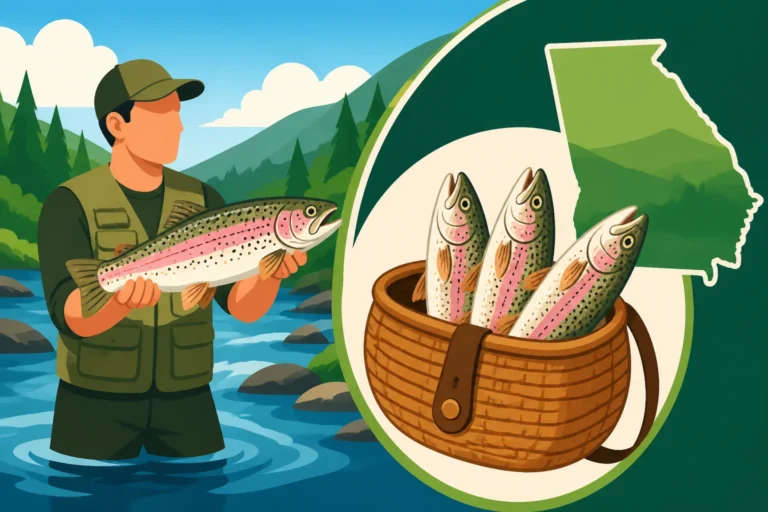
Let's cut right to the chase: if you're looking for the Georgia creek with an 18-inch brook trout limit, you're thinking of Waters Creek. Nestled within the picturesque Chestatee Wildlife Management Area in North Georgia, Waters Creek is a truly special fishery. It’s not your average trout stream; it's managed by the Georgia Department of Natural Resources (DNR) with a very specific goal in mind: to cultivate trophy-sized brook trout. This isn't a place where you'll be filling a cooler, but rather a destination for anglers seeking the challenge and reward of catching a truly magnificent fish.
Why Waters Creek Has Such a High Size Limit
The 18-inch minimum size limit for brook trout at Waters Creek isn't arbitrary; it's a deliberate management strategy to create a trophy fishery. Most trout streams in Georgia, especially those that are regularly stocked, have much lower size limits, if any, and generous creel limits. But Waters Creek is different. The DNR implemented this strict size restriction to protect the larger, mature brook trout population, allowing them to grow to exceptional sizes for Georgia standards. It's an investment in the future of the fishery, ensuring that the genetics for large fish continue and that anglers have a chance at a true lunker. This kind of specialized management sets it apart from many other fantastic trout fishing opportunities you'll find throughout the state.
This isn't just about size, though; it’s about habitat and genetics. Waters Creek boasts excellent water quality, a diverse insect population, and ample cover, all contributing to a healthy environment where brook trout can thrive and grow. By protecting the larger fish, the DNR hopes to promote natural reproduction among bigger, stronger individuals, further enhancing the quality of the fishery over time. It’s a delicate balance of ecological science and angler opportunity, carefully crafted to produce a unique experience.
Beyond Just Length: Creel Limits and Gear Restrictions
The 18-inch minimum isn't the only rule that makes Waters Creek unique. In conjunction with this impressive size limit for brook trout, there’s also a stringent daily creel limit: only one trout per day, and it must be 18 inches or longer. This means that if you catch multiple trout under 18 inches, or even multiple over, you can only keep one if it meets that specific length requirement. This low creel limit reinforces the "trophy" aspect of the fishery – it's about the quality of the catch, not the quantity.
What about gear? Waters Creek is also designated as an artificial lures only stream, and you're typically limited to single hooks. This means no live bait, no scented baits, and no treble hooks. These regulations are in place to minimize harm to the fish, especially those that are caught and released. A single hook is generally easier to remove with less damage, increasing the survival rate of the fish you put back. It’s a crucial detail for anyone planning a trip, as using the wrong tackle could lead to a fine. Make sure you understand all the specifics laid out in the official Georgia Fishing Regulations Explained guide before heading out.
Why Waters Creek Stands Out for Trophy Brook Trout
Waters Creek truly is a gem in Georgia's trout fishing crown. While the state boasts many excellent trout streams with varying regulations, very few, if any, are managed with such a singular focus on giant brook trout. This dedication transforms a fishing trip into an active pursuit of a rare and challenging catch, elevating the experience for those who appreciate the hunt for a truly memorable fish.
A Managed Fishery for Quality, Not Quantity
The Georgia DNR's approach to Waters Creek is a prime example of quality over quantity management. Unlike many other streams where trout stocking focuses on providing a put-and-take fishery for a broader audience, Waters Creek is nurtured to produce a truly wild, self-sustaining population of large, healthy brook trout. This isn't just about stocking; it involves careful habitat assessment, water quality monitoring, and precise population surveys to ensure the stream can support these larger fish. The DNR understands that some anglers seek the thrill of a genuine challenge, and Waters Creek delivers exactly that.
This management philosophy extends to limiting access and fishing pressure as well, though specific access rules can vary and should always be checked with current DNR publications. By carefully controlling the variables, the creek's ecosystem can flourish, allowing the brook trout to reach their full potential. It's a testament to what thoughtful conservation efforts can achieve, providing a unique angling experience that preserves the natural integrity of the stream while offering a fantastic opportunity for dedicated anglers.
The Appeal for Dedicated Trout Anglers
For many experienced trout anglers, Waters Creek represents the pinnacle of freshwater fishing in Georgia. It’s not just about catching fish; it’s about the strategy, the patience, and the skill required to entice an 18-inch brook trout – a true behemoth for its species in this region. The stringent regulations, far from being a deterrent, become part of the allure. They filter out casual anglers, leaving a community of dedicated conservationists who understand and respect the delicate balance of this unique fishery.
Imagine the thrill of spotting a dark, torpedo-shaped shadow in the clear waters, knowing it could be that elusive 18-inch brook trout. The challenge forces you to hone your casting, presentation, and fish-finding skills. It's an immersive experience where every cast counts, and every bite could be the one you've been dreaming of. If you're someone who loves to pore over details and perfect your technique, places like Waters Creek offer unparalleled rewards, making that one fish feel like a lifetime achievement. It's a special type of fishery that truly showcases the beauty and resilience of Georgia's native trout.
How These Regulations Impact Your Fishing Trip
Planning a trip to Waters Creek requires a different mindset and preparation than heading to a general trout stream or even a Delayed Harvest Trout Streams in Georgia. The high size limit and single-fish creel mean you're not just fishing for fun; you're embarking on a mission for a specific, challenging prize. This translates directly into your gear choices and fishing techniques.
Essential Gear and Techniques for Waters Creek
Given the artificial lures only and single-hook restrictions, your gear selection for Waters Creek becomes critical. Fly fishing is a popular and highly effective method here. A lightweight fly rod, perhaps a 3-weight or 4-weight, paired with a matching reel and a good selection of trout flies, is ideal. For brook trout in these types of streams, think about dry flies that mimic local insect hatches, nymphs for subsurface presentations, and small streamers that imitate baitfish. You might find excellent quality flies and fly tying materials on Amazon to help you prepare. Don't forget a good pair of waders and wading boots, as navigating the creek will be essential.
If spin fishing is more your style, ultralight spinning gear is the way to go. Small inline spinners, tiny spoons, and micro jigs are your best bets. Ensure any lure you use has its treble hook replaced with a single, barbless hook. This is not just a regulatory requirement, but a crucial practice for catch-and-release success. The clear waters and wary fish mean light line (4-6 lb test fluorocarbon or monofilament) will give you the best chance. Remember, the goal is presentation and minimizing detection. For more details on what tackle you'll need, check out our guide on Fly Fishing Gear for Georgia's Trout Streams.
Conservation and Ethical Angling Practices
With an 18-inch brook trout being such a rare and valuable catch, practicing ethical angling and proper catch-and-release techniques is paramount. Every fish you hook, especially if it’s under the 18-inch mark, needs to be handled with extreme care to ensure its survival. This means minimizing the time the fish is out of the water, wetting your hands before touching it, and using forceps or pliers to quickly and gently remove the hook. Avoid excessive squeezing or handling of the fish.
Consider carrying a good quality net with a rubberized mesh, which is much gentler on fish scales and slime coats than traditional nylon nets. If you do catch a trophy-sized fish you plan to keep, dispatch it quickly and humanely. The health of a trophy fishery like Waters Creek depends heavily on the responsible actions of every angler. Your commitment to these practices helps ensure that future generations can also experience the thrill of targeting these magnificent brook trout. Learning How to Catch and Release Trout Properly is an essential skill for any angler visiting Waters Creek.
Navigating Other Georgia Trout Regulations
While Waters Creek offers a distinct and highly specialized trout fishing experience, it's important to remember that it's just one piece of Georgia's diverse trout fishing landscape. Understanding how its rules compare to general regulations and other special management areas will give you a comprehensive picture of what to expect across the state.
General Trout Water Regulations
For the vast majority of Georgia's trout streams and rivers, the regulations are much more permissive than those found at Waters Creek. On "general trout waters," you’ll typically encounter a daily creel limit of eight trout per day, with no minimum size limit. This allows anglers to keep a mixed bag of trout species, including rainbow, brown, and brook trout, as long as they adhere to the creel limit. These are the waters where many anglers enjoy a relaxed day, perhaps introducing children to fishing, and often feature regular stockings by the DNR.
Many of these general waters still require a standard Georgia fishing license and, if you're specifically targeting or keeping trout in designated trout waters, a Mountain Trout License Add-On in Georgia. The contrast with Waters Creek highlights the DNR's adaptive management approach, tailoring regulations to specific stream characteristics and management goals. For example, some popular streams like the Toccoa River have sections that fall under general regulations, making them accessible for a different style of fishing compared to the highly regulated Waters Creek.
Delayed Harvest Streams and Other Special Rules
Beyond general regulations, Georgia also manages several "Delayed Harvest" streams. These waters operate under a strict catch-and-release, artificial lures only rule for a significant portion of the year (typically November 1 to May 14). During this delayed harvest period, you cannot keep any trout, regardless of size. This allows a large number of stocked trout to remain in the stream for an extended period, providing fantastic catch-and-release opportunities for anglers to hone their skills. Once the delayed harvest period ends, these streams often revert to general regulations, allowing for harvest.
Then there are other specific exceptions, like certain Public Fishing Areas (PFAs) or smaller, privately managed waters that might have their own unique sets of rules, sometimes including specific slot limits or bait restrictions. This patchwork of regulations, while sometimes confusing, is designed to optimize each specific fishery for different angling experiences and conservation goals. Always check the latest Georgia fishing regulations booklet from the DNR before heading out, as rules can change from year to year. Knowing the various rules, from Georgia Trout Stream Size Limits by Creek to creel limits, is key to a successful and legal outing.
Here’s a quick comparison of Waters Creek's brook trout rules against typical general trout water regulations:
| Feature | Waters Creek (Brook Trout) | General Trout Waters (All Trout Species) |
|---|---|---|
| Minimum Size Limit | 18 inches | No minimum size limit (unless otherwise specified) |
| Daily Creel Limit | 1 trout (must be 18 inches or longer) | 8 trout per day (unless otherwise specified) |
| Bait/Lure Restrictions | Artificial lures only, single hook | No restrictions (unless otherwise specified) |
| Management Goal | Trophy brook trout fishery, quality over quantity | Put-and-take fishery, broader angler access, quantity |
| Fishing Pressure | Generally lower, attracts dedicated anglers | Can be higher, caters to all skill levels |
| Species Focus | Primarily native Brook Trout | Rainbow, Brown, and Brook Trout (often stocked) |
| Required License | Basic Georgia Fishing License + Mountain Trout Stamp | Basic Georgia Fishing License + Mountain Trout Stamp (if designated trout water) |
Understanding these distinctions will help you pick the right stream for your fishing goals, whether you're chasing that elusive 18-inch brook trout at Waters Creek or enjoying a day of catching and keeping on more accessible waters.
Disclaimer
The information provided in this guide is for general informational purposes only and is subject to change. Fishing regulations, license requirements, and creel limits can be updated by the Georgia Department of Natural Resources (DNR) at any time. It is the angler's responsibility to consult the most current official Georgia Sport Fishing Regulations Guide before engaging in any fishing activity. Failure to comply with current regulations can result in fines and penalties. Always check the official Georgia DNR website or a physical copy of the current regulations booklet for the most accurate and up-to-date information.