Daily trout creel limit on general-regulation Georgia waters
It can be incredibly frustrating to head out for a peaceful day of trout fishing in Georgia, only to feel uncertain about exactly how many fish you're legally allowed to keep. The rules aren't always straightforward, with different limits for different waters, and nobody wants to accidentally break a regulation. This guide is designed to cut through that confusion, giving you a crystal-clear understanding of the daily trout creel limits on Georgia's general-regulation waters, so you can fish with confidence and peace of mind.
Understanding Georgia's General Trout Regulations
When you're planning a fishing trip, especially for trout, understanding the basic rules is your first and most crucial step. Georgia has a fantastic array of trout waters, from tiny mountain trickles to wider rivers, and with that variety comes a few different sets of rules. But don't worry, we'll break down the "general regulation" category so you know exactly what to expect.
What "General Regulation" Actually Means for Trout Fishing
"General regulation" waters are essentially the default settings for trout fishing in Georgia. These are the streams, rivers, and even some impoundments where no specific, stricter, or more lenient rules have been put in place by the Georgia Department of Natural Resources (GDNR). Think of it as the baseline. If you're fishing a stream and you don't see any signs indicating special rules, or if it's not listed as a "Delayed Harvest" stream or a "Special Regulation Trout Stream" in the official guide, then you're likely on general regulation waters.
This distinction is super important because it dictates everything from your daily creel limit to size restrictions and even the type of bait you can use. Many popular public access points, particularly on tributaries and sections of larger rivers, fall under this general category. Always, and I mean always, double-check the latest Georgia Fishing Regulations Explained or the current year's fishing guide to be absolutely certain of the rules for your specific chosen spot. There's nothing worse than getting caught off guard by a regulation you weren't aware of.
The Statewide Daily Creel Limit for Trout
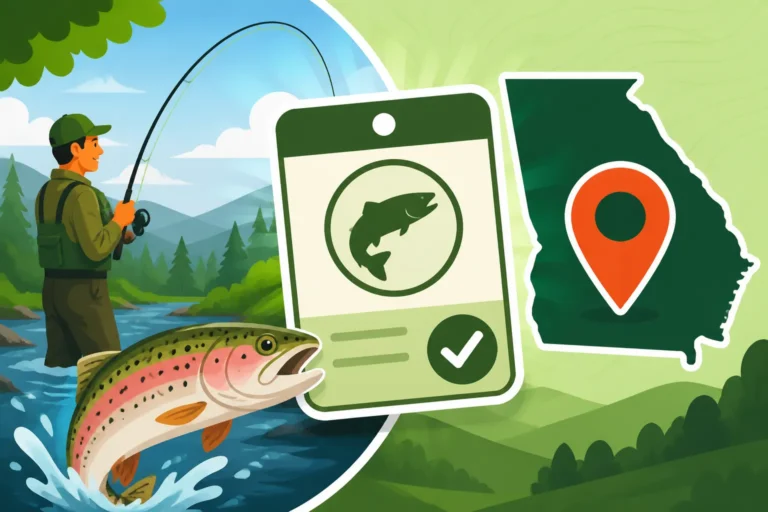
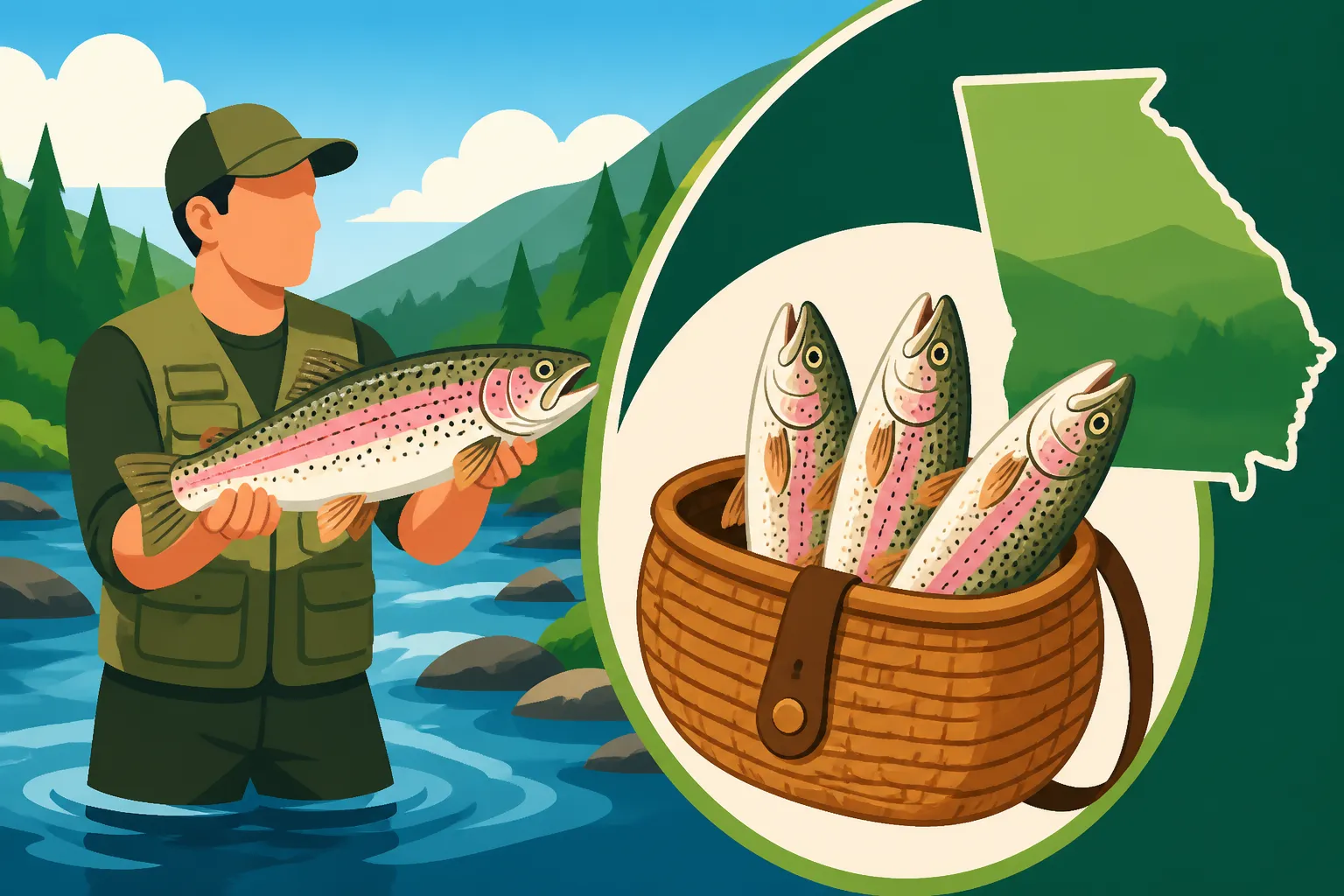
For those beautiful general regulation trout waters, the statewide daily creel limit for trout is 8 fish. This means that in any 24-hour period, you are legally allowed to possess a maximum of eight trout, regardless of their species (rainbow, brown, or brook trout). This limit applies to all species combined, not 8 of each.
Now, here's a crucial point: this limit also includes any trout you catch and keep from anywhere else in Georgia that day. So, if you catch 4 trout on one general regulation stream and then move to another, you can only keep 4 more. Your "daily creel" is a running total for your entire day of fishing across all general regulation waters. There's also no minimum size limit on general regulation waters, which means if you catch an eager little trout, you can legally keep it if you choose, as long as you're within your 8-fish limit. This makes general regulation waters quite beginner-friendly, as you don't have to worry about intricate size measurements, only your total count.
Why These Limits Exist: Conservation and Management
You might wonder why we have these limits in the first place, especially when some streams seem absolutely brimming with trout. The answer lies in responsible conservation and effective fisheries management. The GDNR sets these limits to ensure sustainable fishing opportunities for everyone, now and in the future.
Primarily, the 8-fish limit helps to manage the populations of both wild and stocked trout. On many general regulation streams, especially those accessible to the public, the GDNR actively stocks rainbow and brown trout to enhance fishing opportunities. These stocked fish are put there for anglers to catch, and the creel limit helps distribute the catch among many different anglers. Without limits, a few individuals could potentially deplete a recently stocked section very quickly, leaving nothing for others.
For wild trout populations, which are often found in the headwaters of mountain streams, limits are even more critical. Wild trout, particularly Georgia's only native trout, the brook trout, are more vulnerable to overfishing. These limits help protect breeding populations and ensure that future generations of trout continue to thrive in their natural habitats. It's a delicate balance of providing ample recreational opportunities while safeguarding the ecological health of our waterways. Following these rules isn't just about legality; it's about being a responsible steward of Georgia's incredible natural resources, ensuring that there are fish to catch for years to come.
Navigating Exceptions and Special Waters
While the general regulation of 8 trout per day provides a solid baseline, Georgia's trout fishing landscape is rich with diversity, and that means a few special rules apply to certain unique and popular waters. It’s absolutely vital to know when and where these exceptions apply, because the penalties for not knowing can be quite severe.
How Delayed Harvest Streams Change the Game
One of the most popular exceptions to general regulations comes in the form of "Delayed Harvest" (DH) trout streams. These are unique programs where specific sections of rivers are heavily stocked with trout in the fall, winter, and spring, but with a crucial twist: they are strictly catch-and-release only during a designated period, typically from November 1st to May 14th. During this time, you can only use artificial lures with a single hook, and you cannot keep any trout. It's a true angler's paradise for practicing your skills and enjoying the thrill of the catch without the pressure of keeping fish.
However, once May 15th rolls around, these streams revert to general regulations, meaning the 8-fish creel limit (with no size limit) comes into effect, and you can use natural bait. This seasonal change is a big deal, and many anglers eagerly await the "opening day" for keeping trout from DH streams. Popular Delayed Harvest Trout Streams in Georgia include sections of Amicalola Creek, the Toccoa River (below the Lake Blue Ridge Dam), and a portion of Smith Creek. Always check the current regulations, often found in the Georgia Fishing License Guide, to confirm the exact dates and rules for these exciting fisheries.
Special Regulation Streams and Their Unique Limits
Beyond Delayed Harvest, Georgia also has what are known as "Special Regulation Trout Streams." These are waters where the GDNR has implemented specific rules that differ from both general regulations and DH rules, often to protect unique fish populations or manage high-pressure areas. These limits can vary widely. For instance, some streams might have a reduced creel limit, such as 3 fish per day, while others might impose a minimum size limit (e.g., no trout under 16 inches can be kept) or even a slot limit, where fish within a certain size range must be released.
A prime example is Waters Creek, located within the Smithgall Woods State Park near Helen. This stream is renowned for its trophy trout potential, and to maintain that, it operates under very strict rules, including an 18-inch minimum size limit for brook trout and a 16-inch minimum for rainbow and brown trout, with very low daily creel limits. Similarly, parts of Noontootla Creek often have specific length restrictions to protect native trout. These special regulations are usually clearly marked on signage at access points and detailed in the official GDNR fishing guide. Ignoring these specific rules can lead to significant penalties. Before you cast a line, it's always best to consult resources like "Georgia Trout Stream Size Limits by Creek" or the full "Georgia Fishing Regulations Explained" to be fully informed.
Public Fishing Areas (PFAs) and Their Specific Rules
Georgia's Public Fishing Areas (PFAs) are managed intensively by the GDNR to provide diverse fishing opportunities close to home. While many PFAs are primarily managed for warmwater species like bass and bream, some do offer seasonal trout fishing, particularly during the colder months when trout can survive in their waters.
When trout are present and available for harvest in a PFA, these areas often have their own specific creel limits that might deviate from the general statewide 8-fish rule. These limits are designed to manage the specific stocking efforts and angler pressure at that particular PFA. For example, a PFA might have a daily creel limit of 5 trout, or a specific slot limit might be enforced to promote catch-and-release of larger fish. Always look for signage at the PFA entrance or check the GDNR website specifically for the PFA you plan to visit. While PFAs are fantastic family-friendly fishing spots, they demand a quick check of the rules beforehand to ensure a compliant and enjoyable day.
Practical Advice for Anglers on Creel Limits
Navigating creel limits isn't just about knowing the numbers; it's about practical application and responsible angling practices once you're out on the water. A little preparation and mindful fishing can make all the difference in staying compliant and ensuring a positive experience.
Counting Your Catch: What to Do When You Hit the Limit
Keeping track of your catch might seem simple, but in the heat of the moment, especially if the fish are biting, it's easy to lose count. My best advice is to have a clear system. If you plan to keep trout, bring a designated stringer or a cooler with ice. When a fish goes into that stringer or cooler, it counts towards your daily creel limit of 8 fish on general regulation waters.
What happens when you hit that magic number? Well, for trout fishing on general regulation waters, once you've retained 8 trout, your trout fishing day is over. You cannot continue to fish for trout and release them, as any further trout caught would technically put you over the legal possession limit if you tried to retain them. At this point, you have a few options:
- Switch Species: If you're on a multi-species water, you could switch your target to bass, bream, or catfish, as long as you adhere to their specific regulations.
- Practice Catch-and-Release: If you absolutely can't tear yourself away from the trout stream, you must stop retaining fish and switch to a strictly catch-and-release mentality. However, to avoid any appearance of impropriety, many experienced anglers simply call it a day for trout once their creel is full.
- Head Home: Often, the most straightforward option is to pack up your gear and enjoy the fruits of your labor!
Being disciplined about your count is key to avoiding any unpleasant interactions with wildlife officers. Remember, the limit is designed for fair distribution among all anglers.
Identifying Trout Species to Stay Compliant
While general regulation waters don't typically have species-specific creel limits (it's 8 total, regardless of type), there are special regulation streams where distinguishing between rainbow, brown, and brook trout is absolutely critical. For example, some streams might have unique rules specifically for brook trout, Georgia's only native trout species. Knowing your fish helps you stay compliant, especially if you venture into those specialized waters.
Here's a quick rundown of how to tell them apart:
| Feature | Rainbow Trout | Brown Trout | Brook Trout |
|---|---|---|---|
| Colors | Silvery body, pink/red stripe down lateral line | Gold/brown body, often with red spots surrounded by blue/purple halos | Dark olive/green body, distinctive worm-like (vermiculation) patterns on back, red spots with blue halos on sides |
| Spots | Small, dark spots on body, fins, and tail | Dark spots (some with halos) on body, few or no spots on tail | Dark spots on back, light spots (often red with blue halos) on sides |
| Tail Shape | Slightly forked to square | Square to slightly forked | Square to slightly emarginate (almost straight) |
| Leading Fin Edges | Typically white | Not distinctively white | Distinctive white leading edges on pectoral, pelvic, and anal fins (often with a black line behind the white) |
| Habitat | Widely stocked, can tolerate warmer water | Often found in larger, colder streams; naturalized populations | Cold, clear headwater streams; Georgia's native trout |
You can learn more by checking out guides like "Rainbow Trout Fishing in North Georgia's Mountain Streams," "Brown Trout in Georgia: Where to Find Them," and "Brook Trout: Georgia's Only Native Trout Species" to really hone your identification skills. If you're fishing a stream with special size rules, like Waters Creek Trout Size Rules, Georgia or Noontootla Creek Trout Minimum Length, precise identification can determine if your catch is legal to keep.
Essential Tools and Practices for Responsible Angling
Responsible angling goes hand-in-hand with adhering to creel limits. Beyond just counting, having the right gear and adopting good practices can enhance your experience and ensure you're doing right by the fish and the environment.
- Measuring Device: While not always required on general regulation waters (since there's no minimum size), a small, flexible measuring tape or a fish ruler is indispensable when fishing special regulation streams that do have size limits. You can find many compact, easy-to-use options on platforms like Amazon that clip right to your vest or bag.
- Stringer or Cooler: For fish you intend to keep, a good stringer that keeps fish alive in the water, or a quality cooler filled with ice, is essential. Keeping your catch fresh not only ensures better table fare but also shows respect for the fish you've harvested.
- Pliers or Hemostats: For those fish you intend to release, especially if you're hitting your limit and switching to catch-and-release, a pair of forceps or needle-nose pliers can quickly and safely remove hooks, minimizing stress and injury to the fish.
- Single, Barbless Hooks: For certain special regulation waters (like Delayed Harvest during its catch-and-release period), single, barbless hooks are mandatory. Even on general regulation waters, many anglers choose to crimp down barbs on their hooks. This makes hook removal easier and reduces harm to fish that will be released, increasing their survival rate.
Practicing careful catch and release is a skill every angler should cultivate. Handle fish gently, keep them in the water as much as possible, and release them only when they are strong enough to swim away on their own. This mindful approach ensures that even as you enjoy your legal creel limit, you're contributing to healthy fisheries for everyone.
Staying Informed and Avoiding Penalties
Fishing should be a relaxing and enjoyable pastime, but it's equally important to stay on the right side of the law. Ignorance of regulations is no excuse, and wardens are out there to protect Georgia's fisheries. Knowing where to find the most current information and understanding the consequences of non-compliance can save you a lot of headache (and money).
Where to Find the Most Up-to-Date Regulations
The absolute best and most reliable source for Georgia fishing regulations is the Georgia Department of Natural Resources (GDNR), specifically their Wildlife Resources Division (WRD). They publish an annual Georgia Sport Fishing Regulations guide that covers everything from license requirements to creel limits and bait restrictions for all waters.
Here’s how to access this crucial information:
- Online: The GDNR's official website is your go-to. A quick search for "Georgia fishing regulations" will typically lead you directly to the latest digital version of the guide. This is often the most up-to-date source, as they can sometimes post amendments quicker than printed versions are updated.
- Printed Guides: You can pick up a physical copy of the annual fishing guide at most places where you buy a fishing license, such as bait and tackle shops, sporting goods stores like Bass Pro Shops or Cabela's, or even some Walmarts. Additionally, many Georgia license agents Near You will have copies.
- Official Apps: The GDNR may also have mobile apps or digital resources that provide condensed or easily searchable regulation information.
- GDNR Offices: If you have specific questions or can't find information, don't hesitate to call your local GDNR Wildlife Resources Division office. Their staff are there to help and can often provide clarity on complex situations.
Before every fishing trip, especially if you're exploring new waters or a new season has started, take a few minutes to review the relevant sections of the guide. It’s a small investment of time that prevents major issues. For instance, if you're wondering "Do you need a separate trout license in Georgia?", the guide will clearly outline the Georgia Trout Fishing License Requirements.
Consequences of Exceeding the Creel Limit
Nobody wants to get a ticket, especially when you're out trying to relax and enjoy nature. Violating fishing regulations, including exceeding the daily creel limit for trout, can lead to serious consequences. These aren't just minor slaps on the wrist; they can impact your wallet and even your ability to fish in the future.
Here’s what you might face:
- Fines: The most common penalty is a monetary fine. The amount can vary depending on the severity of the violation, the number of fish over the limit, and whether it's a first offense or a repeat. These fines can quickly add up, easily costing you hundreds of dollars.
- Court Appearances: Many fishing violations are considered misdemeanors, which means you might be required to appear in court. This means taking time off work and dealing with legal proceedings, which is far from the peaceful day you envisioned.
- Loss of Fishing Privileges: For more serious or repeat offenses, you could have your Georgia Fishing License Guide suspended or revoked. This means you wouldn't be legally allowed to fish in Georgia for a specified period, or even permanently in extreme cases.
- Confiscation of Equipment: In some instances, wildlife officers have the authority to confiscate fishing equipment, including rods, reels, and even boats, if they were used in the commission of a serious violation.
It’s always better to err on the side of caution. If you're ever in doubt about the daily creel limit for trout or any other regulation, put the fish back, consult your guide, or contact the GDNR. A simple mistake can be costly, so make sure you're always informed. You can find more information about potential fines and legal repercussions by looking into "Penalties for Fishing Without a License in Georgia" – while this specific article is about licenses, the spirit of penalties for regulatory violations often runs along similar lines.
Disclaimer
Please remember that fishing regulations, including creel limits, can change. While this guide provides comprehensive information based on current general knowledge, it is your responsibility to consult the most recent official Georgia Department of Natural Resources (GDNR) fishing regulations guide before heading out on the water. This guide is for informational purposes only and should not be considered legal advice.