Shoal bass minimum length in Georgia
It's incredibly easy to get bogged down in the minutiae of fishing regulations, especially when you're targeting a distinct and respected species like the shoal bass here in Georgia. Many of us just want to enjoy our time on the water, but unknowingly breaking a rule can lead to big headaches. This guide is dedicated to cutting through the confusion around the shoal bass minimum length in Georgia, helping you understand the specifics so you can fish with confidence and contribute to the conservation of this incredible fish.
Understanding Shoal Bass and Their Unique Status in Georgia
When you're out on Georgia's rivers, particularly in the western part of the state, you might stumble upon a fish that looks like a largemouth but acts a little different. That's often a shoal bass, and they're a true gem of our waterways. Unlike some of their more widespread cousins, shoal bass have specific habitats and, consequently, specific rules designed to protect them.
Why Shoal Bass Have Special Regulations
Shoal bass (Micropterus cataractae) aren't just another black bass; they're a native species, primarily found in the Apalachicola, Chattahoochee, and Flint River drainages. Their preference for flowing water, rocky shoals, and riverine environments makes them a unique ecological indicator and a fantastic sport fish. Because of their more restricted range and particular habitat needs, the Georgia Department of Natural Resources (DNR) has implemented specific regulations to ensure their populations remain healthy and sustainable for future generations of anglers. These rules help prevent overfishing in their key strongholds, especially as fishing pressure increases. It's not just about catching a fish; it's about respecting a native species that's been part of Georgia's natural heritage for a long, long time.
Differentiating Shoal Bass from Other Black Bass Species
Before you even think about the length of your catch, you've got to be sure you've actually caught a shoal bass. It's a common mistake, especially for newer anglers, to confuse them with largemouth or spotted bass. Shoal bass typically have a more streamlined, torpedo-shaped body compared to the chunkier largemouth. Their coloration tends to be darker, often with distinct vertical bars or blotches along their sides, which can be quite pronounced, especially when they're healthy and vibrant.
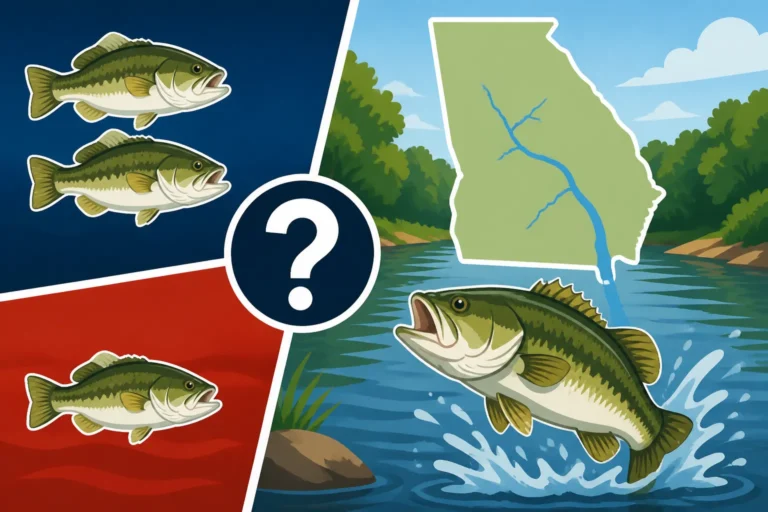
One of the most reliable ways to tell them apart from a largemouth is the position of their jaw. On a largemouth, the jaw extends past the back of the eye, but on a shoal bass (and spotted bass), it doesn't. When comparing them to spotted bass, look at the patch of teeth on the tongue. Shoal bass typically do not have a patch of teeth on their tongue, while spotted bass usually do. Another key identifier is their scales: shoal bass have smaller scales than largemouth, and often feature a prominent lateral line stripe. Taking a moment to properly identify your catch is absolutely crucial, not just for compliance but for truly appreciating the fish you've landed. If you're heading out to target these magnificent fish, doing a quick review of Shoal Bass: Georgia's River-Specialist Black Bass can give you even more confidence in your identification skills.
Georgia's Statewide Shoal Bass Minimum Length Regulations
Navigating fishing regulations can feel like deciphering an ancient text sometimes, but for shoal bass, the general rule is pretty straightforward. However, it's those specific exceptions that can trip us up, so let's break down the basic expectations first.
The General Rule for Shoal Bass
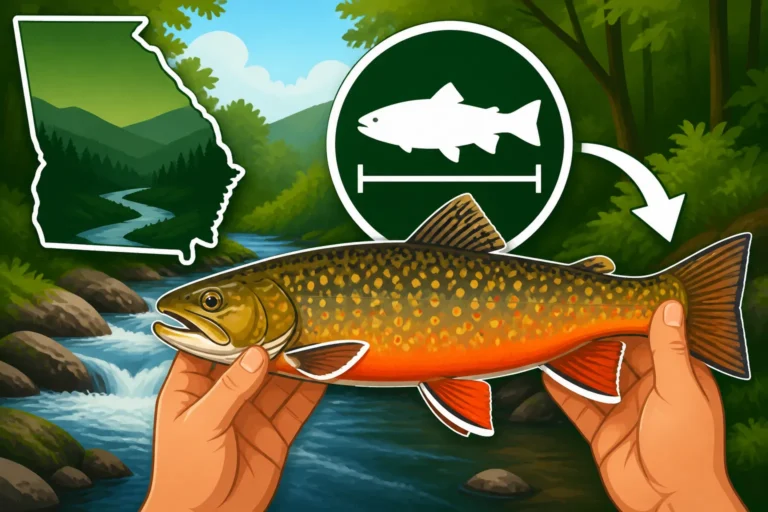
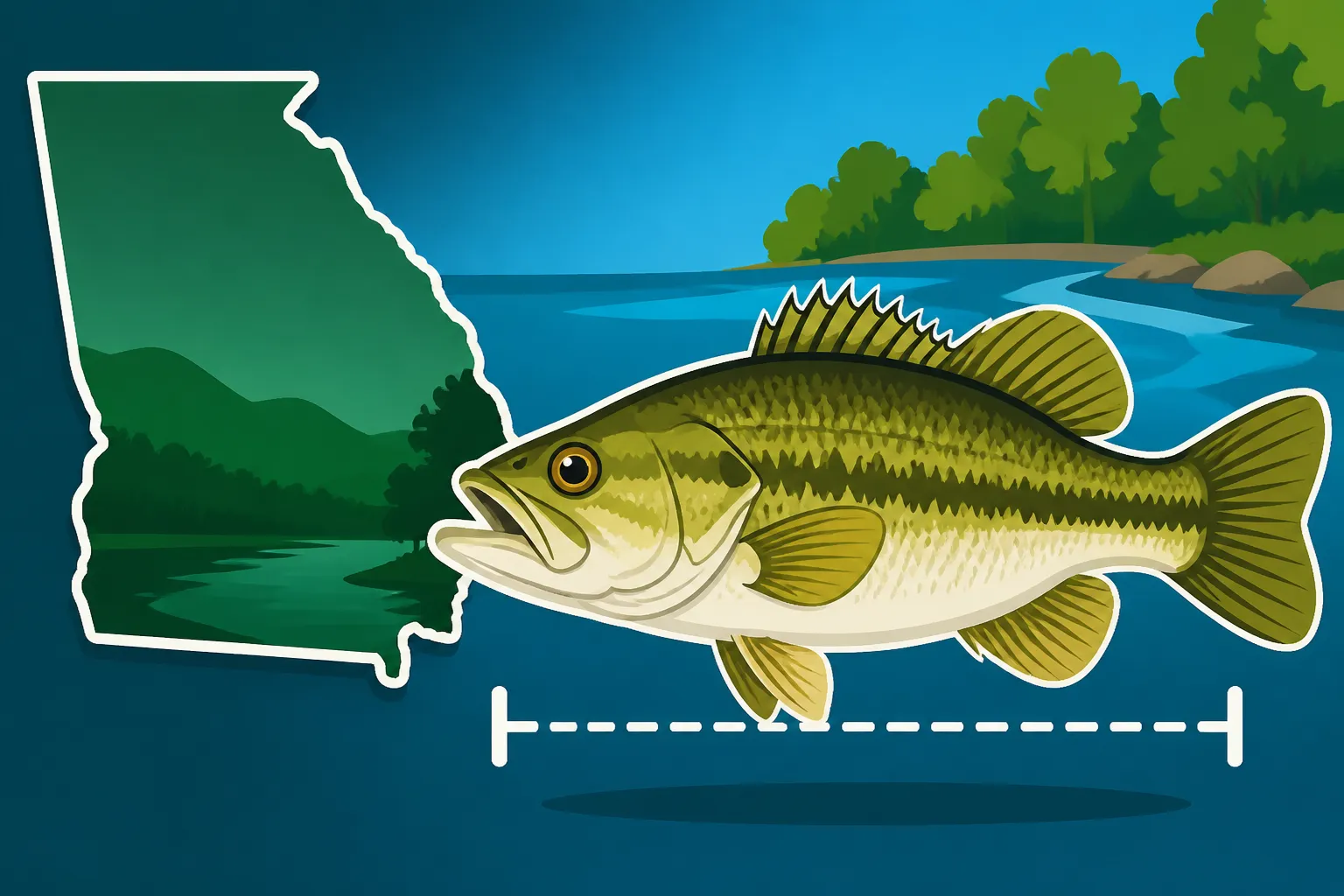
Across most waters where shoal bass are found in Georgia, a statewide minimum length limit applies. This means that any shoal bass you catch must meet or exceed a certain length before you can legally keep it. Currently, the statewide minimum length for shoal bass is 12 inches. What does this mean for you, the angler? It means that if you catch a shoal bass, you need to measure it from the tip of its nose to the end of its tail, with the tail compressed. If it measures less than 12 inches, it needs to go right back into the water, quickly and carefully. This regulation is put in place to allow these fish to reach maturity and spawn at least once, contributing to the overall health and population stability of the species. It's a vital tool in conservation, ensuring that young fish have a chance to grow. Before you even head out, understanding the broader Georgia Fish Size and Creel Limits is always a good idea.
Daily Creel Limits for Shoal Bass
In addition to the minimum length, there's also a daily creel limit, often referred to as a "bag limit," that governs how many shoal bass you can keep in a single day. For shoal bass, this statewide daily creel limit is 10 fish per person. This limit is combined with other black bass species like largemouth and spotted bass, meaning your total catch of any combination of these species cannot exceed 10 fish in a day. It's worth noting that even if you catch ten 12-inch shoal bass, you've hit your limit for the day for black bass.
These limits, both length and creel, are scientifically determined to prevent overharvesting and maintain a balanced ecosystem. They ensure that enough breeding fish remain in the population to reproduce effectively. It’s a delicate balance, and as responsible anglers, our role is to adhere to these rules. It’s not uncommon to hear stories of anglers who accidentally exceed limits or keep undersized fish simply because they weren't aware of the specific rules. Always check the current regulations issued by the Georgia DNR before each trip, as these rules can change. Having a good, floatable measuring board is crucial, and you can find a wide variety of reliable options on Amazon that are perfect for river conditions, helping you measure accurately on the fly.
Specific River Systems with Different Shoal Bass Regulations
While the statewide regulations provide a good baseline, the real challenge for anglers often comes with the specific, localized rules that apply to certain stretches of water. For a unique fish like the shoal bass, these exceptions are particularly important to know.
The Flint River Exception
When it comes to shoal bass, the Flint River is legendary. It’s one of the last remaining strongholds for this species and offers incredible fishing opportunities. Because of its ecological significance and the incredible fishery it supports, certain sections of the Flint River have even stricter regulations than the statewide minimum. This is where things can get a little tricky, so let’s make it crystal clear.
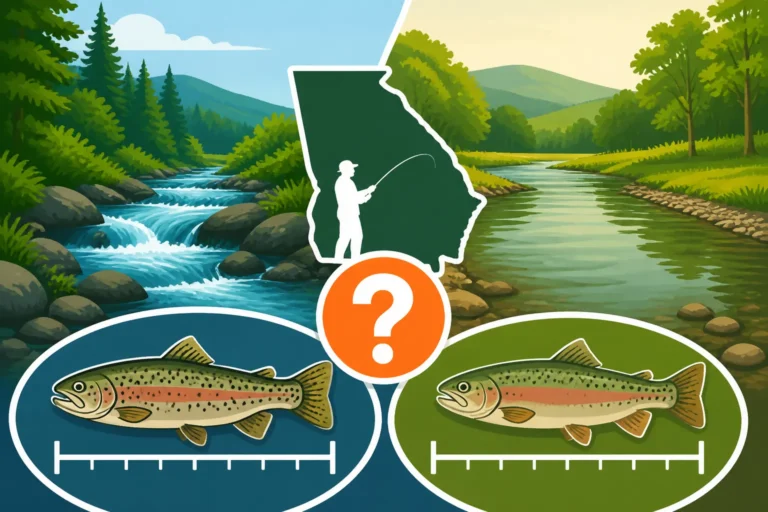
Specifically, on the Flint River, from the Warwick Dam downstream to the river's confluence with the Chattahoochee River, there is a 15-inch minimum length limit for shoal bass. This is a crucial difference from the statewide 12-inch rule. So, if you're fishing in this particular stretch, any shoal bass you catch must be 15 inches or longer to be legally kept. Any fish under this length must be immediately released. This enhanced protection is a direct effort to bolster the trophy potential and reproductive success of shoal bass in this critical habitat. Many dedicated shoal bass anglers also practice catch and release for larger fish on the Flint River, regardless of the legal limit, to further conserve this special resource. If you're planning a trip there, our Flint River Shoal Bass Fishing Guide offers even more insights.
Other Notable Shoal Bass Rivers
While the Flint River often gets the spotlight for its exceptional shoal bass fishery and unique regulations, shoal bass can also be found in other river systems within their native range, primarily the Apalachicola and Chattahoochee basins. For instance, sections of the Chattahoochee River, particularly in its upper and middle reaches, can hold good populations of shoal bass. The Ochlockonee and Chipola Rivers, though primarily in Florida, also connect to systems where shoal bass are present.
For these other rivers and streams, unless specifically noted in the Georgia DNR regulations, the statewide 12-inch minimum length and 10-fish creel limit for black bass (including shoal bass) will apply. It’s always best practice to consult the most current Georgia fishing regulations book or the Georgia DNR website before you head out, especially when exploring new waters. Regulations can sometimes vary by county or specific river section, and being prepared is key to a stress-free fishing trip. Consider checking out Best Rivers for Fishing in Georgia for a broader view of where to find these incredible fish.
Practical Tips for Anglers: Staying Compliant and Conserving Shoal Bass
Beyond just knowing the rules, practicing good angling habits is essential for respecting our waterways and ensuring healthy fish populations. Especially with a prized species like the shoal bass, a little extra care goes a long way.
Essential Gear for Measuring and Releasing
When you're out chasing shoal bass, having the right tools isn't just about catching them; it's about being a responsible steward of the resource. A reliable measuring device is paramount. Forget the flimsy tape measure you keep in your junk drawer; invest in a sturdy, rigid measuring board or a durable tape that won't stretch or fold. These are often made of plastic or treated fabric and are specifically designed for fish. Many of them float, which is a huge plus when you're on a boat or wading. You can easily find high-quality, angler-friendly measuring boards on Amazon, perfect for accurate, quick measurements.
Just as important is your release gear. Shoal bass, especially those caught in strong river currents, can be feisty. A good pair of long-nosed pliers or, even better, a dehooker tool can help you quickly and safely remove hooks, minimizing stress and injury to the fish. When a fish is undersized and needs to be released, speed and gentle handling are crucial for its survival. Avoid holding fish by the jaw vertically if they are heavy; instead, support their body horizontally. Wet your hands before touching the fish to protect its slime coat, which is vital for disease prevention. Learning How to Catch and Release Trout Properly offers principles that are equally applicable to bass and can significantly improve a fish's chances of survival.
Checking Regulations Before You Go
Honestly, this is probably the single most important piece of advice any veteran angler can give you: always check the latest regulations before you hit the water. It doesn't matter if you've been fishing a spot for twenty years; regulations change. What was a 12-inch minimum last season could be a 14-inch minimum this year if wildlife biologists see a need. The Georgia Department of Natural Resources (DNR), specifically the Wildlife Resources Division (WRD), publishes an annual fishing regulations guide that is your bible on the water.
You can find this guide online on the Georgia DNR website, or pick up a physical copy at most fishing license vendors, tackle shops, or even a Walmart sporting goods section. Many anglers keep a digital copy saved on their phone for quick reference. Don't rely on what your buddy "heard" or what a fishing forum said last year. Spend five minutes reviewing the rules for the specific body of water you'll be visiting, especially for unique species like shoal bass. This due diligence ensures you're compliant, avoids potential fines (which can be steep, as discussed in Penalties for Fishing Without a License in Georgia), and most importantly, supports the conservation efforts that keep our fisheries thriving. While you're at it, make sure your own How to Get a Fishing License in Georgia is current too!
Summary of Shoal Bass Regulations in Georgia
Here's a quick reference table to help keep Georgia's shoal bass regulations clear, especially concerning those length limits. Remember, always consult the official Georgia DNR regulations for the most current information.
| Water Body / Area | Shoal Bass Minimum Length | Black Bass Daily Creel Limit (Combined) | Notes |
|---|---|---|---|
| Statewide Waters | 12 inches | 10 fish | Applies to most rivers and streams where shoal bass are present, unless otherwise specified. |
| Flint River | 15 inches | 10 fish | Specifically from Warwick Dam downstream to the confluence with the Chattahoochee River. Stricter limit. |
| Other Major Rivers | 12 inches | 10 fish | Includes sections of the Chattahoochee River, Ocmulgee, and other shoal bass habitats where no specific exception is listed. |
This table should give you a concise overview, but remember, the devil is always in the details. Knowing the nuances, like whether you’re above or below Warwick Dam on the Flint, is what sets a prepared angler apart.
Disclaimer
Please remember that fishing regulations are subject to change. While we strive to provide the most accurate and up-to-date information, it is always your responsibility as an angler to consult the official Georgia Department of Natural Resources (DNR) Wildlife Resources Division for the latest rules and regulations before engaging in any fishing activities. Compliance with current laws is essential for responsible and legal angling.