Best Topwater Lure for Georgia Bass
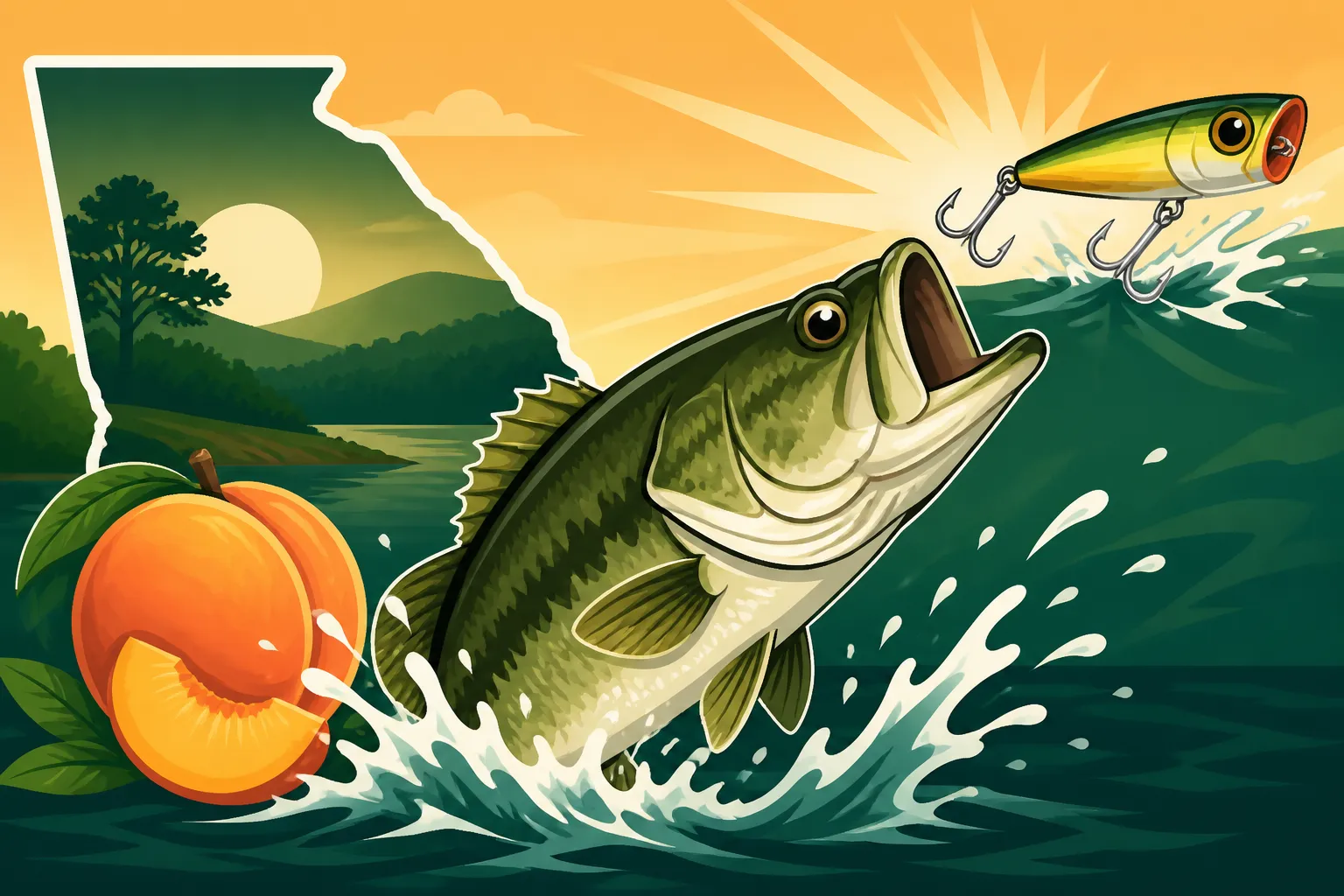
There’s nothing quite like the heart-stopping explosion of a largemouth bass absolutely annihilating a topwater lure right at the surface. It’s one of the most exciting ways to catch fish, but with so many options out there, choosing the best topwater lure for Georgia bass can feel overwhelming. You want to make every cast count, especially when those precious morning and evening bites are on, and picking the wrong bait can definitely lead to frustration. This guide is here to cut through the noise and help you understand which topwater lures truly shine in Georgia's diverse waters, and how to wield them for maximum effect.
Why Topwater Fishing for Bass in Georgia is So Exciting
There’s a unique thrill that comes with topwater fishing. Unlike other techniques where you feel a subtle tug or a solid thud on your line, topwater fishing is a visual spectacle. You see the lure dancing on the surface, you see the wake of a chasing bass, and then – BAM! – the water erupts. It’s pure adrenaline, and it’s why so many Georgia anglers are absolutely obsessed with it.
The Adrenaline Rush of the Surface Strike
Imagine casting your favorite topwater bait near a submerged brush pile on Lake Oconee as the sun peeks over the horizon. You give it a twitch, then another, and suddenly, the water where your lure was just sitting erupts in a violent splash. Your rod loads up, your heart pounds, and the fight is on. That visual confirmation of a bass blowing up on your lure is an experience that keeps anglers coming back for more. It's not just about catching fish; it's about witnessing the raw, aggressive power of a Georgia largemouth or spotted bass.
Seasonal and Daily Windows for Topwater Success
While topwater can work in various conditions, it truly excels during specific times. Spring and fall are prime seasons, when bass are more active and willing to chase baitfish on the surface. During the hot Georgia summers, the early morning hours, just as the sun is rising, and the late evening, as it dips below the horizon, often provide the most explosive topwater action. Overcast days can extend these windows, making it possible to throw topwater throughout the day. You’ll often find that bass are less pressured and more eager to strike a surface bait during these low-light periods. Understanding Best Time of Day to Fish for Bass is key to maximizing your topwater opportunities.
Understanding the Main Types of Topwater Lures for Georgia Bass
The world of topwater lures is vast, but for Georgia bass, a few key types consistently outperform the rest. Each has its own unique action, sound, and ideal conditions, so knowing which one to tie on can make all the difference. You can find a fantastic selection of all these at your local Bass Pro Shops or even browse convenient options on Amazon.
Poppers and Chuggers
These lures are designed to displace water, creating a "pop" or "chug" sound that mimics a struggling baitfish or a frog hitting the surface. They have a concave face that catches water when twitched.
- Action and Sound: Poppers create a distinct "bloop" or "pop" sound and push water forward. Chuggers tend to make a slightly deeper, gurgling sound and a more significant water disturbance. The sound and splash are what attract bass from cover.
- When to Use Them: Poppers are fantastic for calm water, especially around docks, laydowns, lily pads, or other heavy cover. They're excellent when bass are being a bit finicky or when you need a slower presentation to tempt them out. Think about those quiet coves on Lake Sinclair when the water is perfectly still. They’re also great during low-light conditions or when fishing in smaller pockets of water.
- How to Work Them: The beauty of a popper is its versatility. You can make a single "pop" and let it sit for several seconds, mimicking a dying baitfish. Or, you can retrieve it with a series of quick pops, creating a more agitated commotion. Experiment with the pause length – sometimes bass need a moment to commit, especially if they're sluggish. This stop-and-go action is incredibly effective.
Walk-the-Dog Baits
Often referred to as "spooks" (after the iconic Heddon Zara Spook), these cigar-shaped lures are perhaps the most iconic topwater bass baits. Their side-to-side gliding action is mesmerizing and incredibly effective.
- Action and Sound: The "walk-the-dog" action is a rhythmic, zig-zagging motion across the surface. It doesn't make a big splash, but the subtle gurgle and commotion, combined with the enticing glide, is often irresistible to bass. It looks just like a dying baitfish struggling on the surface.
- When to Use Them: Walk-the-dog baits are excellent for covering open water, points, humps, and areas where bass are actively feeding on schools of baitfish. They really shine when bass are aggressive and chasing. They can also be effective in slightly choppy water where other subtle topwaters might get lost. Consider areas on Lake Lanier known for Best Spots for Bass Fishing on Lake Lanier, especially around schooling fish.
- How to Work Them: Mastering the walk-the-dog retrieve takes a bit of practice. It involves a slack-line retrieve where you twitch your rod tip downwards while reeling in just enough slack to keep the line taught for the next twitch. This creates the signature left-right-left gliding motion. It's a rhythm you'll develop, but once you get it, it's incredibly rewarding. Try varying your speed and cadence until you find what the bass prefer that day.
Prop Baits
These lures feature one or more propellers, typically at the front and/or back, which churn the water as you retrieve them, creating a significant disturbance and noise.
- Action and Sound: Prop baits are all about the commotion. The spinning props create a gurgling, sputtering sound and a spray of water that mimics an injured baitfish frantically trying to escape. Some have a single prop, others have two, each creating a slightly different signature.
- When to Use Them: When you need to grab attention, prop baits are your go-to. They are fantastic for covering large areas, drawing bass out of thicker cover, or when fishing in slightly turbid water where sound and vibration are key. They're particularly effective during the warmer months when bass are more active and aggressive. They can also be a good choice on windy days when other topwaters might be harder for bass to track.
- How to Work Them: You can retrieve prop baits with a steady, slow retrieve for a subtle gurgle, or with quick jerks and pauses for a more erratic, splashy presentation. Many anglers like to twitch them a few times, let them sit, and then twitch again, letting the propellers do their noisy work during the retrieve.
Buzzbaits
Buzzbaits are unique in the topwater family because they rely on a constant retrieve to create their signature noise and disturbance. They consist of a lead head, a skirt, and a large, usually offset, blade that rotates when pulled through the water.
- Action and Sound: The large blade on a buzzbait creates a loud "bloop-bloop-bloop" or "squeak-squeak-squeak" sound as it churns the surface. This high-frequency noise, combined with the vibration and the flashy blade, is a powerful attractant.
- When to Use Them: Buzzbaits are excellent for covering water quickly, especially in low-light conditions (dawn, dusk, overcast days) or when fishing around shallow cover like submerged grass, standing timber, or docks. They can literally call bass from a distance. If you're targeting Largemouth Bass Fishing in Georgia: The Complete Species Guide in areas with a lot of scattered cover, a buzzbait can be incredibly efficient.
- How to Work Them: A simple, steady retrieve is all you need. You want to reel just fast enough to keep the blade spinning and the bait on the surface. Some anglers like to vary the retrieve slightly, perhaps speeding up or slowing down briefly, but consistency is often key. Try to make sure the bait lands softly near cover and begins buzzing immediately.
Soft Plastic Frogs and Toads
These weedless wonders are essential for fishing in the thickest cover where other topwaters would snag. They mimic frogs or small rodents struggling across dense vegetation.
- Action and Sound: Soft plastic frogs don't have built-in action like other topwaters; their action comes from your rod work. When worked properly, they "walk" across lily pads, matted grass, or over logs, making subtle gurgles and splashes. The hollow body of many frogs creates a significant "splat" when it lands.
- When to Use Them: This is the lure for heavy cover. If you're fishing lily pad fields, thick hydrilla, matted grass, or dense shoreline vegetation on lakes like Seminole or Blackshear, a soft plastic frog is unbeatable. Bass ambush prey from these areas, and a weedless frog can get right into their living room without snagging.
- How to Work Them: Cast your frog onto or alongside the thickest cover you can find. Use short, sharp twitches of your rod tip to make the frog walk or hop across the vegetation. Pause it in open pockets. When a bass blows up on it, resist the urge to set the hook immediately! Give the fish a second to engulf the bait, then lean into a powerful hookset. It's often a game of patience and timing.
Matching Your Topwater Lure to Georgia's Conditions and Bass Behavior
Choosing the best topwater lure isn't just about picking your favorite color; it's about understanding the specific conditions you're facing on any given Georgia lake or river. What works on a clear, calm morning at Lake Burton might not be the best choice for a windy afternoon on Clarks Hill Lake.
Water Clarity and Light Conditions
These two factors significantly influence a bass's ability to see and react to your lure.
- Clear Water, Bright Sun: In clear waters like parts of Lake Blue Ridge or many of North Georgia's mountain reservoirs, bass can be very wary. Opt for more natural colors and subtle actions during bright conditions. A smaller walk-the-dog bait in a shad pattern or a subtle popper might be more effective than a loud, flashy buzzbait. Bass have more time to inspect the lure, so realism often pays off.
- Stained Water, Low Light, or Overcast: When the water has a bit of stain, or during low-light periods, bass rely more on sound and vibration. This is where louder, more aggressive topwaters shine. A dark-colored buzzbait, a noisy prop bait, or a popper with a strong "chug" can create the disturbance needed to attract bass from further away. Think about post-rain conditions on the Ocmulgee River, where the water might be a bit murky, and you need to make some noise. Using a lure that makes a distinct silhouette against the sky is also important in these conditions. How Water Temperature Affects Fish Behavior also plays a role, as warmer, cloudier days can make bass more aggressive.
Cover and Structure
The type of cover you're fishing around dictates not only the lure type but also how you present it.
- Open Water: If you're targeting bass chasing baitfish schools in the middle of a reservoir, or casting along long, unobstructed points, walk-the-dog baits and prop baits are your best friends. These lures excel at covering water efficiently and mimicking frantic baitfish. You're not worried about snags, so you can let them run. Look for areas on Lake Hartwell where bass chase herring or shad.
- Lily Pads and Matted Grass: This is frog territory, plain and simple. Soft plastic frogs are designed to glide effortlessly over the thickest vegetation without getting hung up. Work them slowly, pausing them in any small open pockets. A bass hiding under the canopy will often explode upwards to engulf a frog struggling overhead.
- Docks, Laydowns, and Standing Timber: Poppers and small walk-the-dog baits are excellent choices here. Their precision allows you to cast into tight spots. A popper can be worked in a very small area, drawing out bass hiding deep in the shade of a dock or submerged log. A prop bait can also be effective if you want to make a lot of noise to pull a fish out from deep within cover. Consider the abundance of docks on lakes like Lanier or Oconee; these are prime ambush spots.
Time of Year and Day
Bass behavior changes drastically throughout the year and even hour by hour.
- Spring and Fall: These are generally the best times for topwater. Bass are actively feeding, preparing for or recovering from the spawn in spring, and fattening up for winter in fall. You'll find a wider window of effectiveness throughout the day. Consider how Spring Bass Fishing Patterns on Georgia's Reservoirs often involve bass cruising shallower waters, making them perfect targets for topwater.
- Summer: During the brutal Georgia summer, topwater is typically reserved for dawn, dusk, and overcast days. The scorching mid-day sun often pushes bass deeper, but those low-light periods can trigger incredible surface bites. Try early mornings on Lake Russell with a buzzbait or a walk-the-dog lure. Summer Fishing Patterns on Georgia's Big Lakes frequently highlight the importance of fishing during cooler parts of the day.
- Winter: Topwater is generally not a go-to in winter, as cold water makes bass sluggish and less likely to chase surface baits. However, in certain unique scenarios, like warm spells or on power plant lakes such as Lake Sinclair where the water stays warmer, a very subtle topwater on a bright, sunny afternoon might tempt a curious bass. This is the exception, not the rule.
Here’s a quick overview of some topwater lure types and their ideal conditions:
| Lure Type | Primary Action | Best Conditions | Retrieve Style | Pros | Cons |
|---|---|---|---|---|---|
| Poppers/Chuggers | Pop, splash, subtle gurgle | Calm water, low light, around heavy cover, precise casts | Twitch-pause, erratic pulls | Great for finicky fish, compact areas | Less effective for covering water fast |
| Walk-the-Dog Baits | Side-to-side glide | Open water, active fish, slight chop, schooling bait | Rhythmic rod twitches | Highly realistic, covers water well | Requires practice to master retrieve |
| Prop Baits | Sputtering, churning | Active fish, covering water, slightly stained water | Steady retrieve, stop-and-go | High commotion, calls fish from distance | Can be less subtle for wary fish |
| Buzzbaits | Constant squeak/bloop | Low light, shallow cover, covering water quickly | Steady, fast retrieve | Excellent for aggressive fish, sound | Requires constant motion, not versatile |
| Soft Plastic Frogs | Gliding over cover, splat | Dense matted grass, lily pads, heavy vegetation | Twitch, hop, pause, strong hookset | Weedless, can fish inaccessible areas | Requires powerful hookset, can be missed |
Tips and Tricks for Presenting Your Topwater Lure Effectively
Even with the "best" topwater lure, presentation is everything. A poorly worked lure will rarely draw a strike, no matter how hungry the bass are. These tips will help you maximize your success when fishing topwater for Georgia bass. If you're looking for more general strategies, check out How to Fish Topwater Lures for Bass.
Mastering the Retrieve: Cadence, Pauses, and Variation
The key to topwater success lies in your retrieve. Bass are predatory and reactive, but they can also be cautious.
- Find the Cadence: For walk-the-dog baits and poppers, finding the right cadence is crucial. Sometimes bass want a fast, aggressive walk; other times, a slow, deliberate series of pops with long pauses will do the trick. A good starting point for poppers is "pop, pop, pause… pop, pause… pop." For walk-the-dog lures, a steady, rhythmic side-to-side is often best. Don't be afraid to experiment.
- The Power of the Pause: A pause in your retrieve can be deadly. Many strikes occur when the lure is completely still after a series of movements. It gives the bass a moment to track the lure and commit to the strike. This is especially true for poppers and prop baits. Imagine a baitfish swimming frantically, then suddenly stopping, exhausted – that’s often when predators strike.
- Vary Your Presentation: If bass aren't responding to one retrieve, change it up! Speed up, slow down, lengthen your pauses, shorten your twitches. Fish aren't always in the same mood, so being adaptable is a huge advantage. This flexibility in your approach can be the difference between a frustrating morning and a banner day on the water.
Rod, Reel, and Line Considerations
Having the right gear makes a significant difference in how effectively you can work your topwater lures and land those explosive strikes.
- Rod Selection: A medium-heavy power rod with a fast action is generally ideal for most topwater applications. This combination gives you the backbone to cast heavier lures, get a good hookset, and fight a strong bass, while the fast tip allows for precise lure manipulation. For lighter poppers or walking baits, a medium power rod can be better. Many anglers prefer a slightly shorter rod (6'6" to 7'0") for walk-the-dog baits, as it makes the downward rod tip twitch easier. If you're looking for specific recommendations, you might find useful information in Best Rod and Reel Combo for Largemouth Bass in Georgia.
- Reel Choices: A baitcasting reel with a moderate to high gear ratio (6.1:1 to 7.1:1) is generally preferred. The higher gear ratio helps you pick up slack quickly, which is critical for walking-the-dog and for managing your line after a strike. Smooth drag is also important for fighting fish that make powerful runs.
- Line Options:
- Monofilament: Many topwater purists swear by monofilament line. Its buoyancy helps topwater lures float higher and gives them a more natural action. It also has a bit of stretch, which can act as a shock absorber during violent strikes and help prevent hooks from tearing out. A 12-17 pound test is a good starting point.
- Braided Line: Braided line is excellent for soft plastic frogs due to its incredible strength, lack of stretch, and ability to cut through vegetation. The zero-stretch allows for powerful hooksets needed to drive hooks through a bass's jaw from a distance. However, for other topwaters, its lack of stretch can sometimes rip lures out of a bass’s mouth, and its tendency to float can sometimes hinder the action of some baits. If you use braid, consider a monofilament leader for less visibility and a bit of stretch.
The Art of the Hookset (and Delay)
This is perhaps the most common mistake new topwater anglers make: setting the hook too soon.
- Wait for the Weight: When a bass blows up on your topwater lure, your natural instinct is to immediately yank the rod. Resist! Often, the fish misses the lure on the initial splash. Wait until you feel the weight of the fish on your line, and you see your rod tip start to load up, before sweeping the rod to the side with a strong, deliberate hookset. This brief delay gives the bass a chance to fully engulf the lure, significantly increasing your hook-up ratio.
- Practice Patience: It sounds simple, but it takes conscious effort. Tell yourself "wait… wait… now!" before you set. You'll miss a few, but you'll hook up with many more solid fish this way. This patience applies to both How to Fish Topwater Lures for Bass and other aggressive retrieve styles.
Ultimately, the "best" topwater lure for Georgia bass will often depend on the specific day, the specific lake, and even your personal confidence. However, by understanding the different types of lures, their ideal conditions, and how to present them effectively, you'll be well on your way to experiencing some of the most thrilling bites Georgia fishing has to offer. So, grab a few different styles, head out to your favorite lake – whether it's Lake Lanier, Lake Eufaula, or a local pond – and get ready for some explosive action!
Disclaimer
This article is for general informational purposes only and does not constitute professional advice. Laws, prices and regulations vary by location and change over time. Consult a qualified professional for guidance on your specific situation.