Best Inflatable Life Jackets for Georgia Anglers
There's nothing quite like a beautiful Georgia day out on the water, the sun warming your face, the rod in your hand, and the promise of a big catch just around the bend. But let's be honest, that dream can often be overshadowed by the bulky, hot, and restrictive traditional life jacket. It's a necessary piece of safety gear, absolutely, but it often feels like wearing a personal flotation device designed for a polar expedition when you're trying to cast a lure on a sweltering July afternoon on Lake Lanier. This guide is here to shed light on a fantastic alternative: inflatable life jackets, and why they're becoming a favorite among Georgia anglers looking for comfort without compromising safety.
Why Inflatable Life Jackets Are a Game-Changer for Georgia Anglers
For years, many of us have endured the discomfort of traditional foam life jackets, affectionately (or perhaps not so affectionately) known as "horse collars" or "orange blocks." They serve their purpose, no doubt, but they often make a long day of fishing feel even longer, especially in Georgia's famously humid and hot climate. Inflatable life jackets have swooped in as a true hero for anglers, offering a level of comfort and freedom that can genuinely transform your time on the water.
The Frustration with Traditional PFDs
Let's talk about the pain points we've all experienced. You're out on the Chattahoochee River, trying to get that perfect drift, and your traditional life jacket feels like it's hugging you a little too tightly, trapping heat against your body. Every cast feels slightly hampered by the bulk under your arms and around your chest. It restricts your movement, making intricate rod work or quickly grabbing a net feel more cumbersome than it needs to be. And after a few hours, the sheer weight and awkwardness can really start to wear on you, making you want to shed it the moment you're safely on shore (or sometimes even before, let's be honest, even if we shouldn't).
This isn't just about minor annoyance; it's about fatigue. When you're constantly fighting against your gear, you tire faster, your concentration wanes, and your enjoyment dips. In Georgia, where temperatures can climb high and stay there for months, adding an extra layer of non-breathable foam is often the last thing an angler wants. It can lead to you not wearing it at all during calm moments, which, as we all know, is a huge safety risk. The struggle is real, and it's why many anglers secretly dread donning their PFD, despite knowing how critical it is. Georgia Life Jacket Laws for Boaters and Kids clearly outline the requirements, but personal comfort often dictates compliance.
The Freedom and Comfort of Inflatables
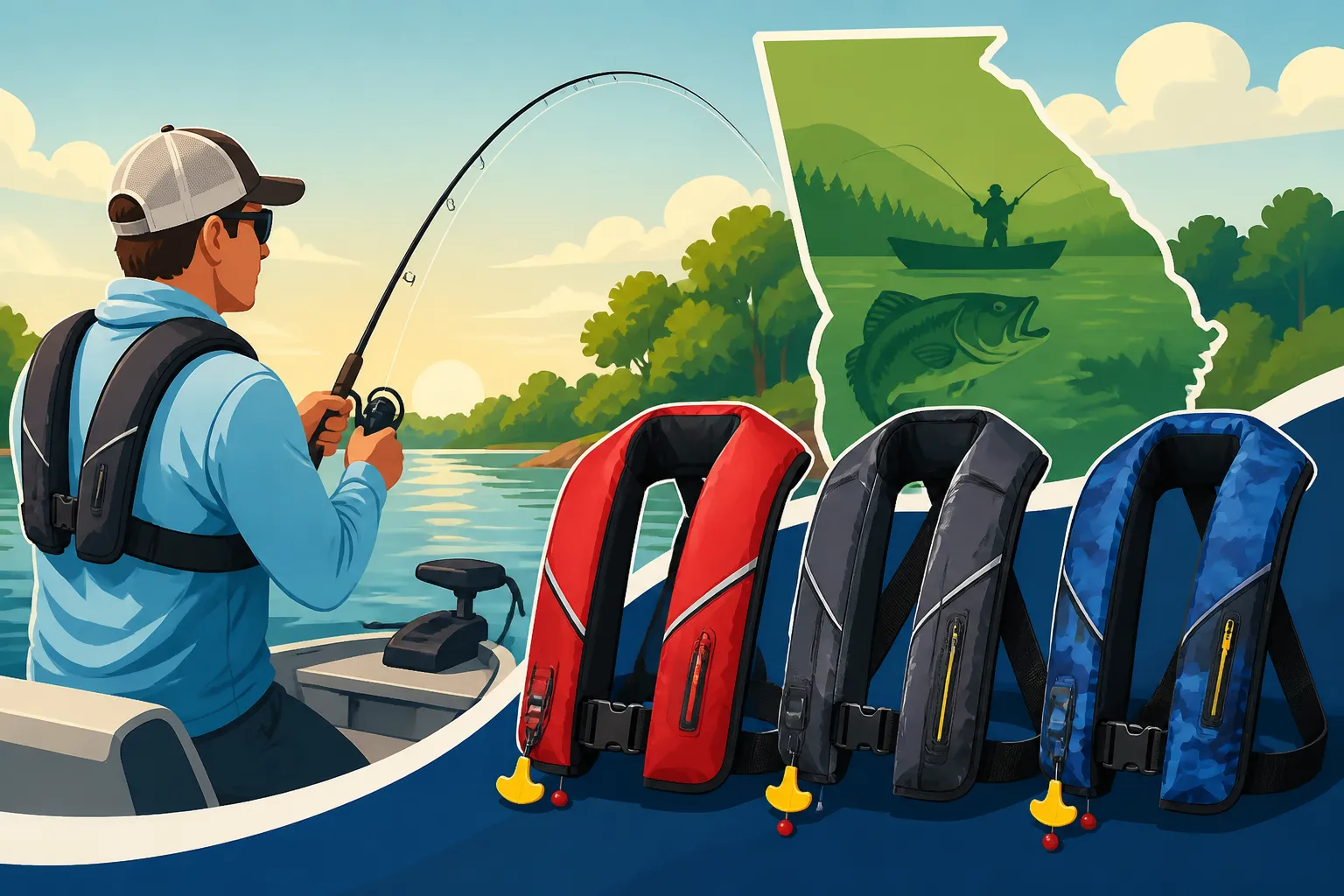
Now, imagine a life jacket that's so streamlined and lightweight, you barely notice you're wearing it. That's the magic of an inflatable PFD. Instead of bulky foam, these devices are designed to be compact and low-profile until they're needed. They typically rest comfortably around your neck and shoulders, or around your waist, leaving your arms and torso free for casting, reeling, and maneuvering your boat or kayak. The breathability is unmatched; there's significantly less material covering your body, allowing air to circulate and heat to dissipate, which is a godsend during those scorching Georgia summers.
This freedom of movement isn't just a luxury; it's a practical advantage. When you're trying to make a precise flip under a dock on Lake Oconee or fighting a stubborn bass that's diving under the boat, every bit of unhindered motion counts. You can focus entirely on the fish and the technique, rather than constantly adjusting an uncomfortable piece of gear. This enhanced comfort means you're far more likely to wear your PFD for the entire duration of your trip, significantly boosting your safety out on the water. Plus, for those of us who also enjoy kayaking or fly fishing in smaller streams, the ability to move freely and easily navigate tricky spots is absolutely paramount. It truly makes a difference whether you're standing on the deck of a bass boat or paddling a Best Kayaks for Fishing Georgia Lakes.
Understanding Different Types of Inflatable Life Jackets
Stepping into the world of inflatable life jackets means discovering that there's more to them than just "it inflates." There are key differences in how they activate and what specific environments they're designed for. Knowing these distinctions is crucial for selecting the right PFD for your unique Georgia fishing adventures, whether you're chasing trout in a mountain stream or battling redfish along the coast.
Manual vs. Automatic Inflation: Choosing Your Activation Style
This is perhaps the most significant choice you'll make when picking an inflatable PFD. Both types rely on a CO2 cylinder to rapidly inflate a bladder, but the trigger mechanism is where they differ.
Manual Inflatable PFDs
A manual inflatable PFD requires you to actively pull a cord or lanyard to activate the CO2 cylinder and inflate the jacket. It's a conscious action, and that's both its biggest strength and its biggest potential weakness.
- Pros:
- No Accidental Inflation: You're in control. This is fantastic if you're frequently getting splashed, wading in shallow water, or fishing in the rain. Imagine getting caught in a sudden downpour on Lake Sinclair; with a manual PFD, you won't suddenly find yourself inflated unintentionally.
- More Affordable: Generally, manual inflatables are a bit less expensive upfront, and their re-arming kits can also be slightly cheaper.
- Good for Waders/Kayakers: If you're wading in the Toccoa River for trout or paddling a kayak and expect to get wet, a manual PFD prevents premature inflation that would interrupt your fishing or paddling.
- Cons:
- Requires Consciousness and Action: If you hit your head or are otherwise incapacitated (a serious fall, sudden medical issue), you might not be able to pull the cord. This is the primary safety concern with manual models.
- Learning Curve: While simple, you do need to know exactly where the cord is and how to pull it in an emergency.
Automatic Inflatable PFDs
Automatic inflatable PFDs are designed to deploy as soon as they are submerged in water. There's a water-soluble bobbin or pill that dissolves when wet, triggering the CO2 cylinder.
- Pros:
- Passive Safety: This is their standout feature. If you fall overboard and are unconscious, injured, or simply disoriented, the PFD will inflate on its own, potentially saving your life without any action required from you. This is a huge advantage for solo anglers or those in colder waters where sudden immersion can be a shock.
- Peace of Mind: Knowing it will deploy automatically can provide an extra layer of security, especially when navigating busy waters like Lake Lanier or on larger vessels.
- Cons:
- Accidental Inflation Risk: Getting splashed by a rogue wave, heavy rain, or even just leaving it in a damp spot on the boat can sometimes trigger an unwanted inflation. This can be annoying and costly, as you'll need a new re-arming kit.
- Higher Cost: Automatic PFDs tend to be more expensive, both initially and for their re-arming kits.
- Not Ideal for Wading/Intentional Water Contact: If you're regularly in and out of the water, like many bank anglers or fly fishermen, an automatic PFD is not practical due to the high risk of false deployment.
Here's a quick comparison:
| Feature | Manual Inflatable PFD | Automatic Inflatable PFD |
|---|---|---|
| Activation | User pulls cord | Submerges in water (some also have manual pull) |
| Cost | Generally lower | Generally higher |
| False Inflation | Low risk, user-controlled | Higher risk from splashes, rain, or damp storage |
| Safety in Incapacitation | Requires conscious effort to activate | Inflates automatically, ideal if incapacitated |
| Best For | Wading, kayaking, fishing in rain/splashes, budget-conscious | Boating where accidental fall is a concern, solo anglers, offshore |
Hydrostatic vs. Saltwater Inflatables: Tailored for Your Waters
Beyond manual and automatic, some automatic PFDs utilize advanced technology, and specific models are designed for the unique challenges of saltwater environments.
Hydrostatic Inflatable PFDs
This is a specific type of automatic inflatable PFD that is designed to be highly resistant to accidental inflation from rain or spray. Instead of a simple water-soluble pill, a hydrostatic PFD requires water pressure to activate the inflation mechanism. This means it needs to be submerged to a certain depth (usually a few inches) before it will deploy.
- Benefits for Georgia Anglers:
- Reduced False Alarms: If you're fishing on a windy day on Clarks Hill Lake and constantly getting spray over the bow, a hydrostatic PFD won't accidentally inflate, saving you the hassle and cost of a re-arming kit.
- Reliable in Rain: You can wear it confidently during a sudden Georgia thunderstorm without worrying about it popping open prematurely.
- High Performance: These are often considered top-tier automatic inflatables, offering a blend of passive safety and reliability.
- Considerations:
- Higher Cost: Hydrostatic PFDs are typically the most expensive type of inflatable PFD.
- Specific Re-arming Kits: They often require specific, sometimes pricier, re-arming kits.
Saltwater-Specific Inflatables
For those who enjoy casting lines in the coastal waters of Georgia, such as around the Golden Isles or near Brunswick, a saltwater-specific inflatable PFD is an excellent choice. These PFDs are built with materials and components that are designed to withstand the corrosive effects of salt spray and saltwater immersion.
- Key Features:
- Corrosion Resistance: Metal components (buckles, CO2 cylinder threads) are often made from corrosion-resistant materials or are specially coated.
- Salt-Resistant Bobbins/Pills: For automatic models, the activation mechanism is designed to perform reliably in saltwater conditions, preventing issues that might arise from salt crystallization.
- Durability: The outer shell fabrics might be more robust to handle the harsher marine environment.
- Why it Matters in Georgia:
Georgia boasts fantastic saltwater fishing, from redfish in the marshes to offshore species. A regular inflatable PFD might degrade faster or have its activation mechanism compromised by the salt over time. Investing in a saltwater-specific model ensures longevity and reliability for your coastal adventures. If you're planning a trip to catch some flounder or sea trout, having the right gear, including a PFD built for that environment, is just smart fishing. Remember, Georgia Saltwater Fishing Permit Guide is a great resource for understanding other coastal rules.
Key Features to Look for in a Georgia-Friendly Inflatable PFD
Choosing the right inflatable life jacket isn't just about how it inflates; it's also about the details that make it truly functional and comfortable for a Georgia angler. From how it fits your body to the little extras that hold your gear, these features can significantly impact your experience on the water.
Comfort and Fit: Beyond Just Staying Afloat
An inflatable PFD's primary job is to keep you afloat, but if it's uncomfortable, you won't wear it. And if you don't wear it, it can't save you. Therefore, comfort and fit are paramount, especially when considering the long hours and diverse conditions you'll encounter fishing across Georgia.
- Adjustability is King: Look for PFDs with multiple adjustment points – shoulder straps, waist straps, and sometimes even chest straps. This allows you to truly customize the fit to your body shape and size, ensuring it sits securely without digging in or riding up. A poorly fitting PFD can chafe, hinder movement, and become a nuisance after only a short time. Imagine trying to set the hook on a lunker bass on Lake Seminole with a PFD constantly shifting around; it's not ideal.
- Lightweight and Low-Profile Design: This is the core appeal of inflatables. Ensure the one you choose truly lives up to this promise. The less bulk, the better, allowing for full range of motion needed for casting, reeling, and even just turning your head to watch for a rise. Many modern designs are incredibly sleek, almost disappearing when worn.
- Flexible and Breathable Materials: In Georgia's often humid and warm climate, the material against your skin matters. Look for soft, flexible fabrics that don't feel stiff or scratchy. Some PFDs incorporate mesh panels or moisture-wicking materials to enhance breathability, keeping you cooler and more comfortable throughout the day. Even in cooler months, a breathable material prevents sweat buildup under layers.
- Closure Types: Most inflatables use either buckle or zipper closures.
- Buckles: Often quicker to put on and take off, and offer a wide range of adjustment.
- Zippers: Can provide a more secure, snug fit that feels more like a vest, but may take a moment longer to don.
Consider what feels most comfortable and secure for you. You'll want something that feels reliable when you're focusing on Best Fishing Spots in Georgia or trying out new Best Fishing Techniques for Georgia Anglers.
USCG Approval and Inflation Indicators
These aren't just features; they're non-negotiables when it comes to safety.
- United States Coast Guard (USCG) Approval: Always, always ensure your inflatable life jacket is USCG approved. This means it has met rigorous safety standards and is recognized as a legitimate PFD. Inflatables are typically Type V PFDs, which provide at least 22 lbs of buoyancy when inflated (compared to the 15.5 lbs of a Type III foam vest). This extra buoyancy can be critical, especially if you're wearing heavy clothing or need extra help staying afloat in rough conditions. Never buy a PFD that doesn't explicitly state its USCG approval. This is fundamental to Georgia Fishing Regulations Explained regarding safety equipment.
- Inflation Indicator: This small, but vital, feature tells you at a glance if your inflatable PFD is armed and ready for use. It's usually a small window or display that shows green when the CO2 cylinder is properly installed and the inflation mechanism is ready. If it shows red, orange, or anything else, it means the PFD is not armed or has been discharged, and needs to be re-armed before use. Regularly checking this indicator (before every trip!) is crucial for ensuring your PFD will work when you need it most. This simple check can be the difference between a safe day and a dangerous situation.
Practical Features for Anglers
Anglers have unique needs, and the best inflatable PFDs are designed with these in mind.
- Pockets, D-Rings, and Attachment Points: A good fishing PFD offers more than just flotation. Look for integrated pockets, especially zippered ones, to safely store small items like your fishing license, a whistle, or an emergency knife. D-rings and other attachment points are incredibly useful for clipping on gear like line nippers, pliers, or a small tackle box. This keeps essential tools within easy reach, preventing you from fumbling around when you need them most. Think about how many times you've wished for an extra hand to hold something; these features provide that convenience.
- Durability of Outer Shell: Your PFD is going to come into contact with hooks, lures, fish, and boat surfaces. The outer shell material should be robust and tear-resistant to withstand the rigors of fishing. A cheap, flimsy material might tear easily, compromising the inner bladder. Brands often use heavy-duty nylon or Cordura for this purpose. While no PFD is entirely hook-proof, a durable shell reduces the risk of accidental punctures.
- Ease of Re-Arming: Eventually, if you use your inflatable PFD (either accidentally or in an emergency), you'll need to re-arm it. This involves replacing the CO2 cylinder and the activation mechanism (if it's an automatic model). Look for models where this process is straightforward and clearly explained in the user manual. Most manufacturers, like those found at Bass Pro Shops or on Amazon, sell specific re-arming kits for their models. Having a few spare Tackle Box Setup for Bass Fishing items and a re-arming kit on hand is always a good idea.
Maintenance and Care for Your Inflatable Life Jacket
An inflatable life jacket is an investment in your safety, and like any critical piece of gear, it needs proper care and maintenance to ensure it performs flawlessly when you need it most. Neglecting these steps can lead to a PFD that fails to inflate or sustains damage, turning a safety device into a false sense of security.
Regular Inspection and Re-arming Kits
Think of your inflatable PFD like the tires on your truck – you wouldn't head out on a long trip without checking them, right? The same goes for your life jacket. Regular inspections are non-negotiable.
- What to Look For: Before every outing, take a few moments to visually inspect your PFD. Check the outer shell for any rips, tears, or abrasions that could compromise the integrity of the inflation bladder. Look at the stitching for any signs of fraying or coming undone. Examine the buckles and straps to ensure they are secure and free from damage. Pay close attention to the inflation indicator – it should always be green, signifying that the CO2 cylinder is properly installed and the mechanism is armed. If it's anything but green, or if the indicator is missing or damaged, it's time for attention.
- Checking the CO2 Cylinder: Carefully remove the CO2 cylinder (following manufacturer instructions) and inspect it. It should be free of rust, dents, or punctures. Weighing the cylinder with a small scale can help confirm it's full; most manufacturers provide a weight specification. If in doubt, replace it. You never want to assume your CO2 cylinder is ready to go.
- The Importance of Re-arming Kits: Every time an inflatable PFD deploys, whether it's for an emergency, an accidental splash, or even just a periodic test (which some manufacturers recommend), you'll need a re-arming kit. These kits contain a new CO2 cylinder and, for automatic models, a new bobbin or pill for the activation mechanism. It's not a one-size-fits-all situation; each PFD model usually requires a specific re-arming kit. Always make sure you buy the correct kit for your particular PFD. Keeping at least one, if not two, spare re-arming kits on hand is highly recommended. You can find these kits at major retailers like Bass Pro Shops, fishing specialty stores, or online marketplaces like Amazon. Having one on your boat or in your tackle bag, alongside your Best Rods and Reels for Georgia Fishing, means you won't have to cut your trip short if your PFD unexpectedly inflates.
Proper Cleaning and Storage
Taking good care of your PFD after your fishing trip is just as important as inspecting it before.
- Freshwater Rinse is Key: After a day on Georgia's lakes, rivers, or especially saltwater, a good freshwater rinse is your best friend. Even if your PFD wasn't submerged, sweat, sunscreen, bug spray, and general grime can accumulate. For saltwater use, a thorough rinse with fresh water helps remove corrosive salt crystals that can damage the fabric and metal components over time. Gently hand wash with mild soap if needed, but avoid harsh detergents or bleach, which can degrade the materials.
- Drying Thoroughly: This step is crucial to prevent mold and mildew, which can not only make your PFD smell terrible but also weaken the fabric and components over time. Hang your PFD in a well-ventilated area, out of direct sunlight, to dry completely. Ensure both the outer shell and, if you've done a test inflation, the inner bladder are bone dry before storing. Never store a damp PFD.
- Storing in a Cool, Dry Place: Once clean and dry, store your inflatable PFD in a cool, dry place away from direct sunlight and extreme temperatures. High heat (like being left in a hot car trunk all summer) can degrade the materials, weaken the CO2 cylinder, or even cause accidental inflation in some automatic models. Cold temperatures, while less damaging, aren't ideal either. A gear closet or a dedicated storage bin in your garage is perfect. Keeping it in a Best Cooler for a Fishing Boat is not. Proper storage extends the life of your PFD and ensures its reliability for countless future A Complete Guide to Fishing in Georgia adventures.
- Avoiding Punctures: Always be mindful of where you place your PFD. Keep it away from sharp hooks, knives, or other objects that could accidentally puncture the inflation bladder. While the outer shell offers some protection, deliberate care goes a long way.
By taking these steps, you're not just preserving your gear; you're actively preserving your safety on the water. A well-maintained inflatable life jacket is a reliable companion that offers comfort, freedom, and, most importantly, peace of mind every time you head out to enjoy the fantastic fishing Georgia has to offer.
Disclaimer
This article is for general informational purposes only and does not constitute professional advice. Laws, prices and regulations vary by location and change over time. Consult a qualified professional for guidance on your specific situation.