Best Boats for Lake Lanier Fishing
Lake Lanier is an incredible fishery, but let's be honest, it's also a beast of a lake. Its sheer size, diverse terrain, and often unpredictable weather can make choosing the right fishing boat feel like a Herculean task. You're not just looking for any boat; you need a vessel that can handle everything from chasing monster stripers in the main lake to quietly pitching jigs in a secluded coves. This guide is here to cut through the confusion and help you understand which boats are best suited for tackling the magnificent waters of Lake Lanier, ensuring your time on the water is productive, safe, and enjoyable.
Understanding Lake Lanier's Unique Challenges and Opportunities
Before we even talk about specific boat types, it's crucial to grasp what makes Lake Lanier such a distinct fishing environment. It's not your average pond or small river; it presents a range of conditions that heavily influence the kind of boat that will serve you best. Knowing these factors will help you make a much more informed decision.
The Sheer Size and Depth of Lanier
Lake Lanier is massive, covering over 38,000 acres and boasting nearly 700 miles of shoreline. This isn't a lake where you can just zip across in a tiny Jon boat without a second thought. The main lake can get incredibly rough, especially on a windy day or when recreational boat traffic picks up. The waves can be substantial, making a smaller, lower-sided boat a potentially uncomfortable, if not dangerous, experience. You need a boat that can cut through chop, provide a stable platform for fishing, and get you from one promising spot to another safely and relatively quickly.
Beyond its surface area, Lanier is also quite deep in many areas. This depth influences where certain fish species, like striped bass, will hold during different seasons. A boat capable of handling deep-water techniques, such as downlining or trolling, will open up a lot more fishing opportunities for you. You'll also encounter numerous humps, submerged timber, and old creek channels, all of which require a boat that can navigate effectively and give you good fish-finding capabilities.
Diverse Fish Species and Habitats
One of the greatest joys of fishing Lake Lanier is the incredible diversity of fish species you can target. From trophy largemouth and spotted bass to hard-fighting striped bass, crappie, and even catfish, there's something for everyone. This variety means that different fishing techniques are employed, and certain boats are better suited for specific styles of angling.
For instance, if your passion is chasing Best Spots for Bass Fishing on Lake Lanier around the abundant structure, a fast, maneuverable boat with a powerful trolling motor might be your priority. If you're solely focused on finding Where to Catch Striped Bass on Lake Lanier, Georgia in the open water, a boat designed for offshore use, even on a lake, might be more appropriate. And for those peaceful days targeting Best Crappie Fishing Spots on Lake Lanier in quiet coves, a stable platform for vertical jigging is key. Your target species and preferred fishing style will significantly narrow down your boat options.
Water Conditions and Weather Considerations
The weather on Lake Lanier can change on a dime, especially during spring and fall. A calm, sunny morning can quickly turn into a windy, choppy afternoon with thunderstorms rolling in. A reliable boat isn't just about catching fish; it's about getting you back to the ramp safely when conditions deteriorate. This means considering hull design for stability, adequate freeboard to keep waves out, and a reliable engine.
Moreover, summer heat can be intense, making shade and comfortable seating important for long days on the water. In contrast, winter fishing demands protection from the cold and elements. While a boat can't control the weather, choosing one with features that enhance your comfort and safety in varying conditions will make your Lanier fishing trips much more enjoyable, no matter what Mother Nature throws your way.
Common Boat Types for Lake Lanier Fishing
Now that we understand the lay of the land, let's dive into the types of boats that most anglers consider for Lake Lanier. Each has its own strengths and weaknesses, making them suitable for different fishing styles and budgets.
Bass Boats: Speed, Power, and Precision
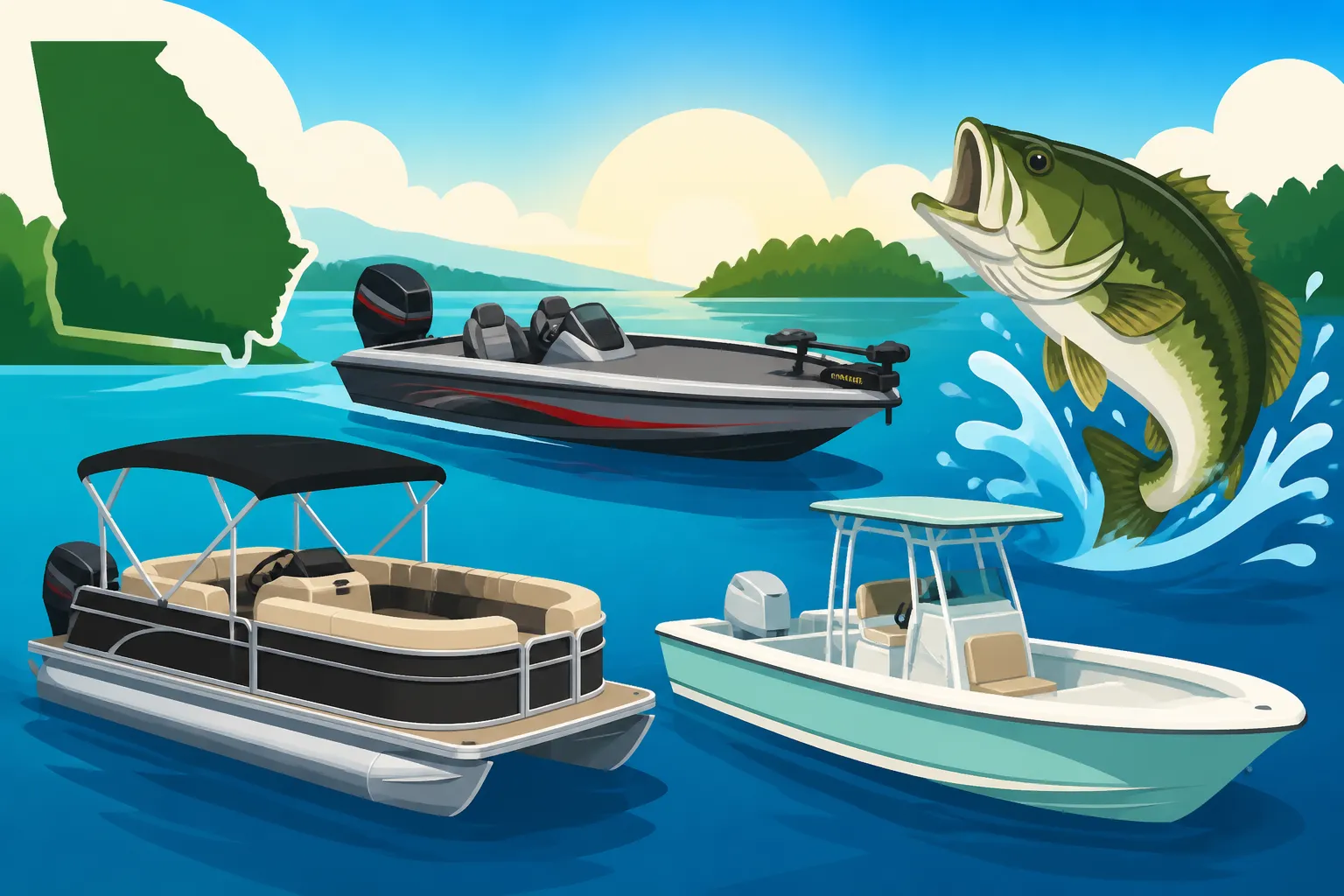
Ah, the quintessential bass boat. If you're serious about bass fishing on Lanier, especially if you enjoy tournaments or covering a lot of water quickly, a bass boat is often at the top of the list. These boats are built for speed, designed with sleek, low-profile hulls that plane out fast and can navigate across the main lake with impressive efficiency. They're also incredibly stable at rest, thanks to their wide, flat decks, which provide a fantastic platform for casting and working lures.
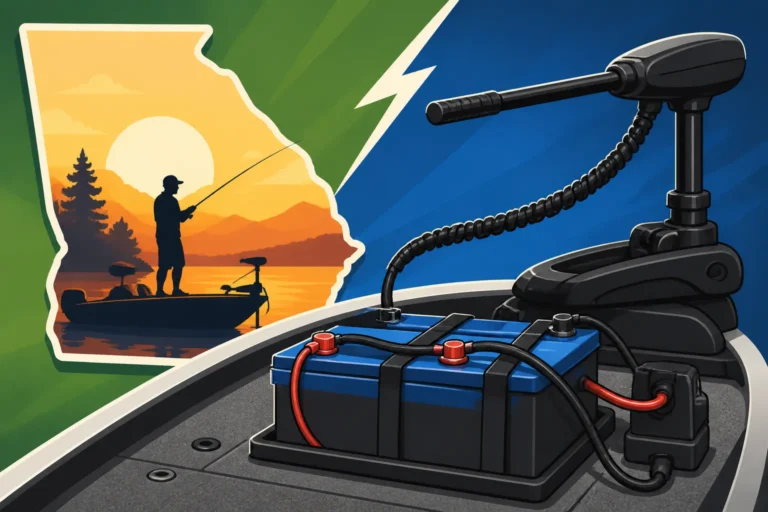
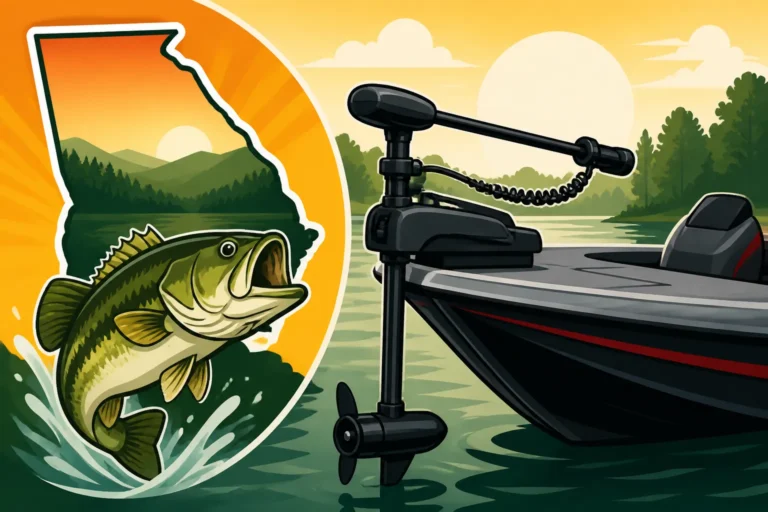
The deck layout of a bass boat is purpose-built for angling, featuring large casting decks, multiple rod lockers, and ample storage for tackle. They typically come equipped with powerful outboard motors for speed and a robust Best Trolling Motor for Georgia Bass Boats for silent, precise boat positioning while fishing. If your goal is to chase largemouth and spotted bass, and you prioritize speed, maneuverability, and a dedicated fishing platform, a bass boat is a strong contender. However, their low freeboard means they can get wet in heavy chop, and they're not ideal for large groups or family pleasure cruising.
Center Console Boats: Versatility for Stripers and More
For anglers who want a versatile boat capable of handling both inshore (or in this case, in-lake) and deeper, open-water conditions, a center console boat is an excellent choice. These boats are characterized by their steering console being centrally located, allowing for 360-degree fishability around the entire boat. Their V-shaped hulls are designed to cut through waves smoothly, offering a much drier and more comfortable ride in rough water than a typical bass boat.
Center consoles shine when targeting striped bass, especially when the fish are holding deep or schooling in open water. They offer higher freeboard, making them safer and more comfortable in bigger waves, and often have more spacious cockpits suitable for multiple anglers or even light family cruising. While not as fast as a dedicated bass boat, many modern center consoles are quick enough to cover Lanier's vast expanses. They provide a fantastic balance of comfort, safety, and fishability, especially if you plan to venture into the lake's deeper, wider sections or prefer multiple fishing styles.
Pontoon Boats: Family Fun and Relaxed Angling
You might be surprised to see pontoon boats on a list for serious fishing, but hear me out! Modern pontoons, especially those designed with fishing packages, have come a long way. They offer unparalleled stability and deck space, making them fantastic for family outings or for anglers who prefer a relaxed, comfortable fishing experience. The expansive, flat deck is perfect for multiple people to fish simultaneously, making them a great option for introducing kids to fishing.
While they won't win any speed races, their stability is a huge advantage for still fishing for crappie, catfish, or even bass in calmer waters. Many fishing pontoons now come with livewells, rod holders, and even dedicated fishing chairs. If your primary goal is to combine family fun and pleasure boating with solid, comfortable fishing opportunities in the coves and less exposed areas of Lanier, a pontoon boat can be a surprisingly effective and enjoyable choice. They're also excellent for bank fishing access points or for simply enjoying a day out on the water.
Kayaks and Smaller Watercraft: Niche Fishing on Lanier
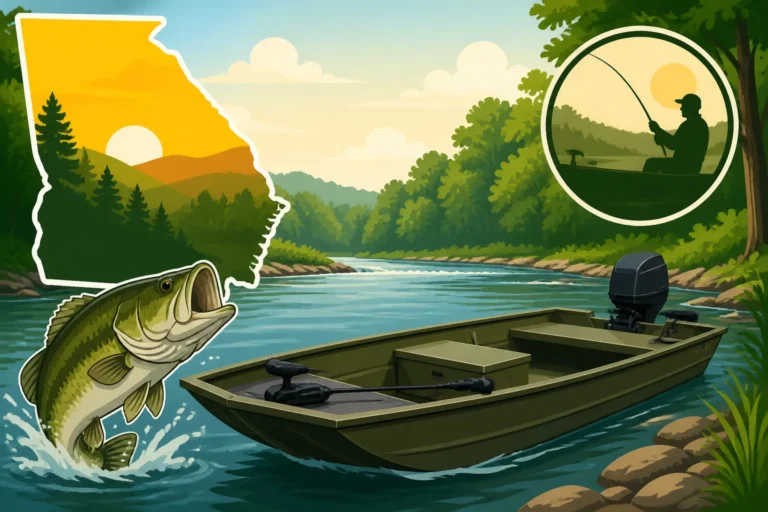
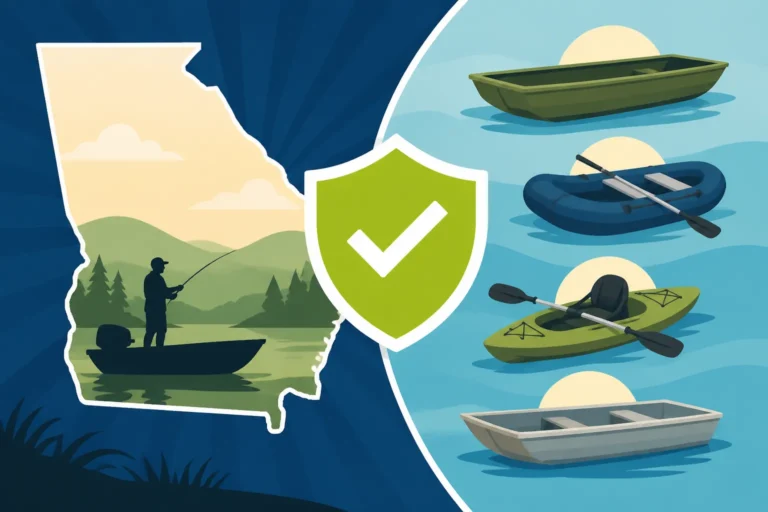
While the larger boats dominate Lanier's main lake, there's a growing community of anglers who find great success and immense satisfaction using smaller, more intimate watercraft. Kayaks, canoes, and small Jon boats offer a unique perspective and access to areas larger boats simply can't reach.
The Advantages of Kayak Fishing
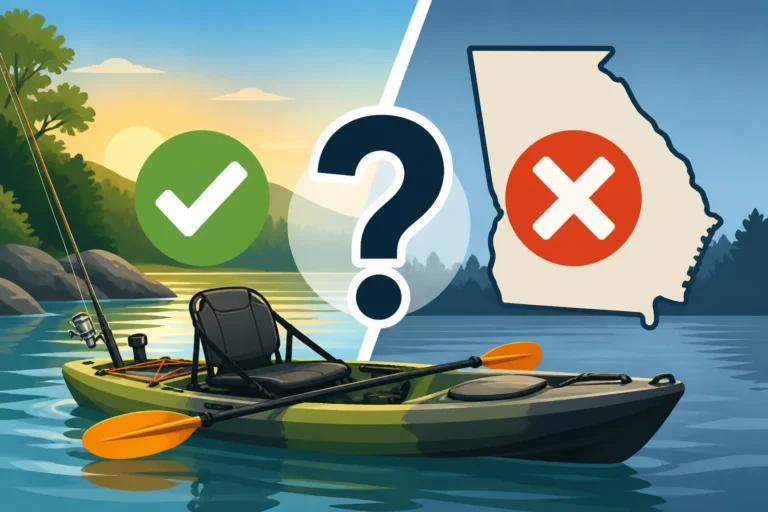
Kayak fishing on Lake Lanier offers a truly immersive and peaceful experience. You're closer to the water, more connected to the environment, and can navigate silently into incredibly shallow water or tight coves where trophy bass might be hiding. Many modern fishing kayaks are incredibly stable, allowing anglers to stand and cast, and come equipped with pedal drives for hands-free propulsion, making it easier to fish while moving.
The cost of entry is also significantly lower than a full-sized boat, and transportation and storage are generally simpler. For anglers who love the challenge of getting into untouched waters, enjoy a bit of a workout, or prefer a minimalist approach, kayak fishing on Lanier can be incredibly rewarding. You can access those small pockets of timber, creek arms, and shallow flats that a big boat can only dream of reaching. Kayak Fishing Gear Checklist for Georgia Anglers is a great resource if you're considering this path.
Considerations for Using Smaller Boats
While kayak fishing is fantastic, it's essential to be realistic about the limitations when on a large lake like Lanier. The main lake can get very rough, and a kayak or small Jon boat can quickly become a safety concern in strong winds or heavy boat chop. Always check the weather forecast before heading out, and consider sticking to more protected coves, creek arms, or within no-wake zones, especially on busy weekends.
You'll also have limited space for gear, which means you need to be very strategic about what you bring. Safety should always be your top priority. Make sure you have a PFD (personal flotation device) – and wear it! – along with other essential safety gear. For kids, ensure they have Best Life Jackets for Kids Boating in Georgia. For longer distances, a larger boat is simply more practical and safer, but for focused, stealthy fishing in specific areas, smaller watercraft can be unbeatable.
Key Features to Look for in a Lake Lanier Fishing Boat
Regardless of the type of boat you lean towards, there are universal features that will greatly enhance your fishing experience and overall enjoyment on Lake Lanier. Don't overlook these details; they can make a huge difference.
Engine Power and Fuel Efficiency
For a lake as vast as Lanier, you need an engine that can get you where you're going efficiently and reliably. A powerful outboard motor is crucial, especially if you plan on covering a lot of ground or need to outrun a sudden storm. Look for engines that offer a good balance of horsepower and fuel efficiency. You don't want to spend half your fishing budget at the gas pump, especially if you're making long runs across the lake.
Consider the engine size recommended for the boat's hull. Underpowering a boat can be just as problematic as overpowering it, affecting planing, top speed, and overall performance. Reliable starting and smooth operation are also paramount, so researching engine brands and their reputations for durability is a smart move. When you're miles from the nearest ramp, a dependable engine is your best friend.
Storage, Livewells, and Deck Space
A good fishing boat needs to be organized, and that starts with smart storage solutions. You'll accumulate a lot of gear: rods, reels, tackle boxes, coolers, safety equipment, and personal items. Look for boats with ample, easily accessible storage compartments that can keep your gear dry and secure. Rod lockers are invaluable for protecting your expensive rods and keeping the deck clutter-free.
For serious anglers, a well-designed livewell system is non-negotiable, especially if you're fishing tournaments or plan to keep your catch fresh. Look for aerated livewells with good capacity and reliable pumps. Finally, consider the deck space and layout. Is there enough room to move around comfortably? Are the casting decks large and stable? Can multiple anglers fish without getting in each other's way? These practical considerations often define how enjoyable your actual fishing time will be.
Electronics and Navigation Systems
In today's fishing world, electronics are your eyes and ears underwater. A good fish finder or sonar unit is absolutely essential for navigating Lanier's complex underwater topography and locating fish. Look for units with clear displays, good depth penetration, and features like side imaging or down imaging to help you identify structure and fish. Best Fish Finder for Lake Lanier is a topic many Lanier anglers debate fiercely, but having something is better than nothing.
GPS navigation is also critical, especially on a large lake with many islands and coves. A reliable GPS will help you mark waypoints, follow productive routes, and, most importantly, find your way back to the ramp, especially in low light or fog. Integration with your trolling motor (like a "spot-lock" feature) can be a game-changer for staying on prime fishing spots. Many boats can be rigged with sophisticated electronics, and even if you start with basic models, ensure your boat has the capacity and mounting options for future upgrades. You can find a vast array of marine electronics on platforms like Amazon.
Essential Safety and Comfort Gear for Lanier Boating
Beyond the boat itself, having the right safety and comfort gear is non-negotiable for anyone spending time on Lake Lanier. Safety should always be your number one priority, followed closely by making your experience as enjoyable as possible.
Life Jackets, Fire Extinguishers, and Emergency Supplies
Let's talk safety first. No matter how experienced you are, accidents can happen. Having enough Coast Guard-approved life jackets for everyone on board is not just a good idea, it's the law. For instance, How Many Life Jackets Do You Need on a Boat in Georgia is a critical question to know the answer to. Children under a certain age are also required to wear them at all times. Make sure they are easily accessible and fit properly.
Beyond life jackets, a marine fire extinguisher is mandatory for most motorized boats and can be a lifesaver in an emergency. Make sure it's fully charged and readily available. Other essential emergency supplies include a whistle or horn, visual distress signals (flares or a flag), a first-aid kit, a paddle, and a bailing device. Consider having a marine radio or a fully charged cell phone in a waterproof bag, though cell service isn't always reliable in every corner of the lake. These items aren't just for checking a box; they're for your protection. Many of these items can be found at outdoor retailers like Bass Pro Shops.
Sun Protection and Weather Gear
Georgia summers can be brutal, and the sun reflecting off the water intensifies UV exposure. Investing in good sun protection is crucial for your health and comfort. This includes broad-brimmed hats, UV-protective clothing, polarized sunglasses, and high-SPF sunscreen. Long days on the water without proper protection can lead to severe sunburn and heat exhaustion, quickly turning a fun trip into a miserable one.
Equally important is having appropriate weather gear. Even on a sunny day, a sudden downpour can leave you soaked and chilled. Pack rain gear – a good quality waterproof jacket and pants – even if the forecast looks clear. A waterproof bag for your electronics, wallet, and keys is also a smart investment. For cooler months, layers of clothing are key to staying warm and comfortable. Being prepared for varying weather conditions means you can extend your time on the water and react to unexpected changes without cutting your trip short.
Choosing the best boat for Lake Lanier fishing truly depends on your individual priorities, fishing style, and budget. Whether you opt for the speed and precision of a bass boat, the versatility of a center console, the family-friendly comfort of a fishing pontoon, or the stealthy access of a kayak, understanding Lanier's unique characteristics and prioritizing safety will ensure you have a fantastic time pursuing your passion. The lake offers incredible opportunities, and with the right vessel, you'll be ready to tackle them head-on. Don't forget to secure your Georgia Fishing License Guide before you hit the water!
Disclaimer
This article is for general informational purposes only and does not constitute professional advice. Laws, prices and regulations vary by location and change over time. Consult a qualified professional for guidance on your specific situation.