Georgia Boat Registration for Out-of-State Buyers
It can be incredibly confusing to figure out how to register your boat in a new state, especially if you've just purchased it from an out-of-state seller or you're bringing your beloved vessel into Georgia from elsewhere. Many folks worry about sales tax implications, what documents are actually needed, and if their previous state's paperwork is even valid. This guide is here to untangle that knot, walking you through everything an out-of-state buyer needs to know to get their boat legally registered in the Peach State.
Understanding Georgia's Boat Registration Requirements
Navigating the waters of boat registration in a new state can feel like trying to fish without a hook – you know what you want to do, but you're missing a crucial piece. Georgia has its own set of rules, and understanding them from the outset will save you a lot of headaches down the line. It's not just about getting a sticker; it's about adhering to state law and ensuring your enjoyment on the water is uninterrupted.
Who Needs to Register a Boat in Georgia?
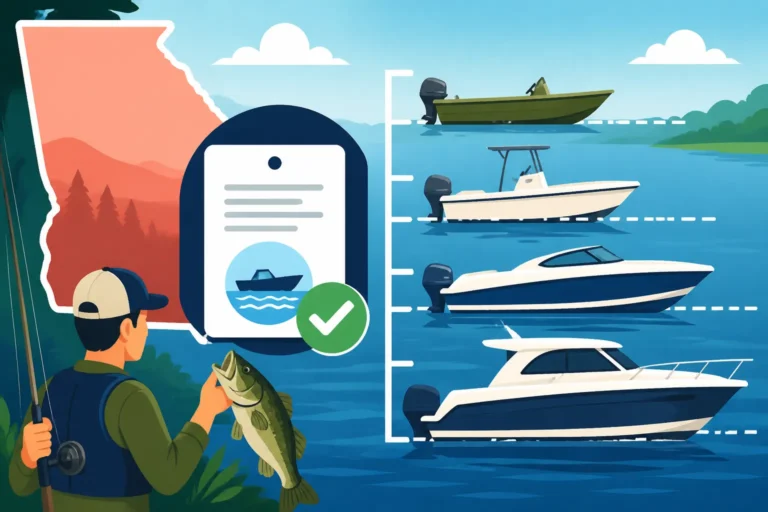
Let's start with the basics: does your boat even need to be registered in Georgia? Generally, any motorized vessel, sailboat over 12 feet long, or personal watercraft (PWC) that is principally operated on Georgia's public waters must be registered. This isn't just for boats bought within Georgia; it absolutely applies to boats purchased out-of-state that will be primarily used here.
Now, what does "principally operated" mean for you, the out-of-state buyer? It typically means if your boat is used on Georgia waters for 60 consecutive days or more, regardless of where you bought it or if you still hold an out-of-state registration. So, if you're moving to Georgia, buying a boat out-of-state to bring here, or even if you have a vacation home in Georgia where your boat will be kept for extended periods, you'll need to transfer or obtain a Georgia registration. There are some exceptions for non-motorized vessels like canoes or kayaks, but if it has an engine, or it's a longer sailboat, assume registration is required.
Key Documents Required for Registration
This is where many out-of-state buyers hit their first snag. The documents you need aren't just a simple form; they tell the story of your boat's ownership and history. Without the right paperwork, your application will just float aimlessly. Whether you bought your boat new or used, and where you bought it, dictates precisely what you need to provide.
For a new boat purchased out of state, you'll absolutely need the Manufacturer's Statement of Origin (MSO), often called a Manufacturer's Certificate of Origin (MCO). This is like a birth certificate for your boat. If it's a used boat, you'll need the original title, properly signed over to you by the previous owner, and often the previous registration. Every transaction needs a clear chain of custody, and Georgia wants to see it.
The most critical document for almost any registration is a bill of sale. This document proves the purchase, lists the boat's vital statistics (hull identification number or HIN, make, model, year), and states the purchase price, which is crucial for sales tax assessment. Make sure it's clear, comprehensive, and includes contact information for both buyer and seller. Without a solid bill of sale, the entire process can stall out. For a detailed look at what's needed, check out our guide on What Documents You Need to Register a Boat in Georgia.
Here's a quick overview of common documents you'll need:
| Document Type | Purpose | Notes for Out-of-State Buyers |
|---|---|---|
| Application for Boat Registration/Title | Official form requesting Georgia registration/title | Available online from the GA DNR website. Fill out completely. |
| Bill of Sale | Proof of purchase and ownership | Essential. Must clearly identify boat, buyer, seller, and price. |
| Manufacturer's Statement of Origin (MSO/MCO) | For new boats, establishes first ownership and specifications | Crucial for first-time titling and registration. |
| Out-of-State Title | For used boats, establishes prior ownership and transfer | Must be original and properly assigned/endorsed to you. |
| Proof of Sales Tax Payment | Documentation of sales tax paid in prior state (if applicable) | May reduce or eliminate GA sales tax if reciprocity applies. |
| Proof of Identity | Driver's License or State ID | Required for verification, especially for in-person applications. |
The Step-by-Step Registration Process for Out-of-State Buyers
Now that you know what's required, let's walk through the actual process. It can feel like a lot of hoops to jump through, but tackling it step-by-step makes it much more manageable. Think of it like a methodical approach to finding the perfect fishing spot – preparation is key!
Initial Steps: Gathering Your Paperwork
Before you even think about submitting anything, you need to meticulously gather all your documents. This is not the time for "I think I have it somewhere." Go through your bill of sale, MSO or previous title, and any other supporting documents with a fine-tooth comb. Ensure all signatures are present, dates are correct, and all boat details (like the HIN) match across all documents. Any discrepancy can cause delays.
If you're unsure about a specific document or a detail on it, it's always better to clarify before submission. Contacting the Georgia Department of Natural Resources (DNR) directly is your best bet for official guidance. They can confirm exactly what is needed for your unique situation, especially concerning out-of-state purchases. Double-check everything, just like you would ensure your fishing knot is tied perfectly before a big catch.
Submitting Your Application: Online, Mail, or In-Person
Once your paperwork is organized, it's time to submit. Georgia offers a few convenient ways to do this. The most popular method for many is online, which allows you to process your application and pay fees electronically. This can be a real time-saver. You can typically find the official portal on the Georgia DNR website. If you're wondering Can You Register a Boat Online in Georgia?, the answer is usually yes, for many transactions!
Alternatively, you can submit your application via mail. This method requires careful attention to detail, as you'll be sending original (or certified copies of) critical documents. Make sure you use a trackable and insured mailing service to protect your valuable paperwork. Finally, if you prefer a more personal touch or need assistance with complex issues, you can visit a local authorized Georgia DNR or license agent in person. They can often help you review your documents and ensure everything is in order before submission. You can often find these agents in various retail locations, much like finding a great selection of boating gear at a Bass Pro Shops or a local sporting goods store.
Receiving Your Registration and Decals
After you've submitted your application and it's been processed, the waiting game begins. Once approved, you'll receive your Georgia boat registration certificate and the decals you need to display on your vessel. The registration certificate is a crucial document that proves your boat is legally registered in the state. Keep it onboard your vessel at all times when operating, as marine patrol officers can and will ask to see it.
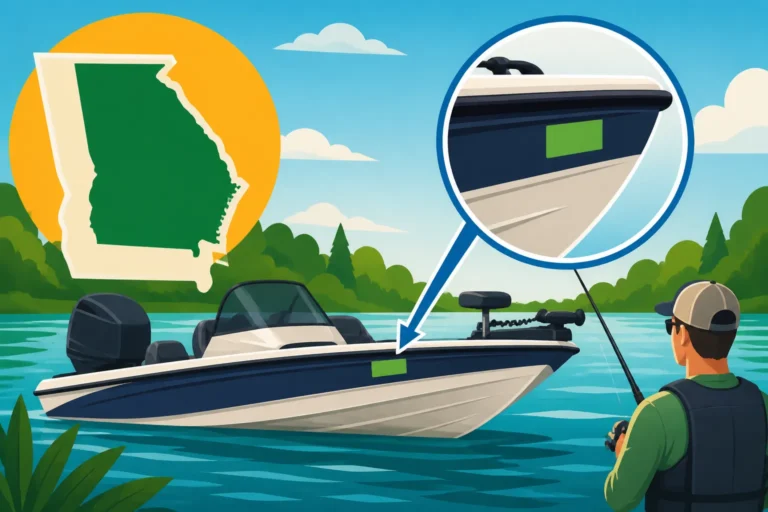
The decals are equally important. These are typically stickers that show the current year of your registration. They need to be affixed to your boat's hull in a specific location, usually on the forward half of the vessel on both sides, clearly visible. There are specific rules about Where to Display Your Georgia Boat Decal Correctly, so make sure you follow those guidelines to avoid any potential fines. Think of it like applying a new lure to your line – placement matters!
Important Considerations for Out-of-State Buyers
Beyond the basic steps, there are a few nuanced aspects that out-of-state buyers often overlook. These can lead to unexpected costs or delays if not addressed upfront. Being prepared for these details can make your transition to Georgia boating much smoother.
Sales Tax and Fees
This is often a big point of confusion. Many out-of-state buyers assume that if they paid sales tax in their previous state, they won't owe it again in Georgia. Unfortunately, this isn't always the case. Georgia has its own sales and use tax laws. If you paid less than Georgia's current sales tax rate in your previous state, you might owe the difference. In some instances, depending on the reciprocal agreements, you might owe the full Georgia sales tax. This tax is typically calculated based on the purchase price listed on your bill of sale.
In addition to sales tax, there are registration fees that vary based on the length of your boat and the duration of the registration. These fees are separate from any sales tax. For a general understanding of what these costs look like, our guide Georgia Boat Registration Fees by Boat Length can provide some helpful context, though actual amounts will need to be verified with the GA DNR. It's always a good idea to budget for these potential costs when purchasing a boat from out of state and bringing it to Georgia.
Georgia Boat Titling Process Explained
It's important to understand that in Georgia, boat registration and boat titling are two distinct, though often intertwined, processes. While all applicable boats need to be registered, only certain boats also need to be titled. For instance, all motorized vessels are generally required to be titled, ensuring clear proof of ownership. This is similar to how you would title a car.
If you're an out-of-state buyer, especially with a used boat, you'll likely need to transfer the existing title into your name in Georgia. This establishes your legal ownership in the state. If your boat was previously registered in a state that doesn't issue titles, Georgia will often issue a first-time title for it, provided you have all the necessary proof of ownership like the MSO or a robust bill of sale. Understanding Georgia Boat Titling Process Explained is key to a smooth ownership transfer.
Temporary Permits and Grace Periods
Let's say you've just bought a boat out-of-state and you're driving it straight to Georgia. What if you want to get it on the water right away? Georgia does have provisions for temporary permits or grace periods, but these are usually very limited. For newly purchased boats, you can typically get a temporary operating permit that allows you to use the boat while your registration and titling application is being processed. This temporary permit usually has an expiration date, often 60 days, giving you enough time for the official paperwork to come through.
However, relying on these grace periods if you've simply moved your boat into Georgia for extended use without applying for registration is risky. The 60-day rule for "principally operated" on Georgia waters means you should initiate the registration process as soon as possible, rather than waiting until the last minute. Always check the most current regulations for temporary permit availability and restrictions, which you can usually find on the Georgia DNR website or through official documentation, similar to how you'd look up specific product details on a retailer like Amazon.
Avoiding Common Pitfalls and Staying Compliant
Nobody wants to deal with fines or having their fishing trip cut short because of paperwork issues. Being proactive and informed is your best defense against potential problems when registering your boat as an out-of-state buyer.
Mistakes to Avoid When Registering from Out of State
One of the biggest mistakes is assuming that because your boat is registered in another state, it's automatically compliant in Georgia indefinitely. As we discussed, if your boat is principally used on Georgia waters for 60 consecutive days, you need Georgia registration. Don't fall into the trap of thinking your out-of-state tags will cover you forever if you're a long-term user here.
Another common pitfall is incomplete or incorrect paperwork. Missing signatures, incorrect HINs, or incomplete bills of sale are surefire ways to get your application rejected and delay your time on the water. Always double-check every line and ensure all identifying information about the boat and owners is consistent across all documents. It’s better to spend a little extra time upfront confirming details than to deal with the frustration of repeated rejections.
Maintaining Your Registration: Renewal and Changes
Once you've successfully registered your boat in Georgia, your responsibility doesn't end there. Just like a good fishing reel needs regular maintenance, your boat registration needs to be renewed periodically. Georgia boat registrations typically last for a set period, after which you'll need to renew them to keep them active. You'll usually receive a renewal notice by mail or email when it's approaching time to renew.
If you change your address, change ownership of the boat, or make significant modifications to your vessel, you often need to update your registration information. Keeping your details current ensures that state authorities can reach you and that your registration accurately reflects your vessel. Our article How to Renew Your Georgia Boat Registration provides comprehensive steps on keeping your registration active and compliant.
Penalties for Non-Compliance
Operating an unregistered or improperly registered boat in Georgia can lead to various penalties, ranging from fines to potentially having your boat impounded. Marine patrol officers are vigilant, and ignorance of the law is generally not considered a valid excuse. The fines can add up, and the hassle of dealing with legal issues can quickly ruin your boating enjoyment.
It's simply not worth the risk. Ensuring your boat is properly registered and titled is a small investment of time and money compared to the potential headaches and costs of non-compliance. Don't let a simple oversight turn your passion for boating into a legal nightmare. For more on what happens if you're caught, consider reading What Happens if You Don't Register Your Boat in Georgia.
Disclaimer
This article is for general informational purposes only and does not constitute professional advice. Laws, prices and regulations vary by location and change over time. Consult a qualified professional for guidance on your specific situation.