Channel Catfish Identification and Habits
It can be incredibly frustrating to reel in a fantastic catfish, only to find yourself staring at it, wondering if you've landed a true Channel Cat, a Blue, or even a Flathead. These whiskered wonders can look quite similar, especially to the untrained eye, leading to confusion about identification and even fishing regulations. This guide is here to clear up that mystery, giving you all the insider knowledge on how to confidently identify Channel Catfish in Georgia, understand their typical behaviors, and know where to find them.
Identifying Channel Catfish: What to Look For
Spotting a Channel Catfish in Georgia waters isn't always as straightforward as you might think. While they have some very distinct features, these can change as the fish ages or depending on its environment. Knowing the subtle differences is key to proper identification, especially when you're on the water and trying to figure out what you've just hooked.
Distinctive Physical Characteristics
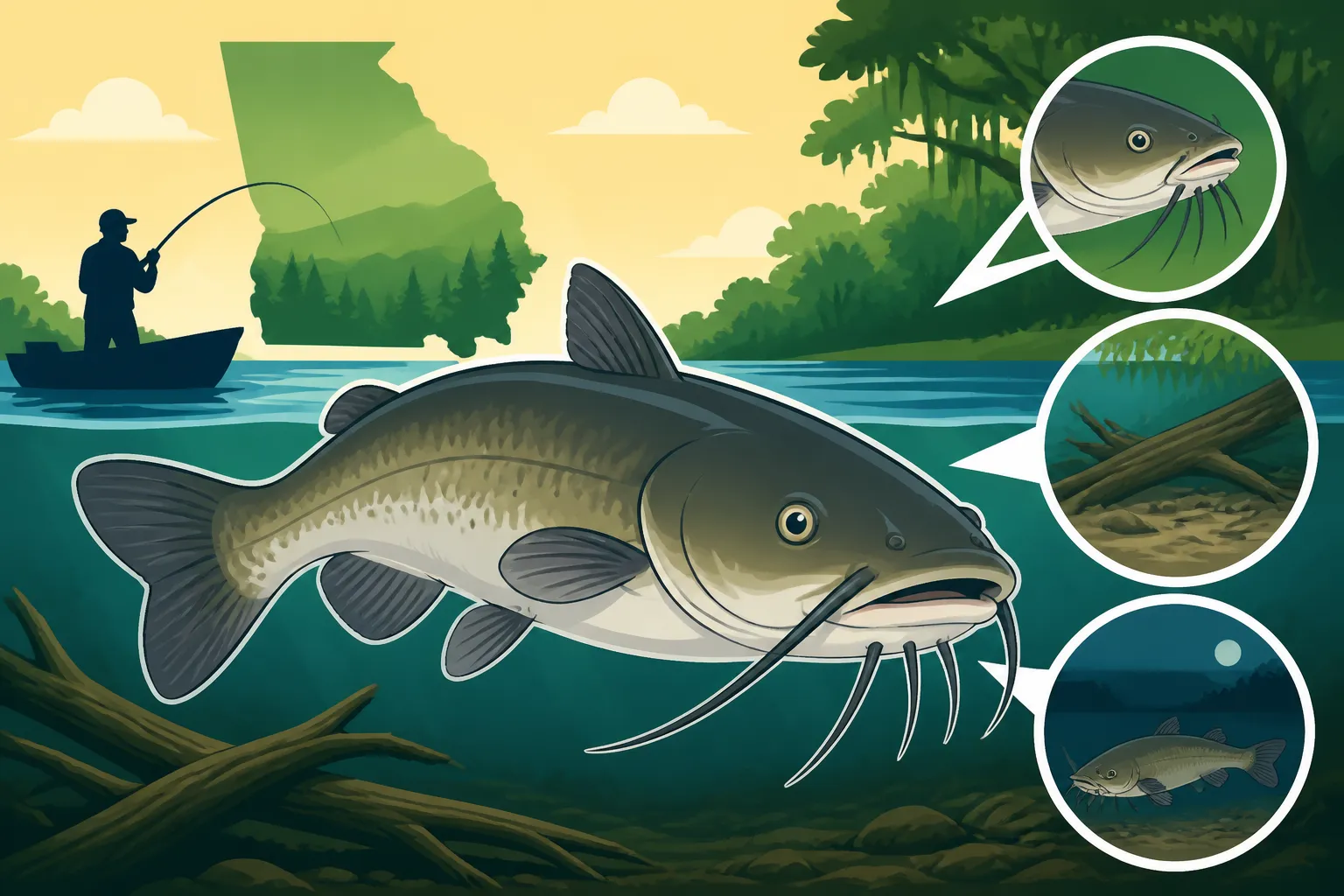
The most defining feature of a Channel Catfish, and often the easiest to spot, is its deeply forked tail. Unlike the rounded or slightly notched tails of Flathead Catfish, or the less dramatically forked tail of a Blue Catfish, the Channel Cat's tail splits into two sharp, pointed lobes. It's almost like a "V" shape, very pronounced. Another tell-tale sign, especially in younger or medium-sized Channel Cats, is the presence of small, dark spots scattered across their silvery-olive to grayish-blue bodies. These spots tend to fade as the fish gets older and larger, often disappearing entirely on very mature specimens, which can make identification a bit trickier.
Beyond the tail and spots, take a look at the anal fin. This is the fin located on the underside, behind the anus. A Channel Catfish will have an anal fin with 24 to 29 rays, and it will have a distinct, somewhat rounded or curved edge. Their heads are generally smaller and more pointed compared to the broader, flatter heads of Flathead Catfish. They also have eight barbels around their mouths – two on the snout, two near the corners of the mouth, and four on the chin – which are essentially whiskers that help them taste and feel their way around murky water. Their overall body shape is sleek and streamlined, built for active foraging.
Size and Weight Expectations in Georgia
When it comes to size, Channel Catfish in Georgia can range from pan-sized fish perfect for a fry-up to respectable trophies. A typical Channel Cat you might catch in a pond or river could be anywhere from a pound to five pounds. However, in larger reservoirs and rivers with abundant food sources, they can grow considerably bigger. It's not uncommon to land Channel Cats in the 10 to 20-pound range, and occasionally, even larger ones turn up.
While they can certainly grow to impressive sizes, it's important to understand that they don't generally reach the colossal weights that Blue Catfish or Flathead Catfish can achieve. A 50-pound Channel Cat would be an absolute behemoth and extremely rare, whereas a Blue Cat of that size, while still a trophy, is more within the realm of possibility. Knowing these general size expectations can often give you an initial clue when you're trying to figure out if that big catfish on your line is a Channel or something else. Many anglers get excited by a heavy fight, only to find it's a large Channel Cat, which is still a fantastic catch! You can learn more about how big these fish can get in Channel Catfish Size in Southern Reservoirs.
Where Channel Catfish Live and Thrive in Georgia
Channel Catfish are truly adaptable creatures, which is one of the reasons they're so prevalent and popular among Georgia anglers. They aren't picky about just one type of environment, making them accessible to a wide range of fishing enthusiasts, whether you prefer lakes, rivers, or even smaller ponds.
Preferred Habitats
Channel Cats are incredibly versatile and can be found in almost any freshwater habitat in Georgia. They really thrive in warm, slow-moving waters, making them perfectly suited for many of our state's lakes, reservoirs, and larger river systems. Look for them in areas with muddy or sandy bottoms, as they love to scour the bottom for food. They'll often congregate around submerged structure like logs, brush piles, rock formations, and even old tires or debris, using these spots for cover and as ambush points.
Current breaks, where the water slows down a bit, are also prime real estate for Channel Cats. This could be behind a sandbar, a large rock, or along the inside bend of a river. In lakes, they'll often hold in deeper channels, humps, and points, especially those with some kind of cover nearby. Don't overlook the shallow flats in low-light conditions, as they'll move up to feed. During the heat of summer, they might retreat to deeper, cooler waters, but they'll still be looking for structure or current that brings food their way.
Common Georgia Waters
You'd be hard-pressed to find a major body of freshwater in Georgia that doesn't hold a healthy population of Channel Catfish. They are truly ubiquitous. Some of the most renowned spots for consistent Channel Catfish action include the expansive waters of Lake Sinclair, where anglers often target them in various depths, and the mighty Altamaha River, which is teeming with diverse fish species, including plenty of catfish. The Ocmulgee River and Flint River are also fantastic river systems where Channel Cats thrive alongside other native fish.
Even smaller community fishing ponds and state park lakes across Georgia are frequently stocked with Channel Catfish, making them excellent spots for family fishing trips or for beginners looking to get into catfishing. They are a staple of Georgia's angling scene, offering a reliable and often exciting catch. For a deeper dive into finding the whiskered giants, check out Best Catfish Fishing Spots in Georgia.
Understanding Channel Catfish Behavior and Feeding Habits
Knowing how Channel Catfish behave and what they like to eat is half the battle when it comes to consistently catching them. They're not always the most aggressive biters, but their keen senses and opportunistic nature make them a fun and rewarding target once you understand their patterns.
Diet and Feeding Preferences
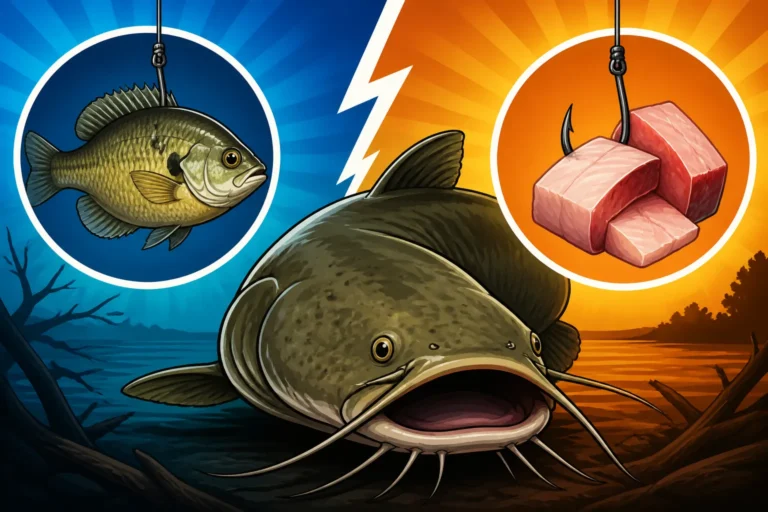
Channel Catfish are true omnivores and opportunistic feeders, which means they're not particularly picky about what they'll eat. This is fantastic news for anglers because it means you have a wide range of bait options at your disposal. Their diet primarily consists of insects, crustaceans (like crawfish), small fish, and even plant matter. They're also notorious scavengers, readily devouring dead or decaying organic material, which is why "stink baits" are so incredibly effective.
When it comes to bait, the classics are often the best. Nightcrawlers, chicken livers, and cut bait (pieces of shad, bream, or other oily fish) are perennial favorites. You can also find a huge variety of commercially prepared stink baits, often in paste or dip form, that mimic their preferred scents. Some anglers even use hot dogs or small pieces of cheese, especially when fishing for smaller, pan-sized cats. The key is to present a bait that has a strong scent, as their barbels are highly sensitive chemoreceptors that help them locate food in dark or murky water. Finding quality baits can sometimes be a challenge, but you can often find a good selection of specialized catfish baits and accessories on platforms like Amazon to stock your tackle box.
Activity Patterns and Best Fishing Times
While Channel Catfish are often thought of as primarily nocturnal feeders, that's not entirely accurate. They are definitely more active during low-light conditions, such as dawn, dusk, and throughout the night, which makes night fishing a fantastic option for targeting bigger cats. During these times, they'll move into shallower areas to forage. For tips on fishing in the dark, check out Night Fishing Techniques for Catfish.
However, you can absolutely catch Channel Cats during the daytime, especially on overcast days, after a rain, or when the water is a bit stained. In bright conditions, they tend to retreat to deeper, cooler waters or seek out shaded areas under structure. The best times of day can vary depending on the season, water temperature, and local conditions, but generally, early morning and late evening are excellent bets. If you're fishing during the day, focus on areas with cover or deeper channels. No matter the time of day, a patient approach and a good understanding of where they'll likely be holding are your best assets.
Differentiating Channel Cats from Other Georgia Catfish
This is where many anglers, even seasoned ones, can get tripped up. Georgia is home to several species of catfish, and while they share some general characteristics, there are crucial differences that help in accurate identification. Knowing these distinctions isn't just for bragging rights; it can sometimes be important for understanding specific regulations or for refining your fishing techniques.
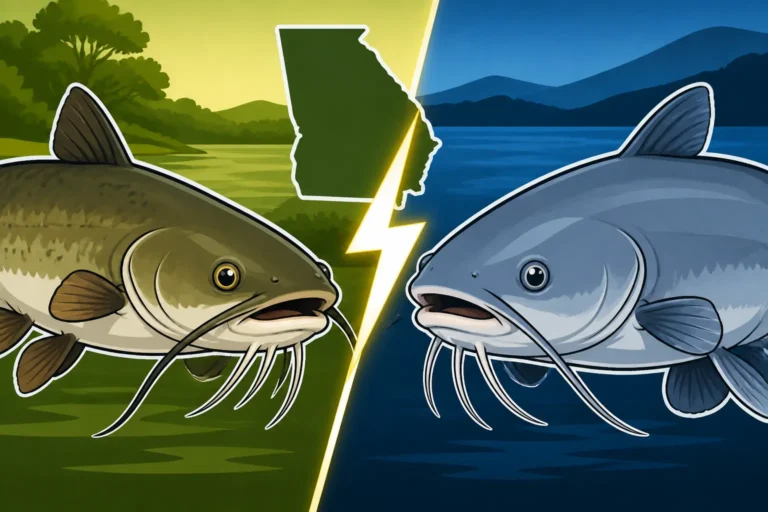
Channel Catfish vs. Blue Catfish
The most common point of confusion is often between Channel Catfish and Blue Catfish. Both species can have a silvery-gray to bluish coloration, and both have forked tails, but there are distinct features that set them apart.
Here's the breakdown:
- Tail: While both have forked tails, the Channel Catfish's fork is typically deeper and more pronounced, forming a sharper "V." The Blue Catfish's tail is also forked, but it's usually less deeply incised and more symmetrical.
- Anal Fin: This is arguably the most reliable identifier. Count the rays on the anal fin (the fin on the underside near the tail). A Channel Catfish will have 24 to 29 rays, and the edge of its anal fin will be rounded or slightly curved. A Blue Catfish, on the other hand, will have a much longer anal fin with a straighter, almost flat edge, and typically 30 to 35 rays. This is a key difference to remember.
- Spots: Younger Channel Catfish almost always have dark spots on their body, which tend to fade with age. Blue Catfish generally do not have spots, regardless of their age, and usually maintain a more uniform steel-blue to gray coloration.
- Head Shape: Blue Catfish often have a more pronounced hump on their back, right behind their head, giving them a more "blocky" appearance compared to the sleeker Channel Cat.
- Size: Blue Catfish are notorious for growing much larger than Channel Catfish. While Channel Cats can reach 20+ pounds, Blue Cats frequently exceed 50 pounds in many Georgia reservoirs and rivers, with some specimens topping 100 pounds.
Understanding these differences is crucial, and it's something many anglers learn over time. For more specific comparisons, refer to Channel Catfish vs Blue Catfish: Key Differences.
Channel Catfish vs. Flathead Catfish
Differentiating Channel Cats from Flathead Catfish is usually a bit easier, as Flatheads have some very obvious distinctions. They are almost like a different beast altogether.
Here are the primary differences:
- Head Shape: The name says it all! Flathead Catfish have a distinctly wide, flattened head, almost shovel-like. Channel Catfish have a more conical or rounded head.
- Lower Jaw: Flatheads have a prominent, protruding lower jaw that extends beyond their upper jaw. Channel Cats have upper and lower jaws that are roughly equal in length, or the upper jaw might slightly protrude.
- Tail: This is another major one. Flathead Catfish have a squared-off or very slightly notched tail, never deeply forked like a Channel Catfish. Their tail often looks broad and paddle-like.
- Body Coloration: Flatheads typically have a mottled, yellowish-brown to dark brown coloration with darker spots and blotches, providing excellent camouflage against timber and rocky bottoms. Channel Cats are more uniformly silvery-gray or bluish with distinct spots (when young).
- Diet: Flatheads are almost exclusively piscivorous predators, meaning they primarily eat live fish. Channel Catfish are omnivores and scavengers. This difference in diet often dictates the types of baits you'd use for each. While a Flathead might occasionally take cut bait, live bait is generally preferred. You can find robust live bait hooks and other gear for such endeavors on Amazon.
- Habitat: While there's overlap, Flatheads are much more strongly associated with heavy cover, particularly woody debris and rock piles in rivers and larger creeks, often lying in ambush.
By paying close attention to these key features – the tail, the anal fin, the presence or absence of spots, and the head shape – you'll become much more proficient at identifying the Channel Catfish you pull from Georgia's waters. It's a rewarding skill that adds to the enjoyment of every fishing trip!
| Feature | Channel Catfish | Blue Catfish | Flathead Catfish |
|---|---|---|---|
| Tail Shape | Deeply forked, sharp "V" | Moderately forked, less pronounced | Squared-off or slightly notched, not forked |
| Anal Fin Rays | 24-29 rays | 30-35 rays | 14-17 rays |
| Anal Fin Edge | Rounded or curved | Straight or flat | Rounded |
| Body Spots | Present on younger fish, fade with age | Absent (generally uniform color) | Mottled, dark blotches (no distinct spots) |
| Head Shape | Smaller, more conical/rounded | Larger, often with a slight "hump" behind head | Wide, flattened, shovel-like |
| Lower Jaw | Jaws equal or upper slightly protrudes | Jaws equal or upper slightly protrudes | Protrudes beyond upper jaw (underbite) |
| Typical Diet | Omnivore, scavenger (insects, small fish, bait) | Omnivore, scavenger (fish, mussels, crawfish) | Piscivore (primarily live fish, crawfish) |
| Typical Max Size | Up to 20-30 lbs (can be larger, but rare) | Can exceed 100 lbs | Can exceed 100 lbs |
Disclaimer
This article is for general informational purposes only and does not constitute professional advice. Laws, prices and regulations vary by location and change over time. Consult a qualified professional for guidance on your specific situation.