Is Black Crappie Good to Eat?
You've just had a fantastic day out on a Georgia lake, maybe Lake Sinclair or Lake Oconee, and you've pulled in a stringer full of those beautiful, slab-sided black crappie. As you head back to the dock, a common question pops into your mind: are these really as good to eat as everyone says? It’s a valid thought because while some fish are universally praised, others leave folks wondering if the effort is truly worth the reward. This guide will dive deep into why black crappie are indeed a culinary delight and how to make the most of your catch from Georgia's bountiful waters.
The Unmistakable Appeal of Crappie Flesh
When it comes to freshwater fish, black crappie often sit high on the list for their eating quality, and for good reason. Many anglers consider them one of the finest-tasting species swimming in our lakes and rivers. It’s not just hype; there are concrete reasons why their flesh is so highly regarded.
Flavor Profile: Mild, Sweet, and Delicate
The predominant characteristic of black crappie meat is its incredibly mild and sweet flavor. Unlike some other freshwater fish that can have a "gamey" or "muddy" taste, crappie typically don't. This makes them incredibly versatile in the kitchen, as their delicate flavor doesn't overpower the seasonings or cooking methods you choose. Imagine a subtle sweetness that dances on your tongue, rather than a strong, fishy punch. This mildness is especially appealing to those who might be hesitant about eating fish, or even to kids who are often more particular about strong flavors. You'll find that a fresh crappie fillet offers a clean taste that truly stands out.
Texture: Flaky and Tender Perfection
Beyond the flavor, the texture of black crappie is what truly elevates it. When cooked properly, crappie fillets are wonderfully flaky and tender. The meat separates easily with a fork, practically melting in your mouth. There's a certain firmness to the raw flesh that transforms into this delicate, succulent texture once it hits the pan or grill. This isn't a rubbery or tough fish; it's pure, tender goodness that makes every bite enjoyable. This flaky texture also means it absorbs marinades and spices beautifully, enhancing the overall dining experience. It's truly a pleasure to eat, whether lightly fried or baked with a simple seasoning.
Factors Influencing Crappie Taste and Quality
While black crappie generally taste fantastic, not all crappie are created equal. Several factors can subtly (or not so subtly) influence the flavor and quality of your catch. Understanding these can help you better appreciate your fish and even target crappie from waters known for producing the best-tasting fish.
Water Quality and Habitat
This is perhaps the biggest determinant of how good your crappie will taste. Fish, much like any animal, absorb flavors from their environment. Crappie caught from clean, clear waters with good oxygen levels tend to taste much better than those from stagnant, murky, or polluted environments. Georgia is blessed with many fantastic lakes and rivers, like Lake Lanier or Lake Oconee Fishing Guide, Georgia, that boast excellent water quality, which often translates to superb-tasting fish. If you're fishing a pond that experiences algae blooms or has a muddy bottom, you might notice a slightly different, sometimes earthier, flavor in the crappie compared to those from large, flowing reservoirs. This isn't to say crappie from all waters are bad, but cleaner water usually means a cleaner-tasting fish.
Size of the Fish: Smaller is Often Sweeter
Here's a little secret many seasoned crappie anglers know: smaller crappie often taste better. While a big slab crappie might be a thrilling catch and offer larger fillets, the younger, smaller crappie (those in the 9-12 inch range, generally) tend to have a sweeter, more delicate flavor and a finer texture. As fish get older and larger, their meat can sometimes become a bit tougher or develop a slightly stronger flavor, though still usually quite good. So, don't overlook those "eating size" crappie; they are often the true culinary gems of your catch. Of course, always abide by Georgia Fish Size and Creel Limits in any body of water you're fishing.
Diet and Season
What a crappie eats can also impact its flavor. Crappie primarily feed on smaller fish, insects, and crustaceans. A varied, healthy diet contributes to a better-tasting fish. Furthermore, the season can play a role. Many anglers find crappie caught in cooler water (fall, winter, and early spring) to have a firmer flesh and a cleaner taste compared to fish caught in very warm summer waters. This is often due to the fish being more active and their metabolism being different in colder temperatures. The water temperature affects many aspects of fish behavior, and taste is certainly one of them. For instance, Winter Fishing Patterns on Georgia's Reservoirs might yield some of the best eating crappie.
Preparing Your Crappie for the Plate
Now that you know how delicious crappie can be, the next step is getting them from the stringer to the dinner plate in prime condition. Proper handling, cleaning, and filleting are crucial for preserving that amazing flavor and texture.
Keeping Them Fresh: The Icing is Key
The moment a crappie leaves the water, its quality starts to degrade. The best way to ensure maximum freshness and flavor is to immediately put your catch on ice. Don't just throw them in a bucket of water; a cooler filled with ice water is ideal. This rapid cooling slows down enzymatic processes that can break down muscle tissue and affect flavor. It also prevents bacterial growth. Crappie kept cold from the moment they're caught will taste significantly better than those left to warm up in a livewell or on a stringer in warm water. Think of it as starting your culinary journey with the best possible ingredient.
Cleaning and Filleting: More Than Just Removing Guts
Cleaning crappie is a bit more involved than just gutting them. Most anglers prefer to fillet crappie to remove all bones and skin, leaving behind pure, boneless meat. This makes eating them a breeze, especially for kids.
Here's a quick breakdown of the process:
- Scaling: Some people scale crappie, especially if they plan to cook them whole. However, if you're filleting, you'll remove the skin anyway, so scaling isn't strictly necessary.
- Filleting: Using a sharp, flexible fillet knife is key here. You can find excellent fillet knives on
Amazonif you don't already have one. Start by cutting behind the pectoral fin, down to the backbone. Then, turn the knife flat and run it along the backbone, separating the fillet from the rib cage. Once the fillet is off, you'll need to remove the skin. Lay the fillet skin-side down, hold the tail end firmly, and slide your knife between the skin and the meat. You'll be left with a beautiful, boneless, skinless fillet. Don't forget to check for any stray bones along the lateral line (the "zipper" bones) and remove them with a pair of pliers or a V-cut.
| Filleting Step | Description | Why it's Important |
|---|---|---|
| Icing Fresh | Place fish immediately on ice or in an ice water slurry. | Preserves flavor, texture, and prevents spoilage. |
| Sharp Knife | Use a dedicated, sharp fillet knife (check Amazon for options). |
Makes clean cuts, reduces effort, ensures better fillets. |
| Cut Behind Fin | Slice behind the pectoral fin, down to the backbone. | Establishes the starting point for separating the fillet. |
| Follow Backbone | Run knife along the backbone, separating meat from ribs. | Maximizes meat yield, keeps fillet intact. |
| Skin Removal | Lay fillet skin-side down, hold tail, and slice between skin and meat. | Ensures a skinless, better-tasting fillet, removes potential odors. |
| Rib Bone Check | Feel for and remove any remaining small rib bones or lateral line bones. | Provides a completely boneless eating experience. |
Rinsing and Drying
After filleting, give your fillets a quick rinse in cold water to remove any lingering blood or scales. Then, and this is important, pat them thoroughly dry with paper towels. Excess moisture can prevent a crispy crust from forming during frying or baking, and can dilute flavors. A dry fillet ensures that seasonings stick and you get that perfect golden-brown finish.
Cooking Black Crappie: Beyond Just Frying
While fried crappie is a classic for a reason, these delicate fillets lend themselves to a variety of cooking methods. Don't be afraid to experiment!
The Classic: Crispy Fried Crappie
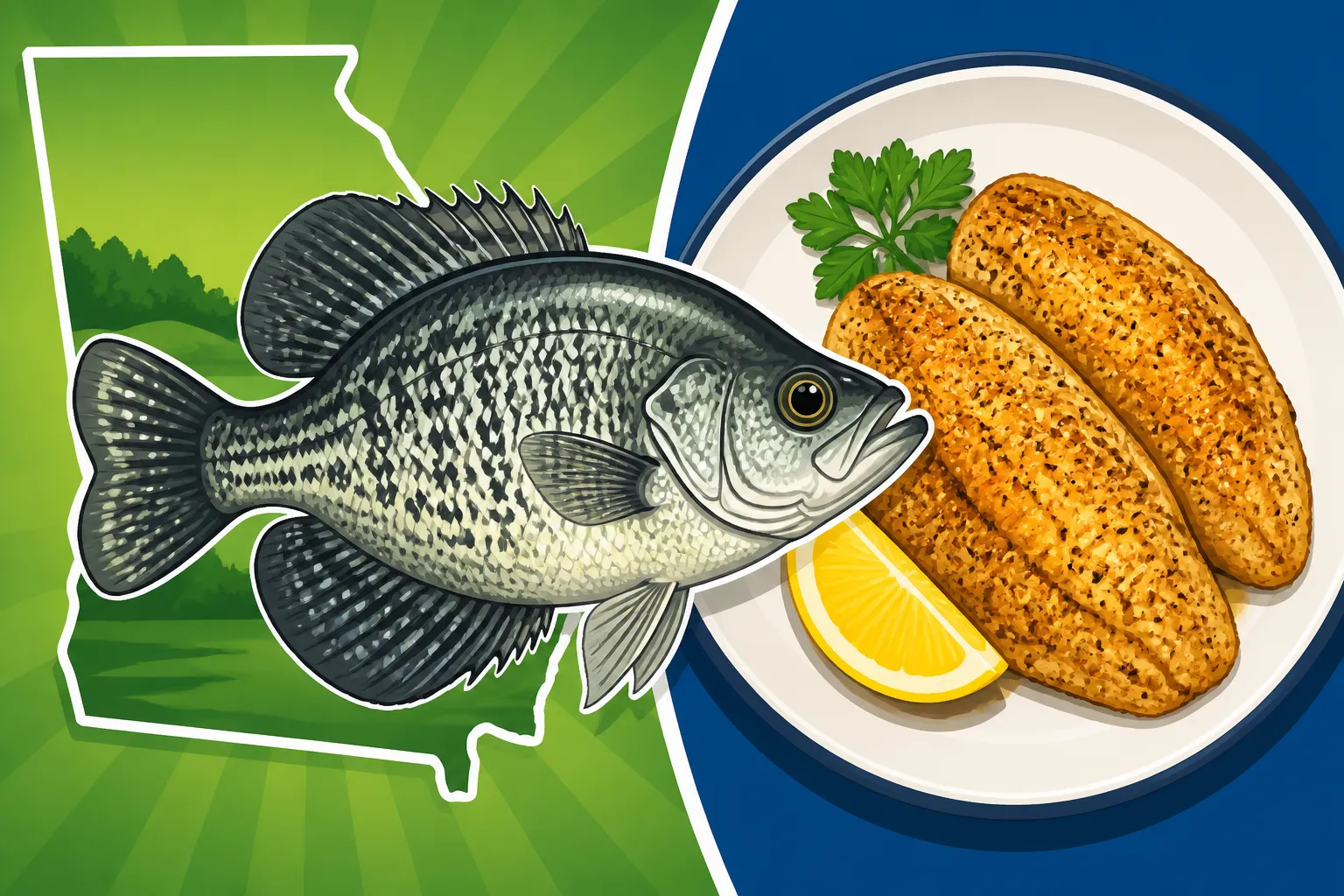
Let's be honest, for many, nothing beats a plate of crispy fried crappie. The mild flavor of the fish pairs perfectly with a seasoned cornmeal or breadcrumb crust.
How to get that perfect crunch:
- Batter: Use a mix of cornmeal, flour, and your favorite spices (paprika, garlic powder, onion powder, salt, pepper are great starting points). You can find pre-made fish fry mixes on
Amazonthat make this step super easy. - Egg Wash: Dip your dry fillets in an egg wash or buttermilk first to help the breading adhere.
- Oil Temperature: Heat your oil (vegetable, peanut, or canola work well) to around 350-375°F (175-190°C). Don't overcrowd the pan, as this will drop the oil temperature and lead to soggy fish.
- Cook Time: Crappie fillets are thin and cook quickly, usually just 2-4 minutes per side, or until golden brown and cooked through. They should flake easily with a fork.
Serve immediately with hushpuppies, coleslaw, and a squeeze of fresh lemon for a truly iconic Southern meal.
Baking and Broiling: A Lighter Approach
If you're looking for a healthier option or just prefer a lighter taste, baking or broiling crappie fillets is fantastic.
- Baking: Preheat your oven to 400°F (200°C). Place your dry fillets on a baking sheet, drizzle with olive oil or melted butter, sprinkle with salt, pepper, garlic powder, and maybe some fresh dill or parsley. Bake for 10-15 minutes, depending on thickness, until the fish flakes easily.
- Broiling: Similar to baking, but with higher, direct heat. Prepare your fillets as above, and broil for 5-8 minutes, keeping a close eye on them to prevent burning. Broiling can give you a nice browned crust without the added fat of frying.
These methods really let the natural sweetness of the crappie shine through, making them a great choice for a simple yet elegant meal.
Grilling: For a Smoky Twist
Grilling crappie can be a bit challenging due to their delicate nature and thin fillets, but with a little care, it's incredibly rewarding. The smoky flavor from the grill adds a wonderful dimension to the mild fish.
- Prep: Brush your fillets with olive oil and season generously.
- Grill Basket or Foil: To prevent the fillets from sticking and breaking apart, use a well-oiled fish grilling basket or place them on heavy-duty aluminum foil directly on the grill grates.
- High Heat, Quick Cook: Grill over medium-high heat for about 3-5 minutes per side, or until cooked through and nicely charred.
Grilling adds a fantastic outdoor flavor that's hard to beat, perfect for a summer evening after a day spent fishing Georgia's waters.
Storage and Safety: Keeping Your Catch Pristine
You've put in the work to catch and clean your crappie, and you've enjoyed a delicious meal. But what about the leftovers, or that big haul you brought in? Proper storage is just as important as proper cooking to ensure safety and maintain quality.
Short-Term Storage: Refrigeration
Fresh crappie fillets can be stored in the refrigerator for 1-2 days. It's best to place them in an airtight container or wrap them tightly in plastic wrap to prevent air exposure and potential odors from spreading. Make sure your fridge is running at or below 40°F (4°C). If you know you won't be cooking them within a couple of days, move on to freezing.
Long-Term Storage: Freezing for Freshness
For anything beyond 1-2 days, freezing is your best friend. Properly frozen crappie can maintain excellent quality for several months.
Tips for optimal freezing:
- Remove Air: Air is the enemy of frozen fish, leading to freezer burn. Vacuum sealers are fantastic for this, and you can find many reliable models on
Amazon. If you don't have a vacuum sealer, wrap individual fillets tightly in plastic wrap, then place them in freezer-safe bags, pressing out as much air as possible before sealing. - Water Glaze (Optional but Recommended): For an extra layer of protection against freezer burn, you can "glaze" your fillets. Place them on a baking sheet and freeze until firm. Once frozen, quickly dip each fillet in cold water, allowing a thin layer of ice to form. Then, package them as described above. This ice layer acts as a barrier.
- Label and Date: Always label your packages with the type of fish (crappie) and the date it was frozen. This helps you rotate your stock and ensures you're eating them within their peak quality window, typically 3-6 months for best taste.
When you're ready to cook, thaw frozen crappie slowly in the refrigerator overnight. Avoid thawing at room temperature, as this can compromise texture and increase bacterial growth.
The Verdict: A Georgia Delicacy
So, is black crappie good to eat? Absolutely, unequivocally yes! They are consistently ranked among the best-tasting freshwater fish, offering a mild, sweet flavor and a tender, flaky texture that makes them a joy to prepare and consume. From the excitement of catching them in Best Fishing Spots in Georgia to savoring them at your dinner table, black crappie provide a complete angling experience.
Whether you're a seasoned angler regularly pulling slabs from Lake Lanier Fishing Guide, Georgia or just starting your journey and learning about Basic Fishing Techniques Every Beginner Should Know, don't hesitate to keep a few crappie for the pan. With proper care from catch to cook, you'll discover why these silver-sided beauties are truly a Georgia delicacy. Next time you're out, consider how to identify Black Crappie Identification: A Georgia Angler's Guide to ensure you're bringing home the right kind of delicious.
Disclaimer
This article is for general informational purposes only and does not constitute professional advice. Laws, prices and regulations vary by location and change over time. Consult a qualified professional for guidance on your specific situation.