Striped Bass Fishing Guide for Georgia Rivers
For any angler who's spent time on Georgia's rivers, the quest for striped bass can feel like chasing a ghost. These powerful, migratory fish are legendary for their fighting spirit, but they can be incredibly elusive, making it frustrating to know where to find them and what techniques truly work. This guide is dedicated to peeling back the layers of mystery surrounding river striped bass fishing in Georgia, offering practical advice, gear recommendations, and proven strategies to help you connect with these incredible fish in our winding waterways.
Understanding Georgia's River Striped Bass
Before you even cast a line, understanding the unique characteristics of striped bass in a riverine environment is crucial. Unlike their lake counterparts, river stripers often behave differently, influenced by current, spawning migrations, and a more diverse food chain. They are a truly impressive sport fish, known for their powerful runs and tenacious battles.
Identifying River Stripers
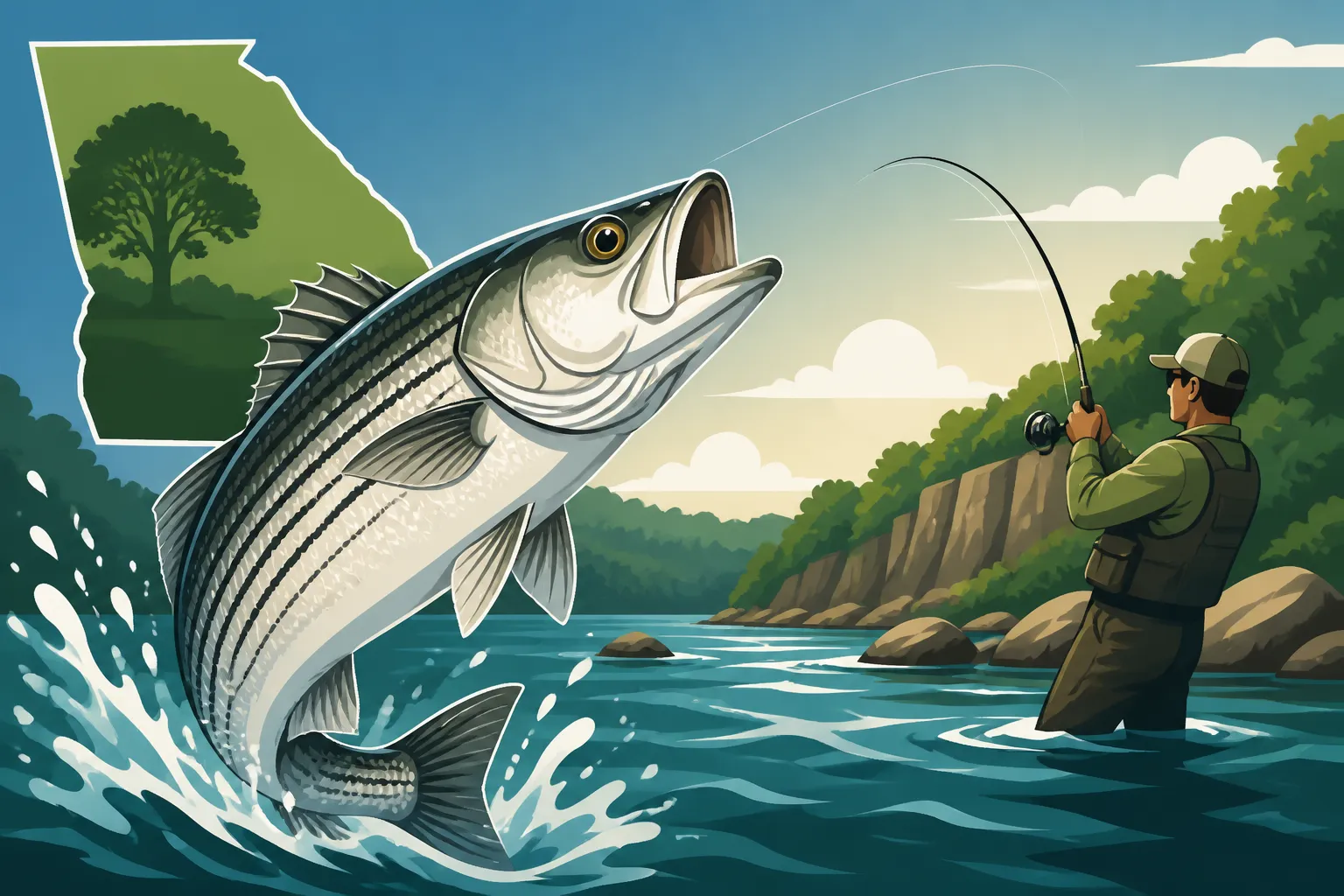
When you hook into a striper in a river, you'll immediately know it by its sheer power. But how do you confirm it's a striped bass and not, say, a hybrid or even a big white bass? True striped bass, or Morone saxatilis, are characterized by their distinct, unbroken horizontal stripes that run from gill to tail. These stripes are typically dark and prominent against a silvery body. They also have two distinct dorsal fins, with the first being spiny and the second soft-rayed.
It's not uncommon to encounter hybrid striped bass, often called "wipers," in some river systems, especially those connected to reservoirs where they are stocked. Hybrids are a cross between a striped bass and a white bass. Their stripes tend to be broken or irregular, particularly below the lateral line, and they often have a deeper body profile than a true striper. Getting to know these subtle differences is key, especially if there are specific regulations for each species. For a deeper dive into distinguishing these species, check out How to Identify a Striped Bass.
Native vs. Stocked Populations
Georgia is a unique state in that it boasts both native and stocked populations of striped bass in its river systems. Historically, striped bass were anadromous, meaning they migrated from the ocean up freshwater rivers to spawn. Rivers like the Altamaha, Savannah, and Ogeechee still support these incredible native runs. These fish are wild, powerful, and often follow instinctual migration patterns tied to water temperature and flow.
However, many of Georgia's reservoir systems, and the rivers connected to them, are also stocked with striped bass to create robust fisheries. These fish may not have the same strong migratory drive as their native counterparts, often staying within or near the lake and moving into tributary rivers during certain times of the year, particularly for thermal refuge or to chase bait. Understanding whether you're targeting a native or a stocked population can influence your approach, as their patterns and preferred habitats might differ. For more context, read Native vs Stocked Striped Bass in Georgia.
Typical River Habitats
River stripers aren't just swimming anywhere; they are highly attuned to specific features and conditions in a river. Current is king for these fish. You'll often find them in areas where the current is strong enough to bring food to them but also provides a break from the direct flow, allowing them to conserve energy. This means looking for seams where fast water meets slower water, behind submerged rocks, log jams, or points of land.
Deeper holes, especially those with structure like fallen trees or rocky ledges, are also prime striper real estate. These spots offer cover and thermal refuge, particularly during hotter months or cold snaps. During migratory runs, they will use these deeper channels as highways. Additionally, tributary mouths where smaller streams feed into the main river can be excellent ambush points, especially if baitfish are congregating there. Recognizing these features on the river can drastically improve your chances of success.
Essential Gear for River Striper Fishing
Chasing striped bass in Georgia's rivers demands tackle that can stand up to their raw power. These aren't panfish, and showing up under-gunned will almost certainly lead to heartbreak. Investing in the right gear is paramount to turning those powerful bites into successful catches.
Rods, Reels, and Line
For river striped bass, you need a rod with backbone. A medium-heavy to heavy power spinning or baitcasting rod, typically 7 to 8 feet long, is a good starting point. This length provides the leverage needed for long casts and the power to control a surging striper in current. Look for a rod with a fast action tip to feel subtle bites but enough power in the blank to set the hook firmly and muscle the fish. When browsing options on Amazon, look for rods specifically designed for saltwater inshore fishing or heavy freshwater species.
Matching your rod with a sturdy reel is equally important. A spinning reel in the 4000 to 6000 size range, or a baitcasting reel with a robust drag system, will serve you well. Ensure it has a good line capacity, as stripers can make blistering runs. For line, 20-40 lb braided line is highly recommended. Braid offers incredible sensitivity, minimal stretch for solid hooksets, and excellent abrasion resistance against river structure. Top it off with a 30-50 lb fluorocarbon leader, usually 2 to 4 feet long, for stealth and additional abrasion protection. If you're looking for specific recommendations, check out Best Rod for Striped Bass Fishing in Georgia.
Baits and Lures That Work
River stripers are opportunistic feeders, so having a variety of baits and lures on hand is smart. Live bait is often king, especially when fish are less active or in clear water. Shad, herring, and large shiners are prime choices. You can fish these on a free-line rig, a slip-sinker rig, or under a float, depending on the depth and current. Securing a good supply of fresh live bait can be a challenge, but it's often worth the effort. For more details on what works, see Best Bait for Striped Bass in Georgia.
When it comes to artificial lures, versatility is key. Here's a quick rundown:
- Swimbaits: Both hard-bodied and soft plastic swimbaits, especially those mimicking shad or herring, are incredibly effective. Sizes from 4 to 8 inches are common.
- Bucktail Jigs: These classic lures are phenomenal for river stripers. Tip them with a soft plastic trailer or a piece of cut bait for added attraction. Jig weights will vary significantly based on current speed and depth.
- Lipless Crankbaits: These can cover a lot of water quickly and are great for searching for active fish.
- Large Topwater Plugs: During low light conditions or when stripers are busting bait on the surface, a big walk-the-dog or popper can provide explosive strikes.
- Spoons: Casting spoons or jigging spoons can imitate injured baitfish, especially in deeper holes.
Consider a well-stocked tackle box to cover all your bases; Amazon has a wide selection for various fishing needs.
Essential Safety and Accessory Gear
Safety on the river, especially when targeting powerful fish like stripers, should never be an afterthought. A Coast Guard-approved life jacket is non-negotiable, even if you're an experienced boater or kayaker. River currents can be unpredictable, and a slip or fall can happen to anyone. Consider an inflatable vest for comfort and mobility, especially if you're casting frequently.
Beyond personal flotation, a good first-aid kit is essential for any outdoor excursion. A sturdy pair of pliers for hook removal, a net large enough to handle a substantial striper, and a reliable measuring tape are also critical. If you're planning to keep fish, an adequate cooler with ice is a must. Don't forget sun protection – hats, sunglasses, and sunscreen – as a day on the water can lead to severe burns. Having a fully charged phone in a waterproof case or a VHF radio is also wise for communication, especially in remote river stretches.
Top Techniques for River Striped Bass
Now that you're geared up, let's talk tactics. River striped bass require a blend of patience, observation, and adaptability. What works one day might not work the next, but mastering a few core techniques will significantly improve your odds.
Live Bait Fishing Strategies
When stripers are finicky or the water is clear, live bait often outperforms artificials. The key is presenting that bait naturally in the current.
- Free-lining: This is perhaps the simplest and most effective method in areas with moderate current. Hook a lively shad or herring through the nose or back, cast it upstream, and let it drift naturally with the current. The bait's struggles will often entice a strike. This is particularly effective in river bends or along current seams. Keep your bail open or your reel in free spool with your thumb on the line, ready to allow a fish to run before setting the hook. How to Fish Live Bait for Striped Bass offers excellent insights into this technique.
- Slip-Sinker Rigs: For deeper holes or stronger currents, a slip-sinker rig keeps your bait near the bottom where stripers often hold. Use an egg sinker or similar weight above a swivel, then a 2-3 foot fluorocarbon leader to your hook. This allows the fish to pick up the bait and run without immediately feeling the weight of the sinker. This rig is great for anchoring up and waiting out the bite.
- Suspending with a Float: In shallower water or around structure where snags are common, a large, sturdy float (bobber) can suspend your live bait at a specific depth. This helps keep your bait out of snags and clearly signals bites. Cast it into current breaks or along structure and let the float carry your bait through potential holding areas.
Artificial Lure Tactics
Artificial lures offer the advantage of covering more water and enticing aggressive fish. The trick is to mimic natural baitfish movements and understand how the current impacts your presentation.
- Casting and Retrieving: This is the bread and butter for many artificials. For swimbaits and lipless crankbaits, cast upstream or across current and retrieve, allowing the current to work with your lure to create a natural drift while maintaining tension. Vary your retrieve speed and add pauses or twitches to trigger strikes. Bucktail jigs can be hopped along the bottom, bounced through current seams, or retrieved with a steady swim-and-drop motion.
- Jigging in Deep Holes: If you locate stripers holding in deep river holes using your fish finder, vertical jigging can be incredibly effective. Drop heavy bucktails or jigging spoons directly over the fish and work them with sharp lifts and drops. This technique can be exhausting but pays off when fish are stacked up. Sometimes, a slow, methodical retrieve just above the fish is all it takes. Explore Deep Water Techniques for Striped Bass for more on this.
- Topwater Action: There's nothing quite like a striper exploding on a topwater lure. This typically happens during dawn, dusk, or on overcast days when baitfish are pushed to the surface. Cast large walk-the-dog lures or poppers into areas where you see baitfish scattering or where current creates eddies, and work them aggressively. The commotion often draws stripers from surprising depths.
Reading the River and Locating Stripers
Successfully targeting river stripers hinges on your ability to "read" the water and understand where these fish are likely to be. It's a skill that develops with experience but has some universal principles.
- Current Seams: Look for areas where fast water meets slower water. Stripers will often sit just out of the main current, waiting to ambush unsuspecting baitfish that get swept past. These seams are visible as lines or subtle changes in the water's surface.
- Structure and Cover: Submerged logs, rock piles, ledges, bridge pilings, and even sudden depth changes offer stripers places to hide, rest, and ambush prey. Use your fish finder if you have one, or pay attention to clues on the bank that might indicate underwater structure, like a rocky outcropping extending into the water.
- Baitfish Activity: If you see schools of baitfish, especially shad or herring, jumping or showering on the surface, stripers are likely nearby. Birds diving into the water can also signal baitfish being pushed to the surface by predators below.
- Tributary Mouths: Smaller creeks and rivers feeding into the main system can concentrate baitfish and provide cooler, oxygenated water, making them hotspots for stripers, especially during warmer months. Understanding Where to Catch Striped Bass in Georgia River Basins can provide invaluable guidance on specific hotspots.
Seasonal Considerations for River Striped Bass
Georgia's climate and river systems mean that striped bass behavior changes dramatically with the seasons. A successful angler understands these shifts and adjusts their approach accordingly.
Spring Runs and Spawning Patterns
Spring is arguably the most exciting time for river striper fishing in Georgia. As water temperatures begin to rise, typically from late March through May, striped bass embark on their anadromous spawning runs up rivers. This is when large numbers of fish, including truly massive individuals, push upstream from reservoirs or the ocean into major river systems like the Savannah, Ogeechee, and Altamaha.
During these runs, stripers are incredibly focused on their biological imperative to spawn. They congregate in predictable areas, often below dams or natural barriers where their upstream migration is halted. While they may not feed aggressively during the peak of spawning, they will strike at opportunistic offerings, especially large swimbaits or live shad. The key is to intercept them along their migratory routes or in their staging areas. Water flow and temperature are critical factors; a sudden rain event can cause a surge in flow that triggers a new wave of fish movement. Paying attention to river levels and clarity is vital during this period. For a broader overview of seasonal changes, check Best Season for Striped Bass Fishing in Georgia.
Summer and Fall Fishing
As spring turns to summer, river temperatures can become challenging for striped bass, which prefer cooler water. In many river systems, particularly the smaller ones, stripers will seek refuge in deeper, cooler holes, often near springs or tributary mouths that introduce cooler water. They may become less active during the heat of the day, feeding more heavily during dawn, dusk, and even at night. This is a time when live bait presented in these deep sanctuaries can be exceptionally effective. Anglers often fish at night during summer, using powerful lights to attract baitfish, which in turn attracts stripers.
Fall brings a renewed burst of activity. As water temperatures begin to drop, striped bass become more active and start feeding aggressively to fatten up for winter. Baitfish, like shad, often school up in the main river channels, creating prime feeding opportunities. This is a fantastic time for covering water with artificial lures like swimbaits, lipless cranks, and bucktail jigs. Stripers will often follow bait schools, moving up and down the river, so being mobile and observant of bird activity can pay off immensely.
Winter Challenges and Opportunities
Winter fishing for river stripers can be tough, but it can also yield some of the largest fish. Stripers tend to school up tightly and move into deeper, slower-moving sections of the river. Their metabolism slows down, so they aren't chasing baits with the same vigor as in spring or fall. However, when they do feed, they often hit large, slow-moving baits.
Live bait, especially large shad or trout (where legal and available), fished slowly on the bottom in deep holes, is a primary tactic. Heavy jigs or spoons, worked with minimal action, can also tempt sluggish fish. Electronics become even more critical in winter to locate these tightly schooled fish. The colder water also means the fish are often in prime condition, making for an incredibly powerful fight once hooked. While the bites might be fewer, the potential for a trophy striper is very real. Don't let the cold deter you; just adjust your presentation to match the fish's slower pace.
Table: Key Gear for River Striper Fishing
Here's a quick rundown of essential gear categories and why they matter for river striped bass:
| Gear Category | Recommended Specifications | Why It's Important |
|---|---|---|
| Rod | Medium-Heavy to Heavy Power, 7-8 ft, Fast Action | Leverage for casting, power for fighting strong fish in current. |
| Reel | Spinning 4000-6000 size or Heavy Baitcasting with strong drag | Holds enough line, robust drag system for powerful runs. |
| Main Line | 20-40 lb Braided Line | Sensitivity, minimal stretch for hooksets, abrasion resistance. |
| Leader | 30-50 lb Fluorocarbon, 2-4 ft length | Stealth in clear water, added abrasion resistance against structure. |
| Live Bait Options | Shad, Herring, Large Shiners | Often preferred by less active fish, mimics natural forage. |
| Artificial Lures | Swimbaits (4-8"), Bucktail Jigs, Lipless Crankbaits, Topwater | Versatility for different conditions, active searching, provoking reaction strikes. |
| Safety Gear | USCG-Approved PFD, First-Aid Kit | Non-negotiable for river safety, addresses unexpected injuries. |
| Accessories | Pliers, Large Net, Measuring Tape, Sun Protection, Cooler | Essential for handling fish, sun protection, and keeping your catch. |
Remember, the nuances of river fishing for striped bass can be challenging, but the reward of hooking into one of these freshwater leviathans is absolutely worth the effort. Stay safe, stay persistent, and enjoy the adventure that Georgia's rivers offer!
Disclaimer
This article is for general informational purposes only and does not constitute professional advice. Laws, prices and regulations vary by location and change over time. Consult a qualified professional for guidance on your specific situation.