Is Brook Trout Good to Eat?
Ah, the age-old question that dances in every angler's mind when they finally land that beautiful, elusive fish: "Can I eat it?" Especially when it comes to the stunning brook trout from Georgia's pristine mountain streams, there's often a bit of internal debate. You've worked hard, perhaps hiked into a remote spot, cast with precision, and now this vibrant, speckled beauty is in your hands. This guide is here to walk you through everything you need to know about enjoying your Georgia brook trout on the dinner plate, from its unique flavor to ethical harvesting.
The Culinary Appeal of Georgia Brook Trout
When you're out there, reeling in a brook trout from a cold, clear stream in North Georgia, the thought of cooking it up for dinner is often a delicious one. But what exactly are you getting into, culinary-wise? Is it truly a prized table fish, or is it more about the sport and the scenic beauty? For many, the brook trout holds a special place not just for its beauty but for its quality as a meal, provided you handle it right.
Flavor Profile: A Taste of the Wild
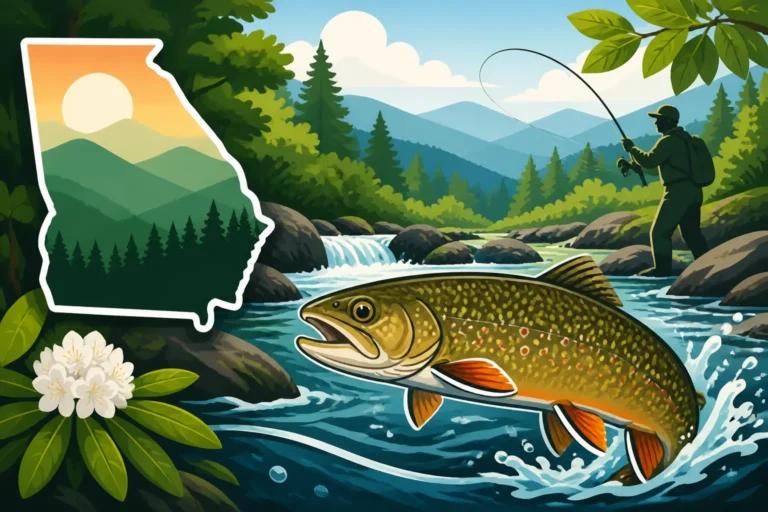
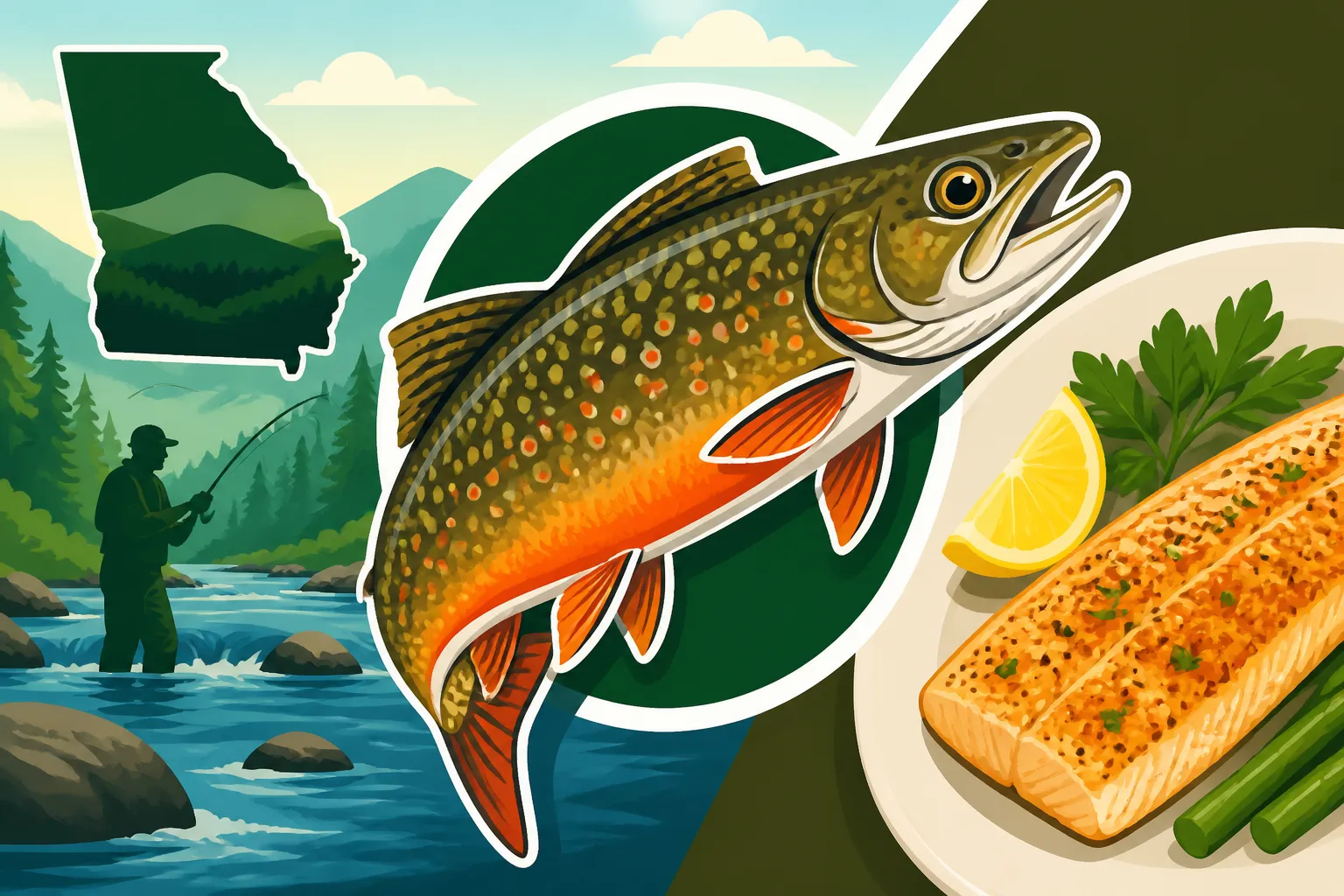
Let's cut right to the chase: yes, brook trout are absolutely delicious. They offer a delicate, flaky texture and a mild, slightly sweet flavor that truly sets them apart. Unlike some larger, more aggressively flavored fish, brook trout tend to have a clean, almost earthy taste that speaks directly to their pristine environment. Imagine the distinct taste of a fish that has lived its life in crystal-clear, cold mountain water, feeding on natural insects and small organisms. That's the essence of a Georgia brook trout.
The flavor isn't "fishy" in the way some people might fear. Instead, it's subtle enough to let simple preparations shine through, yet robust enough to be satisfying. Many anglers describe it as lighter than a rainbow trout and less gamey than some brown trout, striking a perfect balance. The flesh is usually a pale orange or pink, though this can vary slightly depending on the specific diet of the fish, mimicking the vibrancy of their natural surroundings. It’s a true taste of the wild, and when cooked fresh, it’s an experience that’s hard to beat.
Size Matters: When to Keep and When to Release
Now, while brook trout are delicious, the reality in Georgia's mountain streams is that many of our native brook trout are on the smaller side. We're talking about fish that might only be six to ten inches long. While every inch is a triumph when you're targeting these elusive beauties, a six-inch fish doesn't yield a whole lot of meat. This is where the ethical dilemma often comes in for anglers: do you harvest a small fish for a meager meal, or do you practice catch and release to help these native populations thrive?
It's a balance we all consider. Many anglers opt to release most of their native brook trout, especially the smaller ones, because they are such a precious resource. Brook Trout: Georgia's Only Native Trout Species are a true gem, and protecting their future is paramount. If you do decide to keep a brook trout for the table, consider the regulations and the size. A slightly larger fish, perhaps one that's closer to the legal limit if there is one, will provide a more substantial meal and often comes from waters where harvesting is more appropriate, like some designated management areas or where stocked fish are present. Always consult the Georgia Fishing Regulations Explained before making a decision.
Sometimes, the joy is purely in the catch itself, and the memory of the beautiful fish. For those occasions when you do decide to keep a fish, handling it properly from the moment it leaves the water will ensure the best possible culinary experience.
Preparing Your Brook Trout for the Plate
So, you've decided to take a brook trout home for dinner. Excellent! The journey from the stream to your skillet is crucial for preserving that delicate flavor and ensuring a truly memorable meal. A little care in handling and preparation goes a long way.
From Stream to Skillet: Proper Field Dressing
This is perhaps the most important step in ensuring your brook trout tastes as good as it possibly can. As soon as you decide to keep a fish, it needs to be field dressed. This means gutting it immediately. Why? Because the digestive enzymes in the fish's gut will start to break down the flesh very quickly after it dies, leading to a "fishy" taste and a softer texture. Nobody wants that!
Here's a quick rundown:
- Bleed the fish (optional but recommended): If you can, make a small cut near the gills to allow the fish to bleed out. This further improves the flavor and appearance of the meat.
- Gutting: Make a shallow cut from the vent (the anal opening) all the way up to the gills. Be careful not to cut too deeply into the gut cavity, as you don't want to puncture the intestines.
- Remove entrails: Reach in and scoop out all the internal organs. Run your thumbnail or a spoon along the backbone to remove the "blood line" (a dark red vein-like structure) as this can also contribute to a strong flavor.
- Rinse: Thoroughly rinse the cavity with cold, clean water. A quick rinse in the stream, away from your fishing spot, is ideal if the water is clean.
- Chill: Get the dressed fish onto ice as quickly as possible. A cooler filled with ice is an absolute must. The colder you keep it, the fresher it will remain until you get it home.
By taking these steps, you'll be locking in that fresh, clean taste you expect from a pristine Georgia brook trout. It’s a little extra work on the stream, but your taste buds will thank you later. This quick action is the secret to a delicious trout dinner.
Simple Cooking Methods to Highlight the Flavor
Brook trout, with their mild and delicate flavor, don't need a lot of fancy ingredients or complicated techniques. Simplicity is often the key to truly letting their natural taste shine through. You want to enhance, not overpower, that fresh, wild essence.
One of the most classic and satisfying ways to cook brook trout is pan-frying. Lightly dust the whole, cleaned fish with seasoned flour, cornmeal, or even just salt and pepper. Heat a little butter or olive oil in a skillet (a good cast iron skillet, perhaps one you picked up on Amazon, works wonders here) until it's shimmering. Cook the fish for a few minutes on each side until the skin is crispy and golden brown, and the flesh flakes easily with a fork. A squeeze of fresh lemon juice and a sprinkle of chopped fresh parsley or dill at the end are often all you need.
For a slightly healthier option, or if you've managed to land a larger brook trout, baking or grilling can be fantastic. You can wrap the fish in foil with some thinly sliced lemon, a pat of butter, and a few herbs like thyme or rosemary. This steams the fish gently, keeping it moist and infusing it with flavor. If grilling, place the fish in a fish basket or directly on a well-oiled grate, turning once. These methods allow the subtle sweetness of the trout to really come forward. Don't be afraid to experiment with your favorite aromatics, but always remember that the trout is the star of the show.
Ethical and Sustainable Practices for Enjoying Brook Trout
Catching a brook trout in Georgia is a special experience. These aren't just any fish; they are often found in some of our most beautiful and remote wild places, and their populations require our respect and careful management. Enjoying brook trout culinarily goes hand-in-hand with ensuring we're doing our part to protect them for future generations.
Understanding Georgia's Brook Trout Regulations
Before you even think about keeping a brook trout, you absolutely must be familiar with Georgia's specific fishing regulations. These aren't just suggestions; they are laws designed to protect our precious fisheries. For brook trout, especially, regulations can vary significantly depending on the stream. Some streams might be strictly catch-and-release, while others may have specific size limits and creel limits. For instance, Brook Trout Size in Georgia Mountain Streams can be quite restrictive in some areas to protect breeding populations.
It's not uncommon for Georgia to have special regulations for designated trout waters, particularly for our native brook trout streams. These rules might cover everything from the type of bait or lure you can use to the number and size of fish you can keep. Always check the latest Georgia fishing guide or the Department of Natural Resources website before you head out. Ignorance of the law is never an excuse, and we all want to ensure we're fishing responsibly. Understanding these rules is a critical part of being a good steward of our natural resources, especially when targeting Where to Catch Native Brook Trout in Georgia.
Balancing Harvest with Conservation
This is the heart of ethical brook trout fishing in Georgia. Our native brook trout populations, found in the coldest, cleanest headwater streams of North Georgia, are often fragile. They reproduce slowly and are vulnerable to habitat changes. Because of this, many dedicated trout anglers in Georgia practice an almost exclusive catch-and-release approach for these wild, native fish.
However, Georgia also stocks various trout species, including brook trout, in many streams and rivers. Stocked fish are raised in hatcheries and are intended to provide fishing opportunities and be harvested. If you're fishing in a stream that is regularly stocked, and the regulations permit it, harvesting a brook trout for a meal can be a perfectly acceptable and enjoyable part of the angling experience. You're helping to manage the population and making space for the next round of stocked fish.
The key is to know your waters. Are you fishing a wild, native brook trout stream, perhaps one of the Best Small Streams for Brook Trout in North Georgia? Or are you on a stream where Georgia Trout Stocking Schedule means fish are regularly introduced? This distinction is vital for balancing your desire for a fresh meal with the important goal of conservation. By being mindful and making informed choices, we can all enjoy the thrill of catching brook trout and, when appropriate, savoring them at the dinner table, while still ensuring these beautiful fish thrive for years to come. Remember to check Daily Creel Limits for Trout in Georgia for any water you fish.
Common Questions About Eating Brook Trout
Anglers often have a few specific questions when it comes to the table quality of brook trout, especially differentiating them from their cousins and understanding health aspects. Let's dive into some of those common curiosities.
Is Wild Brook Trout Different from Stocked?
This is a fantastic question, and for many seasoned anglers, the answer is a resounding "yes!" There can definitely be a difference in table quality between a wild brook trout and one that has been stocked. Wild brook trout, particularly those from the remote, pristine headwaters of Georgia, tend to have a leaner, firmer flesh. Their diet is entirely natural – insects, larvae, small crustaceans – which contributes to a very clean, distinct, and sometimes more intense flavor profile. They fight harder, live in tougher conditions, and this often translates to a higher muscle-to-fat ratio. Many aficionados would argue that a wild brook trout offers the pinnacle of flavor.
Stocked brook trout, on the other hand, are raised in hatcheries and fed a prepared pellet diet. While they are still trout, and generally delicious, their flesh might be a bit softer and their flavor sometimes less nuanced or even slightly milder than their wild counterparts. This isn't to say stocked brook trout aren't good eating; they absolutely are! They just might lack some of the unique "wild" characteristics. Think of it like comparing a farm-raised chicken to a free-range bird – both are chicken, but there's a subtle difference in texture and flavor that comes from diet and environment. When you're fishing in Georgia, it's worth knowing if you're pursuing a Brook Trout vs Rainbow Trout vs Brown Trout in a native stream or a stocked water.
| Feature | Wild Brook Trout | Stocked Brook Trout |
|---|---|---|
| Diet | Natural insects, larvae, small aquatic organisms | Prepared fish pellets |
| Flesh Texture | Generally firmer, leaner | Can be softer |
| Flavor Profile | Clean, distinct, often more intense, earthy notes | Mild, sometimes less nuanced, can vary |
| Color of Flesh | Often pale orange or pink, can vary by diet | Typically paler pink or white |
| Body Shape | Sleek, robust, well-adapted to current | Can sometimes appear more "blocky" or fatter |
| Fighting Spirit | Often strong and energetic | Varies, but sometimes less feisty than wild fish |
Are There Any Health Considerations?
When it comes to health, brook trout from Georgia's cold, clean waters are an excellent choice for a meal. They are a fantastic source of lean protein, making them a healthy addition to any diet. Like most cold-water fish, brook trout are also rich in omega-3 fatty acids, which are widely recognized for their heart-healthy benefits. These essential fats contribute to brain health, reduce inflammation, and offer a host of other advantages.
Generally, the smaller size of most brook trout also means that concerns about contaminants like mercury, which can accumulate in larger, older predatory fish, are significantly reduced. Brook trout are relatively low on the food chain and typically don't live long enough to accumulate high levels of anything concerning. Always rely on information from official sources for any specific advisories in certain bodies of water, though for the most part, Georgia's mountain streams are very clean.
Enjoying brook trout is about more than just the taste; it's about connecting with nature, appreciating your harvest, and providing a wholesome, nutritious meal. Whether you're pan-frying them simply or looking for new ways to cook fish, you can find a wealth of healthy recipes and kitchen gadgets on Amazon to make your trout dinner a success. Just remember to How to Catch and Release Trout Properly if you're not planning to keep your catch, ensuring future healthy populations.
Disclaimer
This article is for general informational purposes only and does not constitute professional advice. Laws, prices and regulations vary by location and change over time. Consult a qualified professional for guidance on your specific situation.