Is Rainbow Trout Good to Eat?
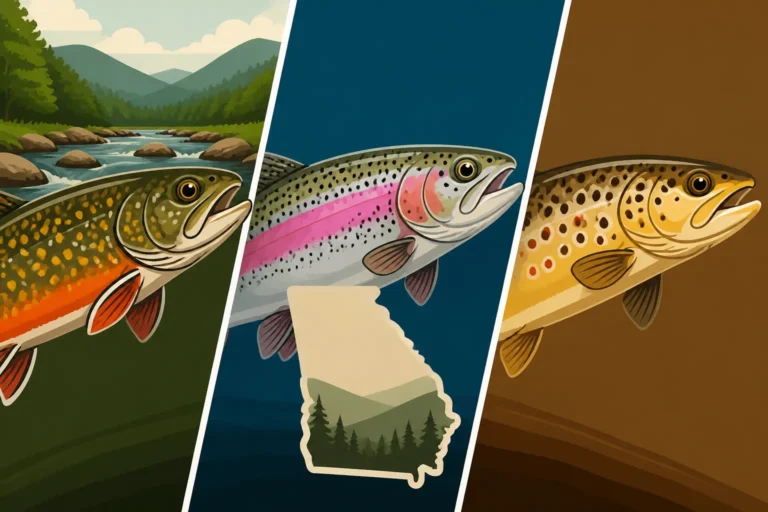
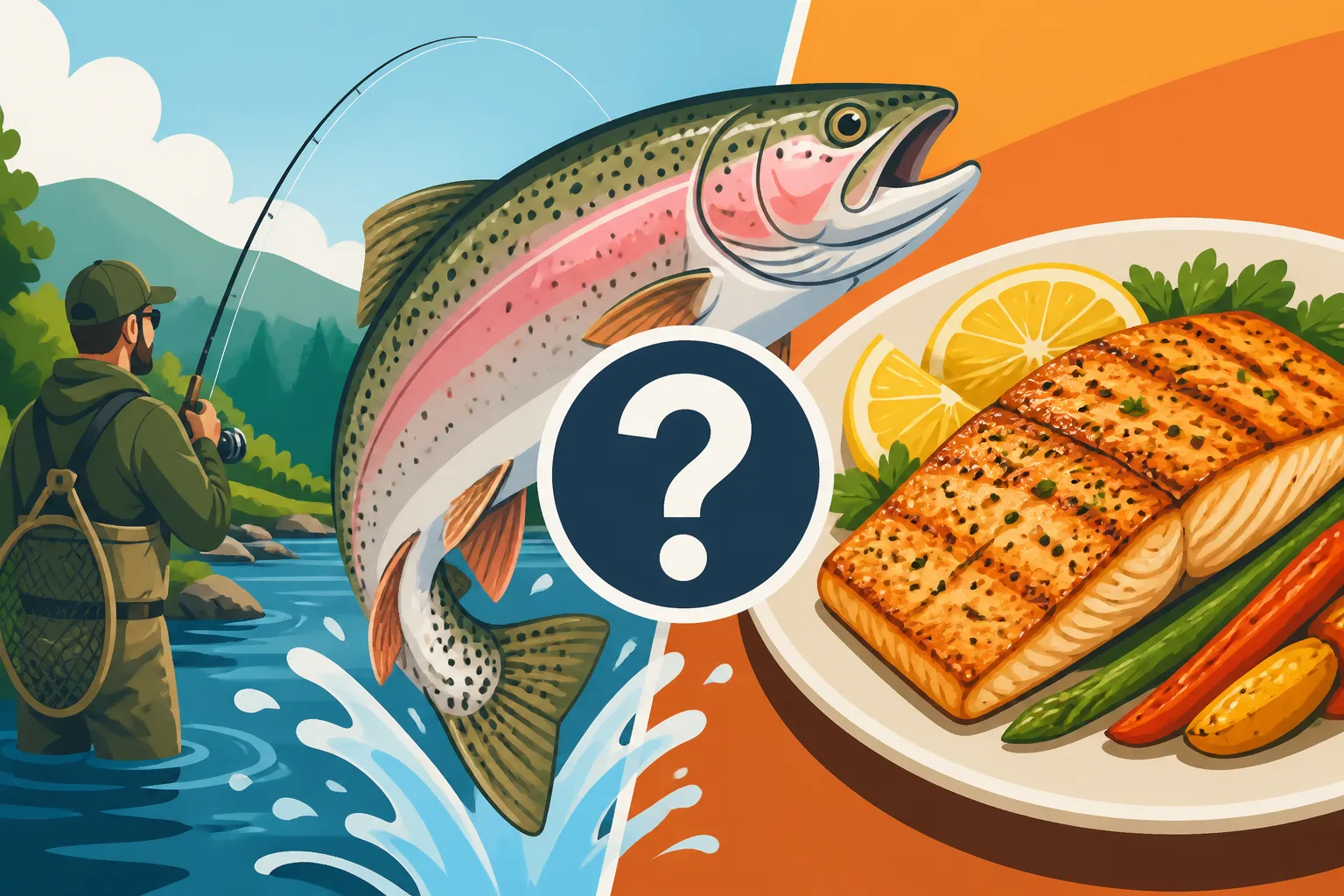
One of the most satisfying parts of a successful fishing trip, especially when you've reeled in a beautiful rainbow trout from one of Georgia's pristine mountain streams, is wondering what it will taste like on the dinner table. It’s a question every angler asks: is this fish going to be a culinary delight, or is it better suited for catch and release? This guide dives deep into the delicious potential of rainbow trout, offering insights into its flavor, best preparation methods, and why it’s a favorite among many who love fresh fish.
The Flavor Profile of Rainbow Trout: A Culinary Delight or Not?
Let’s be honest, there’s nothing quite like the anticipation of cooking a fish you’ve personally caught. But with trout, especially rainbow trout, there can be a bit of trepidation if you haven't tried it before. You might worry it'll be "too fishy" or have an unpleasant texture. Good news, though: rainbow trout generally offer a delightful dining experience, often praised for its mild flavor and tender, flaky flesh. It’s a versatile fish that takes well to a variety of cooking methods, making it a fantastic choice for a fresh meal.
What Influences the Taste of Rainbow Trout?
The taste of any fish can be influenced by several factors, and rainbow trout are no exception. Understanding these can help you appreciate why one trout might taste slightly different from another, even if they're from the same species. It's not just about the fish itself, but the environment it comes from and what it's been eating.
First and foremost is the diet of the fish. Wild rainbow trout, typically found in North Georgia's cooler, oxygen-rich streams, often feed on a varied diet of aquatic insects, crustaceans, and smaller fish. This natural diet contributes to a very clean, fresh flavor. Stocked trout, on the other hand, which are raised in hatcheries and fed commercial pellets, can sometimes have a slightly different taste. It's not necessarily worse, just different – often milder and less complex, which some people prefer. However, once stocked, they often acclimate to their new environment and begin feeding on natural forage, quickly adopting the more desirable wild flavor. You can often find information on Georgia's Trout Stocking Schedule Explained to learn where and when these fish are introduced.
Water quality plays an enormous role as well. Rainbow trout thrive in cold, clear, well-oxygenated water, which is abundant in many of Georgia's mountain streams. Fish from pristine waters tend to have a cleaner, less "muddy" taste. If trout are caught from warmer, slower-moving waters or ponds with significant algae blooms, their flesh might absorb some of those flavors, leading to a less desirable taste. Fortunately, many of Georgia's prime trout fishing locations, like the Toccoa River or sections of the Chattahoochee River headwaters, boast excellent water quality, ensuring a high-quality catch.
Finally, the size of the fish can also subtly affect its flavor and texture. Smaller "pan-sized" trout, say 10-14 inches, tend to have very delicate, fine-flaked flesh. Larger trout might have a slightly firmer texture and a more pronounced flavor, though still generally mild. Most anglers find that trout in this medium size range offer the best eating experience – not too small to be fiddly, and not so large that the flavor becomes overwhelming.
Describing the Taste and Texture
So, what exactly does rainbow trout taste like? Imagine a fish with a delicate, mild flavor – not overpowering or aggressively "fishy" like some oilier species. It often has a subtly sweet undertone, especially if it’s a wild-caught specimen from clear mountain water. The flesh itself is tender and flaky, easily separating with a fork. It’s a white or light pink meat, depending on diet, with a fine texture that many find very appealing.
Some compare rainbow trout to salmon, but it’s generally lighter in flavor and less oily. Others might liken it to a very mild cod or haddock, but with more character and a slightly richer feel. It's a fantastic "gateway fish" for those who are a bit hesitant about seafood, as its mildness rarely offends. It’s also incredibly versatile, acting as a canvas for various seasonings and preparations. You can really let the natural flavor shine with just a squeeze of lemon and some herbs, or you can build upon it with bolder spices. The key takeaway is its approachability – it’s a crowd-pleaser that even picky eaters often enjoy.
Preparing Your Catch: From Stream to Table
Catching a beautiful rainbow trout is just the first step; getting it to your dinner plate in its prime condition is equally important. Proper handling from the moment it leaves the water to the moment it hits the pan can make all the difference in flavor and texture.
Proper Handling is Key to Flavor
The single most critical factor in ensuring your rainbow trout tastes amazing is how you handle it immediately after catching. This is where many anglers either make or break their meal.
Field dressing is paramount. As soon as you decide to keep a fish, you should humanely dispatch it and then gut it right away. The digestive enzymes and bacteria in the fish’s gut begin to break down the flesh very quickly after death, which can lead to off-flavors or a mushy texture. By removing the entrails promptly, you significantly slow down this process. Simply make an incision from the vent to the gills, carefully remove all organs, and then scrape out the kidney line (a dark red line along the backbone). Rinse the cavity thoroughly with clean, cold water.
After gutting, chilling immediately is the next non-negotiable step. Place your cleaned trout on ice, ensuring it's surrounded, not just sitting on top. A cooler filled with ice is an angler's best friend. This rapid cooling halts bacterial growth and keeps the flesh firm and fresh. Don't let your fish sit in a stringer in warm lake water or in a bucket without ice for extended periods. This heat exposure is a surefire way to compromise the quality of your catch. The goal is to get it as cold as possible, as quickly as possible. Having a good cooler is essential for any Georgia fishing trip, and you can find many reliable options on Amazon.
Simple & Delicious Cooking Methods
Rainbow trout's delicate flavor and flaky texture lend themselves well to a variety of straightforward cooking methods. You don't need to be a gourmet chef to turn your catch into a fantastic meal. The beauty of fresh trout is its simplicity.
Pan-frying is perhaps the most classic and satisfying method. Lightly dust the whole, cleaned fish (or fillets) with seasoned flour or cornmeal. Heat a skillet with butter or olive oil over medium-high heat. Cook for 3-5 minutes per side, depending on thickness, until the skin is crispy and the flesh flakes easily with a fork. A squeeze of fresh lemon juice at the end brightens the flavor beautifully. For this, you’ll want a good, non-stick pan, which you can easily find on Amazon.
Baking is another excellent option, especially if you're cooking multiple fish or prefer a hands-off approach. Preheat your oven to around 375-400°F (190-200°C). Place the whole trout or fillets on a baking sheet lined with parchment paper. Drizzle with olive oil, sprinkle with salt, pepper, and your favorite herbs (dill, parsley, or thyme work wonderfully). You can also stuff the cavity of whole fish with lemon slices and herb sprigs. Bake for 12-18 minutes, or until the internal temperature reaches 145°F (63°C) and the fish flakes easily.
Grilling offers a fantastic smoky flavor, especially for larger trout. Make sure your grill grates are clean and well-oiled to prevent sticking. For whole fish, you might want to use a fish grilling basket to make flipping easier. Grill over medium heat for about 4-6 minutes per side. The char from the grill adds another layer of deliciousness to the mild trout. For smaller fillets, consider using foil packets with butter, lemon, and herbs to steam them on the grill, keeping them moist and flavorful.
When it comes to seasoning, less is often more with rainbow trout. Salt, fresh cracked black pepper, and a touch of lemon are often all you need to highlight its natural taste. Fresh herbs like dill, chives, or parsley complement it perfectly. If you want to get a little more adventurous, a pinch of garlic powder, paprika, or a mild herb blend can elevate the dish without overpowering it.
Deboning and Filleting
For many, the bones in a whole fish can be a deterrent. While eating around the bones is part of the experience for some, deboning or filleting your trout can make it much more enjoyable, especially for kids or guests who aren't accustomed to eating whole fish.
Filleting a trout is similar to filleting other fish. Using a sharp, flexible fillet knife, make an incision behind the gill plate, down to the backbone. Then, turn the knife flat and carefully slice along the backbone towards the tail, removing one fillet. Flip the fish and repeat on the other side. You'll likely end up with two boneless fillets, ready for cooking. There are many instructional videos available online, and good quality fillet knives are readily available on Amazon.
If you prefer to cook the trout whole but want to minimize bones at the table, you can debone it after cooking. Once cooked, place the fish on a plate. Use a knife to make an incision along the back of the fish, from head to tail. Then, gently lift the top fillet away from the backbone. You can usually remove the entire backbone and rib cage in one piece by lifting it from the head end. This leaves you with two relatively boneless halves. Practice makes perfect, but even a partially deboned fish is easier to eat.
Health Benefits and Sustainability of Eating Rainbow Trout
Beyond its delicious taste, eating rainbow trout offers a bounty of health benefits. Plus, when sourced responsibly, it can be a very sustainable option for your plate, which is something many of us care deeply about these days.
Nutritional Value: More Than Just a Meal
Rainbow trout isn't just tasty; it's a nutritional powerhouse. For those looking to incorporate more healthy fats and lean protein into their diet, this fish is an excellent choice.
One of the most significant benefits is its high content of Omega-3 fatty acids. These "good fats" are crucial for heart health, brain function, and reducing inflammation throughout the body. While not as high as some salmon species, trout provides a very respectable amount of these essential fatty acids, contributing to overall well-being. Regular consumption of Omega-3s has been linked to a reduced risk of heart disease, improved mood, and better cognitive function.
Furthermore, rainbow trout is an excellent source of lean protein. Protein is vital for muscle repair and growth, satiety, and numerous bodily functions. A serving of trout provides a substantial amount of high-quality protein with relatively few calories, making it a fantastic option for a balanced diet.
You'll also find a good array of vitamins and minerals in rainbow trout. It’s rich in B vitamins, particularly B12 and niacin, which are essential for energy metabolism and nervous system health. It also contains minerals like phosphorus, potassium, and selenium, which play roles in bone health, fluid balance, and antioxidant defense. So, when you're enjoying a plate of fresh trout, you're not just savoring a meal; you're nourishing your body with vital nutrients.
Sourcing Your Trout: Wild vs. Stocked Considerations
When we talk about sustainability, rainbow trout from Georgia often come with a good story. Both wild and stocked populations contribute to a healthy fishery, and understanding the difference can help you make informed choices.
In Georgia, particularly in the northern mountains, you'll find wild rainbow trout populations thriving in pristine streams. These are naturally reproducing fish that are a testament to the health of the aquatic ecosystem. Catching and eating a wild trout is a special experience, and when done responsibly within Georgia Fish Size and Creel Limits, it typically has a minimal impact on the overall population. Conservation efforts by organizations like the Georgia Department of Natural Resources (DNR) ensure these populations remain robust.
However, a significant portion of the rainbow trout available to anglers in Georgia comes from stocked programs. The Georgia DNR regularly stocks many rivers and streams, especially in North Georgia, to provide abundant fishing opportunities. These fish are raised in state hatcheries, reducing pressure on wild populations while still giving anglers the thrill of the catch and the option of a fresh meal. Georgia Trout Stocking Schedule gives you the rundown on where and when these stockings occur, helping you plan your trip.
From a sustainability perspective, consuming responsibly caught wild trout or hatchery-raised, stocked trout is generally considered a good choice. Trout have a relatively low environmental impact compared to some other protein sources, especially when grown in well-managed systems or caught from healthy wild populations. By participating in Georgia's regulated fishing programs and adhering to limits, you're supporting a sustainable resource that provides both recreation and delicious food.
Common Concerns and Misconceptions About Eating Trout
It’s natural to have questions or even some preconceived notions about eating any fish, and rainbow trout is no different. Let’s address some common concerns that anglers, especially those new to trout fishing, might have before bringing their catch to the dinner table.
Are All Trout Created Equal? Addressing Muddy or "Fishy" Tastes
One of the most frequent complaints people have about eating fish is a "muddy" or overly "fishy" taste. This is where the notion that "all trout are equal" falls short, because the reality is, they’re not. The environment and handling heavily influence the final flavor.
A muddy taste in trout is almost always a result of the fish living in or being harvested from poor water quality. If a trout comes from still, warm water with a lot of decaying organic matter or algae, its flesh can absorb those earthy, sometimes unpleasant flavors. This is less common in the cold, fast-moving, clear mountain streams where rainbow trout naturally thrive in Georgia. If you're fishing in a murky pond or a section of river that's stagnant, you might encounter this. However, trout from the well-managed reservoirs and crystal-clear streams of North Georgia rarely exhibit this issue.
An overly "fishy" taste often stems from improper handling, specifically not gutting and chilling the fish quickly enough. As mentioned earlier, those digestive enzymes and bacteria get to work fast. If a fish sits out in the heat for hours before being cleaned and iced, those breakdown processes can lead to stronger, less desirable flavors. It’s not necessarily that the trout itself is inherently "fishy," but rather that its freshness has been compromised. Following the best practices for field dressing and immediate icing will almost always yield a clean, mild-tasting fish.
Another factor contributing to perceived "fishiness" can be the diet of the fish. Trout that primarily consume algae or certain types of aquatic vegetation might have a slightly different flavor profile than those feasting on insects and smaller baitfish. Again, this points back to selecting good fishing spots known for healthy fish populations and clean water, such as many of Georgia's designated trout streams.
Ultimately, if you’ve had a bad experience with trout in the past, don't let it deter you from trying again with a freshly caught, properly handled fish from a quality Georgia waterway. The difference can be night and day.
Safety and Consumption: What You Should Know
When it comes to eating any wild-caught food, safety is always a top concern. For rainbow trout caught in Georgia, there are general guidelines that are good to keep in mind, though specific concerns are usually minimal.
First and foremost, always cook your fish thoroughly. While some people enjoy sushi-grade fish, consuming raw or undercooked freshwater fish carries a risk of parasites. Cooking your trout to an internal temperature of 145°F (63°C) will ensure any potential parasites or bacteria are destroyed, making it safe to eat. The flesh should be opaque and flake easily when tested with a fork.
Mercury and other contaminants are a common concern with fish consumption. In general, rainbow trout, particularly those from freshwater systems, are considered to be a low-mercury fish. Their diet primarily consists of insects and smaller invertebrates, and they don't live as long as some larger, predatory species that accumulate more mercury over time. Georgia's Environmental Protection Division (EPD) occasionally issues fish consumption advisories for specific bodies of water if certain contaminants are detected, but these are typically for older, larger predatory fish and are usually communicated publicly. For the most part, rainbow trout from Georgia's popular fishing spots are considered safe for regular consumption.
It’s also wise to be aware of the source of your fish. If you’re fishing in waters where there’s industrial runoff or other known pollution, it's always best to check with local authorities for any specific advisories before consuming your catch. However, many of Georgia's trout streams are located in relatively pristine, undeveloped areas, minimizing these concerns. Georgia Fishing Regulations Explained can offer more information on specific rules or advisories.
In summary, eating rainbow trout caught in Georgia is not only a delicious experience but also generally a safe and healthy one, provided you handle and cook your catch properly. Enjoy the fruits of your angling labor!
Disclaimer
This article is for general informational purposes only and does not constitute professional advice. Laws, prices and regulations vary by location and change over time. Consult a qualified professional for guidance on your specific situation.