Where to Catch Shoal Bass in Georgia’s Rivers
Finding shoal bass in Georgia can feel like chasing a ghost if you don't know their secret hideouts. These incredible fish are true river specialists, demanding a different approach than your typical lake bass, and many anglers get frustrated trying to find them in the wrong places. This guide is here to unravel the mystery, showing you exactly which Georgia rivers harbor these hard-fighting beauties and how to target them effectively.
Understanding Shoal Bass and Their Preferred Habitat
Before we dive into specific locations, let's get acquainted with the star of our show: the shoal bass. Unlike their largemouth or spotted bass cousins that thrive in lakes and slower-moving waters, shoal bass are built for the current. Understanding this fundamental difference is key to finding them.
What Makes Shoal Bass Unique?
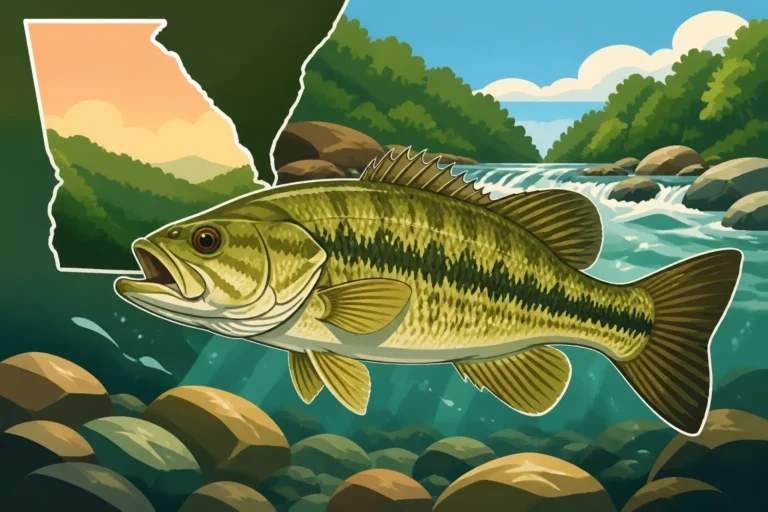
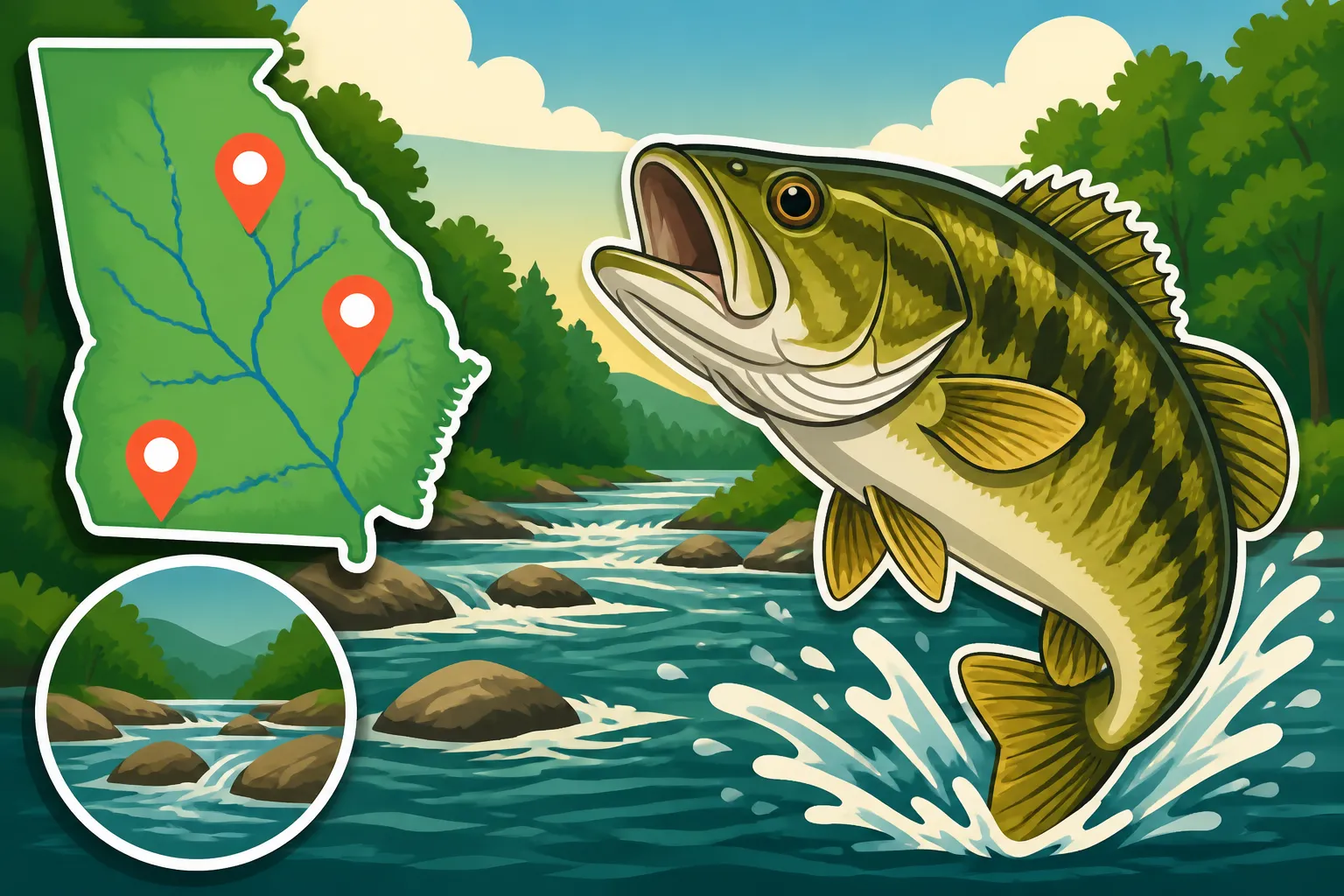
Shoal bass ( Micropterus cataractae ) are a distinct species of black bass native primarily to the Apalachicola River basin, which includes many of Georgia's southwestern rivers. They're often mistaken for spotted bass or even largemouth bass, but they have some key characteristics that set them apart. For one, their body shape is more torpedo-like, perfectly adapted for cutting through strong currents. Their coloration tends to be darker, often with distinctive vertical bars or blotches that help them camouflage in rocky riverbeds.
They are known for their incredibly aggressive strikes and powerful fights, often pulling hard and staying deep in the current. This makes them a favorite among anglers looking for a true challenge. You'll often find them lurking near current breaks, fallen timber, or rocky outcroppings, waiting to ambush unsuspecting prey. They're not just a pretty face; they're a finely tuned predator of the moving water ecosystem. If you're curious to know more, there's a fantastic guide on How to Identify a Shoal Bass.
Riverine Specialists: Why Rivers Are Key
You won't find significant populations of true shoal bass in Georgia's sprawling reservoirs or slow, muddy rivers. They are riverine specialists, meaning their entire life cycle and preferred habitat revolve around flowing water, particularly sections with a good current, clear water, and rocky substrates. This preference for current is what defines their locations. They need that constant flow to oxygenate the water, bring them food, and provide the complex structures they use for hunting and hiding.
Think of it this way: a calm lake is a buffet line for a largemouth, but for a shoal bass, it's a stagnant puddle. They thrive in the dynamic environment of a river, where the current dictates everything from food delivery to predator avoidance. This habitat requirement naturally narrows down your search, directing you to specific stretches of particular rivers known for these conditions.
Top Rivers for Shoal Bass in Georgia
When it comes to targeting shoal bass in Georgia, a few key rivers stand out as prime real estate. These waterways offer the ideal combination of current, rocky habitat, and forage that shoal bass need to thrive.
The Mighty Flint River: A Shoal Bass Haven
Without a doubt, the Flint River is the crown jewel for shoal bass fishing in Georgia. This incredible river originates in metro Atlanta, but it's the stretches south of there, particularly past the Fall Line (which runs roughly from Columbus to Macon), that truly shine. As the Flint flows south, it transforms into a rugged, scenic river characterized by its incredible rocky shoals, swift currents, and relatively clear water.
Specific stretches are legendary. The section from Sprewell Bluff State Park down to Warwick Dam is often cited as premier shoal bass territory. Here, you'll encounter a series of rapids, deep pools, and wide, rocky shoals that are perfect ambush points. Anglers often float these sections in kayaks, canoes, or small jet boats, stopping to wade and fish the most promising areas. The fish here are plentiful and feisty, offering incredible action. Below Warwick Dam, the character of the river changes slightly, but it still holds excellent populations of shoal bass, though Shoal bass rules below Warwick Dam might be a bit different, so always check local regulations. For a deeper dive into this incredible fishery, check out Best Shoal Bass Spots on the Flint River.
Chattahoochee River: Upper and Middle Stretches
While the lower Chattahoochee River is fantastic for other species, true shoal bass populations are found primarily in its upper and middle reaches, particularly above Lake Lanier and below some of the smaller impoundments. In these sections, the river retains more of its natural, free-flowing character, with rocky bottom content and good current.
You're looking for areas that haven't been heavily altered by dams or extensive urbanization. Think north Georgia. These stretches might require a bit more exploration, but the reward of finding a pristine shoal bass fishery is well worth the effort. Access can sometimes be tricky, often involving putting in small craft or wading, but these less-pressured areas can yield some truly spectacular fish. While not as universally famous as the Flint for shoal bass, the Chattahoochee offers exciting, often overlooked opportunities.
Other Notable Rivers
While the Flint River is the undisputed king, and parts of the Chattahoochee offer great action, other Georgia rivers can also surprise you with solid shoal bass populations, especially in their less-developed, rocky sections.
The Ocmulgee River and Altamaha River (formed by the confluence of the Ocmulgee and Oconee Rivers) can hold shoal bass, particularly in their upper and middle stretches before they widen and slow down significantly. These rivers also feature rocky areas and current breaks that can hold fish. Fishing these rivers often means covering a lot of water and understanding the flow, but dedicated anglers who learn the nuances of these systems can be very successful. These rivers are often less crowded than the more famous spots, offering a quieter, more exploratory fishing experience. Always remember that Shoal bass minimum length in Georgia and other regulations can vary, so it's smart to review them before you go.
Identifying Prime Shoal Bass Structure and Cover
Shoal bass aren't just in any part of these rivers; they congregate around specific types of structure and cover that provide them with current breaks, ambush points, and shelter. Learning to "read the water" for these features is paramount to consistent success.
Current Breaks and Eddies
This is probably the most crucial concept for river fishing, especially for current-loving species like shoal bass. A current break is anything that disrupts the main flow of the river, creating an area of slower water or an eddy. Shoal bass love to sit just out of the main current, in these calmer pockets, expending minimal energy while waiting for food to be swept past them.
Look for large rocks, boulders, submerged logs, downed trees, or even bridge pilings. The calmer water downstream of these obstacles, or along their edges, is where you'll often find a hungry shoal bass. Cast your lure or bait upstream of the break and let the current carry it naturally into the strike zone. Pay close attention to the seams where fast water meets slow water; these are high-percentage areas.
Rocky Shoals and Rapids
The name "shoal bass" isn't a coincidence – they adore rocky shoals and rapids. These areas are characterized by shallow, fast-moving water flowing over exposed or submerged rocks. The turbulent water is highly oxygenated, which fish love, and the complex rock formations create endless nooks and crannies for ambush points.
Fishing these areas can be challenging due to the strong current and potential for snags, but it's incredibly rewarding. Focus on casting into the deeper pools just above or below a rapid, or into the eddies formed by larger boulders within the rapids themselves. The edges of the main current where it spills over a shoal are also fantastic spots. Shoal bass in these areas are often incredibly strong due to constantly fighting the current.
Deep Pools and Undercut Banks
Even in fast-flowing rivers, you'll find deeper pools where the current slows down, often on the outside bends of the river. These pools provide vital sanctuary for shoal bass, especially during colder months or when they need to escape intense sun or predator pressure. They're also excellent feeding grounds, as various prey items get swept into these calmer areas.
Undercut banks, where the river's current has eroded the soil beneath the bank, creating an overhang, are also prime hiding spots. These provide shade, cover, and a perfect place for a shoal bass to lurk unseen, waiting to dart out and grab a passing meal. Pitching jigs or soft plastics into these dark recesses can often trigger a strike from a big fish. Remember, these fish use these areas for security and rest, so approach them stealthily.
Best Techniques and Baits for River Shoal Bass
Once you've found the right river and identified prime habitat, it's time to talk tactics. Shoal bass are aggressive, but they're also wary, especially in clear river water. Presentation and bait choice are crucial.
Lure Selection
When it comes to lures, you want presentations that can be worked effectively in current and that mimic the natural forage of river systems.
- Crankbaits: Medium-diving crankbaits that deflect off rocks are incredibly effective. Look for natural patterns that imitate crawfish or minnows. Cast them upstream or across the current and retrieve them just fast enough to get them wiggling and bumping structure. You can often find a wide variety of these on Amazon, from shallow runners to deeper divers.
- Jigs: Both rubber-skirted jigs and hair jigs are fantastic for shoal bass. Tip them with a soft plastic trailer (like a crawfish or creature bait) and work them along the bottom, mimicking a crawfish scurrying or a baitfish struggling in the current. Heavier jigs are often necessary to get down in the flow. Check Amazon for durable jig heads and skirts.
- Spinnerbaits: Single or tandem bladed spinnerbaits with willow leaf or Colorado blades can be deadly, especially in stained water or around woody cover. Their flash and vibration can draw fish from a distance.
- Soft Plastics: Texas-rigged or Carolina-rigged worms, creature baits, or swimbaits can be highly effective, especially when fished slowly in deeper pools or around cover. Drop shot rigs can also work well for precise presentations in clear water. Consider checking Amazon for bulk packs of your favorite soft plastics.
- Topwater Lures: During low light conditions or when fish are particularly active, topwater baits like poppers, walking baits, or buzzbaits can trigger explosive strikes. Nothing beats the thrill of a shoal bass erupting on a topwater!
Live Bait Options
Sometimes, nothing beats the real thing. Live bait can be incredibly effective for enticing wary shoal bass.
- Bream (Sunfish): Small bluegill or other sunfish are a natural food source for bigger shoal bass. Hook them through the back or lips and drift them naturally through current breaks or into deep pools.
- Shiners/Minnows: Various species of shiners or other local minnows can be deadly. Fish them on a simple hook and split shot rig, allowing them to swim naturally.
- Worms/Crawfish: Large nightcrawlers or live crawfish can also be very effective, especially when fished on the bottom in slower sections or deep holes. Crawfish are a staple in a shoal bass's diet, so presenting a live one near a rocky shoal is often irresistible.
Presentation and Retrieval
River fishing demands a different approach than lake fishing. You're constantly battling the current.
- Cast Upstream: Often, the best approach is to cast your lure or bait upstream of your target area and let the current carry it naturally downstream into the strike zone. This mimics a wounded baitfish or crawfish being swept along.
- Work Current Seams: Focus on those lines where fast water meets slow water. Fish often sit right on these seams, waiting for food to drift past.
- Maintain Contact: The current can make it hard to feel bites. Use heavier lines if necessary and always try to maintain some tension to feel subtle taps.
- Controlled Drift: For live bait or jigs, a controlled drift, where your bait moves naturally but you still have enough tension to feel a strike, is key. Use enough weight to get your bait down but not so much that it simply plummets to the bottom and snags.
Shoal Bass River Fishing Comparison
Let's break down some of the key characteristics of the top shoal bass rivers in Georgia to help you plan your next adventure.
| River Section | Primary Shoal Bass Habitat | Best Access Method | Typical Forage | Challenges |
|---|---|---|---|---|
| Flint River (Sprewell Bluff to Warwick Dam) | Rocky shoals, rapids, deep pools, current breaks, woody debris | Kayak, Canoe, Small Jet Boat, Wading | Crawfish, Minnows, Small Bream | Swift current, numerous rocks/snags, remote access |
| Chattahoochee River (Upper & Middle Stretches) | Rocky runs, riffles, moderate current, scattered boulders | Kayak, Canoe, Wading | Minnows, Insects, Small Bream | Limited public access in some areas, smaller fish typically |
| Ocmulgee River (Upper Stretches) | Rocky stretches, modest currents, downed timber, some shoals | Small Boat, Kayak, Canoe | Crawfish, Minnows | Can be murkier than Flint, more diverse fish species |
| Altamaha River (Upper Tributaries) | Rocky areas in feeder creeks, transition zones | Kayak, Canoe, Small Boat | Minnows, Insects | More challenging to pinpoint true shoal bass hotbeds |
Remember that Georgia Fishing Regulations Explained and Georgia Fish Size and Creel Limits will apply to all these waters, so always be sure to check the latest rules before you head out. These unique fish offer a truly rewarding experience for any angler willing to seek them out in their natural, wild river homes.
Disclaimer
This article is for general informational purposes only and does not constitute professional advice. Laws, prices and regulations vary by location and change over time. Consult a qualified professional for guidance on your specific situation.