Shoal Bass: Georgia’s River-Specialist Black Bass
Anglers across Georgia often chase the big largemouths in our expansive lakes and ponds, eagerly searching for that lunker in flooded timber or dense hydrilla. But there's a unique and feisty black bass species that thrives in a vastly different watery domain: the shoal bass. Often overlooked or confused with its more common cousins, this incredible river specialist offers an unparalleled challenge and a thrilling fight for those willing to seek it out in Georgia’s flowing waters. This comprehensive guide will illuminate the distinct characteristics of the shoal bass, uncover where to find these incredible fish, and share how to successfully target them in their preferred swift river habitats.
What Exactly is a Shoal Bass?
The shoal bass, Micropterus cataractae, is a remarkable member of the black bass family, genetically distinct and perfectly adapted to life in moving water. Unlike many of its kin, this fish is not built for the slow, still waters of a reservoir but for the powerful currents and rocky structures of free-flowing rivers. Understanding what sets the shoal bass apart is the first step in appreciating this incredible Georgia native.
Identifying Features: How to Tell Them Apart
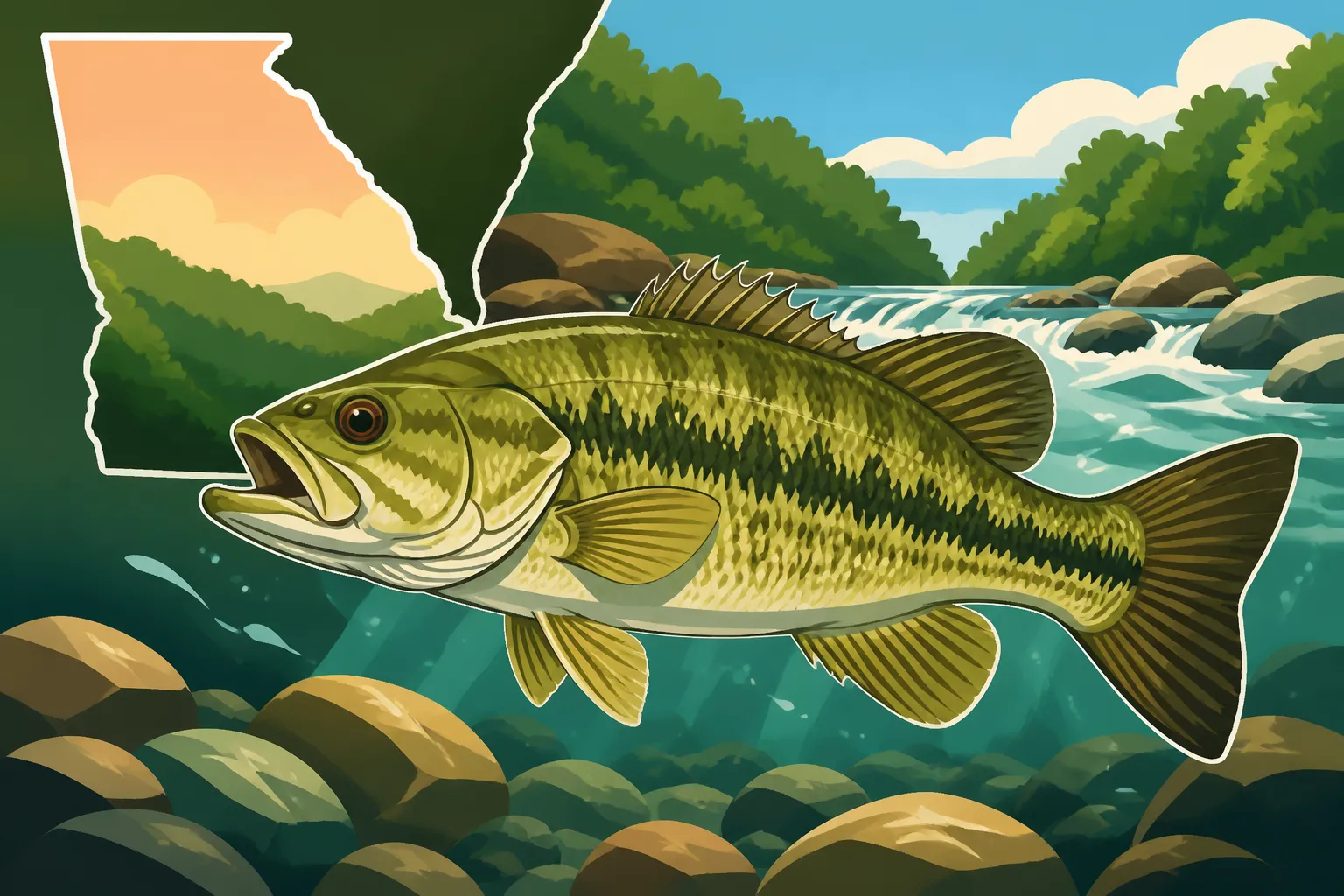
When you're out on the water, especially in a river system where multiple bass species might coexist, identifying a shoal bass correctly can be a fun challenge. They generally possess a more streamlined body than a largemouth, a feature that helps them navigate strong currents with ease. Their coloration tends to be darker, often a deep olive green to almost black on the back, fading to lighter sides with distinct vertical bars or blotches that can sometimes form a broken lateral line. The belly is usually white.
One of the most crucial identification markers lies in the mouth. A shoal bass’s jaw typically extends to about the middle of the eye, not beyond it as it does with a largemouth bass. Their scales also appear smaller and more uniform than those of a largemouth. Perhaps the most definitive characteristic, and one that differentiates them from spotted bass, is the lack of a "tongue patch"—a small, rough patch of teeth on the tongue. If you gently feel the tongue of a suspected shoal bass, it will be smooth, whereas a spotted bass will have that distinctive patch. Knowing these subtle differences is key to truly appreciating your catch and adhering to specific regulations. If you're keen to truly master the visual cues, check out our guide on How to Identify a Shoal Bass.
Native Habitat: Where They Truly Belong
Shoal bass are true river dwellers, endemic to a handful of southeastern river systems, with Georgia being one of their prime strongholds. They are primarily found in clear, flowing water that features rocky bottoms, gravel beds, and, as their name suggests, distinct "shoals" – areas where the river becomes shallower and the current accelerates over rocks. These aren't fish you'll typically find in large, deep, slow-moving lakes or ponds; they demand the oxygenated, turbulent environment that only a healthy river can provide.
Their preference for these specific habitats is no accident. The constant flow of water provides abundant oxygen and brings a continuous supply of food. The rocky structures offer cover from predators, ambush points for their prey, and crucial spawning grounds. This is a stark contrast to largemouth bass, who often prefer submerged vegetation, standing timber, or muddy bottoms in calmer waters. While spotted bass can also be found in riverine environments, shoal bass are even more specialized for the fastest, rockiest sections.
Unique Behavior and Diet: The River Specialist's Life
Life in a swift river shapes every aspect of a shoal bass's behavior. They are formidable ambush predators, using the current to their advantage. You'll often find them positioned just out of the main current, behind a large rock, a submerged log, or in a deep scour pool, waiting for an unsuspecting crayfish or minnow to drift by. Their powerful tails and muscular bodies are built for short, explosive bursts of speed against the flow, allowing them to dart out, grab a meal, and quickly retreat to their sheltered spot.
Their diet primarily consists of organisms that thrive in river environments. Crayfish are a huge favorite, as are various minnow species, darters, and aquatic insects. This specialized diet influences the types of lures and baits that prove most effective when targeting them. Because they are constantly battling currents and expending energy, shoal bass are incredibly aggressive feeders and, consequently, some of the hardest-fighting freshwater fish in Georgia. Hooking into a strong shoal bass in heavy current is an experience few anglers forget, as they pull with an intensity that often belies their size.
Where to Find Georgia's Shoal Bass Strongholds
If you're eager to tangle with a shoal bass, you need to head to the right kind of water. Georgia is blessed with some incredible rivers that provide the perfect environment for these river specialists to thrive. Knowing where to go and what kind of river conditions to look for will significantly increase your chances of success.
The Mighty Flint River: The Quintessential Shoal Bass Spot
Without a doubt, if you’re serious about catching shoal bass in Georgia, the Flint River is where you need to be. This remarkable waterway is often referred to as the epicenter of shoal bass fishing, particularly its upper and middle stretches. What makes the Flint so special is its largely unimpeded flow, which creates miles upon miles of ideal rocky shoals, swift currents, and deep pools that are exactly what shoal bass require. Shoal Bass: Georgia's Flint River Specialist is a great resource if you're planning a trip there.
Anglers journey from far and wide to experience the wild, untamed beauty of the Flint and the powerful fights its shoal bass offer. It’s not just a fishing trip; it’s an adventure into a truly unique Georgia ecosystem. While navigating the Flint can be challenging due to its rocky nature and varying water levels, the reward of hooking into a strong, native shoal bass makes every bit of effort worthwhile. Public access points can be found, but often getting to the best fishing requires a kayak, canoe, or a shallow-draft boat.
Other Notable Rivers and Tributaries Across Georgia
While the Flint River is legendary, it's not the only place you might find shoal bass in Georgia, though they might be less numerous or localized elsewhere. Other river systems that share similar characteristics—clear, flowing water with rocky sections—can hold populations. For example, parts of the Chattahoochee River system, particularly some of its tributaries upstream, can occasionally yield shoal bass. The Ochlockonee River, which flows into Florida, and certain parts of the Altamaha River basin are also known to support populations.
These secondary locations often offer a more remote and less pressured fishing experience. They might require more exploration and research, but for the adventurous angler, discovering a lesser-known shoal bass spot can be incredibly rewarding. It's always worth checking local Georgia Department of Natural Resources (DNR) information for specific river systems to understand population distributions and any special regulations. Don't be afraid to cast a line in a new river that looks like it has the right current and rock structure; you might just uncover a hidden gem.
Identifying Ideal River Conditions for Shoal Bass
To truly target shoal bass effectively, you need to learn to "read" the river. Shoal bass aren't just anywhere in a river; they concentrate in specific areas that offer the perfect combination of current, cover, and feeding opportunities. Look for distinct rock formations, swift riffles transitioning into deeper pools, and areas where the current forms eddies or breaks behind large boulders or downed trees. These are prime ambush points where they can sit comfortably and wait for food.
The health of the river is paramount. Clear, clean water is essential, as is a healthy insect and crustacean population. Overhanging banks and areas with submerged timber that create current seams can also be productive. Think about where a strong current is disrupted, creating a calmer zone adjacent to fast-moving water. This is where the fish will hold, expending minimal energy while having easy access to passing prey. Understanding these micro-habitats within a larger river system is the key to consistent shoal bass success.
Gear and Techniques for Shoal Bass Success
Tackling shoal bass requires a slightly different approach than your typical lake bass fishing. These aren't lazy fish cruising through lily pads; they are powerful athletes adapted to current, and your gear and techniques need to match their strength and environment.
Rods, Reels, and Line Choices for the Fight
Given the powerful fight a shoal bass delivers in strong current, your equipment needs to be up to the task. A medium-heavy to heavy power rod with a fast action is generally recommended. This setup provides the backbone to pull fish out of current and heavy cover while maintaining enough sensitivity to detect subtle bites. Both spinning and casting setups can work, but many experienced river anglers prefer casting gear for accuracy and power.
For reels, a sturdy model with a smooth, reliable drag system is crucial. You'll want to be able to quickly adjust to powerful runs. Line choice is also paramount: consider 12-17 pound monofilament for its shock absorption, or 15-30 pound braided line for incredible sensitivity and strength, often with a fluorocarbon leader (10-15 pound) for abrasion resistance against rocks and invisibility. You can find a wide selection of these specialized fishing lines on Amazon, ensuring you're ready for the tough conditions. Best Rod and Reel Combo for Largemouth Bass in Georgia is a good general guide, but remember to lean towards heavier power for shoal bass.
Best Baits and Lures for Tempting Shoal Bass
Shoal bass are opportunistic predators, and their diet of crayfish, minnows, and insects dictates your lure selection. Mimicking these natural food sources is your best bet. Here are some proven winners:
- Crayfish Imitations: Jigs with creature baits or craw trailers (1/4 to 1/2 oz) are deadly. Darker colors like brown, green pumpkin, and black/blue are often effective, especially when fished along the bottom in rocky areas.
- Minnow Imitations: Crankbaits (especially those designed for shallow to medium depths with a wide wobble), jerkbaits, and swimbaits can be highly productive. Choose natural baitfish colors.
- Spinnerbaits and Buzzbaits: These lures are excellent for covering water and triggering reaction strikes, particularly around current breaks and over submerged structure.
- Topwater Lures: During low light conditions (dawn, dusk, or overcast days), walking baits or poppers can entice explosive strikes from shoal bass that are feeding near the surface.
Always consider water clarity and light conditions when selecting colors. In clear water, more natural patterns often work best, while in stained water, brighter or darker, silhouetted lures can be more visible. For more specific recommendations on what to tie on, check out Best Bait and Lures for Shoal Bass Fishing.
River Fishing Tactics: Wading, Kayaking, and Boat Positioning
Successfully fishing for shoal bass often means adapting your approach to the river itself.
- Wading: For many, wading is the quintessential shoal bass experience. It allows for stealth and precise lure presentation in specific current seams and around rocks. However, safety is paramount. Always wear sturdy wading boots with good grip, a wading belt, and ideally, use a wading staff for stability in slippery, uneven currents. Never wade alone in unfamiliar or swift waters.
- Kayak or Canoe: These craft are excellent for navigating shallower, rocky sections of rivers that larger boats can’t access. They offer a quiet approach, minimizing disturbance to the fish. A good fishing kayak equipped with a stable platform and perhaps a shallow anchor system can be incredibly effective. Consider a Kayak Fishing Gear Guide for Beginners to get started.
- Power Boats: If using a power boat, jet boats or prop boats with extreme caution are necessary in rocky shoal bass rivers. Navigation skills are critical to avoid damaging your boat or, worse, causing an accident. Focus on maneuvering your boat into position to make targeted casts into current breaks and deeper pools, often using a trolling motor to hold your position against the current.
Regardless of your chosen method, casting accuracy is key. Shoal bass will often hold in very specific, small current seams, and a precise cast that lands your lure in the "strike zone" will make all the difference. Work lures against or across the current to give them a natural presentation, mimicking how real prey would drift.
Conservation and Regulations for Shoal Bass
As a native and specialized species, shoal bass face unique conservation challenges. Understanding and adhering to regulations, as well as practicing responsible angling, are crucial for ensuring healthy populations for future generations.
Understanding Size and Creel Limits
Shoal bass are often subject to specific fishing regulations that differ from those for largemouth or spotted bass, precisely because of their unique habitat and slower growth rates in some systems. It is absolutely essential to check the latest Georgia fishing regulations before you head out, as limits can vary by river system and even by specific stretches of a river. For example, the Flint River often has its own set of rules designed to protect its valuable shoal bass fishery.
These regulations typically include a minimum size limit, meaning any fish caught below a certain length must be immediately released. There's also usually a daily creel limit, restricting the number of fish you can keep in a 24-hour period. These rules are put in place by wildlife agencies to manage fish populations, prevent overfishing, and allow fish to reach reproductive maturity. Ignorance of the law is no excuse, and penalties for violations can be significant. Always verify the current Shoal bass minimum length in Georgia and other specific rules. You might even find special exceptions like the Flint River shoal bass size limit exception in certain areas.
Catch and Release Best Practices
Due to their conservation status and the desire to maintain trophy fisheries, many anglers who target shoal bass practice catch and release, especially for larger specimens. Proper handling significantly increases a fish's chances of survival after release.
Here are some best practices:
- Minimize Fight Time: Use appropriate gear to land the fish quickly, reducing stress.
- Wet Hands: Always wet your hands before handling a fish to protect its protective slime coat.
- Support the Fish: If taking a photo, support the fish horizontally with two hands (one under the belly, one grasping the jaw loosely) to avoid damaging its internal organs or jaw.
- Quick Release: Have your camera ready, snap a quick photo if desired, and get the fish back in the water as soon as possible.
- Revive If Necessary: In strong currents, hold the fish gently facing upstream, allowing water to flow over its gills until it regains its strength and swims away on its own.
By following these simple guidelines, you contribute directly to the health and longevity of Georgia's amazing shoal bass populations.
The Future of Shoal Bass: Conservation Efforts
The future of shoal bass, like many native river species, is directly tied to the health of their aquatic ecosystems. Threats such as habitat degradation from pollution, sediment runoff, and river impoundments (dams) can severely impact their populations. Free-flowing rivers, especially those with natural shoals, are increasingly rare and incredibly valuable.
Conservation efforts focus on protecting and restoring these critical river habitats, managing water quality, and ensuring fish passage where dams might exist. Anglers play a vital role in these efforts by adhering to regulations, practicing responsible angling, and supporting organizations dedicated to river conservation. Advocating for healthy rivers and reporting any signs of pollution or illegal activities helps safeguard these unique fish. Protecting Georgia’s wild river systems isn't just about saving the shoal bass; it's about preserving a vital part of our natural heritage and ensuring that future generations can experience the thrill of catching these remarkable river specialists.
Comparing Shoal Bass to Their Black Bass Cousins
For many anglers, distinguishing between the various black bass species can be tricky, especially when they share similar waters. Understanding the differences between shoal bass, largemouth bass, and spotted bass is not only good for identification but also helps you refine your fishing strategies.
Shoal Bass vs Largemouth Bass: A Tale of Two Habitats
The most obvious distinction between a shoal bass and a largemouth bass lies in their preferred habitat and physical adaptations. Largemouth bass, as their name suggests, have a much larger mouth, with the jaw extending well past the eye. They are built for ambush in still or slow-moving water, thriving in lakes, ponds, and river backwaters where they can hide in dense cover like grass beds, lily pads, or submerged timber. Their bodies are often thicker and less streamlined than a shoal bass.
Conversely, the shoal bass has a smaller mouth, rarely extending past the middle of the eye, and a sleeker, more torpedo-shaped body. These features are perfectly suited for navigating and feeding in swift currents. While you might occasionally find a largemouth in a sluggish river section, you'll rarely find a shoal bass in a large reservoir. The fishing experience also differs significantly: largemouth fishing often involves targeting visible cover with heavier jigs and plastics, while shoal bass fishing focuses on current breaks and rocky structures with lures that mimic riverine prey. If you want to delve deeper into distinguishing bass species, check out Largemouth Bass vs Spotted Bass: How to Tell Them Apart in Georgia.
Shoal Bass vs Spotted Bass: Subtle Distinctions
This comparison can be the trickiest, as both shoal bass and spotted bass often inhabit similar rocky, clear, flowing river environments and share many physical similarities. Both have a generally streamlined body shape and a mouth that doesn't extend far past the eye. This is where those subtle identification markers become critical.
The absolute key differentiator is the aforementioned "tongue patch." Spotted bass have a rough patch of teeth on their tongue, whereas shoal bass do not. Additionally, while both species have distinct lateral blotches, spotted bass typically have rows of spots below the lateral line that can appear like faint stripes, giving them their "spotted" name. Shoal bass, while sometimes having vertical bars, typically lack these distinct spots on their lower flanks. Even seasoned anglers can sometimes get these two mixed up, which highlights the importance of careful examination, especially if you're fishing in an area with specific regulations for each species. Our guide on Spotted Bass Identification: What Makes It Different can provide more visual cues.
Black Bass Species Comparison
Here's a quick comparison of these three black bass species you might encounter in Georgia:
| Feature | Shoal Bass | Largemouth Bass | Spotted Bass |
|---|---|---|---|
| Primary Habitat | Free-flowing rivers, rocky shoals, swift current | Lakes, ponds, slow rivers, heavy cover (weeds, wood) | Rivers, clear lakes, rocky bottoms, moderate current |
| Mouth Size | Jaw ends at or before middle of eye | Jaw extends well past the eye | Jaw ends at or before middle of eye |
| Tongue Patch | Absent (smooth tongue) | Absent (smooth tongue) | Present (rough patch) |
| Body Shape | Streamlined, torpedo-like | Robust, somewhat football-shaped | Streamlined, similar to shoal bass |
| Coloration | Dark olive to black, distinct vertical bars | Green to dark green, prominent dark lateral line | Green to bronze, distinct spots below lateral line |
| Fighting Style | Extremely powerful in current, strong runs | Hard pulls, often jumps, uses cover | Strong fight, often deep, good stamina |
Disclaimer
This article is for general informational purposes only and does not constitute professional advice. Laws, prices and regulations vary by location and change over time. Consult a qualified professional for guidance on your specific situation.