Does Rain Make Fishing Better or Worse?
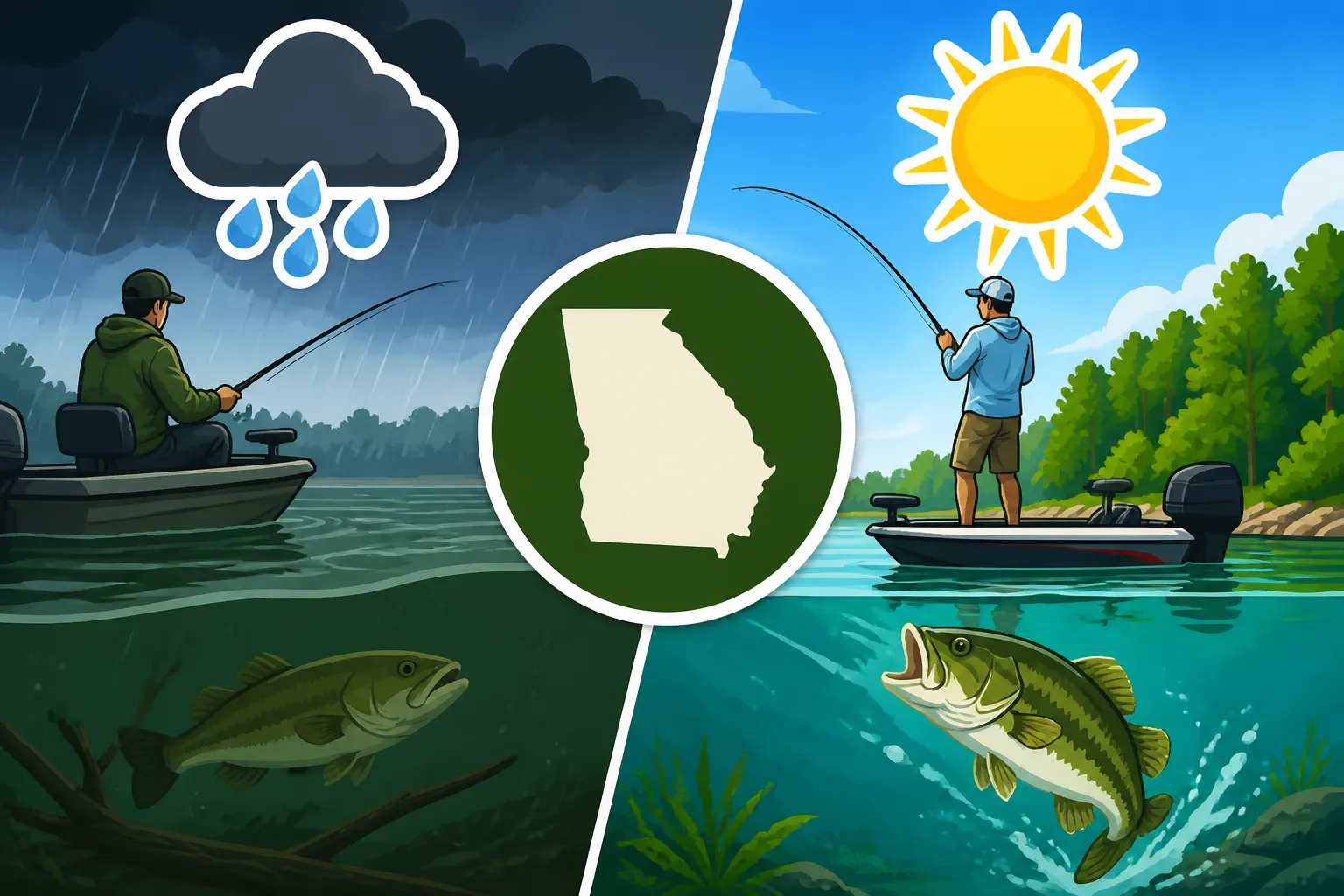
Oh, the classic Georgia angler's dilemma: you wake up, look out the window, and see those tell-tale raindrops starting to fall. Does it mean your fishing plans are completely washed out, or is it actually a secret blessing from the fishing gods? It's a question every one of us has pondered, staring at the grey skies with a mix of dread and hope. This guide is here to shed some light on whether rain makes fishing better or worse in Georgia, exploring the nuances of how different types of rain can truly impact your day on the water.
Understanding How Rain Affects Fish Behavior
Before we even cast a line, it's crucial to understand that rain isn't just "rain" to a fish; it's a whole cascade of environmental changes that can drastically alter their mood, location, and feeding patterns. What might seem like a minor drizzle to us is a series of significant shifts to their aquatic world.
Water Temperature Changes and Fish Activity
One of the most immediate impacts of rain, especially during warmer months, is a drop in water temperature. Picture a hot Georgia summer day on Lake Lanier. The surface water can be stifling, sending bass and other species deep in search of cooler, more oxygenated zones. A good rain shower, even a brief one, can cool that top layer of water, making those shallower areas more comfortable and inviting for fish. This often brings them up from the depths, closer to where you can reach them.
However, during colder seasons, an already chilly rain can make the water even colder, potentially sending fish deeper or making them more lethargic. It's all about context. A sudden cold rain after a warm spell can be a shock to the system for fish, sometimes making them shut down. On the flip side, a warm, gentle rain during a chilly spring might actually invigorate them. It’s a delicate balance, and understanding How Water Temperature Affects Fish Behavior is key to cracking the code.
Oxygenation and Water Flow
Rainfall introduces fresh oxygen into the water, particularly through surface agitation. This is especially beneficial in stagnant ponds or areas of lakes with poor circulation, which can sometimes become oxygen-depleted, especially in summer. The added oxygen can perk up sluggish fish, making them more active and willing to feed.
Beyond oxygen, rain also affects water flow. Small creeks and feeder streams that were barely a trickle can suddenly become gushing highways, washing nutrients, insects, and even small baitfish into larger bodies of water. This influx creates a natural feeding frenzy opportunity for predators. Think about all those worms and bugs that get washed into the water from your lawn – fish see that as an all-you-can-eat buffet!
Light Reduction and Fish Predation
Rainy days, especially those with heavy cloud cover, significantly reduce the amount of light penetrating the water. For many fish species, particularly those that are sensitive to bright light, this is a welcome change. It allows them to move into shallower, more open areas where they might typically hide from predators or bright sun.
The reduced visibility also works to an angler's advantage. Fish are less likely to spot your boat, your shadow, or your line, making them less wary. This can make them more aggressive and less hesitant to strike. It's like the fishing equivalent of wearing a camouflage suit – you're harder to detect, and they're more confident in their movements. This effect is often why fishing just before or during a storm can be so productive; the low light and atmospheric pressure changes really get them going, as discussed in Best Techniques Right Before a Storm.
Fishing During a Gentle Rain or Drizzle: Often a Green Light
Let's talk about the good stuff first. A gentle, steady rain or a persistent drizzle often signals "go time" for many Georgia anglers. It's not too aggressive, and the benefits for fishing often outweigh any minor discomfort for us.
Surface Disturbance and Noise Reduction
A light rain creates a natural disturbance on the water's surface, breaking up the clear reflection and making it harder for fish to see what's above. This is like a security blanket for them, allowing them to feel more comfortable venturing out from cover. They're less likely to be spooked by your boat or your presence on the bank.
Moreover, the gentle pitter-patter of rain on the water helps to muffle other sounds. The splashing of your lure, the creak of your boat, or even your own hushed whispers are all less likely to carry and alert fish to your presence. This stealth factor can be a huge advantage, especially when targeting wary species like trout in a clear mountain stream or bass in a popular lake.
Increased Cover and Forage Availability
The surface disturbance effectively provides a form of "cover" for fish, allowing them to feel less exposed. They might move into shallower water or more open areas than they would on a bright, sunny day. This means fish that were holding tight to structure might start cruising more openly, making them easier targets.
As mentioned earlier, a gentle rain also washes terrestrial insects, worms, and other delicious morsels into the water. Critters living near the bank often get dislodged and fall in, becoming an easy meal. Many anglers swear by fishing with worm imitations or small creature baits during a light rain, mimicking these natural food sources. It's nature's way of setting the table for an opportunistic feast.
Species That Thrive in Light Rain
Many popular Georgia fish species respond positively to a gentle rain:
- Largemouth Bass: These guys love the reduced light and surface disturbance. They'll often move into shallower cover, like lily pads, submerged timber, or docks, becoming more active. Throwing topwater baits, spinnerbaits, or shallow crankbaits can be incredibly effective.
- Crappie: Often found around brush piles and submerged structure, crappie can become more aggressive in low light. The fresh oxygen and potential influx of small insects can really get them biting. Try jigs or minnows fished vertically near cover.
- Trout: In our North Georgia mountain streams, a light rain can be a dream. It cools the water, washes in insects, and makes the trout less spooky. Fly anglers often have banner days, and spin fishermen can do well with small spinners or natural baits. Check out Toccoa River Trout Fishing in Georgia for some prime spots where rain can make a difference.
- Catfish: These bottom-dwellers don't mind the rain at all. In fact, the added flow and runoff bringing new food into the water can make them incredibly active. Bottom fishing with cut bait or stink bait during or after a light rain is a classic tactic.
Fishing During a Heavy Downpour or Storm: Proceed with Caution
While a gentle rain can be golden, there's a definite point where "too much of a good thing" kicks in. Heavy downpours, especially those accompanied by lightning or strong winds, can turn a promising fishing trip into a dangerous and unproductive endeavor.
Water Clarity Issues and Overwhelmed Fish
A torrential downpour can quickly turn crystal-clear waters into a muddy mess. The sheer volume of water running off the land carries with it silt, dirt, and debris, drastically reducing visibility. While some fish, like catfish, are less reliant on sight, many predatory fish, including bass and trout, depend on it to hunt. When the water gets too murky, they can struggle to find food and may become disoriented or shut down.
Additionally, fish can become "overwhelmed" by the sudden, drastic changes. Rapid fluctuations in water levels, temperature, and current can push them out of their comfort zones, sending them hunkering down rather than actively feeding. This is particularly true in smaller streams or rivers that quickly swell and become powerful torrents.
Strong Currents and Safety Concerns
Heavy rain almost always means increased current, especially in rivers and areas near culverts, dams, or feeder creeks. While some current is good, excessive current can make it incredibly difficult for fish to hold their position and forage. They'll often seek out calm eddies or slack water to conserve energy, making them harder to find.
More importantly, heavy storms bring significant safety risks. Lightning is a serious threat on open water, and sudden high winds can capsize small boats or kayaks. Swollen rivers can create dangerous undertows and sweep away wading anglers. Your safety should always be the top priority. No fish is worth risking your life. For tips on staying safe, remember to always have a Safety Gear Checklist for Georgia Boaters on hand. Even bank anglers need to be mindful of slippery banks and rising water.
When to Pack Up and Head Home
If you're dealing with anything more than a steady drizzle – think thunder, lightning, strong gusts of wind, or water turning chocolate brown – it's time to call it a day. It's not just about comfort; it's about common sense. You're unlikely to have productive fishing, and you're putting yourself and anyone with you at risk.
Another factor to consider is the barometric pressure. While a falling barometer before a storm often signals increased fish activity, a rapidly dropping or extremely low barometer during a severe storm can make fish feel disoriented and less inclined to feed. This is something keen anglers pay close attention to, understanding How Barometric Pressure Affects Fish Activity.
Post-Rain Fishing: The Golden Hour (or Day!)
Often, the best fishing doesn't happen during the rain itself, but in the hours and days immediately after the storm has passed. This is when the environment has settled, but the benefits of the rainfall are still very much present.
Runoff and Nutrient Influx Continues
Even after the rain stops, the runoff from land continues for some time. This means that all those worms, insects, and nutrients are still being washed into the water, creating an extended feeding opportunity. Fish will often congregate around these inflow areas – the mouths of creeks, culverts, or ditches – waiting for an easy meal.
This is a fantastic time to target areas where fresh water enters the main body of water. Think about fishing the shallow flats near a creek mouth on Lake Oconee or the edges of a newly flooded field near the Altamaha River. These spots can be absolute goldmines as fish move in to capitalize on the bounty.
Improved Water Clarity and Stable Conditions
Once the heaviest runoff subsides, the water often begins to clear, but the benefits of reduced light penetration (from lingering cloud cover) and increased oxygen persist. This combination creates ideal feeding conditions. The initial shock of the storm has passed, and fish are usually more settled and ready to feed aggressively.
The "stable conditions" here refer to a settling barometer and water levels that, while potentially higher, are no longer fluctuating wildly. Fish thrive on stability, and after the chaotic nature of a storm, a period of calm with abundant food can trigger some fantastic bites. Many experienced anglers prefer the day after a storm to fishing during it, especially for species like largemouth bass. You can learn more about general patterns in Fishing After Rain.
Targeting Specific Post-Rain Hotspots
- Creek Mouths and Inflows: As mentioned, these are prime locations. Fish stack up here, waiting for food to be delivered. Use a variety of baits – anything that mimics a displaced bug or baitfish can work.
- Shallow Flats and Edges: Fish will often move out of deeper water and into shallower areas, especially if there's new cover or submerged vegetation due to higher water levels. Work the edges of these flats with crankbaits, jigs, or soft plastics.
- Isolated Cover: Any logs, rocks, or brush piles that were submerged by rising water become new ambush points for bass and crappie. Don't overlook these newly accessible areas.
- Reservoir Banks: For lake fishing, particularly on large reservoirs like Clarks Hill Lake or West Point Lake, the banks that receive direct runoff can be excellent. Fish will cruise these areas. Try parallel casts along the shore.
Gear and Preparation for Rainy Days in Georgia
If you're going to venture out in the rain, even a gentle one, being prepared makes all the difference. Comfort and safety are paramount.
Essential Rain Gear
First and foremost, invest in good rain gear. A reliable waterproof jacket and pants are non-negotiable. Look for something breathable to prevent you from getting soaked from the inside out. Brands like Frogg Toggs are popular among anglers for their lightweight, waterproof properties, and you can often find great options on online retailers like Amazon.
- Waterproof Outerwear: Jacket and pants that truly repel water, not just resist it.
- Waterproof Footwear: Muck boots or waterproof hiking boots are a must. There's nothing worse than cold, wet feet.
- Headwear: A waterproof hat with a brim will keep rain out of your eyes and off your face.
- Waterproof Bags/Dry Boxes: Protect your electronics, car keys, wallet, and extra clothing. An inexpensive dry bag from Amazon can save your phone.
For more details on what to wear, refer to Best Rain Gear and Layers for Boat Fishing. Even if you're How to Fish a Lake Without a Boat, layering properly is vital.
Protecting Your Tackle and Electronics
Rain can wreak havoc on your gear. Keep your tackle box or bag closed when not actively using it, and consider using waterproof tackle trays to organize your lures and protect hooks from rust. Modern electronics, like fish finders, are usually water-resistant, but it's always wise to wipe them down thoroughly after a rainy trip and store them in a dry place.
If you're bringing a cell phone, either keep it in a truly waterproof case or a dry bag. Don't assume your pocket will keep it safe from a persistent drizzle!
Safety First, Always
Never, ever underestimate the power of Mother Nature. If you see lightning, hear thunder, or feel the wind picking up significantly, it's time to get off the water or seek shelter immediately. Trees are not safe during lightning storms. Head for an enclosed building or your vehicle.
Tell someone where you're going and when you expect to be back, especially if you're fishing alone. Bring a fully charged phone, and always wear your life jacket, even if you're an experienced swimmer. Even a light rain can make surfaces slippery, increasing the risk of a fall, particularly on boat ramps or rocky banks.
A Quick Glance: Rain's Impact on Fishing
| Condition | Water Clarity | Oxygen Levels | Fish Activity | Best for Species | Potential Dangers |
|---|---|---|---|---|---|
| Light Rain/Drizzle | Good/Slightly cloudy | Increased | Often Increased | Bass, Trout, Crappie, Catfish | Slippery surfaces |
| Heavy Downpour | Very Murky | Increased | Often Decreased | Catfish (sometimes) | Lightning, High Current, Flash Floods, Decreased Visibility |
| Post-Rain (hours after) | Improving | High | Often Excellent | Bass, Crappie, Catfish, Trout | Lingering high current, Slippery banks |
Ultimately, whether rain makes fishing better or worse depends on the type of rain, the time of year, and the species you're targeting. A gentle, cooling rain on a hot summer day can absolutely turn a slow day into a fantastic one, waking up lethargic fish and providing excellent cover. For many Georgia anglers, those overcast, drizzly days are some of the most productive. The quiet solitude, the crisp air, and the thrill of a bite when others have packed it in – there’s a special magic to fishing in the rain. Just remember to always prioritize your safety, respect the weather, and be prepared for whatever the skies throw at you!
Disclaimer
This article is for general informational purposes only and does not constitute professional advice. Laws, prices and regulations vary by location and change over time. Consult a qualified professional for guidance on your specific situation.