Techniques That Work Better From a Boat
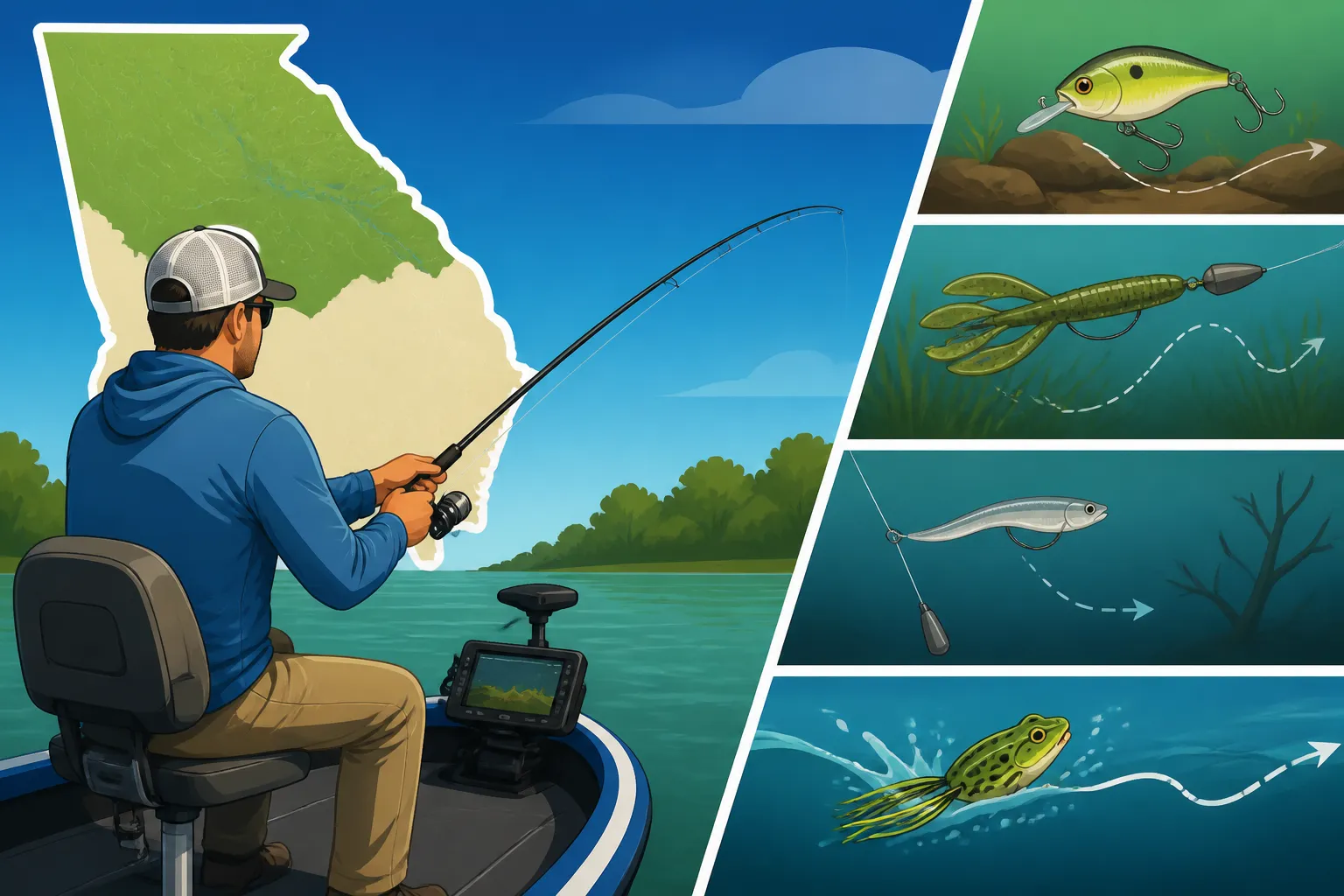
It's a frustrating scenario for any angler: you're standing on the bank, casting your heart out, watching other boats out on the water, seemingly catching fish from spots you can only dream of reaching. While bank fishing certainly has its charm and can be incredibly productive, there are undeniably some game-changing fishing techniques that truly come alive, or are even exclusively possible, when you have a boat at your disposal. This guide dives deep into those techniques, explaining why they're so effective and how having a boat opens up a whole new world of angling opportunities here in Georgia.
Unlocking Vast Waters and Remote Structures
One of the most immediate and undeniable advantages of fishing from a boat is the sheer ability to cover more water and access areas that are completely out of reach from the shore. No longer are you limited to casting distance; your horizons literally expand to the entire lake, river, or even the vast coastal sounds.
Trolling for Open-Water Predators
Imagine a massive lake like Lanier or Lake Oconee. From the bank, you might catch a few bass or crappie hugging the shorelines. But what about the massive schools of striped bass or hybrid striped bass that roam the open water, chasing baitfish in the middle of the lake? Trolling is a technique that is simply impossible without a boat, and it's incredibly effective for these nomadic predators. You can set multiple lines with different lures or baits at varying depths and speeds, effectively presenting a spread that mimics a school of baitfish. As your boat moves, your lures cover vast stretches of water, increasing your chances of intercepting a hungry fish.
Think about it: you can target depths where temperature and oxygen levels are just right, or follow contours and submerged creek channels that are far from any land. This method is a fantastic way to find active fish, especially when they aren't concentrated in obvious shore-based cover. Anglers often experiment with different speeds, lure colors, and diving depths to figure out what the fish are keying in on that day. You'll want robust rods and reels, and often specialized planar boards or downriggers, which you can easily research and purchase from online retailers like Amazon to help get your lures into the strike zone.
Accessing Off-Shore Habitat and Cover
Georgia's reservoirs are full of incredible fish-holding structures that are often miles from any bank. We're talking about submerged roadbeds, old foundations, brush piles placed by anglers, deep humps, ledges, and standing timber that might be 30, 40, or even 100 feet deep. From the shore, these spots are just theoretical points on a map. From a boat, they become prime fishing targets.
With modern electronics, which have become incredibly accessible and powerful, you can precisely locate these hidden gems. You can then drop anchor or use a Spot-Lock feature on a trolling motor to hold your position directly over the structure. This allows for pinpoint casting or vertical presentations that would be impossible otherwise. For example, some of the Best Bass Fishing Lakes in Georgia might have incredible offshore humps that hold trophy fish, but you'd never know they were there, let alone reach them, without a boat. Being able to access these untouched areas often means less fishing pressure and more productive angling.
Precision and Specialized Presentations
Beyond just reaching new areas, a boat allows for a level of precision and a range of specialized fishing techniques that are either highly inefficient or entirely impossible from the bank. These techniques leverage the boat's mobility and stability to put your bait exactly where the fish are.
Vertical Jigging and Dropping
Imagine you've located a massive brush pile in 25 feet of water using your fish finder, and it's loaded with crappie. From the bank, you might cast a jig near the general vicinity, hoping it sinks to the right depth and drifts into the structure. From a boat, especially with a good trolling motor and electronics, you can position your boat directly over that brush pile. This enables you to drop a jig or a live minnow straight down into the heart of the cover. This "vertical jigging" is incredibly effective because it keeps your bait in the strike zone longer and allows for a subtle presentation that often triggers bites from hesitant fish.
This technique is also vital for understanding how to jig for crappie in deep water, often involving a precise slow lift and fall, or simply holding the bait perfectly still right in front of a fish you see on your screen. The precision means fewer snags and more time fishing effectively. The same goes for targeting spotted bass holding tight to deep rock piles or channel catfish nestled in submerged debris. A boat gives you the angle to present baits exactly where the fish are holding, minimizing wasted casts and maximizing your hook-up ratio.
Trolling with Downriggers and Planer Boards
We touched on trolling for open-water predators, but it’s worth emphasizing the role of specialized gear like downriggers and planer boards, which are exclusively boat-based tools. Downriggers allow you to precisely control the depth of your lures, sending them down to specific thermoclines or directly into bait balls you see on your sonar. This is critical when fish are suspended at a particular depth, say, 40 feet in 100 feet of water. Trying to get a lure to consistently run at that depth with just line and lead from the bank is a pipe dream.
Planer boards, on the other hand, pull your lines out to the sides of the boat, allowing you to cover an even wider swath of water and present baits to fish that might be spooked by the boat's presence. This is particularly useful for wary species or in clear water conditions. Both of these tools require a moving boat and greatly enhance your ability to present baits across a wide area and at precise depths, something a bank angler simply cannot replicate. If you're serious about chasing open-water striped bass, equipping your boat with quality downriggers and planer boards can make a huge difference, and you can find a wide selection of these specialized items on Amazon.
Targeting Deep-Dwelling and Open-Water Species
While many popular Georgia fish species, like largemouth bass and bream, can be caught effectively from the bank, several other highly sought-after species are far more accessible and consistently caught from a boat due to their preferred habitats and feeding behaviors.
The Elusive Striped Bass and Hybrid Striper
Striped bass are true open-water hunters. They follow schools of baitfish, often suspending in deep water or chasing shad on the surface in vast sections of lakes like Lanier, Lake Hartwell, and Clarks Hill Lake. While a "boil" of stripers crashing bait on the surface might occasionally come close to shore, consistent success for these powerful fish almost always requires a boat. Techniques like Deep Water Techniques for Striped Bass or live bait freelining require you to be able to navigate to where the schools are.
Imagine watching your fish finder light up with a massive school of baitfish, and beneath them, those tell-tale arches of big stripers. With a boat, you can position yourself, drop live bait down, or cast bucktail jigs directly into the feeding frenzy. Without a boat, you're left guessing where these fish might be, and your chances plummet dramatically. These fish are constantly on the move, and a boat is your only ticket to staying with them.
Deepwater Crappie and Catfish
Crappie, while often found in shallow cover during the spawn, spend a significant portion of the year holding tight to deep brush piles, submerged timber, and ledges. These structures can be 20 to 40 feet deep, or even more. Successfully targeting these deepwater crappie involves using a boat to find the structure with sonar and then precisely positioning over it to vertically jig or spider rig with multiple poles. This allows you to present baits at different depths within the structure until you find the fish.
Similarly, large blue catfish and flathead catfish in Georgia's big rivers and reservoirs often prefer deep holes, main river channels, and submerged log jams that are far from shore. While smaller channel catfish can be caught from the bank, the trophy-sized blues and flatheads typically require boat access to reach their deepwater lairs. Methods like Jug Fishing for Catfish or trotlining are inherently boat-dependent, allowing anglers to target vast areas of water and present multiple baits where these powerful fish reside. Being able to anchor precisely in a deep channel or against a submerged bank is key to presenting large cut bait or live baits effectively for these monsters.
Enhanced Control and Strategic Positioning
Beyond simply accessing more water, a boat provides an unparalleled level of control over your presentation and positioning, which is critical for many advanced fishing scenarios.
Holding Position Over Structure
Think about fishing a river current or a windy day on a large lake. From the bank, your bait is at the mercy of the current or waves, drifting wherever they take it. From a boat, with a strong trolling motor – especially one with GPS anchoring capabilities like a Minn Kota or MotorGuide – you can hold your position precisely over a specific rock pile, a submerged hump, or even a single brush pile. This allows you to repeatedly cast to the exact same spot, or drop a bait vertically, ensuring your lure spends as much time as possible in the strike zone. This ability to "sit" on a productive spot is a massive advantage when fish are holding tight to structure.
Consider a scenario on the Chattahoochee River's headwaters; if you're fishing for trout in a strong current, a boat allows you to anchor upstream and drift your flies or lures down through a specific seam or eddy, giving you repeated chances at feeding fish. Without the boat, you'd be limited to what you could reach with a cast from the bank, and your drift would be far less controlled. You can even find excellent quality, budget-friendly anchors and anchor ropes for your boat on Amazon.
Effective Patterning and Mobility
Fishing is often about "patterning" – figuring out what the fish are doing, where they are, and what they're biting on. A boat dramatically speeds up this process. If you catch a bass on a specific type of cover in 10 feet of water, a boat allows you to quickly move to similar cover elsewhere on the lake to see if that pattern holds. If a spot goes cold, you can swiftly relocate to a new area without having to pack up all your gear and drive to a new access point.
This mobility is crucial for chasing feeding fish, especially during changing conditions. If the wind picks up, you can move to a more protected cove. If the sun gets high, you can head for deeper, shadier haunts. The ability to adapt quickly and efficiently is a hallmark of successful boat fishing. It’s not just about reaching new spots, but about effectively working through multiple spots and adjusting your strategy on the fly. This becomes particularly important when trying to understand How Water Temperature Affects Fish Behavior throughout the seasons.
Comparing Fishing Approaches: Boat vs. Bank
To really highlight the differences, let's look at some key aspects where boat fishing shines compared to bank fishing.
| Feature | Boat Fishing Advantage | Bank Fishing Limitation |
|---|---|---|
| Water Coverage | Accesses entire lake/river; covers vast areas quickly (trolling). | Limited to casting distance from shore; struggles to explore large bodies of water. |
| Structure Access | Pinpoints offshore humps, ledges, submerged timber, deep brush piles with electronics. | Can only reach visible shoreline cover or shallow, accessible structures. |
| Depth Control | Precisely targets specific depths with downriggers, vertical jigging, controlled drops. | Difficult to consistently present baits at precise deepwater depths; relies on casting and retrieve. |
| Species Targeted | Ideal for open-water predators (stripers), deep crappie, large catfish, and nomadic species. | Better for shoreline-oriented species (some bass, bream, smaller catfish). |
| Presentation | Allows for complex techniques like spider rigging, specific trolling patterns, vertical presentations over structure. | Mostly limited to casting and retrieving, or simple bobber fishing. |
| Mobility & Flexibility | Quickly moves between spots, adapts to changing conditions, chases active schools. | Restricted to current location; requires packing up and driving to change spots. |
| Gear & Comfort | Ample space for multiple rods, tackle boxes, coolers, safety gear; provides shelter from elements. | Limited gear capacity; exposure to elements; often less comfortable for long sessions. |
Essential Gear for Boat-Based Techniques
Getting started with boat-based fishing doesn't necessarily mean buying the most expensive gear right away, but understanding the basics of what makes a difference is key. When you're ready to upgrade or stock up, remember that you can find a wide range of fishing gear on Amazon, often with reviews to help you make informed choices.
Electronics: Your Underwater Eyes
A reliable fish finder is arguably the single most important piece of electronics for boat fishing. It's your window into the underwater world. Modern units offer down imaging, side imaging, and traditional sonar to reveal structure, baitfish, and game fish below and to the sides of your boat. This is how you find those hidden brush piles, submerged roadbeds, and schools of stripers. For more on this, check out Best Electronics for Bass Boats.
Trolling Motors: Silent Propulsion and Precision
An electric trolling motor provides silent propulsion, crucial for stealthily approaching fish, especially in shallow water. Models with GPS features, like Spot-Lock, are game-changers, allowing you to automatically hold your boat in one spot despite wind or current. This frees you up to focus on fishing instead of constantly correcting your position.
Rods and Reels for Diverse Tactics
While you can certainly start with your existing gear, boat fishing often benefits from specialized rods and reels.
- Trolling Rods: Often longer and more stout, designed to handle the drag of multiple lines and larger lures, especially for species like stripers.
- Jigging Rods: Shorter, sensitive rods are excellent for vertical jigging, providing the feel needed to detect subtle bites in deep water.
- Heavy Catfishing Rigs: For those monster blue and flathead catfish, heavy-action rods and powerful baitcasting reels are essential.
Knowing the best rods and reels for Georgia largemouth bass, for example, can also be applied to specific boat techniques that let you target them in different environments. Having a diverse set of rods allows you to be prepared for various techniques and target species, optimizing your chances for a successful day on the water.
In conclusion, while there's a deep satisfaction in casting from the bank, the world of boat fishing truly unlocks a vast array of techniques and opportunities that are simply unattainable otherwise. From covering endless stretches of water to precisely targeting deep-dwelling giants, a boat empowers you to become a more versatile and effective angler.
Disclaimer
This article is for general informational purposes only and does not constitute professional advice. Laws, prices and regulations vary by location and change over time. Consult a qualified professional for guidance on your specific situation.