Best Bait for Bream Fishing
You know the feeling, right? You head out to your favorite Georgia pond or lake, hoping for a stringer full of those feisty bream—bluegill, redear, or shellcrackers—only to find them snubbing every bait you offer. It's frustrating, and often, the key to a successful day lies not just in where you fish, but what's on your hook. This guide is all about helping you crack the code to successful bream fishing by exploring the very best baits, both natural and artificial, for these beloved panfish right here in Georgia.
The Irresistible Charm of Live Bait for Bream
There's something undeniably effective about live bait when it comes to bream fishing. It offers natural scent, movement, and a texture that panfish find incredibly hard to resist. While artificial lures certainly have their place, sometimes you just can't beat the real thing, especially when you're introducing a beginner to the joys of fishing or just want to guarantee some action.
Earthworms: The Undisputed Classic
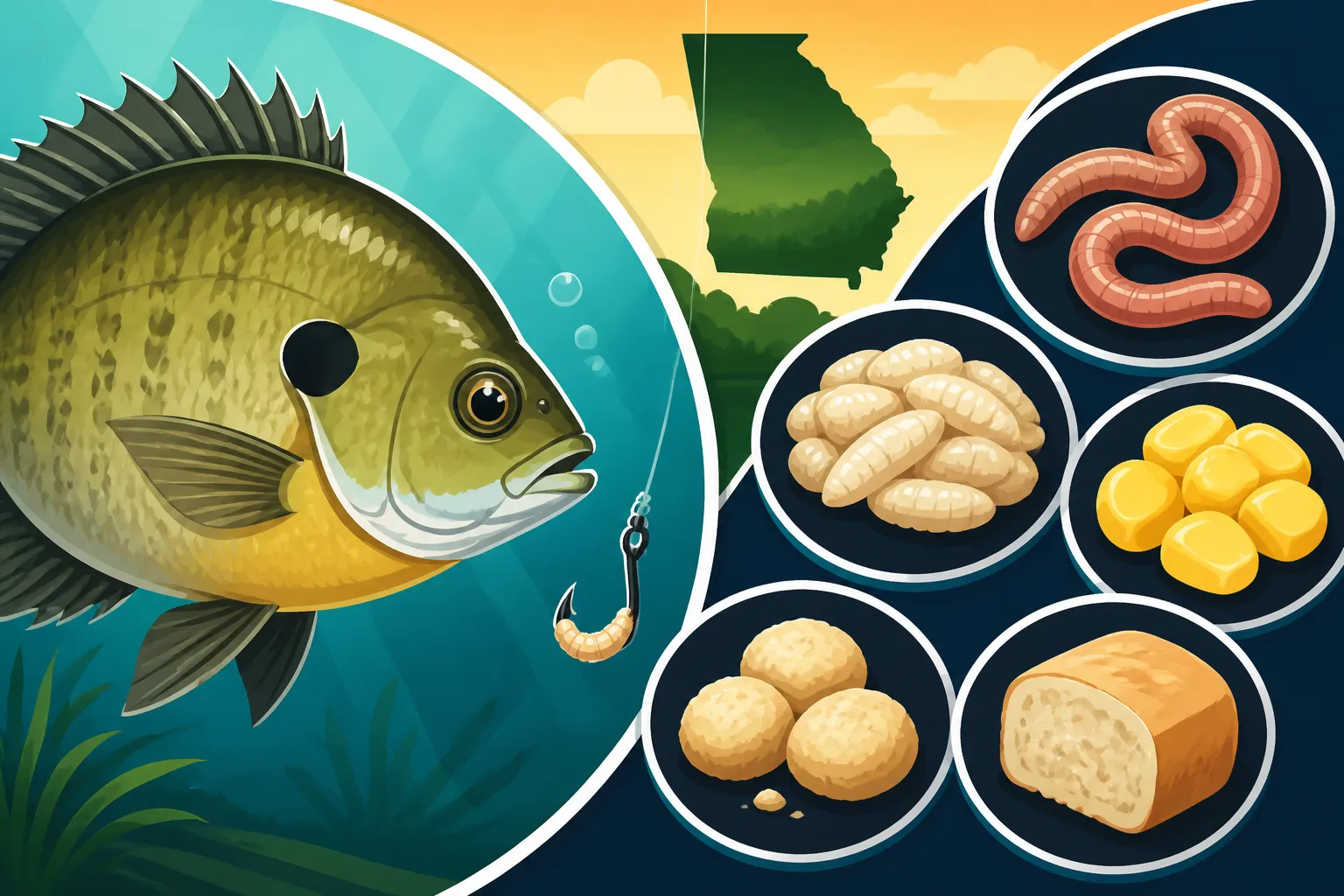
Ah, the humble earthworm! If there's one bait that consistently ranks at the top for bream, it's the simple earthworm. Whether you call them wigglers, nightcrawlers, or redworms, these wriggly critters are a bream magnet. Their natural scent and constant movement in the water are just too tempting for a hungry bream to ignore.
Picture this: you're at a quiet little cove on Lake Sinclair, perhaps showing your grandchild How to Catch Bluegill as a Beginner for the first time. You thread a small section of a redworm onto a tiny hook, cast it out under a bobber, and almost instantly, that bobber starts dancing. That's the magic of a worm. Bream instinctively recognize them as a food source, and they rarely hesitate to take a bite. The beauty is in their simplicity and universal appeal. They're easy to find, relatively inexpensive, and require minimal fuss, making them perfect for a relaxing day on the water.
When using worms, it's often best to use smaller pieces. Bream have relatively small mouths, and a big, bulky nightcrawler can be intimidating or difficult for them to get a good hold of. A quarter-inch to half-inch piece of redworm, just enough to cover the hook, is often all you need. Hook it once or twice through the body, leaving the ends free to wiggle enticingly. For an even better spread of natural scent, some anglers swear by pinching a worm in half right before baiting, releasing even more of that irresistible fish-attracting goodness.
Crickets: The Topwater Temptation
While worms are fantastic for subsurface fishing, crickets offer a whole different kind of excitement, especially when bream are feeding closer to the surface. The erratic kicking and struggling of a live cricket on the water's surface can trigger an aggressive strike from a curious bream, making for some truly thrilling fishing experiences.
Imagine a warm spring afternoon at one of Georgia's State Parks with the Best Fishing Ponds. You've cast a cricket out near some lily pads, and suddenly, there's a splash! A bream has darted out from cover and inhaled your bait. It’s incredibly visual and exciting, especially if you're fishing with kids who love watching the action unfold. Crickets are particularly effective during warmer months when insects are abundant, and bream are more likely to be looking up for food. They often prefer to feed in the upper water column during these times, making crickets an ideal choice.
Keeping crickets alive and lively can be a bit of a challenge, as they're prone to jumping and escaping. Many anglers buy them by the dozen from bait shops and keep them in specialized cricket containers. When hooking a cricket, try to pass the hook gently through the tough part of its collar or thorax, being careful not to kill it. You want it to stay as lively as possible to attract attention. For a simpler setup, many folks simply use a small split shot weight a foot or so above the hook, allowing the cricket to float naturally or slowly sink with its kicking legs creating commotion. If you find yourself needing to resupply, or just prefer the convenience, artificial crickets are also available, and you can often find a good selection on Amazon.
Other Live Bait Options
While worms and crickets are the heavy hitters, there are a few other live baits that can certainly entice bream. These might be less common but can be very effective in specific situations or when trying to offer something a little different.
Small insect larvae, like mealworms or wax worms, are excellent choices, especially for smaller bream or when you're fishing pressured waters where the fish might be a bit pickier. These are readily available at most bait shops and are quite easy to handle. They have a delicate appearance and a subtle movement that can tempt even the most finicky bluegill. Another less common, but highly effective, option is tiny grasshoppers, particularly in late summer and early fall when bream are actively feeding on terrestrials that fall into the water. These can be trickier to catch yourself, but if you have a patch of tall grass nearby, it's worth a try. Remember, for all live baits, freshness and lively presentation are key to drawing those bites.
Artificial Lures: Tiny Temptations That Get the Bite
Sometimes, you don't want to deal with squirmy worms or jumping crickets. Or maybe you're looking for something that casts further, lasts longer, and allows you to cover more water. That's where artificial lures shine! Modern tackle has come a long way, and there are some truly amazing tiny lures designed specifically to mimic the natural food sources that bream love.
Micro Jigs: Small but Mighty
Micro jigs are, without a doubt, one of the most versatile and effective artificial baits for bream. These tiny jigs, often weighing less than 1/32 of an ounce, come in an astonishing array of colors and styles, often adorned with marabou, chenille, or small plastic bodies that flutter and pulse in the water.
Think about fishing a deep brush pile or structure on a lake like Oconee. You might be targeting crappie, but those big shellcrackers often hold in similar spots. Tipping a tiny jig with a small piece of worm or even just a commercially available crappie nibbler can be absolutely deadly. The subtle action of a micro jig, especially when fished on ultralight tackle, perfectly imitates a small insect or tiny minnow, something bream are always on the lookout for. They're fantastic for probing deeper water or getting into tight spots where a larger bait might spook the fish. Many anglers find that experimenting with different colors based on water clarity—bright colors for murky water, natural tones for clear water—can make a huge difference in their success. You can find excellent multi-packs of micro jigs on Amazon, giving you plenty of options to try.
The key to fishing micro jigs effectively is a slow, subtle retrieve. Bream aren't usually chasing down fast-moving prey; they prefer something easy to catch. A slow, steady retrieve with occasional twitches, or even just letting the jig slowly fall and then pausing, can be incredibly productive. For many, this technique is a blast, especially when fishing from a boat where you can cover different depths. It’s a great way to explore the various depths and determine where the bream are holding, whether they're near the surface or hunkered down deep.
Tiny Spinners: Flash and Vibration
Small inline spinners, often called beetle spins or simply "roostertails," are another fantastic artificial option for bream, especially when the fish are a bit more aggressive or you need to cover water quickly. The flash and vibration created by the spinning blade are incredibly attractive to bream, mimicking a distressed baitfish or a buzzing insect.
Imagine you're fishing along the banks of a river or a large pond, perhaps exploring some of the Best Bank Fishing Spots in Georgia. Instead of waiting for a bite with live bait, you're actively casting and retrieving, covering a lot of ground. A tiny spinner is perfect for this. Its compact size and weight allow for good casting distance, and the immediate action of the blade starts attracting fish as soon as it hits the water. Spinners are particularly effective on sunny days when the flash can really catch a bream's eye.
When choosing spinners, look for sizes typically ranging from 1/32 to 1/8 ounce, with smaller blades. Gold, silver, and copper blades are classic choices, often paired with brightly colored bodies in chartreuse, white, or black. These lures are generally fished with a steady, slow retrieve. You want the blade to be just barely spinning, creating that irresistible flash and thump. If you feel the spinner "thumping" as you reel, you know it's working properly. They’re excellent for locating active schools of bream quickly, and once you find them, you can slow down and potentially switch to a micro jig for more precise targeting.
Flies: The Art of Imitation
For the more adventurous angler, especially those who enjoy the finesse and artistry of fly fishing, tiny flies can be incredibly effective for bream. While not as common for casual anglers, fly fishing for bream offers a unique challenge and can be immensely rewarding.
Picture yourself on a serene North Georgia stream, perhaps looking for trout, but noticing some large bream rising to surface insects. Wielding a lightweight fly rod, you cast a tiny popper or a dry fly, imitating an insect that has fallen onto the water. The delicate presentation and subtle splash of a well-tied fly can often fool even the wariest bream. Bream, especially larger ones, can be quite selective, and a realistic fly presentation can be the key to getting a strike when other baits fail. For guidance on appropriate gear, you might check out our guide on Fly Fishing Gear for North Georgia Trout, much of which translates well to targeting bream.
Effective flies for bream include small poppers, sponge spiders, or tiny wet flies like nymphs and small streamers. Poppers and sponge spiders are fantastic for surface action, creating a subtle disturbance that mimics a struggling insect. Nymphs and wet flies, fished just below the surface or deeper, imitate aquatic insect larvae, a staple in a bream's diet. The technique involves delicate casting and subtle twitches or drifts, letting the current or your gentle rod tip impart natural movement to the fly. This method not only offers a fantastic way to catch bream but also sharpens your overall fishing skills.
Mastering the Presentation: How to Offer Your Bait Like a Pro
Having the best bait is only half the battle; knowing how to present it effectively is crucial. Bream are not usually aggressive predators like bass, so a subtle, natural presentation is often the most successful. This means paying attention to your tackle, how you rig your bait, and your overall approach.
Ultralight Tackle for Maximum Sensitivity
When fishing for bream, lighter is almost always better. Opt for an ultralight spinning rod and reel combo, spooled with 4-6 pound test monofilament or fluorocarbon line. The lighter line is less visible to the fish, and the sensitive rod allows you to feel even the slightest nibble.
Imagine you’re fishing a crystal-clear pond, maybe one of the Best Kid-Friendly Fishing Ponds in Georgia. Bream in clear water can be incredibly wary. A heavier line or clunky rig will instantly put them off. With ultralight tackle, your bait presents more naturally, and you can cast those tiny jigs and lightweight live baits with ease. Plus, the fight of even a small bream on ultralight gear feels like a trophy battle, which is a blast for anglers of all ages. This sensitivity also helps immensely when trying to detect those subtle bites, where a bream might just inhale the bait rather than aggressively strike it.
Beyond the rod and reel, consider using small hooks, typically size 6 to 10 for most bream. Larger bream like shellcrackers might handle a size 4, but anything bigger tends to be too much. Baitholder hooks, with their small barbs on the shank, are excellent for keeping worms secure. For crickets, a thin-wire Aberdeen hook is often preferred as it's less likely to damage the delicate insect. The goal is to make your presentation as unobtrusive as possible, letting the bait do its work without being hampered by heavy or visible terminal tackle.
The Art of Bobber Fishing
For many, bobber fishing is synonymous with bream fishing, and for good reason! It's incredibly effective, easy, and gives you a clear visual indicator of a bite. A small slip bobber or fixed clip-on bobber is your best friend when presenting live bait or even a tiny jig.
Think about a lazy Sunday afternoon, fishing from the bank on Clarks Hill Lake in Georgia. You've got your chair set up, and a line out with a bobber dancing gently on the surface. Suddenly, it jiggles, then slowly dips, and finally, plunges underwater! That's the unmistakable sign of a bream taking your bait. This method allows your bait to suspend at a specific depth, which is fantastic when bream are holding at a certain level in the water column, perhaps near submerged weeds or brush. You can learn more about specific setups in our guide on How to Rig a Bobber for Bream.
When rigging, choose a bobber that is just large enough to stay afloat with your bait and any necessary split shot. An oversized bobber creates too much resistance, making it harder for the bream to pull it down and feel the bite. Adjust the depth of your bait frequently until you find where the fish are holding. Often, bream are found anywhere from a foot or two under the surface to several feet deep, especially around structure or shade. Keep an eye on your bobber constantly; sometimes a bream will only pull it down a tiny bit, or even just move it sideways, before committing to a full take.
Sight Fishing in Clear Water
In certain situations, particularly in very clear water or when bream are congregating in shallow areas, sight fishing can be an exciting and highly effective technique. This involves actively spotting the fish and then presenting your bait directly to them.
Imagine a calm day on a clear-water reservoir, like parts of Lake Lanier, during the spring spawn when bream are on their beds. You can literally see the fish fanning out their nests in the shallow water. In these scenarios, a precise cast with a small worm or even a tiny artificial lure can trigger an immediate strike. Sunglasses are your best friend here, helping to cut the glare off the water and reveal those hidden fish. This technique requires patience and a delicate touch, as a clumsy cast can easily spook the fish.
When sight fishing, try to cast your bait a little beyond the fish, then gently retrieve it into their strike zone. Sometimes, letting the bait slowly fall right in front of them is all it takes. The reaction from the bream can be quite dramatic, giving you a thrill as you watch them dart in and engulf your offering. This is a truly immersive way to fish and often leads to catching some of the larger, more aggressive bream in the area.
Seasonal and Environmental Considerations for Bream Bait
Bream, like all fish, are influenced by the seasons and environmental conditions. What works best in the heat of summer might not be as effective in the cooler months. Understanding these patterns can significantly improve your bait choices and fishing success.
Spring: The Time for Spawning and Aggression
Spring is arguably one of the best times to target bream in Georgia. As water temperatures rise, bream move into shallow waters to spawn, becoming more active and often easier to catch. During this period, they are highly protective of their beds and will readily strike at baits that come too close.
In spring, live baits like worms and crickets are particularly effective. The bream are focused on eating to gain energy for spawning, and these natural options are hard to pass up. Think about casting a small worm on a bobber near visible bream beds in a shallow cove. The fish are often aggressive and will hit the bait to protect their territory, making for some fast action. This is a fantastic time for family fishing trips, as the high catch rates keep everyone engaged. You might also find that some of the Best Spring Bass Fishing Spots in Georgia will hold bream in the shallower areas.
Artificial lures can also shine during the spring spawn. Small, brightly colored jigs or spinners can provoke a "reaction strike" from territorial bream, even if they aren't actively feeding. A slow, erratic retrieve that mimics something invading their space can be incredibly effective. Consider bright chartreuse, white, or pink jigs to grab their attention.
Summer: Deeper Waters and Early Mornings
As Georgia summers heat up, bream often move to deeper, cooler waters, or seek shade during the brightest parts of the day. This doesn't mean they stop biting, but your tactics might need to shift. Early mornings and late evenings, when temperatures are cooler, become prime fishing times.
During summer, live baits remain king, but presentation might need to change. If bream are deeper, you might need to use a slip bobber to get your bait down further, or even fish without a bobber, letting your bait slowly sink near structure. Targeting shaded areas, like under docks, bridges, or fallen trees, can also be highly productive. These spots offer cooler water and ambush points for feeding bream. You can explore some of the Best Summer Fishing Spots on Georgia Lakes to find these shaded havens.
Artificial baits like micro jigs and small spinners are still effective, particularly when jigged slowly around submerged cover. Experiment with slightly deeper presentations, letting your jig fall to the bottom and then slowly hopping it back. Night fishing, especially for larger bream and shellcrackers, can also be surprisingly productive during summer. The cooler night air often brings fish into shallower feeding areas without the pressure of bright sunlight.
Fall and Winter: Slow and Subtle
As fall arrives and water temperatures begin to drop, bream activity slows down. They'll still feed, but their metabolism decreases, making them less inclined to chase fast-moving baits. Winter presents the biggest challenge, but even then, patient anglers can find success.
In fall, live bait, particularly small pieces of worms or mealworms, fished very slowly, is often the most consistent producer. Bream might school up in deeper holes or around structure, so finding these concentrations is key. A vertical presentation, dropping a bait straight down to where the fish are holding, can be highly effective. The same applies for crappie, so checking out Best Time of Year to Catch Crappie in Georgia might give you some crossover insights.
Winter bream fishing is a game of patience and finesse. Fish will be very lethargic, so your bait needs to be presented almost perfectly. Tiny jigs, tipped with a single wax worm or crappie nibbler, fished excruciatingly slowly, can elicit bites. Sometimes, just holding the bait perfectly still in front of a fish's nose is what it takes. Consider some of the Best Winter Fishing Spots in Georgia for locations that might offer slightly warmer water or more consistent fish activity. The bites will be incredibly subtle, so sensitive ultralight tackle is absolutely essential.
Table: Popular Bream Baits Comparison
| Bait Type | Pros | Cons | Best Season | Ideal Rigging |
|---|---|---|---|---|
| Live Redworms | Natural scent & movement, universal appeal, easy to find | Can be messy, fragile, short shelf life, small pieces needed | All seasons (especially spring/fall) | Small hook (#8-10) under a bobber or bottom-fished with split shot |
| Live Crickets | Irresistible topwater action, exciting strikes, very lively | Hard to keep alive, jumpy, can be fragile to hook | Warmer months (late spring/summer) | Small hook (#8-10) lightly through collar, unweighted or with tiny split shot |
| Mealworms / Wax Worms | Clean, easy to handle, good for smaller fish, subtle | Less active than worms/crickets, smaller profile | All seasons (great for picky fish, winter) | Small hook (#10-12), jig-tipped, or very light bobber rig |
| Micro Jigs (1/32-1/16 oz) | Versatile, reusable, wide range of colors/styles, casts well | Less natural scent, requires active retrieve, can be expensive | All seasons (especially good for deeper fish) | Ultralight rod, slow retrieve with twitches, tipped with live bait/scent |
| Tiny Spinners (1/32-1/8 oz) | Flash & vibration, covers water quickly, good for active fish | Can be too aggressive for shy fish, larger profile | Spring/Summer (for active, searching fish) | Steady, slow retrieve with ultralight rod |
| Flies (Poppers, Nymphs) | Realistic imitation, delicate presentation, unique challenge | Requires fly rod, more skill to cast, can be difficult in wind | All seasons (depending on fly type and fish activity) | Fly rod, delicate cast, subtle twitches or natural drift |
This table should help you quickly assess which bait might be best for your current situation, based on its characteristics and the conditions you're facing. Choosing the right bait, combined with proper presentation, will undoubtedly lead to more successful and enjoyable bream fishing experiences here in Georgia. So next time you're heading out, consider these options, and happy fishing!
Disclaimer
This article is for general informational purposes only and does not constitute professional advice. Laws, prices and regulations vary by location and change over time. Consult a qualified professional for guidance on your specific situation.