Fishing After a Cold Front
There's nothing quite like the crushing disappointment of waking up to a beautiful, clear blue sky after a strong cold front has blown through, only to find the fish have completely shut down. We've all been there – one day they're biting, the next it's like the lake is empty. This guide is all about equipping you with the knowledge and strategies to overcome these challenging conditions and consistently find success on Georgia's waters, even when the thermometer takes a dive.
Understanding the Impact of a Cold Front on Georgia Fishing
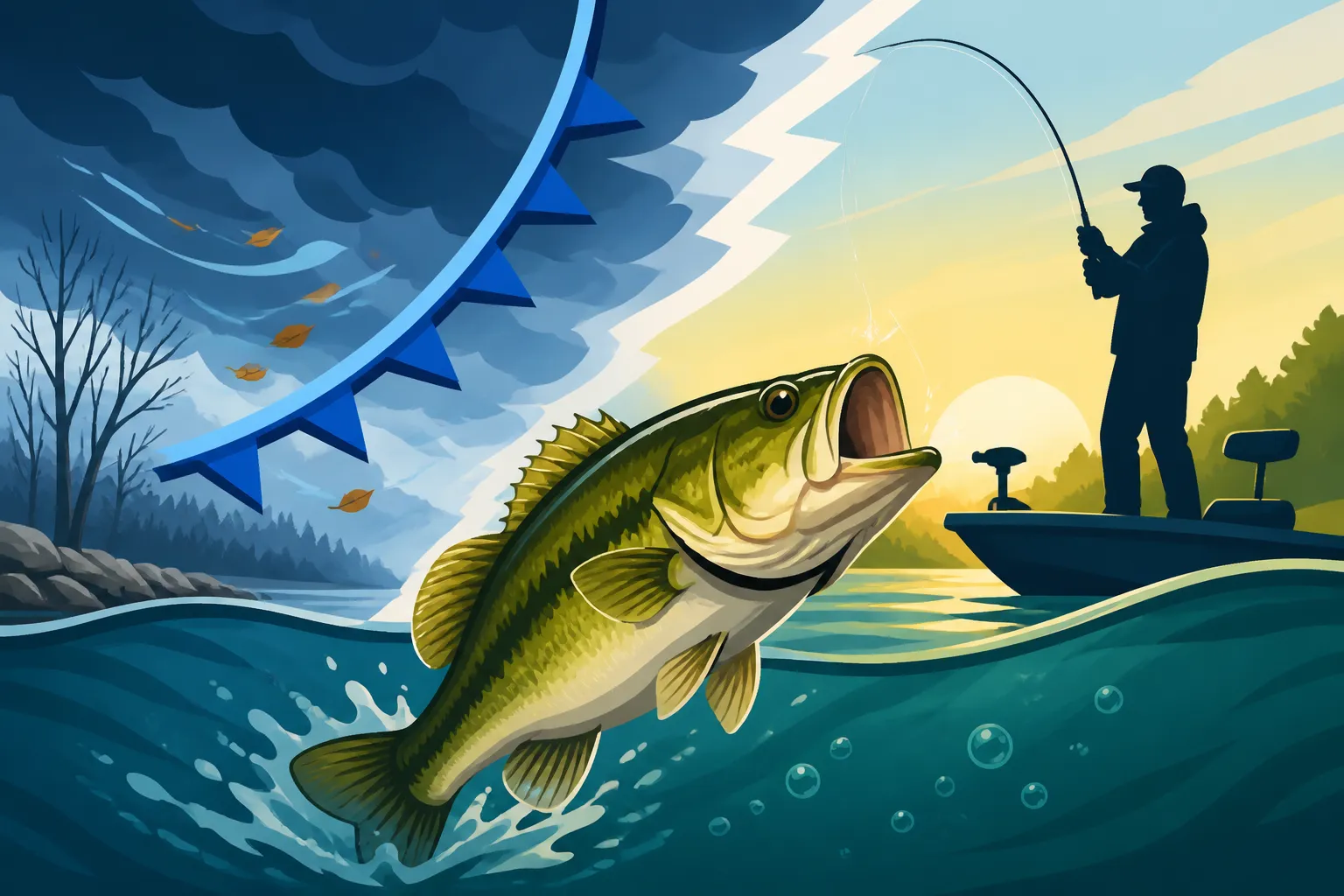
When a cold front rolls through Georgia, it’s not just the air temperature that changes. It’s a cascade of environmental shifts that can make fish feel uneasy, lethargic, and frankly, a whole lot less willing to bite. Many anglers pack up and head home, but understanding why fish react this way is your first step to outsmarting them. It's a complex dance between atmospheric pressure, water temperature, and sunlight, all of which conspire to make a successful day harder to come by.
Barometric Pressure Changes and Fish Behavior
The most significant, and often least visible, impact of a cold front is the dramatic shift in barometric pressure. Before a front, the pressure usually drops, often leading to active feeding as fish sense the impending change and feed aggressively. Then, the front hits, and the high-pressure system moves in rapidly. This sudden increase in pressure pushes down on everything, including the water column. Fish, which have gas bladders, feel this pressure change acutely. It can make them uncomfortable, sometimes even painful, causing them to seek deeper water where the relative pressure is more stable, or simply become less active. They're not just being finicky; their bodies are literally reacting to the environment. This shift is a critical factor in why fish activity often drops off a cliff.
Think of it like us trying to function at a high altitude after living at sea level – it takes adjustment. Fish experience something similar. This is why you often hear experienced anglers talk about how to fish after a cold front. When that high pressure settles in, it signals to fish that the weather is stable, and they don't need to gorge themselves. Their metabolism slows, their appetite wanes, and they become much harder to tempt. Understanding this biological response is key to knowing you need to adjust your approach significantly. Instead of aggressive strikes, you'll be looking for subtle taps, if anything at all.
Water Temperature Fluctuations
While air temperature is what we feel, it's the water temperature that directly affects the fish. A cold front brings colder air, which in turn starts to cool the surface water. Even a drop of a few degrees can be a big deal for fish, especially cold-blooded species whose metabolism is directly tied to water temperature. When the water gets colder, fish become more lethargic. Their digestive processes slow down, and they require less food. They're trying to conserve energy, much like we bundle up and move slower in chilly weather. This is particularly noticeable in shallower areas, which cool down much faster than deeper waters.
In deeper lakes and reservoirs, the impact might not be immediately felt throughout the entire water column, but the surface layers will certainly chill. Fish will often migrate to deeper, more stable thermal zones where the temperature is consistent. This search for stable temperatures is a survival instinct. It's why that productive shallow cove you were tearing up yesterday suddenly seems barren. The thermal shock pushes them out. Learning how water temperature affects fish behavior is crucial for year-round success. They're not just swimming around aimlessly; they are actively seeking comfort.
Reduced Sunlight and Water Clarity
Another consequence of a cold front is often a shift from cloudy, pre-front skies to clear, bright post-front conditions. While a sunny day might feel pleasant to us, for fish, especially light-sensitive species like bass, it can be a deterrent. Clear skies mean more light penetration into the water, which can make fish feel exposed and vulnerable to predators. They might retreat to areas with more cover, like submerged timber, rock piles, or thick vegetation, to find shade and security.
On the flip side, extremely clear water, often a result of settled weather and reduced runoff, can also make fish more wary. They can see you and your line much easier, making them less likely to approach your bait. Conversely, sometimes cold fronts can be accompanied by wind and rain, which might actually muddy up certain areas, ironically offering more cover in those specific spots. This can be a double-edged sword: the reduced visibility can make fish feel safer, but it also makes it harder for them to find your lure. Knowing how to adjust your lure choice after a cold front means considering both the light levels and the water clarity, choosing colors and sizes that either stand out appropriately or blend in perfectly.
Adapting Your Approach: Lure and Bait Selection After a Cold Front
When a cold front hits, it's a call for a complete change in strategy. What worked yesterday likely won’t work today. The fish aren't aggressive, they're not chasing, and they're certainly not going to make it easy for you. This is where patience and a nuanced understanding of lure and bait selection become your best friends. Think subtle, think slow, and think natural. You're trying to coax a bite, not trigger a feeding frenzy.
Downsizing and Slowing Down
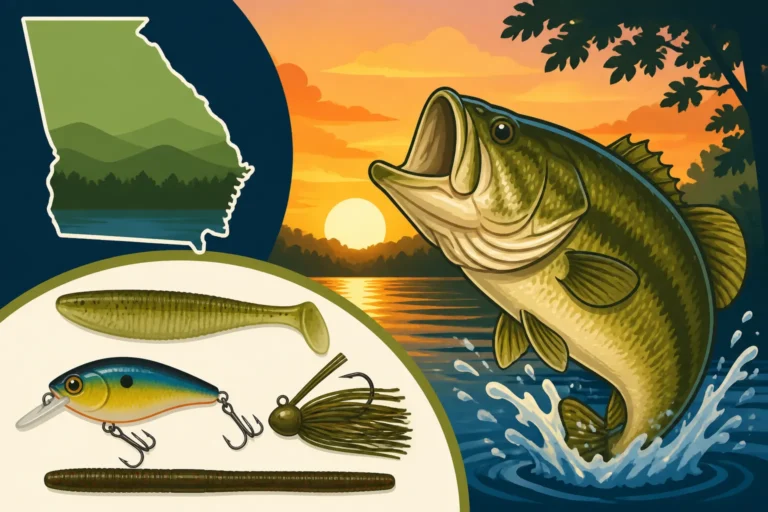
One of the cardinal rules of fishing after a cold front is to downsize your baits and slow down your presentation dramatically. Those big, aggressive crankbaits and fast-moving spinnerbaits that produced before the front will likely just spook lethargic fish. Instead, reach for smaller, more subtle offerings. Think finesse worms, small jigs, tiny swimbaits, or Ned rigs. The idea is to present something that looks like an easy, low-effort meal. A shivering, uncomfortable fish isn't going to expend a lot of energy chasing a meal.
Your retrieve speed also needs to hit the brakes. What might feel painstakingly slow to you is probably just right for a fish in a post-front funk. Instead of reeling, think about subtle twitches, long pauses, and letting your bait sit on the bottom for extended periods. Sometimes, the fish will pick up a bait that's been motionless for several seconds. This is why techniques like the drop-shot rig for bass become so effective; it allows your bait to hover tantalizingly in the strike zone with minimal movement. This extreme patience can be challenging, but it's often the difference between a skunk and a few hard-earned bites. Remember, you're trying to imitate an injured or easy meal, not a fleeing one.
Natural vs. Flashy Baits
The choice between natural-looking baits and those with flash often boils down to water clarity and the mood of the fish. In very clear, post-front waters, natural colors that mimic the local forage are usually best. Think greens, browns, and muted blues for plastic worms and jigs. Shades of ghost white or natural minnow patterns for small swimbaits can also be effective. The goal is to blend in and not alarm already wary fish. They're not looking for a party; they're looking for an unassuming snack.
However, there can be exceptions. If the water has a slight stain from recent rain or a bit of chop on the surface, a touch of flash or a brighter color might actually help fish locate your bait. Sometimes, a small spinnerbait with silver blades or a jig with a few strands of metallic tinsel can trigger an 'irritation strike' from a fish that isn't actively feeding but gets annoyed by the intrusion. This is a subtle nuance, and it requires paying close attention to the conditions on any given day. It’s a good idea to have a range of options, from ultra-natural to slightly flashy, in your tackle box to experiment. For reliable options, checking out the selection on Amazon can give you a wide variety of colors and sizes to choose from.
Live Bait Strategies
When all else fails, live bait is often the most reliable option after a cold front. A living, breathing minnow, worm, or cricket is simply hard for a fish to ignore, especially when they're lethargic and less inclined to chase artificials. Live bait offers natural movement, scent, and texture, all of which are powerful attractants when fish are in a negative mood. The key is to present it naturally and without a lot of unnecessary hardware.
For bass, small shiners or shad fished on a simple hook and small split shot, or under a bobber, can be deadly. Crappie anglers often find success with tiny minnows or wax worms. Even trout, which can be notoriously finicky after a front, will often take a properly presented live worm or salmon egg. The trick is to keep your presentation as subtle as possible. Use light line, small hooks, and let the bait do the work. If you're drifting, make sure your bait is moving slowly and naturally with the current or subtle boat movement. Sometimes, just a slight twitch every minute or so is all it takes to convince a hesitant fish to bite. This is also a good time to explore different depths, as fish might be suspended or hugging the bottom in their search for comfort.
Locating Fish After a Cold Front: Where to Find Them
Finding fish after a cold front can feel like searching for a needle in a haystack. They don't just disappear; they relocate to areas that offer comfort, stability, and a sense of security. Forget those wide-open flats or shallow spawning beds for a bit. Your focus needs to shift to places where fish can escape the pressure changes, stabilize their body temperature, and feel protected from bright sunlight or predators. It's about finding their hideouts.
Deeper Water and Cover
The first place most experienced anglers look after a cold front is deeper water. As discussed earlier, deeper water offers more stable temperatures and less fluctuation in barometric pressure. Fish will often retreat to the deepest available areas of a lake or river, whether that's the main river channel, deep creek channels, or sharp drop-offs. But they don't just suspend in the middle of nowhere; they'll typically relate to some form of cover or structure within that deeper water.
Think about submerged timber, brush piles, rock ledges, or even old roadbeds that run through deep water. These features provide ambush points, a sense of security, and often hold baitfish which also seek refuge. For example, on a reservoir like Lake Lanier, bass might pull off steep bluff walls and position themselves near submerged timber at 20-30 feet. On the Flint River, shoal bass might move to deeper scour holes and logjams. You're looking for that combination of depth and structure where they can hunker down and feel safe. Your fish finder becomes an invaluable tool here, helping you locate these subtle depth changes and submerged features.
North-Facing Banks and Sunny Spots
While fish often seek deeper water, there's a nuanced exception in colder months: north-facing banks or areas that receive prolonged direct sunlight. In the winter months or after a particularly brutal cold front, these sun-exposed areas can warm up a few crucial degrees faster than other parts of the lake. This slight temperature increase can attract baitfish, which in turn can draw in larger predatory fish seeking an easy meal in a slightly warmer zone.
These areas are often protected from cold north winds, further contributing to their warmth and appeal. Think about sunny coves, protected points, or even shallow rock banks that absorb and radiate heat. These spots can be particularly productive in the late morning or early afternoon after the sun has had a chance to work its magic. While the fish in these areas might still be lethargic, the slight warming trend can make them a bit more active than their deeper counterparts. It's a risk-reward strategy – you might not find as many fish, but the ones you do find could be more willing to bite due to the slight thermal advantage. This is a tactic often discussed when learning about winter fishing patterns on Georgia's reservoirs.
Structure and Transition Areas
Fish are creatures of habit and often relate to specific structures, even after a cold front. However, their position on that structure will likely change. Instead of being on top or aggressively patrolling, they might be tucked tight against it, or suspended just off a deeper edge. Look for transition areas where different types of cover meet, or where depth dramatically changes. A sudden drop-off near a submerged weed line, a rocky point extending into a deep channel, or where a hard bottom meets a soft bottom are all prime examples.
These areas provide easy access to deeper water for refuge but also allow fish to move up quickly if a feeding opportunity arises, without exposing themselves too much. Think of them as staging areas. For instance, on Lake Oconee, crappie might move from brush piles in 10 feet of water to the base of those brush piles in 20 feet, or suspend just above them. Bass might hold on the deep side of a timber line, rather than right in the middle of it. Understanding how barometric pressure affects fish activity will guide your search; they're looking for stability, and these transition zones offer that while still providing food access. Pay close attention to your electronics, as fish might be very tightly grouped.
Essential Techniques for Post-Cold Front Success
Successfully fishing after a cold front isn't just about finding the fish; it's about presenting your bait in a way that coaxes a bite from an unwilling participant. You're not going for reaction strikes; you're aiming for a subtle take. This often means embracing finesse, being incredibly patient, and thoroughly working every inch of productive water. Forget power fishing for a while; this is precision work.
Slow Presentations and Finesse Fishing
Finesse fishing becomes paramount when faced with post-cold front conditions. This involves using lighter line, smaller baits, and an incredibly slow, deliberate presentation. Techniques like the drop shot, Ned rig, shaky head, and small jigging spoons are your best friends.
- Drop Shot: This rig keeps your bait suspended off the bottom, making it appear weightless and natural. You can subtly shake your rod tip to impart tiny movements without moving the sinker, keeping the bait in the strike zone for extended periods. This is exceptionally effective for bass that are suspended or hugging bottom structure in deep water. Learning how to fish a drop shot rig for bass can be a game-changer.
- Ned Rig: A small mushroom-head jig paired with a short, buoyant soft plastic worm. Its slow fall and ability to stand straight up on the bottom make it incredibly tempting to lethargic fish. It's often referred to as "idiot proof" because its subtle action is so effective.
- Shaky Head: Similar to a Ned rig but often with a slightly larger worm, a shaky head jig allows you to crawl a plastic worm along the bottom, imparting a subtle "shaking" action. It's another excellent choice for probing structure in deeper water.
- Jigging Spoons: For fish suspended in deep water, especially striped bass or spotted bass, a small metal jigging spoon can be effective. Drop it to the depth where fish are holding, then use short, sharp lifts and pauses to make it flutter and flash like a dying baitfish. The key is often a very long pause after each lift.
The common thread here is minimal, natural movement and extended time in the strike zone. You're presenting a meal that requires almost no effort from the fish to consume.
Thoroughly Working an Area
When fish are scattered and reluctant to bite, you can't just make a few casts and move on. You need to thoroughly dissect any promising piece of structure or cover. This means making multiple casts from different angles, letting your bait sit for longer than you think is necessary, and slowly working it through every potential hidey-hole. Think of it like a grid search.
If you find a brush pile, don't just cast over it once. Cast to its front, back, sides, and directly into it if possible. Let your bait fall slowly, bumping into branches. If you suspect fish are on a deep ledge, position your boat to cast along the length of the ledge, allowing your bait to crawl down its face. This methodical approach increases your chances of putting your bait directly in front of a fish that might only have a foot-long strike zone. Patience is key here. It can be tedious, but it often pays off with those precious bites that others miss. It's a stark contrast to the run-and-gun tactics often employed when fish are actively feeding.
Targeting Specific Species
Different fish species react uniquely to cold fronts, requiring slightly tailored approaches.
- Largemouth Bass: They often retreat to deep cover like brush piles, submerged timber, or rocky ledges. Focus on slow-moving finesse baits like jigs, Ned rigs, shaky heads, or drop shots. Look for them hunkered down.
- Spotted Bass: Similar to largemouths, but often found in even deeper water, especially in clear reservoirs like Lake Lanier. They love vertical presentations, so drop shots, jigging spoons, and small swimbaits fished vertically are highly effective. Pay attention to how they relate to the bottom or structure using your electronics.
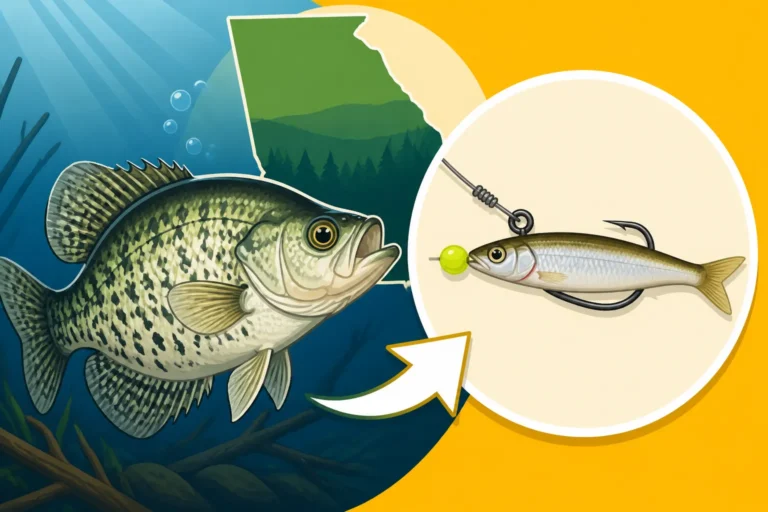
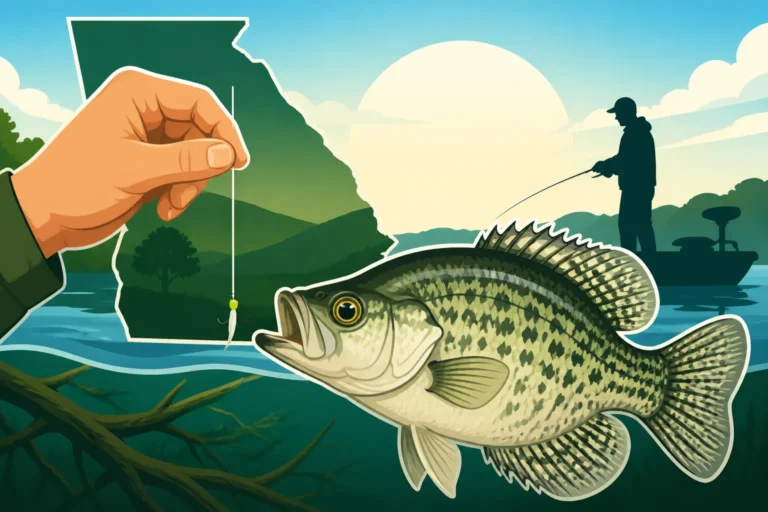
- Crappie: These panfish will school up tightly and often suspend over deep brush piles or creek channels. Vertically jigging small jigs (1/32 or 1/16 oz) or minnows straight down into the school is a classic cold front tactic. Spider rigging with multiple rods and minnows can also be effective to cover various depths.
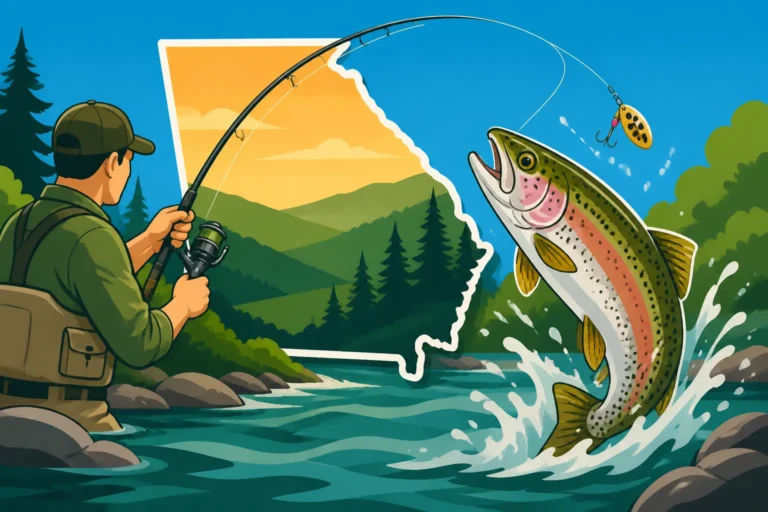
- Trout: In North Georgia's mountain streams, trout can become very sluggish after a cold front. They'll seek refuge in deeper pools, behind large rocks, or in slower currents. Focus on dead-drifting small nymphs, midges, or worms. For spin fishermen, tiny inline spinners or salmon eggs fished with minimal weight can work, but a very slow retrieve is essential. Knowing when Georgia's mountain trout streams fish best often depends on these post-front adjustments.
Each species has its quirks, but the general principle remains: slower, deeper, and more subtle.
Gear and Preparation for Cold Front Conditions
Fishing after a cold front isn't just about changing your lures; it's also about preparing yourself and your gear for tougher conditions. Being comfortable and having the right tools can make a significant difference in your ability to stay out longer and focus on the fishing, rather than fighting the elements or wrestling with inadequate tackle.
Appropriate Rods, Reels, and Line
Finesse fishing demands specialized gear to maximize sensitivity and presentation.
- Rods: Look for spinning rods in the 6'6" to 7'6" range with a light to medium-light power and a fast or extra-fast action. The fast action tip allows for precise casting of light baits and excellent sensitivity to detect subtle bites, while the moderate backbone helps handle larger fish on lighter line. For small jigs or Ned rigs, a lighter power rod will perform better.
- Reels: Pair your spinning rod with a lightweight spinning reel in the 1000 to 2500 size. A smooth drag system is crucial, as you'll be fighting fish on lighter lines. Companies like Shimano and Daiwa offer excellent options that can be found on Amazon.
- Line: This is perhaps the most critical component for finesse fishing.
- Main Line: 6-10 lb braided line is excellent for its sensitivity and casting distance.
- Leader: Tie a 6-10 foot fluorocarbon leader (6-8 lb test) to your braided main line using an FG knot or similar strong knot. Fluorocarbon is nearly invisible underwater, extremely abrasion-resistant, and has less stretch than monofilament, increasing sensitivity. The low visibility is especially important in clear post-front water. This setup offers the best of both worlds: the sensitivity and casting of braid with the stealth of fluorocarbon. If you're going for larger fish like striped bass in deep water, you might step up your line strength a bit, but always prioritize the lightest effective line.
Layered Clothing and Safety Gear
Staying warm and dry is paramount when fishing in cold front conditions. There's nothing worse than cutting a trip short because you're shivering uncontrollably.
- Layered Clothing: Dress in layers, starting with a moisture-wicking base layer (synthetics or wool, never cotton). Add an insulating middle layer like a fleece jacket, and top it with a waterproof and windproof outer shell. This allows you to adjust your clothing as temperatures fluctuate throughout the day. Don't forget a warm hat and gloves, as you lose a lot of heat from your head and hands.
- Footwear: Waterproof boots with good insulation are a must. Keep an extra pair of dry socks in your bag.
- Safety Gear: Cold water and inclement weather increase risks. Always have a Coast Guard-approved life jacket on board (and wear it if conditions are rough or water is particularly cold). A well-stocked emergency kit, including a first-aid kit, whistle, flashlight, and a fully charged phone, is essential. Knowing Georgia life jacket laws for boaters and kids is also critical for safety on the water.
Electronic Aids
Modern electronics are an angler's best friend, especially during challenging cold front conditions when fish are hard to find.
- Fish Finders/Sonar: A high-quality fish finder with down imaging and side imaging capabilities can help you pinpoint deep structure, brush piles, and even individual fish or schools that are hugging the bottom or suspended. Learning to interpret the returns on your screen is crucial. You're looking for subtle variations in the bottom contour, baitfish schools, and distinct arches or blobs that indicate larger fish. Checking out the best fish finders for Georgia reservoir fishing can give you a good starting point for choosing the right one.
- GPS/Mapping: Integrated GPS and detailed lake mapping (like those found on units from Humminbird, Garmin, or Lowrance, often available on Amazon) allow you to mark productive spots, navigate to specific contour lines or creek channels, and return to them quickly. This is invaluable for consistently finding those deeper, post-front fish hangouts.
- Water Temperature Gauge: Many fish finders have built-in temperature sensors, but a separate, accurate water temperature gauge can provide crucial real-time information. Even a one or two-degree difference can dictate whether fish are active in a particular area. Targeting those slightly warmer pockets can be a game-changer.
Utilizing these tools effectively minimizes wasted time and maximizes your chances of putting your bait in front of fish, even when they're playing hard to get.
Post-Cold Front Fishing Cheat Sheet
Here's a quick overview to help you adjust your strategy when a cold front rolls through Georgia.
| Fish Species | Typical Post-Front Behavior | Recommended Baits & Techniques | Key Locations |
|---|---|---|---|
| Largemouth Bass | Deep, tight to cover, lethargic, smaller strike zone | Finesse jigs (1/4-3/8 oz), Ned Rigs, Drop Shots (4-6" worms), Small shaky heads. Slow retrieve. | Deep brush piles, submerged timber, rocky ledges, creek channel bends (20-40+ ft). North-facing banks in PM. |
| Spotted Bass | Very deep, often suspended or bottom-hugging on main lake structure | Jigging spoons (1/4-1/2 oz), Drop Shots (small minnow/worm imitations), Small swimbaits (vertical). | Main lake points, humps, deep rock piles, bluff walls, main channel (30-60+ ft). |
| Crappie | Tight schools, suspended over brush or channels | Small jigs (1/32-1/16 oz), Live minnows, Wax worms. Vertical jigging, slow retrieve. | Deep brush piles, bridge pilings, creek channels, docks (15-30+ ft). |
| Trout | In deeper pools, slow currents, behind cover, very subtle bites | Small nymphs, midges, worms (dead drift), tiny inline spinners (slow retrieve), salmon eggs. | Deep pools, eddies, slow runs, undercut banks (especially Toccoa River trout fishing). |
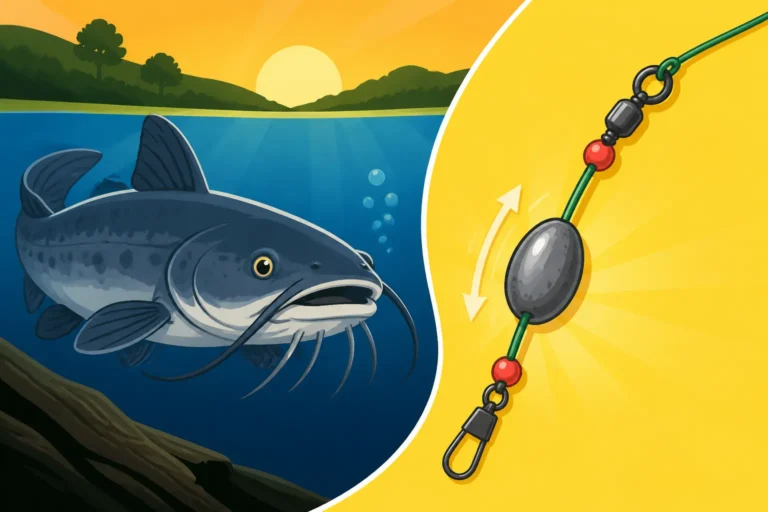
| Catfish | Deeper holes, main river channels, less active feeding | Cut bait (chicken liver, shad), prepared baits. Bottom fishing, long soak times. | Deep holes, channel swings, scour holes around structure in rivers (Altamaha River Fishing Guide). |
Disclaimer
The information provided in this guide is for general informational purposes only and is not intended as legal or professional advice. Fishing regulations, license requirements, and safety guidelines can change frequently. Always consult the latest regulations from the Georgia Department of Natural Resources (GDNR) and exercise caution and good judgment when on the water. Fishing inherently carries risks, and personal safety should always be your top priority.