Lake Sinclair Fishing Spots for Bream
Navigating a new lake, or even a familiar one, to find those sweet spots where bream are biting can sometimes feel like trying to solve a puzzle with half the pieces missing. You've heard Lake Sinclair is teeming with these feisty panfish, but where do you even start? This guide is going to strip away the guesswork, pointing you directly to the prime locations on Lake Sinclair where bluegill, redear sunfish (shellcrackers), and other bream species love to congregate, ensuring your next fishing trip is filled with bent rods and plenty of smiles.
Why Lake Sinclair is a Bream Angler's Paradise
Lake Sinclair, nestled in Central Georgia near Milledgeville, is a beloved destination for anglers, and for good reason. It's part of the Oconee River system, a sprawling reservoir that offers diverse habitats perfect for a variety of fish species, especially our beloved bream. Unlike some deeper, colder lakes, Sinclair has a character all its own that makes it particularly attractive for panfish.
The Lake's Layout and Habitat Diversity
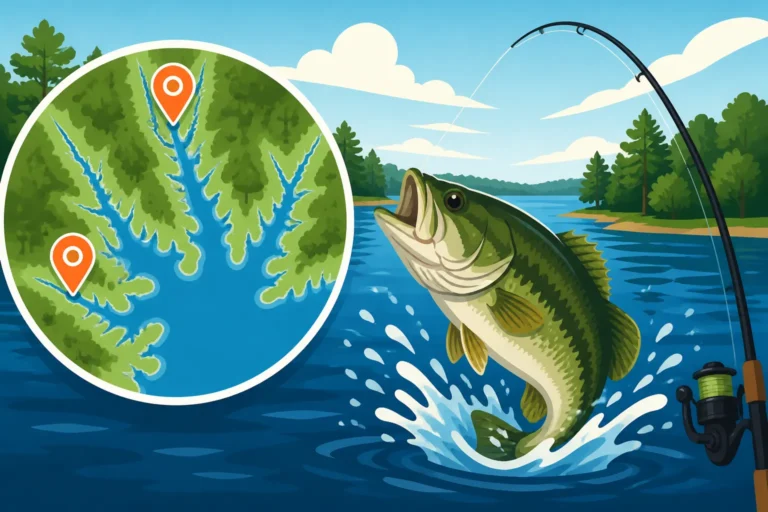
Lake Sinclair is a 15,300-acre reservoir known for its many coves, long stretches of shoreline, and an abundance of structure. This isn't just a big bowl of water; it's a complex ecosystem. The lake features a mix of rocky banks, sandy bottoms, areas with submerged timber, and plenty of aquatic vegetation, especially in its shallower arms and pockets. This varied terrain provides an ideal environment for bream to thrive. They need cover for protection from predators, places to ambush insects and small crustaceans, and suitable spots for nesting. Sinclair delivers on all fronts, offering countless nooks and crannies where bream can establish themselves. The warmer water temperatures, often influenced by the Georgia Power Plant Branch, also contribute to a longer growing season and active metabolism for fish, making them more eager to bite for more of the year.
Abundance of Bream Species
When we talk about "bream" on Lake Sinclair, we're generally referring to a few key players: bluegill, redear sunfish (often called shellcrackers), and occasionally other sunfish like warmouth or spotted sunfish. Each of these species adds to the rich tapestry of angling opportunities. Bluegill are perhaps the most common and widely distributed, known for their aggressive bite and willingness to hit almost any small bait. They are perfect for teaching kids to fish due to their eagerness. Redear sunfish, on the other hand, are a bit more discerning. They earned their "shellcracker" nickname for their ability to crush the shells of snails and mussels, which form a significant part of their diet. They tend to be found on harder bottoms and near mussel beds, and when you hook into one, you'll know it – they put up a surprisingly strong fight for their size! This variety means that no matter what your preferred style of bream fishing, Lake Sinclair has something to offer. If you want to learn more about these specific species, our comprehensive guide on Bream and Sunfish Guide for Georgia Anglers dives deep into identification and habits.
Prime Bream Fishing Hotspots on Lake Sinclair
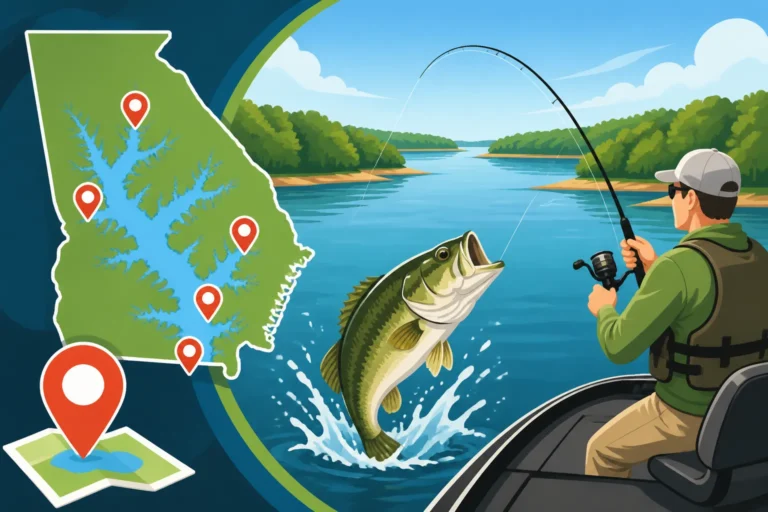
Alright, let's get down to brass tacks. You're on Lake Sinclair, rod in hand, ready to catch some bream. Where should you cast your line? The key to finding bream is to think about their needs: food, cover, and spawning grounds. These little fish aren't usually out in the open water; they prefer to stick close to structure.
Docks, Piers, and Seawalls
Hands down, docks and piers are some of the most consistent bream producers on Lake Sinclair. Why? Because they offer instant cover and shade. Bream, especially on sunny days, love to hide beneath these structures, ambushing unsuspecting insects or smaller baitfish. The pilings themselves often grow algae and attract other small organisms, creating a mini-ecosystem. When fishing these areas, don't just cast out into open water; meticulously work your bait around every piling, under the dock, and along the seawall. A simple slip bobber rig is incredibly effective here, allowing you to present your bait at various depths without spooking the fish. Many residential areas around the lake, particularly on the main body and in larger coves, are lined with docks. Access might require a boat, but many public access points or state parks like the one at Rocky Creek offer pier fishing opportunities where you can still hit some great spots. If you're looking for Lake Sinclair Shore Fishing Access Points, these often include areas with docks or seawalls.
Shallow Coves and Aquatic Vegetation
Shallow coves are another goldmine for bream, especially during their spawning season in late spring and early summer. These protected, calmer waters warm up faster and provide ideal conditions for bream to build their circular nests. Look for coves with lily pads, submerged grass beds, or even just patches of harder bottom. During the spawn, bream will gather in large colonies, and if you find one, you've found dozens! Even outside of the spawn, these areas offer crucial cover and a rich food source. Cast your bait right to the edge of the vegetation, or if it's sparse enough, drop it right into the pockets. A light spinning rod with a small hook and a piece of cricket or worm is often all you need. Areas like Little River, Murder Creek, and the many smaller feeder creeks flowing into Sinclair are excellent places to explore for these shallow, vegetation-rich coves.
Submerged Structures and Brush Piles
Bream absolutely love to hide in and around submerged structures. This could be anything from fallen trees, old stumps, rock piles, or intentionally placed brush piles by anglers. These spots provide excellent ambush points and protection. While some of these structures are visible, many are hidden beneath the surface, requiring a good fish finder or some local knowledge to locate. If you're on a boat, use your electronics to scan for irregular bottom contours or dense clusters that indicate cover. Once you find a brush pile, anchor upwind or upstream and drift your bait into and around it. A simple live worm or a small crappie jig can be deadly here. Remember to use a lighter leader if possible, as bream can be line-shy, but be prepared for snags in these brushy areas. For tips on finding crappie, which often inhabit similar structures, check out our guide on the Best Crappie Spots on Lake Sinclair, as those locations are often productive for bream too.
The Warm Water Discharge Area
This is a unique hotspot for Lake Sinclair, particularly during the cooler months. The Georgia Power Plant Branch on the lake’s eastern side discharges warmer water, creating a localized thermal refuge that attracts a multitude of fish when the rest of the lake cools down. While this area is famously known for drawing in striped bass and crappie in winter, bream also take advantage of the warmer conditions, remaining more active and continuing to feed. If you're braving the cold, don't overlook fishing the edges of this warm water discharge and the surrounding coves. The bream might not be as concentrated as during the spawn, but they'll be more willing to bite than those in colder parts of the lake. For more on how this unique feature impacts winter fishing, you might find our article on Lake Sinclair Winter Bass Fishing Near the Power Plant informative, even if your target is bream.
Here's a quick reference table for identifying potential bream spots on Lake Sinclair:
| Spot Type | Best Time of Year | Key Features to Look For | Recommended Baits/Lures | Access Type |
|---|---|---|---|---|
| Docks, Piers, Seawalls | Year-round, especially sunny days | Shade, pilings, submerged cables/chains, algae growth | Worms, Crickets, Small Jigs | Boat/Shore/Pier |
| Shallow Coves/Vegetation | Spring, Early Summer | Lily pads, submerged grass, hard bottom patches, protected bays | Worms, Crickets, Poppers | Boat/Kayak/Canoe |
| Submerged Structures | Year-round | Fallen trees, brush piles, rock piles (use fish finder) | Worms, Crickets, Small Jigs | Boat |
| Warm Water Discharge | Fall, Winter | Warm water outflow, current breaks, nearby docks/rip-rap | Worms, Crickets, Small Jigs | Boat/Shore |
Essential Gear and Techniques for Lake Sinclair Bream
Bream fishing doesn't require a huge investment in fancy gear, which is one of its many appeals! It’s accessible, fun, and deeply rewarding, whether you’re fishing from a high-tech bass boat or a simple folding chair on the bank. However, having the right setup can definitely improve your success and enjoyment.
Recommended Rods, Reels, and Line
For bream, subtlety and sensitivity are key. You're not casting heavy lures or fighting monster fish, so light tackle is your best friend.
- Rods: A light to ultralight spinning rod, typically 5 to 6.5 feet long, is ideal. This length gives you good casting accuracy for those tight spots around docks or under trees, while the ultralight action makes even a small bream feel like a trophy. A flexible tip is crucial for detecting those soft bream bites.
- Reels: Pair your rod with a small spinning reel (e.g., a 1000 or 2000 size). It should balance well with your rod and have a smooth drag system, although you likely won't be testing it much with bream! The main thing is smooth casting and retrieval.
- Line: Stick to light monofilament line, usually 4 to 6-pound test. Monofilament has a bit of stretch, which can act as a shock absorber, and it's less visible in clear water than heavier lines. You could go down to 2-pound test for a real challenge, but 4-pound offers a good balance of strength and finesse. Fluorocarbon leaders are also an option if the water is exceptionally clear and the fish are picky.
If you’re wondering about options, many of the rods suitable for crappie, discussed in Best Rods for Crappie Fishing in Georgia, would also be excellent choices for bream.
Best Baits and Lures for Bream
Bream are not usually picky eaters, which is fantastic news for anglers. However, some baits and lures are undeniably more effective than others.
- Live Bait: This is the undisputed champion for bream.
- Crickets: The go-to bait for many bream anglers. Their natural scent and movement are irresistible. Hook them gently through the collar or behind the head.
- Red Wrigglers/Worms: Another classic. A small piece of a nightcrawler or a full red wiggler presented on a small hook is almost guaranteed to get bites.
- Mealworms/Waxworms: Smaller insect larvae that are very effective, especially for smaller bream or when fishing is tough.
- Artificial Lures: While live bait often outfishes artificials for bream, small lures can be very effective, especially for covering more water or when targeting larger bream.
- Small Jigs: Tiny jigs (1/32 to 1/16 ounce) tipped with a small plastic grub, tube, or even a piece of real worm can be deadly. Colors like chartreuse, white, and black are often productive.
- Inline Spinners: Small spinners like those from Rooster Tail or Panther Martin can trigger aggressive strikes, especially from larger bream, particularly bluegill.
- Poppers/Small Surface Lures: For a thrilling topwater bite, especially during low light conditions or over shallow weed beds, a tiny popper can be incredibly fun. The sound and ripple attract bream from surprising distances.
For a deeper dive into bait choices, our guide on the Best Bait for Bream Fishing offers more specific recommendations that will serve you well on Lake Sinclair.
Effective Fishing Techniques
The beauty of bream fishing lies in its simplicity, but a few refined techniques can make all the difference.
- Bobber Fishing: This is the classic, and for good reason. A small slip bobber allows you to adjust your bait's depth easily. Cast near cover, let your bait settle, and watch for that bobber to twitch or disappear. It's incredibly visual and perfect for beginners and kids.
- Bottom Fishing: Sometimes bream are hugging the bottom, especially redear sunfish. A simple split shot or small sinker tied a foot or so above your hook, with bait on the bottom, can be very effective. This is particularly good for shellcrackers foraging for snails.
- Flipping and Pitching: When targeting bream around heavy cover like docks or brush piles, flipping or pitching your bait with precision can get it into tight spots where fish are hiding without making a big splash that spooks them. This requires a bit more practice but is incredibly rewarding.
- Drifting: If you're on a boat, slowly drifting along a shoreline with your bait suspended under a bobber can help you cover a lot of water and find active fish. Pay attention to any bites, and then perhaps anchor and focus on that productive stretch.
- Aggressive Retrieval (for artificials): When using small spinners or jigs, a steady, slow retrieve is often best. However, don't be afraid to experiment with slight jerks or pauses to impart an erratic action that might entice a strike.
Remember, bream are very sensitive to noise and shadows. Approach your chosen fishing spot quietly and try to keep your shadow off the water where you're fishing.
Mastering Bream Fishing Through the Seasons
Just like any other fish, bream behavior on Lake Sinclair changes with the seasons. Understanding these patterns can help you predict where they'll be and what they'll be willing to eat, maximizing your chances of a successful outing year-round.
Spring Spawn Frenzy
Spring is arguably the absolute best time to target bream on Lake Sinclair, especially as water temperatures climb into the high 60s and low 70s Fahrenheit (around 18-22°C). This is when bluegill and redear sunfish move into the shallows to spawn. They create distinct, circular "beds" or nests, often in colonies, on hard bottoms in protected coves or along shallow points. During this time, they are incredibly aggressive, guarding their nests and striking at almost anything that comes too close.
To find them, look for dish-shaped depressions on the bottom in 1 to 5 feet of water. You might even smell them first – large concentrations of spawning bream often emit a distinct, musky odor. Once you find a bed, it can be non-stop action. Cast your bait (crickets and worms are deadly) right into the middle of the bed or just beyond it. A light bobber rig or a simple weighted bait can be very effective. This period typically kicks off in late April or May and can last through early summer, with multiple spawns possible throughout the warm months. This is also a fantastic time to introduce new anglers to the sport, as the action is usually fast and furious. If you're planning a family trip, Lake Sinclair certainly offers some of the Best Family-Friendly Fishing Spots in Georgia during this time.
Summer Strategies
As summer heats up and the water temperatures rise even further, bream behavior shifts slightly. While some bream may continue to spawn in cycles, many will move out of the very shallow, open beds and seek deeper, cooler water and more substantial cover. You'll still find them shallow early in the morning and late in the evening when temperatures are cooler and light is subdued, but during the bright midday, they often retreat.
Focus your summer efforts on deeper docks, brush piles, and submerged timber, especially those that offer good shade. Look for transition areas where shallow flats drop off into deeper channels or creek beds. Bream will often stage along these drops, moving up to feed and then retreating. Fishing closer to the bottom with worms or small jigs becomes more effective. Don't be afraid to experiment with different depths, even if it means fishing 10-15 feet deep around structures. Topwater lures like small poppers can still be fantastic during the low light hours of dawn and dusk, especially near lily pads or over submerged grass.
Fall and Winter Opportunities
As fall approaches and water temperatures begin to cool, bream fishing can remain good, especially in the early fall. The fish will often become more active, feeding heavily in preparation for winter. Look for them moving back into shallower coves and along creek channels, where they'll be hunting for insects and small baitfish. Live baits like crickets and worms are still effective, but don't overlook small jigs or inline spinners as they actively chase food.
Winter is typically the toughest time for bream fishing on most Georgia lakes, as their metabolism slows down, and they become less active. However, Lake Sinclair has a secret weapon: the warm water discharge from the Georgia Power Plant. As mentioned earlier, this area provides a thermal refuge, concentrating fish, including bream, during the coldest months. While they won't be in the same numbers as during the spring spawn, you can still find active fish willing to bite in the discharge canal itself or in the adjacent coves where the warmer water circulates. Present small baits very slowly and patiently. This is a game of finesse and persistence, but it can yield surprising results when the rest of the lake is frozen over. Considering a trip? Using a service like FishingBooker could help you connect with local guides who specialize in these winter patterns and know the precise locations that are still hot.
No matter the season, remember that bream are a fantastic sport fish for all ages and skill levels. They offer consistent action and are truly a delight to catch.
Disclaimer
Please note that fishing regulations, license requirements, and local rules can change. Always consult the Georgia Department of Natural Resources (DNR) official website or local signage for the most up-to-date information before heading out on your fishing trip. This guide is for informational purposes and does not replace official sources.