Chattahoochee River Headwaters Trout Fishing Spots, Georgia
Oh, the Chattahoochee River Headwaters! If you've ever dreamt of casting a line into crystal-clear mountain streams, surrounded by the whispering pines of North Georgia, but felt overwhelmed by where to even start or which secret pockets hold the best trout, you're not alone. This guide is your ultimate companion to unlocking the magic of trout fishing in the stunning headwaters of the Chattahoochee, helping you navigate its unique challenges and find those unforgettable angling experiences.
Understanding the Chattahoochee Headwaters Trout Fishery
The Chattahoochee River, born high in the Blue Ridge Mountains, offers a trout fishing experience unlike almost any other in Georgia. It’s a vital artery for cold-water species, a true gem for anyone passionate about chasing trout. We're talking about the upper reaches here, before it widens and slows, where the water is brisk, oxygenated, and perfectly suited for trout.
What Makes the Headwaters Special for Trout?
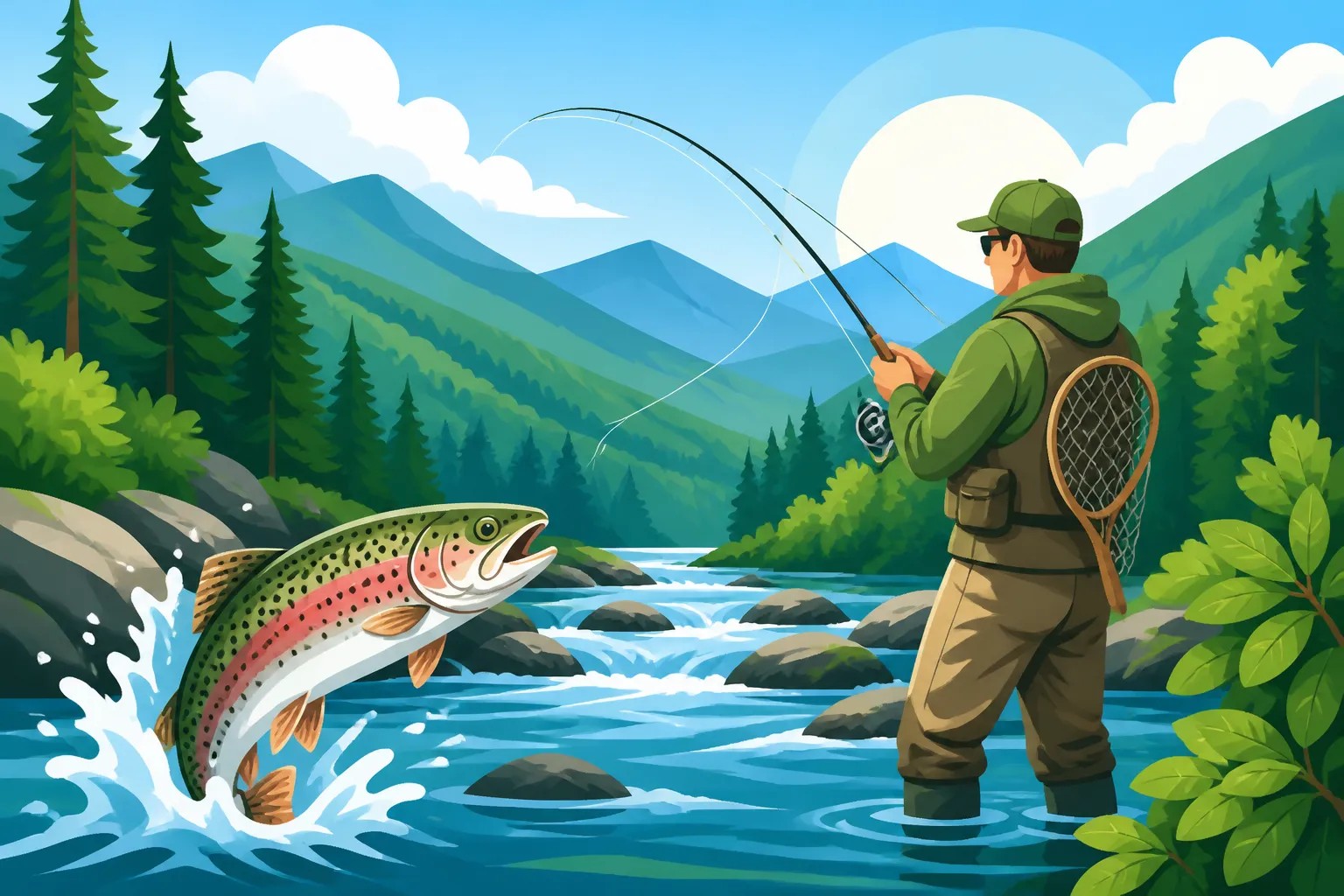
The magic really lies in the pristine conditions. Up here, the Chattahoochee is less a broad river and more a collection of winding streams, tributaries, and riffles. The dense canopy overhead provides crucial shade, keeping water temperatures low, even during Georgia's hot summers. This constant cool water, combined with rocky bottoms and plenty of natural cover from fallen timber and undercut banks, creates an ideal habitat for trout. You’ll find all three primary trout species that call Georgia home: the feisty Rainbow Trout, the elusive Brown Trout, and, if you're lucky and venture into the smaller, wilder feeder streams, Georgia’s only native trout species, the beautiful Brook Trout. Each species has its own personality and preferred lies, adding layers of challenge and reward to your fishing efforts. Many of these areas fall under the umbrella of Chattahoochee National Forest lands, meaning they often retain a wild, untamed feel, far from the hustle and bustle of city life. This natural setting is part of what makes Georgia Trout Fishing: Rainbow, Brown, and Brook Trout Explained such a rich topic for conversation among anglers.
Key Sections and Access Points
The Chattahoochee Headwaters aren't just one spot; they're a network. Knowing where to go is half the battle, especially when you're looking for that perfect secluded bend or a stretch known for its healthy trout populations.
One of the most famous and highly regulated areas is Dukes Creek, which flows into the Chattahoochee near Smithgall Woods State Park. This is a trophy-trout, delayed harvest stream, meaning strict catch-and-release rules apply for much of the year, with artificial lures only. It's truly a special place, but access is very limited and often requires reservations, so plan well in advance. Then there are stretches directly around Helen, Georgia, and within Unicoi State Park. These areas offer more accessible fishing, often stocked with Rainbow Trout, making them great spots for families or beginners. The river here can be fished from the bank in many places, or waded depending on water levels. Further upstream, the river snakes through the Raven Cliff Wilderness area, offering more rugged, remote fishing opportunities for those willing to hike. These sections often hold wilder fish, including the chance for native Brook Trout in the higher elevations and tributaries. Other popular and easily accessible spots include areas near the Upper Chattahoochee River Campground and various road crossings along Highway 75 and 17. For those who want to really dive deep into specific spots, checking out resources like Best Trout Streams in Georgia can provide even more granular detail. If you're coming from out of town, or want a hassle-free experience, a platform like FishingBooker can help you connect with local guides who specialize in these headwater sections, ensuring you hit the best spots without the guesswork.
Essential Gear and Techniques for Headwaters Trout
Once you know where you’re headed, assembling the right gear and understanding effective techniques is paramount. Trout in the headwaters can be finicky, and the tight quarters and clear water often demand a more delicate approach.
Fly Fishing vs. Spin Fishing Approaches
Both fly fishing and spin fishing have their place in the Chattahoochee Headwaters, and your choice often comes down to personal preference, skill level, and the specific conditions you encounter.
Fly Fishing: This is often considered the purist's choice, and for good reason. The gentle presentation of a fly can be incredibly effective on wary trout in clear water. For the Chattahoochee Headwaters, a lightweight rod, typically a 3-weight or 4-weight, between 7 to 8.5 feet long, is ideal. This shorter length helps with casting in brushy areas common to mountain streams. You’ll want a matching reel and a floating fly line. When it comes to flies, carrying a diverse selection is key. Think about dry flies that mimic common insects like Caddis, Mayflies, and Stoneflies, especially during hatches. Nymphs (like a Pheasant Tail, Hare's Ear, or Prince Nymph) are incredibly effective subsurface, as trout feed on nymphs most of the time. Small streamers can also entice larger, more aggressive trout. Learning Fly Fishing Basics for Trout can definitely give you an edge, focusing on drifts and reading the subtle takes.
Spin Fishing: Don't let anyone tell you spin fishing isn't effective for trout; it absolutely is, and it's often more accessible for beginners or those who prefer a different style of angling. For these waters, a light to ultralight spinning rod (4.5 to 6 feet in length) with a sensitive tip is perfect. Pair it with a small spinning reel spooled with 4-6 pound monofilament or fluorocarbon line. The key here is stealth and finesse. You'll want to make accurate casts, often into tight pockets or around structure, and avoid heavy splashes. Spin Fishing Techniques for Trout emphasize lure choice and presentation. Small spinners (like Rooster Tails or Mepps Aglias), tiny spoons (such as Little Cleos or Phoebe spoons), and small soft plastic lures rigged on light jig heads are incredibly productive. Always remember that clear water means light line and a subtle approach will yield better results.
Recommended Baits and Lures
No matter your chosen method, having the right offerings is crucial for success. Trout diets can vary widely based on the season, water temperature, and available forage.
For fly anglers, a diverse fly box is your best friend. In the spring and early summer, when insect hatches are prevalent, matching the hatch with dry flies can be exhilarating. Think about sizes ranging from 12-20. When fish aren't rising, switching to nymphs fished under an indicator, or tight-lining in faster water, will often produce. Specific patterns like Squirmy Worms, Egg Patterns, and even small Woolly Buggers can be highly effective, especially for freshly stocked trout. You might even find success with small terrestrials like grasshopper or ant patterns during warmer months near grassy banks.
Spin fishermen have a fantastic array of choices too. Small inline spinners, typically 1/16 to 1/8 ounce, in natural colors or bright chartreuse/orange, are perennial favorites for their flash and vibration. Spoons of similar weight are great for casting into deeper pools. For soft plastics, consider Berkley PowerBait Trout Worms or small Gulp! Minnows, often rigged on a tiny jig head or under a bobber. Live bait, when allowed, can also be highly effective. Worms (like red wigglers or nightcrawlers) are universally appealing to trout, and small crickets or even salmon eggs can produce excellent results. Always check local regulations regarding bait use, as some areas, like specific sections of the Chattahoochee or its tributaries, may have artificials-only rules. For a more detailed breakdown on what to use, Best Lures for Stocked Trout offers some excellent suggestions.
Navigating Regulations and Conservation in the Headwaters
Fishing in Georgia, especially for trout, comes with specific rules designed to protect the fishery and ensure its health for future generations. It’s not just about what you catch, but how you do it responsibly.
License Requirements and Special Permits
First things first: you absolutely need a valid fishing license. For most resident anglers, a basic Georgia fishing license will cover your general fishing needs. However, if your sights are set specifically on those gorgeous mountain trout streams in the Chattahoochee Headwaters or other designated trout waters, you’ll need an additional permit. This is known as the Mountain Trout License, or sometimes referred to as a trout stamp. It's an add-on to your basic license. Don't get caught without it, because penalties for fishing without proper licensure can be steep. You can easily purchase your Georgia Fishing License Guide and the required Mountain Trout License Add-On in Georgia online through the Georgia Department of Natural Resources (DNR) website, by phone, or from an authorized license agent, like a local bait and tackle shop or even some sporting goods stores. If you’re visiting from out of state, there are various nonresident fishing license prices in Georgia, including short-term options, but the Mountain Trout License is still required if you're targeting trout in designated waters. If you're unsure about where or how to get everything you need, FishingBooker can often provide helpful pointers on local regulations when booking a trip, simplifying the preparation process.
Catch Limits and Species-Specific Rules
Beyond just needing the right licenses, understanding the specific rules about what you can keep (and how many) is crucial. Georgia has general statewide regulations, but many specific trout streams, including sections of the Chattahoochee Headwaters, have special regulations.
For general trout waters in Georgia, the daily creel limit is typically eight trout per day, with no minimum size limit. However, certain streams, particularly those managed for trophy trout or wild populations, will have much stricter rules. For example, some streams might have a 16-inch minimum size for certain species, or even be designated as "catch-and-release only" for specific periods, such as the Delayed Harvest Trout Streams in Georgia. Dukes Creek, as mentioned earlier, is a prime example of a stream with highly restrictive trophy regulations. It’s paramount to consult the current Georgia Sport Fishing Regulations booklet, available online or at license vendors, before each trip. This booklet provides detailed Trout Stream Size Limits by Creek and Daily Creel Limits for Trout in Georgia, ensuring you're always compliant. Keep an eye out for signs at public access points, as they often post the specific rules for that particular stretch of water.
Practicing Responsible Catch and Release
Even if you’re fishing a section where keeping fish is allowed, practicing responsible catch and release, especially for larger or wilder trout, is a cornerstone of good angling ethics. These fish are a precious resource, and minimizing stress and injury ensures they can spawn and grow, contributing to a healthier fishery.
Here are some best practices:
- Use Barbless Hooks: Pinching down the barbs on your hooks makes removal much easier and less damaging to the fish's mouth. Many dedicated trout anglers exclusively use barbless hooks.
- Minimize Handling: Try to keep the fish in the water as much as possible. If you must handle it, do so with wet hands to protect its delicate slime coat, which acts as a barrier against disease.
- Use a Net: A knotless, rubberized landing net is ideal for safely subduing and landing a trout, reducing the time it spends out of the water.
- Quick Release: Support the fish gently in the water, facing upstream, until it revives and swims away on its own. Don't just toss it back. If it's bleeding heavily or severely injured, it's often more humane to dispatch it quickly if regulations allow for harvest. This responsible approach is vital for the sustainability of these beautiful streams.
| Chattahoochee Headwaters Section | Target Species | Recommended Techniques | Regulations (General) | Access Considerations |
|---|---|---|---|---|
| Dukes Creek (Smithgall Woods) | Trophy Rainbow, Brown | Fly Fishing (Nymphs, Streamers) | Catch & Release, Artificial Lures Only, Reservations Required | Extremely Limited, Guided Trips Often Best Option |
| Helen/Unicoi State Park | Rainbow (Stocked) | Spin Fishing (Spinners, Bait), Fly Fishing (Nymphs, Eggs) | General Regulations, Stocked Waters | Easy Bank Access, Wading Possible |
| Raven Cliff Wilderness | Rainbow, Brown, Brook | Fly Fishing (Dry Flies, Nymphs), Ultralight Spin | General Regulations (Wilder Fish) | Requires Hiking, More Remote, Less Pressure |
| Upper Chattahoochee River Campground | Rainbow, Brown | Spin Fishing, Fly Fishing | General Regulations | Drive-up Access, Camping Available, Good for Families |
Seasonal Strategies for Trout Fishing Success
The Chattahoochee Headwaters offers year-round trout fishing, but your tactics will need to adapt with the seasons. Water levels, temperature, and insect activity fluctuate, influencing where trout hold and what they’ll eat.
Spring and Summer Tactics
Spring on the Chattahoochee Headwaters is a time of awakening and increased activity. As the weather warms, water levels can be higher due to spring rains and snowmelt from the higher elevations. This means stronger currents and sometimes murky water after heavy precipitation. Trout, having conserved energy over winter, become more active and start feeding aggressively. This is often an excellent time for nymph fishing, as insects are emerging from the bottom. Streamer fishing can also be highly effective, mimicking baitfish that are more active. As the days lengthen, hatches of Caddis and Mayflies become more consistent, offering fantastic dry fly opportunities. The key is to be flexible; be ready to switch from subsurface tactics to dry flies if you see fish rising.
As we move into Summer, the challenges increase, especially during Georgia’s hotter periods. Water temperatures can climb, even in the headwaters, making early mornings and late evenings the most productive times. Trout will seek cooler, more oxygenated water, often congregating in deeper pools, beneath undercut banks, or in the faster, more turbulent sections where the water is aerated. When fishing in summer, think light lines and small flies or lures. Terrestrial patterns like hoppers, ants, and beetles can be very effective if there's foliage overhanging the water. Spin fishermen should focus on subtle presentations with small spinners or soft plastics. Reducing the stress on fish during warm water periods is crucial; consider shortening your fight times and releasing fish quickly to maximize their survival. Planning your trip with a service like FishingBooker can help you find guides who know the best spots and techniques for summer, ensuring a more successful and ethical outing.
Fall and Winter Opportunities
Fall is arguably one of the most beautiful and productive seasons for trout fishing in the Chattahoochee Headwaters. The vibrant foliage creates a stunning backdrop, and the cooling water temperatures invigorate the trout. Browns, in particular, become more aggressive as they prepare for their spawning season. This is a fantastic time for streamer fishing, mimicking the baitfish that are also fattening up. Dry fly action can still be good, especially on warmer days, with BWO (Blue-Winged Olive) hatches common. The Georgia DNR also undertakes its fall trout stocking schedule, which means many easily accessible streams get a fresh infusion of fish, boosting catch rates for all anglers. These stocked trout are often quite willing to bite, making it a great time for beginners. Understanding the Georgia Trout Stocking Schedule can really help you plan your trips.
Winter fishing in the headwaters can be truly rewarding for those willing to brave the chill. While insect activity slows down significantly, trout are still feeding, albeit more subtly. The key is to slow down your presentation and focus on deeper, slower pools where fish conserve energy. Nymph fishing with smaller patterns, often fished very slowly along the bottom, is the most consistent producer. Egg patterns can also be effective, especially if you're fishing near areas where trout are spawning (be mindful not to disturb spawning beds). Streamer fishing can also entice larger, less active fish if presented properly. The colder, clearer water demands even more stealth, but the reward can be some truly beautiful, healthy trout that haven't seen much pressure. Many anglers find the solitude of winter fishing in the headwaters to be a unique and peaceful experience, and a quality guide found through FishingBooker can show you exactly where the fish are holding when the temperatures drop. Even when the water is cold, knowing How to Read Water for Trout Fishing becomes an even more critical skill.
Disclaimer
Fishing regulations, license requirements, and local conditions can change. Always consult the official Georgia Department of Natural Resources (DNR) website or their current printed regulations booklet before you head out on the water. This article is intended for informational purposes only and does not constitute legal advice.