Lake Seminole Boat Ramps and Access Points
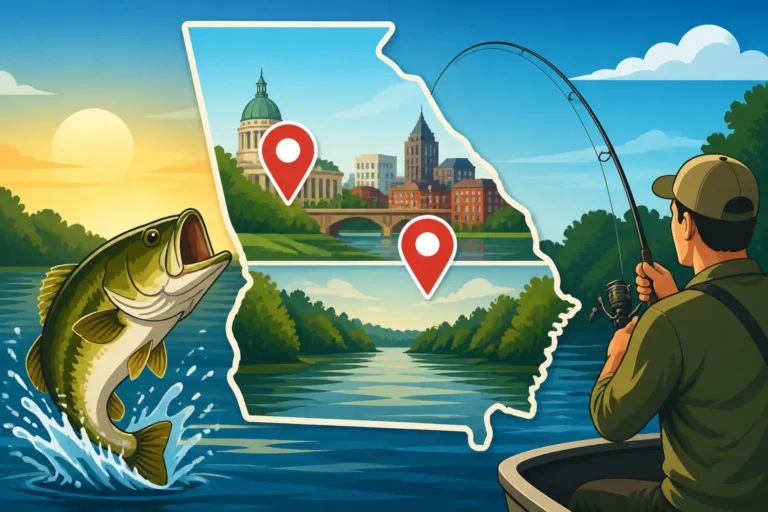
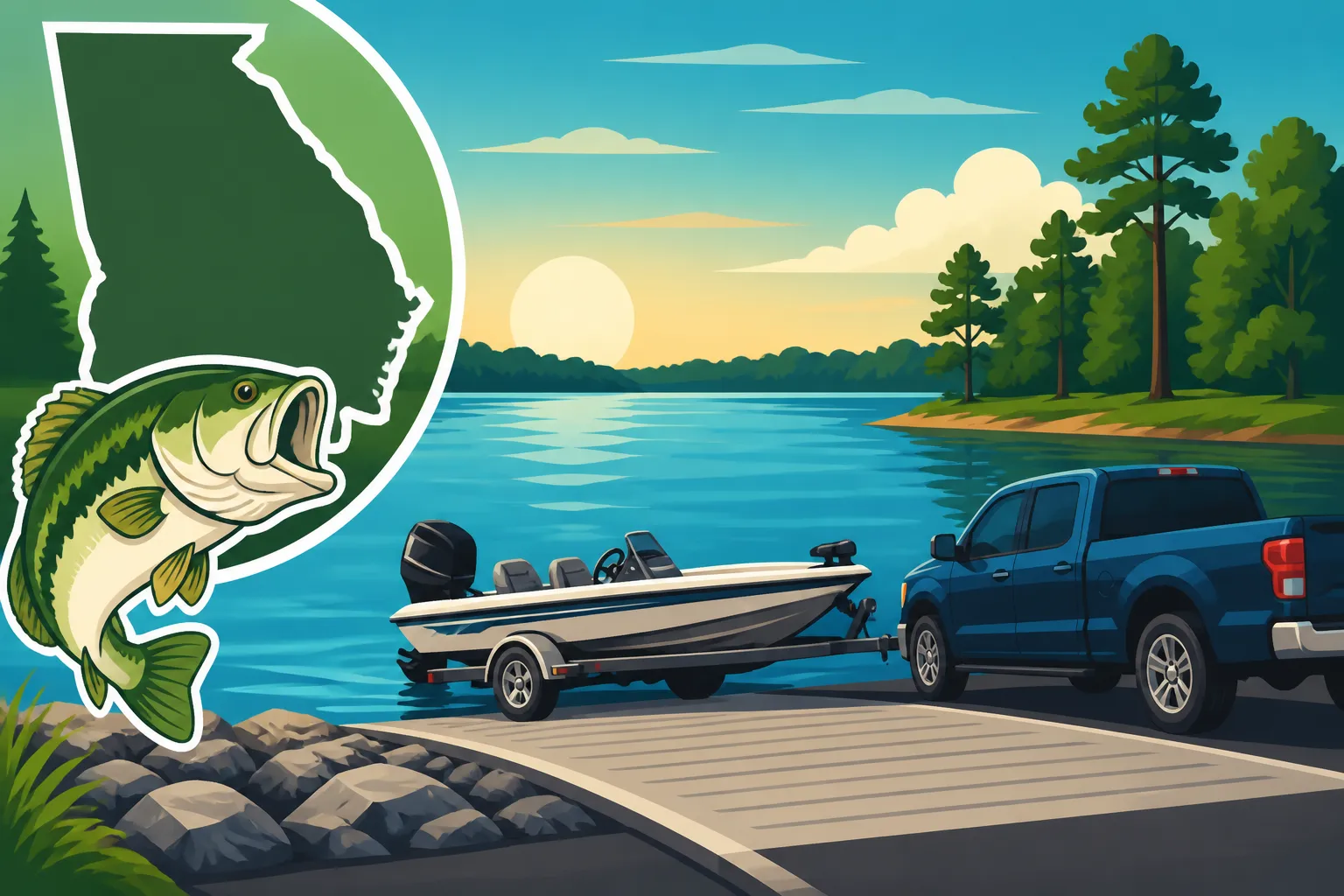
It's no secret that Lake Seminole is a giant, sprawling body of water, famous for its incredible bass fishing, but boy, can it be a real headache to figure out where to even get your boat in the water! Between its immense size, the border it shares with Florida, and its unique, stump-filled character, navigating the access points can feel like half the battle before you even cast a line. This guide is here to untangle that confusion, providing you with a detailed look at the best boat ramps and access points on Lake Seminole so you can spend less time searching and more time reeling in those lunkers.
Understanding Lake Seminole's Unique Access Landscape
Lake Seminole isn't just a lake; it's a massive reservoir formed by the confluence of the Flint River and the Chattahoochee River, eventually becoming the Apalachicola River in Florida. This means you're dealing with a dynamic environment that straddles two states – Georgia and Florida – which inherently complicates things when you're looking for launch sites. The sheer acreage of the lake, over 37,500 acres, also means that not all ramps are created equal, nor are they convenient to every fishing hot spot. You might think, "A ramp is a ramp," but on Seminole, choosing the right one can significantly impact your day, especially if you're trying to target specific areas or species.
The Challenge of Choosing the Right Ramp
Many anglers, myself included, have pulled up to a ramp on a new lake, only to find it's too shallow, too crowded, or simply too far from where they want to fish. On Lake Seminole, this challenge is amplified. The lake is renowned for its vast fields of submerged stumps and thick hydrilla beds, which are fantastic fish habitat but can be treacherous for navigation, particularly if you're unfamiliar with the area. Launching from a ramp that puts you immediately into a minefield of stumps when you’d rather be running open water can be a frustrating start to your day. It’s crucial to pick a ramp that aligns with your planned fishing areas and your boat type, whether you're in a sleek bass boat or a more modest Jon boat or kayak. You don't want to spend precious fishing time idling slowly through hazards if you don't have to.
Georgia vs. Florida Side Access
Because Lake Seminole straddles the Georgia-Florida state line, you'll find ramps in both states. This means you need to be aware of local regulations, especially concerning fishing licenses. While this guide focuses on access, it’s always a good idea to ensure you have the correct licenses for both states if you plan to cross the invisible line on the water. For more details, check out our guide on Georgia Fishing Regulations Explained. Generally, ramps on the Georgia side are found in the northern and eastern portions of the lake, while Florida ramps populate the southern and western shores. Each side offers distinct advantages depending on which part of the lake you intend to explore. Some anglers prefer the Georgia side for ease of access to the upper Flint River sections, while others swear by the Florida ramps for quicker entry to the main lake and the more intricate stump fields.
Public Boat Ramps on the Georgia Side
The Georgia side of Lake Seminole offers several excellent public boat ramps, each with its own set of amenities and benefits. These ramps are typically well-maintained and provide good access to different parts of the lake. Knowing which one to choose can make or break your fishing trip, especially if you’re looking to hit a specific spot or avoid crowds.
Seminole State Park Boat Ramp
Hands down, one of the most popular and well-equipped access points on the Georgia side is located within Seminole State Park. This is often the first choice for many anglers, and for good reason. The park offers multiple concrete boat ramps, usually with several lanes, making it capable of handling a good volume of traffic even on busy weekends. There's ample paved parking, which is a huge relief when you're trailering a boat. You'll also find lighted docks, fish cleaning stations, and readily available restrooms, which are essential amenities for a full day on the water. If you’re planning a longer trip, the park also has camping facilities and cabins, making it a convenient base camp. This ramp provides relatively easy access to the main lake body, Spring Creek, and some of the more open water areas, allowing faster runs to various fishing spots.
Big Jim's Fish Camp
Moving a bit north, away from the immediate state park hubbub, you'll find Big Jim's Fish Camp. This is a classic, no-frills kind of place that many local anglers swear by. It’s got a concrete ramp, often less crowded than the state park, and offers a more rustic charm. While the amenities might not be as extensive as a state park (think fewer designated parking spots and perhaps older facilities), it provides excellent access to the upper reaches of Spring Creek and the main Flint River channel as it enters the lake. This spot is particularly favored by those targeting bass and crappie in the timbered areas of Spring Creek. You might even find some local intel on what's biting if you chat with the regulars. It's places like Big Jim's where you truly feel connected to the lake's history and its community of dedicated anglers.
Spring Creek Park City of Donalsonville
Another solid option on the Georgia side, particularly if you're approaching from the north or east, is Spring Creek Park, managed by the City of Donalsonville. This ramp, located on Spring Creek before it widens into the main lake, typically features a single or double concrete ramp with decent parking. It's often less congested than the larger state park ramp, which can be a blessing on a busy Saturday. The access here is fantastic for exploring the upper Spring Creek arms and feeder creeks, which can be phenomenal for bass and panfish, especially during certain times of the year. If you're a fan of kayak fishing, this can also be a great launch point for a calmer paddle up the creek before hitting the wider lake. For more on smaller craft, you might find our guide on Best Kayaks for Fishing Georgia Lakes useful.
| Boat Ramp Name | State | Location (Approx.) | Number of Lanes | Parking Availability | Key Amenities | Best For |
|---|---|---|---|---|---|---|
| Seminole State Park | Georgia | Near Donalsonville, GA | 2-3 | Ample Paved | Docks, restrooms, cleaning station, camping | Main lake, Spring Creek, larger boats |
| Big Jim's Fish Camp | Georgia | Up Spring Creek from main lake | 1-2 | Moderate Gravel | Bait shop (seasonal), basic docks | Upper Spring Creek, Flint River Channel |
| Spring Creek Park | Georgia | Donalsonville, GA (on Spring Creek) | 1-2 | Moderate Paved | Restrooms, small park area | Upper Spring Creek, calmer waters, kayaks |
| Chattahoochee City Ramp | Florida | Chattahoochee, FL (near Jim Woodruff Dam) | 2 | Ample Paved | Docks, restrooms | Main lake, Apalachicola River access |
| Booster Club Ramp (Faceville) | Florida | Faceville, FL | 1-2 | Moderate Paved | Basic docks | Lower main lake, stump fields |
Public Boat Ramps on the Florida Side
While the Georgia side offers great access, don't overlook the Florida ramps, especially if your target fishing grounds are in the lower part of Lake Seminole or closer to the Jim Woodruff Dam. The Florida side provides slightly different access points that can be strategic for certain fishing conditions or species.
Chattahoochee City Ramp
On the extreme southern end of the lake, right where the Flint and Chattahoochee Rivers merge to form the Apalachicola River below the Jim Woodruff Dam, you'll find the Chattahoochee City Ramp in Florida. This ramp is a fantastic option if you're coming from central or south Florida, or if you want quick access to the immediate tailwaters of the dam for striped bass or catfish. It typically features two wide concrete ramps and plenty of parking. Because of its proximity to the dam, it's also a popular spot for those venturing into the Apalachicola River, offering a different kind of fishing experience altogether. The current can be stronger here, so it’s something to be mindful of, especially for smaller boats. Having your Georgia Saltwater Information Permit Explained, even though it's freshwater, can be a good habit for boundary waters, though not strictly required here.
Booster Club Ramp (Faceville Landing)
If you're looking for access to the sprawling, stump-laden main body of the lake on the Florida side, the Booster Club Ramp (also known as Faceville Landing) near Faceville, Florida, is an excellent choice. This ramp can be a bit more rustic than the state park, but it typically offers a concrete ramp and sufficient parking. Its location is strategic for anglers who want to spend their day fishing the famous stump fields and hydrilla beds of the lower lake. This area is notorious for trophy largemouth bass, and launching from Faceville puts you right in the thick of it. Just be prepared to navigate carefully, as you’ll be immersed in the classic Lake Seminole structure almost immediately. A good fish finder is almost essential here, and you might want to review some Best Fish Finders for Georgia Reservoir Fishing articles before heading out.
Marinas, Shoreline Access, and Essential Amenities
Beyond the main public boat ramps, Lake Seminole offers other types of access and crucial amenities that can significantly enhance your fishing trip. Whether you're looking for a quick bank fishing spot, a place to refuel, or an expert guide, knowing these resources is key to a successful outing.
Fishing Piers and Bank Fishing Opportunities
Not everyone has a boat, and that's perfectly okay! Lake Seminole does offer some decent opportunities for bank fishing and fishing from piers, particularly within Seminole State Park. The park has designated fishing piers that are generally well-maintained and can be a great spot to catch a variety of panfish, catfish, or even smaller bass, especially for families or beginners. These spots are fantastic for a relaxed day with a simple bobber and bait setup. If you're bringing kids, it's an ideal, safe environment to introduce them to the joys of fishing. For more family-friendly options, check out our guide on Great Fishing Spots for Kids and Families in Georgia. Beyond the park, you might find informal bank access in various areas, but these are often less developed and may require some exploration. Always be respectful of private property and posted signs.
Marinas, Bait Shops, and Fuel Stops
On a lake as vast as Seminole, running out of gas or bait can be a real problem. Thankfully, there are a few key locations where you can refuel and restock. Seminole State Park often has a marina store that sells bait, tackle, snacks, and sometimes even fuel (it's always wise to call ahead to confirm fuel availability, especially off-season). Over on the Florida side, places like Wingate's Lunker Lodge offer similar services, catering specifically to anglers with bait, tackle, and valuable local knowledge. Having these points of interest mapped out before you go can save you a lot of grief. Remember, while you might find a gas station a few miles from the lake, getting back on the water quickly is priceless. For those looking to maximize their time, consider booking a trip with a local guide. Services like FishingBooker can help you find experienced captains who know exactly where to get fuel and bait, taking the guesswork out of your journey.
Lodging and Camping with Lake Access
For those who want to immerse themselves fully in the Lake Seminole experience, there are several lodging and camping options that offer direct lake access. Seminole State Park is a prime example, providing campsites suitable for RVs and tents, as well as comfortable cabins. Waking up right by the lake, with your boat just a short walk away, is an unbeatable experience. On the Florida side, several private fish camps and lodges, like Wingate's Lunker Lodge, offer accommodations ranging from rustic cabins to motel-style rooms, often with their own private docks and ramps. These places are not just somewhere to sleep; they're often community hubs where you can swap stories, get tips from fellow anglers, and truly soak in the local fishing culture.
Navigating Lake Seminole's Waters Safely
Lake Seminole is a fantastic fishery, but its unique characteristics demand a certain level of respect and preparedness. The vastness of the lake combined with its challenging underwater topography means that safety and smart navigation are paramount for every angler.
Dealing with Stumps and Hydrilla
Ah, the stumps and hydrilla – the blessing and curse of Lake Seminole fishing! These submerged structures are precisely why the fishing is so good, providing endless cover for baitfish and predators alike. However, they also pose significant navigational hazards. If you're running at speed, hitting a submerged stump can cause serious damage to your boat or propeller, not to mention potential injury. Always exercise extreme caution, especially in shallower areas or outside of marked channels. A good strategy is to use your depth finder to identify clear paths and map out your routes. GPS-enabled fish finders with detailed mapping are invaluable here. Many experienced anglers also trim their motors up when running through known stump fields, opting for slower speeds to avoid impact. When the hydrilla is thick, it can foul your trolling motor or even your main engine, so be prepared to clear your prop regularly. This is where a robust trolling motor and perhaps even a "power pole" style shallow water anchor come in handy for fishing the thick stuff.
Safety Gear and Boater Education
Regardless of where you launch on Lake Seminole, safety should always be your top priority. Given the lake’s size and the occasional rough conditions, especially on windy days, having the right safety gear is non-negotiable. This includes well-fitting life jackets for everyone on board, a throwable flotation device, a whistle or horn, navigation lights (if fishing at dawn, dusk, or night), and a fire extinguisher. It’s not just about compliance; it’s about preparedness. Remember, in Georgia, children under 13 must wear a life jacket when a boat is underway. You can find more details on Georgia Life Jacket Laws for Boaters and Kids. Furthermore, for many younger boaters, a Georgia Boater Education Card is required. Taking a boater safety course not only ensures you meet state requirements but also equips you with vital knowledge for navigating challenging waters like Lake Seminole.
Planning Your Trip and Staying Informed
Before you even leave your driveway, a little planning goes a long way. Check the weather forecast, especially for wind warnings, as Lake Seminole can get very choppy. Inform someone of your float plan – where you're going, which ramp you're using, and when you expect to return. This simple step can be a lifesaver. Staying informed about local fishing reports and lake conditions is also highly beneficial. Websites, local bait shops, and even online fishing forums can provide current information on water levels, hydrilla growth, and what the fish are biting on. If you're new to the lake, consider hiring a local guide, even for half a day. They can show you the ropes, navigate the tricky spots, and significantly shorten your learning curve. FishingBooker is an excellent resource for finding reputable guides in the Lake Seminole area who can help you make the most of your trip. Don't forget to pack plenty of water, snacks, sunscreen, and bug spray – you'll be glad you did!
Disclaimer
Please note that fishing regulations, license requirements, and specific ramp conditions can change. Always consult the official Georgia Department of Natural Resources (GA DNR) and Florida Fish and Wildlife Conservation Commission (FWC) websites for the most up-to-date information before planning your trip. This guide is for informational purposes only.