Lake Sinclair Winter Bass Fishing Near the Power Plant
Winter bass fishing can often feel like an uphill battle, with sluggish fish and barren waters making it tough to even get a bite. But if you’re fishing Georgia, Lake Sinclair offers a unique advantage that can turn those chilly winter days into some of your most productive: the warmth generated by the Plant Scherer power plant. This guide is all about cracking the code for consistent bass action around that thermal discharge, helping you understand the unique conditions and master the techniques that put fish in the boat when other lakes are frozen in their tracks.
Understanding Lake Sinclair's Winter Bass Behavior Near the Power Plant
When the temperatures drop across Georgia, most bass in other lakes retreat to deep, stable water, becoming lethargic and extremely difficult to tempt. But Lake Sinclair is different, especially around the Plant Scherer area. This unique environmental factor creates a microclimate that completely alters the typical winter bass patterns, making it a hotspot for dedicated anglers.
The Warm Water Discharge Advantage
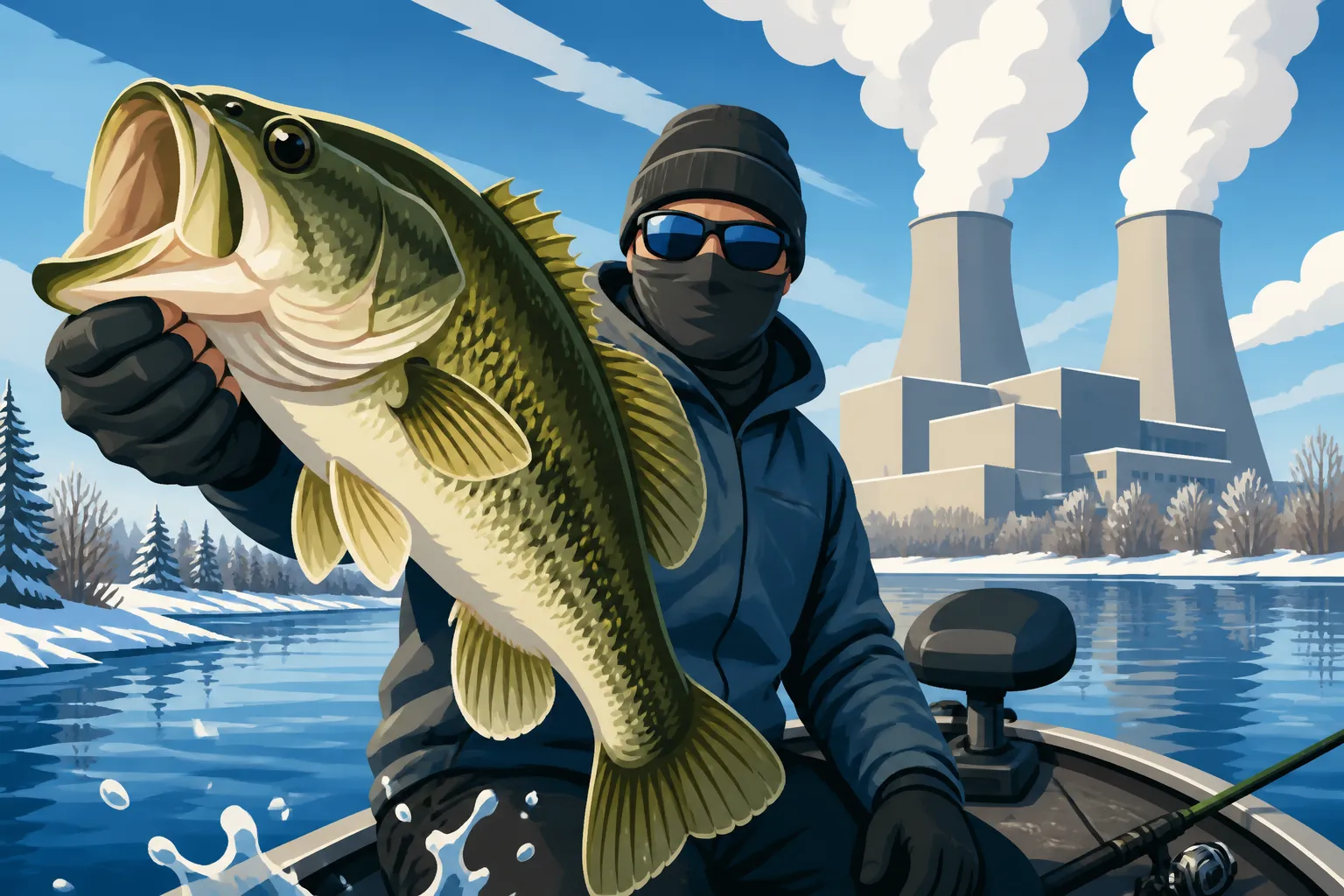
The Plant Scherer power plant, located on Lake Sinclair, uses lake water for cooling its systems. This water is then discharged back into the lake at a significantly warmer temperature. Think of it as a natural heater for a specific section of the lake. This thermal plume has a profound effect on the entire ecosystem, most notably on the bass and their primary food source, baitfish.
Bass, being cold-blooded creatures, have their metabolism directly linked to water temperature. In truly cold water (think 40s and low 50s), their digestive processes slow down, and they don't need to eat as frequently. But introduce that warmer water from the power plant, and suddenly, their metabolism gets a kickstart. Even if the surrounding lake is bone-chilling, the localized warm water zones can be 10-20 degrees Fahrenheit warmer. This means bass in these areas are more active, they digest food faster, and consequently, they need to eat more often. This is precisely why Is Lake Sinclair Warmer Than Other Georgia Lakes in Winter? is a question often asked by anglers looking for consistent winter action. It's not just warmer; it's significantly warmer in critical areas.
Where to Focus Your Efforts in the Warm Zones
Knowing that the water is warmer isn't enough; you need to know where to effectively target these bass. The warm water discharge creates identifiable patterns that fish follow. The water flows from the power plant, creating a thermal current and a plume that gradually mixes with the colder lake water.
Your primary focus should be on the immediate discharge areas and the distinct "warm water line" where the heated water meets the colder ambient lake water. Bass will often position themselves right on this line, moving back and forth between the two temperatures to feed. Look for channels, points, and even small cuts and pockets that are directly influenced by this warmer flow. These areas act as natural funnels for baitfish drawn to the warmth, and where the baitfish go, the bass will follow. Submerged timber, rock piles, and old creek channels within these warm zones become prime ambush points. Often, you'll find them hugging tight to cover, waiting for an easy meal to drift by. For a broader overview of the lake, check out Lake Sinclair Fishing Spots.
Baitfish Movement and Bass Activity
The warmer water isn't just a comfort zone for bass; it's a buffet. Baitfish like threadfin and gizzard shad are also drawn to the warmth, as it keeps them more active and prevents them from succumbing to the cold. In colder areas of the lake, shad often ball up in dense schools in deep water, becoming less accessible. Around the power plant, however, they are more dispersed and active, creating consistent feeding opportunities for bass.
Bass here are often actively feeding, unlike their lethargic counterparts elsewhere. You might see them busting on the surface, especially on warmer, sunny afternoons, indicating a strong baitfish presence. Using your fish finder to locate schools of shad in the warmer water is a crucial step. Once you find the bait, you're usually not far from the bass. This direct correlation between baitfish activity and bass feeding behavior is the cornerstone of successful Winter Fishing at Lake Sinclair While Other Georgia Lakes Slow Down.
Essential Techniques and Lures for Power Plant Bass
Fishing around the power plant requires a specific approach that accounts for the slightly elevated metabolism of the bass while still acknowledging that it is, after all, still winter. You'll need a mix of slow, deliberate presentations and a few power fishing options for those more aggressive windows.
Slow and Steady Wins the Race
Even with the warm water, bass in winter generally prefer slower presentations. Their reaction time is still reduced compared to warmer months, and they're often unwilling to chase down a fast-moving bait. This is where finesse techniques truly shine.
- Jigs: A tried-and-true winter bass bait. Use football jigs or Arkie-style jigs in darker colors like black, blue, or green pumpkin. Tip them with a small plastic trailer, often in a complementary color. Fish these slowly along the bottom, hopping or dragging them over structure. The key is to feel for subtle bites—a slight tick, a spongy feeling, or simply added weight.
- Shaky Heads: A versatile finesse option, a shaky head jig paired with a worm provides a subtle, enticing presentation. Rig a straight-tail worm (like a Zoom Trick Worm or a RoboWorm) on a shaky head, cast it to cover, let it sink, and then gently shake your rod tip to make the worm quiver on the bottom. This minimal movement can be irresistible to even finicky bass.
- Drop Shots: When bass are suspended or holding tight to vertical cover, a drop shot rig is unparalleled. This rig allows your bait (a small worm, minnow imitation, or creature bait) to suspend at a precise depth above your weight, keeping it directly in the strike zone. This is especially effective when bass are schooled up on deeper ledges or around standing timber near the discharge.
- Blade Baits: Lures like the Heddon Sonar or the Berkley Vibes can be extremely effective in the warmer, current-laden water. Their vibration and flash often trigger a reaction strike, even from less active fish. Cast them out, let them sink to the desired depth, and then rip them up with a short, sharp snap of the rod, letting them fall on a semi-slack line. Most bites occur on the fall.
Remember, the retrieve speed is paramount. It should be just fast enough to impart action to the bait, but slow enough that a bass doesn't have to exert much energy to intercept it. Thinking about How Water Temperature Affects Fish Behavior is crucial here.
Leveraging Reaction Baits for Active Fish
While finesse is often the name of the game, there are certainly times when the bass in the power plant area become more aggressive, especially during stable, warmer periods or when current generation is strong. These are the moments to reach for reaction baits.
- Lipless Crankbaits: Brands like Rat-L-Trap or Bill Lewis Rat-L-Trap are excellent choices. Their loud rattles and tight wobble can draw strikes from a distance. Choose chrome, shad, or crawfish patterns. You can retrieve them steadily, yo-yo them along the bottom, or even rip them through schools of baitfish. The vibration they produce is often the key trigger.
- Jerkbaits: A suspending jerkbait, such as those from Rapala (like the Shadow Rap) or Lucky Craft (Pointers), can be deadly. These baits mimic injured baitfish perfectly. Cast them out, crank them down to depth, and then employ a "twitch, twitch, pause" retrieve. The longer the pause, especially in colder water, the better. Bass will often hit them on the pause, when the bait is completely motionless.
- Swimbaits: Soft plastic swimbaits, either paddle-tail or boot-tail, rigged on a jig head can also be incredibly effective, especially when bass are actively chasing shad. A slow, steady retrieve that mimics a fleeing baitfish can draw powerful strikes.
The key to success with reaction baits is to pay attention to current and retrieve speed. Let the current from the discharge work with your bait, allowing it to drift naturally while still imparting action.
Reading the Water and Adjusting Presentations
Successful winter fishing around the power plant isn't just about throwing the right lure; it's about being observant and adaptable. Your electronics are your best friend here. A good fish finder, like many of the models discussed in Best Fish Finder for Lake Lanier (the general principles apply here), will help you pinpoint baitfish schools, individual bass, and submerged structures.
Pay close attention to:
- Water Temperature: Continuously monitor the surface temperature as you move around. Even a few degrees can make a difference in bass activity.
- Current: The power plant's discharge creates current. Bass will often position themselves facing into the current, using it to ambush baitfish. Fishing upstream or perpendicular to the current can be effective.
- Depth: Bass can be anywhere from just below the surface to deep ledges, depending on baitfish location and structure. Don't be afraid to experiment with different depths until you find where they are holding.
- Color and Size: Start with natural baitfish colors (shad, pearl, white) or crawfish patterns (brown, green pumpkin). If the water is stained, brighter colors or darker, silhouetted baits might be more effective. Adjust lure size to match the predominant baitfish.
Flexibility is key. If one technique isn't working, don't be afraid to switch it up quickly. This is often the difference between a frustrating day and a fantastic one, especially after a How to Adjust Lure Choice After a Cold Front.
Timing Your Trip for Optimal Winter Success
Fishing the power plant area of Lake Sinclair can be productive all winter long, but certain conditions and times will undoubtedly yield better results. Understanding these nuances can significantly increase your chances of success.
The Best Times of Day to Fish
Unlike summer, where early mornings and late evenings are prime, winter fishing near the power plant often improves as the day progresses. The coldest part of the day is typically just before sunrise, and as the sun climbs higher, it can have a subtle warming effect on the shallowest waters and also activate baitfish.
- Mid-Morning to Afternoon: Often the most productive window. As the sun warms the water even slightly, baitfish become more active, and bass follow suit. Stable, sunny afternoons, even if chilly, can be fantastic.
- Overcast Days: Don't write off overcast days. They can sometimes keep fish shallower and more consistently active throughout the day, as there's no sharp difference between sunny and shady spots. The key is stable weather; a sudden cold front with cloud cover can shut things down.
- Stable Weather Patterns: Consecutive days of similar weather are generally better than abrupt changes. When the weather has been stable for a few days, fish tend to settle into more predictable patterns.
Impact of Weather Fronts and Water Generation Schedules
Weather fronts, particularly strong cold fronts, can dramatically impact fishing. While the warm water discharge provides a buffer, a severe drop in air temperature will still make the bass more lethargic. However, these fronts can also concentrate fish even more tightly in the warmest areas, making them easier to target once you locate them. This is a good time to reference How to Fish After a Cold Front.
The power plant's generation schedule is arguably the single most critical factor for winter fishing success on Lake Sinclair. When the plant is generating power, it draws and discharges water, creating a noticeable current.
- Current is Key: Current means active baitfish, and active baitfish mean active bass. The moving water often positions bass in predictable ambush points. Checking the generation schedule (sometimes available through Georgia Power or local fishing reports) can give you a significant advantage.
- Slack Water: When there's no current, bass might disperse slightly or become less aggressive. You'll need to slow down your presentation even further during these times and focus on deeper structure within the warmest water.
Planning Your Visit and Local Resources
Before heading out, it's always a good idea to do a little homework.
- Check Local Reports: Many local bait and tackle shops around Lake Sinclair, like those in Milledgeville or Eatonton, often have up-to-date information on water temperatures, current fishing conditions, and what baits are working.
- Online Forums and Social Media: Anglers frequently share reports and insights on local fishing groups.
- Consider a Guide: If you're new to the lake or winter fishing, hiring a local fishing guide can be incredibly beneficial. They live and breathe these waters and know the patterns intimately. Platforms like FishingBooker are excellent resources for finding experienced local guides who specialize in Lake Sinclair, especially around the power plant. A guide can help you understand the specific nuances of the plant's current flow and optimal fishing spots, getting you on fish quickly. Many guides on FishingBooker offer winter bass trips specifically targeting this unique fishery. They'll have the right gear, the knowledge of Best Rod and Reel Combo for Largemouth Bass in Georgia, and up-to-the-minute info on where the bass are holding.
By combining the natural advantage of the power plant's warm water with strategic techniques and careful timing, your winter bass fishing on Lake Sinclair can be incredibly rewarding. Don't let the cold deter you; some of the biggest bass of the year are often caught when most other anglers have packed it in.
Popular Winter Lures for Lake Sinclair's Power Plant Area
| Lure Type | Action/Presentation | Ideal Conditions | Colors to Consider |
|---|---|---|---|
| Jigs | Slow hop, drag, or subtle shake on the bottom | Deep water, around cover, current seams | Black & Blue, Green Pumpkin, Brown |
| Shaky Head Worm | Gentle quiver on the bottom, subtle twitch | Finesse situations, post-front, around isolated cover | Green Pumpkin, Junebug, Watermelon Red |
| Drop Shot Rig | Suspended presentation, minimal movement | Suspended fish, vertical cover, deep ledges | Shad, Pearl, Morning Dawn |
| Blade Bait | Ripped and allowed to fall, generating vibration | Active fish, strong current, deeper water | Chrome, Gold, Shad, White |
| Lipless Crankbait | Steady retrieve, yo-yo, or ripping | More active fish, covering water, around baitfish | Chrome & Blue, Red Craw, Gold Shad |
| Suspending Jerkbait | Twitch, twitch, long pause | Ambush points, clear water, warmer periods | Silver & Black, Ghost Minnow, Chartreuse |
| Swim Bait (Soft Plastic) | Slow, steady retrieve, mimicking baitfish | Actively feeding fish, around baitfish schools | Shad, White, Alewife |
Remember, while these are proven choices, fish can be particular. Having a variety of options and being willing to experiment is always a good strategy.
Disclaimer
Fishing conditions and regulations in Georgia can change. Always consult the latest Georgia Department of Natural Resources (DNR) guidelines for current fishing license requirements, size limits, and creel limits before heading out. Safety first!