Best Boat Ramps on Lake Lanier
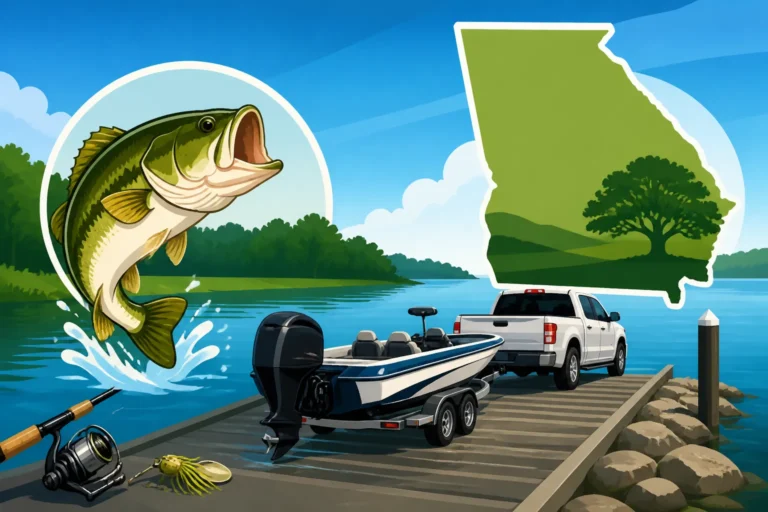
There’s nothing quite like the excitement of a day out on Lake Lanier, but that thrill can quickly turn to frustration if you don’t know where to launch your boat. Navigating crowded ramps, dealing with varying water levels, and finding adequate parking can be a real headache, especially during peak season. This guide is dedicated to breaking down the best boat ramps on Lake Lanier, offering practical advice, and helping you ensure a smooth start and end to your fishing adventures.
Navigating Lake Lanier's Boat Ramps: What Every Angler Faces
Lake Lanier is a massive, beautiful body of water, but its popularity and dynamic nature mean that hitting the right boat ramp at the right time is crucial. Many anglers, myself included, have pulled up to a ramp on a busy Saturday morning, only to be met with a line of trailers stretching down the road, or worse, discovered that the ramp is barely usable due to low water. It’s a rite of passage, almost, but it doesn't have to be your regular experience if you plan ahead.
The Challenge of Fluctuating Water Levels
One of the biggest headaches for Lake Lanier boaters is the fluctuating water levels. As a reservoir managed by Georgia Power, the lake's elevation can change significantly throughout the year, especially during dry spells or after heavy rains. A ramp that was perfectly fine last month might have a sheer drop-off at its end today, making launching larger boats, or even smaller ones, a risky proposition. Imagine carefully backing your boat down, only to see the concrete disappear into thin air a few feet from the trailer tires – it’s a terrifying moment that can easily damage your boat or trailer, not to mention your pride. Always check the current lake levels before you head out; resources like the US Army Corps of Engineers website or local news channels often provide real-time updates. This due diligence can save you a world of trouble and a wasted trip.
Peak Season Crowds and Congestion
Lake Lanier is a magnet for outdoor enthusiasts, and during holidays, summer weekends, or major fishing tournaments, the boat ramps can become absolute chaos. Picture this: you’ve woken up before dawn, brewed your coffee, and trailered your boat for an hour, only to arrive at the ramp and find a dozen other trailers already waiting in line. The courtesy dock is full, people are struggling with their boats, and parking spots are rapidly disappearing. This kind of congestion isn’t just annoying; it can be dangerous and certainly saps the joy out of your early morning excursion. Planning your launch for off-peak hours or choosing a lesser-known ramp can make a huge difference in your overall experience. Patience is a virtue, but avoiding the worst of the crowds is even better.
Deciphering Ramp Amenities and Conditions
Not all boat ramps are created equal, and knowing what to expect can prevent unwelcome surprises. Some ramps, typically those managed by state parks or the Corps of Engineers, are well-maintained with multiple lanes, ample paved parking, clean restrooms, and sturdy courtesy docks. Others might be more rustic – a single lane, gravel parking, no restrooms, and maybe a rickety wooden dock, if any. The condition of the ramp itself, from cracks in the concrete to submerged debris, can also vary wildly. Knowing if a ramp has proper lighting for early morning or late evening launches is also critical. Understanding the amenities and current conditions means you can choose a ramp that matches your needs and comfort level, ensuring you have all the support you need, whether it's for a quick solo fishing trip or a family outing.
Top-Tier Boat Ramps for Anglers on Lake Lanier
When you're trying to figure out where to put your boat in on Lake Lanier, certain ramps consistently rise to the top for anglers. These spots generally offer good access, decent amenities, and are typically well-maintained. However, even the "best" ramps have their quirks, and what works for one angler might not be ideal for another, especially when you factor in crowds and water levels.
Laurel Park Boat Ramp (Gainesville)
Laurel Park in Gainesville is practically a landmark for Lake Lanier anglers, and for good reason. It boasts multiple wide lanes, often making for a relatively quick launch even when it's busy. The paved parking area is extensive, which is a huge plus, though it still fills up on prime weekends. You'll find clean restrooms, picnic areas, and a nice courtesy dock here, which is invaluable for getting your gear organized before heading out or tying up while someone retrieves the truck. Because of its robust construction, Laurel Park tends to hold up better than some other ramps during periods of lower lake levels, making it a more reliable option year-round. It's also a popular staging point for fishing tournaments, so if you're looking to launch without a crowd, you might want to check for tournament schedules. There is a nominal launch fee, but for the convenience and amenities, many anglers find it well worth it.
Mary Alice Park Boat Ramp (Cumming)
Down on the southern end of the lake, Mary Alice Park in Cumming is another angler favorite. Similar to Laurel Park, it offers multiple lanes and a large parking area. This ramp is particularly popular with families and those looking to access the bustling southern waters of Lanier. The facilities are generally well-kept, with restrooms and a good courtesy dock. It's a fantastic spot if you're targeting areas like Big Creek or the main lake channels for stripers or bass. However, its popularity also means it can get incredibly packed, especially on sunny summer weekends. If you plan to launch here on a Saturday or Sunday, be prepared for a potential wait and arrive early. There's also a fee for launching, which helps maintain the facilities.
War Hill Park Boat Ramp (Dawsonville)
If you're looking to escape some of the heaviest crowds and access the upper, more northern reaches of Lake Lanier, War Hill Park near Dawsonville is a solid choice. This ramp is often less congested than its southern counterparts, making for a more relaxed launch experience. It typically offers a single or double lane and decent parking, though it might not be as vast or manicured as Laurel or Mary Alice. The big draw here, for many, is that it's often a free ramp, saving you a few bucks. While the amenities might be a bit more basic – think fewer picnic tables or older restrooms – it gets the job done. Anglers often choose War Hill for quicker access to creeks and coves that hold excellent bass fishing opportunities or to simply enjoy a quieter start to their day on the water. Just keep an eye on those water levels, as some of the free, less-developed ramps can be more sensitive to significant drops.
Keith's Bridge Park Boat Ramp (Gainesville/Dawsonville area)
Nestled strategically, Keith's Bridge Park offers another reliable and often free launching point that can be a good middle ground between the bustling southern ramps and the quieter northern ones. It’s well-situated for accessing various parts of the lake and is a favorite for many local anglers. The ramp itself is typically in good condition, and while parking can fill up, it’s usually manageable if you arrive at a reasonable hour. There are usually restrooms and a courtesy dock available, adding to the convenience. This ramp can be a great alternative if Laurel Park or Mary Alice are predicted to be swamped. It’s generally an easy in-and-out experience, perfect for a day of fishing when you want minimal fuss.
Van Pugh Park North (Gainesville)
Van Pugh Park North is another fantastic option, often cited for its user-friendly design and excellent facilities. Located in the Gainesville area, it provides straightforward access to a popular section of the lake. You’ll usually find multiple wide lanes, which really helps to keep things moving during busy periods, and the parking is usually ample and well-maintained. The park itself is beautiful, with good restrooms and courtesy docks to make your pre-launch setup and post-fishing packing a breeze. Like many of the prime spots, there is a fee to launch here, but the quality of the facilities and the ease of access often justify the cost. It’s a consistently good choice for anglers who prioritize a smooth and efficient launch experience before heading out to the Best Spots for Bass Fishing on Lake Lanier.
To give you a clearer picture, here's a quick comparison of these popular Lake Lanier boat ramps:
| Boat Ramp Name | Location | Fee (Approx.) | Lanes | Parking | Courtesy Dock | Restrooms | Typical Crowds | Water Level Reliability |
|---|---|---|---|---|---|---|---|---|
| Laurel Park | Gainesville | Yes (daily) | 2-3 | Large | Yes | Yes | High | Good |
| Mary Alice Park | Cumming | Yes (daily) | 2-3 | Large | Yes | Yes | Very High | Good |
| War Hill Park | Dawsonville | No | 1-2 | Medium | Yes (basic) | Basic | Moderate | Variable |
| Keith's Bridge Park | Gainesville/Daw. | No | 1-2 | Medium | Yes | Yes | Moderate | Good |
| Van Pugh Park North | Gainesville | Yes (daily) | 2-3 | Large | Yes | Yes | High | Good |
Essential Tips for a Smooth Launch and Retrieval
Even with the best boat ramps, a smooth launch and retrieval come down to preparation and courtesy. We've all seen the drama unfold at the ramp – the missing drain plug, the tangled lines, the endless fumbling. These avoidable mishaps not only waste your precious fishing time but also hold up everyone else waiting in line. A little forethought goes a long way in ensuring your day starts and ends on a positive note.
Pre-Launch Prep is Key
Before your boat even touches the water, there's a checklist running through every seasoned angler's mind. Make sure your boat's drain plug is in – this is probably the most common and embarrassing mistake! Check that all your lights are working, especially if you're launching before dawn or planning to stay out past sunset. Secure all your gear in the boat, so nothing flies out during transit or when you hit the first chop. Double-check your boat's tie-downs and safety chains before you leave home, and remove the transom saver and tie-downs before you get to the actual ramp. Having your Georgia Boat Registration Requirements Explained up to date and accessible, along with all required safety equipment like life jackets and throwable devices, is also critical. These small steps, done in the staging area before you block the ramp, make a massive difference in efficiency and frustration levels for everyone.
Mastering Ramp Etiquette
Boat ramps are a shared space, and good etiquette is about being mindful of others. The cardinal rule is to be efficient. Get everything ready in the staging area before you back down the ramp. When it's your turn, don't dilly-dally. Back your boat in smoothly, launch quickly, and get out of the way. If you need to park your truck, do so promptly and in a designated spot, not blocking other vehicles or access points. On retrieval, try to have your vehicle ready as soon as your boat is at the ramp, minimizing the time your boat spends on the water and blocking the lane. Helping another angler struggling with a stubborn trailer or offering an extra hand can also go a long way in fostering a positive atmosphere. It's about respecting everyone's time and ensuring a harmonious experience. Remember, patience and courtesy are contagious, in a good way!
Monitoring Lake Levels
As we touched on earlier, Lake Lanier’s water levels are a constant variable. What was a perfect launch point yesterday might be a dry ditch or a sheer drop today. Always make it a habit to check the current lake levels before you head out. Websites like the U.S. Army Corps of Engineers Mobile District provide real-time data, often including specifics for Lake Lanier (Buford Dam). Local news outlets or fishing forums can also be invaluable resources for up-to-the-minute ramp conditions. Knowing this information can prevent a long drive for nothing and potential damage to your boat or trailer. Imagine arriving at a busy ramp only to discover that the end of the concrete is ten feet above the water, forcing you to turn around and find an alternative. A quick check of a website can save you hours of aggravation. This kind of planning is also crucial for finding the Best Fishing Spots in Georgia that might be affected by water levels.
Consider Off-Peak Times
This might sound obvious, but it's amazing how many people disregard it. If you want to avoid the maddening crowds and have a more peaceful launch, aim for off-peak times. Weekday mornings are almost always calmer than weekends. If you must fish on a weekend, try to be at the ramp either extremely early (think pre-sunrise) or later in the afternoon/early evening as some of the day-trippers start heading home. Not only will you have less competition for ramp access, but you’ll also often find better fishing conditions. Many fish, especially bass, are more active during the cooler parts of the day, making early morning or late evening often the Best Time of Day to Fish for Bass. While everyone else is fighting for space, you could be out on the water, already making your first casts.
Beyond the Ramp: Maximizing Your Lake Lanier Experience
Launching your boat successfully is just the beginning of your Lake Lanier adventure. Once you're on the water, a whole world of fishing opportunities opens up. From chasing elusive bass to battling feisty stripers, Lanier has it all. But getting the most out of your trip often involves more than just knowing where to drop in; it's about leveraging local knowledge and staying safe.
Connecting with Local Expertise
Sometimes, the best way to navigate a massive and complex lake like Lanier, especially if you're new to the area or trying to find specific fish, is to tap into local expertise. Hiring a fishing guide, for instance, can provide invaluable insights into current fish patterns, productive areas, and yes, even which boat ramps are best given the current conditions. A good guide knows the lake like the back of their hand, including the nuances of water levels at different ramps. Platforms like FishingBooker can help you find reputable local guides who often operate out of specific, well-known ramps and can even help you plan your launch or pick you up if you prefer. They’re not just there to show you where to cast; they're a wealth of knowledge on everything from lake conditions to the Best Boat for Fishing Lake Lanier and the gear you'll need.
Exploring Diverse Fishing Opportunities
Once you've successfully launched, the vast waters of Lake Lanier offer an incredible array of fishing experiences. You can spend your day targeting trophy largemouth bass in the coves and submerged timber, or head to the open water to chase powerful striped bass. The lake is also home to crappie, catfish, and various panfish, offering something for every type of angler. If you're passionate about a specific species, it’s worth researching the best techniques and locations for them on Lanier. For instance, understanding the different fishing patterns for Where to Catch Striped Bass on Lake Lanier, Georgia versus how to find Best Spots for Bass Fishing on Lake Lanier can dramatically increase your success rate. Don't limit yourself to just one area; explore different sections of the lake, different depths, and different structures to discover Lanier's full potential.
Safety First on the Water
No matter how excited you are to hit the fishing grounds, safety should always be your top priority. Lake Lanier is a big lake, and conditions can change rapidly. Always ensure you have all the required safety equipment on board, as detailed in guidelines like What Safety Equipment Is Required on a Georgia Boat. This includes enough Coast Guard-approved life jackets for everyone on board – and remember, children under a certain age have specific Georgia Life Jacket Laws for Boaters and Kids regarding wear. Carrying a fully charged cell phone, a first-aid kit, and plenty of water is also smart. Furthermore, familiarize yourself with Georgia Boating Under the Influence Laws before you crack open that first celebratory beverage; operating a boat while impaired is not only illegal but extremely dangerous. A safe day on the water is a good day, and planning for safety ensures you’ll have many more enjoyable trips to come.
Disclaimer
The information provided in this guide is for general informational purposes only and does not constitute legal or professional advice. Lake conditions, regulations, and facility availability can change. Always check current Georgia Department of Natural Resources regulations, lake levels, and local park information before planning your trip. Fishing and boating involve inherent risks, and personal safety is the responsibility of each individual.