Best Crappie Lakes in Georgia
Oh, the elusive crappie! If you're anything like me, you've spent countless hours staring at a bobber or meticulously slow-trolling, wondering why those speckled beauties just aren't biting in your usual spots. Finding the truly productive crappie lakes in Georgia can feel like chasing a ghost sometimes, especially with so many incredible waterways. This comprehensive guide is here to cut through the guesswork, sharing insights into Georgia's absolute best crappie fishing destinations, so you can spend less time searching and more time reeling in those delicious slabs.
Why Crappie Fishing Holds a Special Place in Georgia Anglers' Hearts
There’s just something undeniably charming about crappie fishing, isn't there? It’s not always about the brute strength of a largemouth or the acrobatic leaps of a trout; crappie offer a different kind of thrill. They’re often abundant, put up a respectable fight on light tackle, and let's be honest, they're absolutely delicious on the dinner table. For many of us, chasing crappie is a gateway to fishing, a cherished childhood memory, or simply a relaxing way to spend a day on the water.
The Allure of the Speckled Dynamo: Black and White Crappie
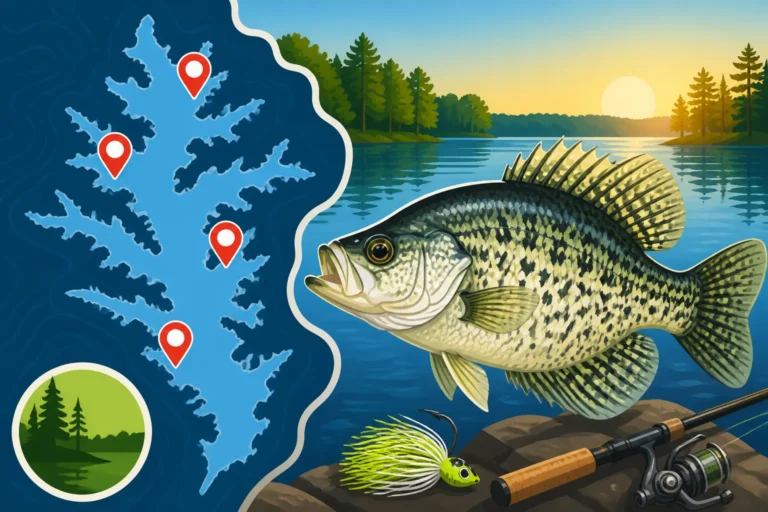
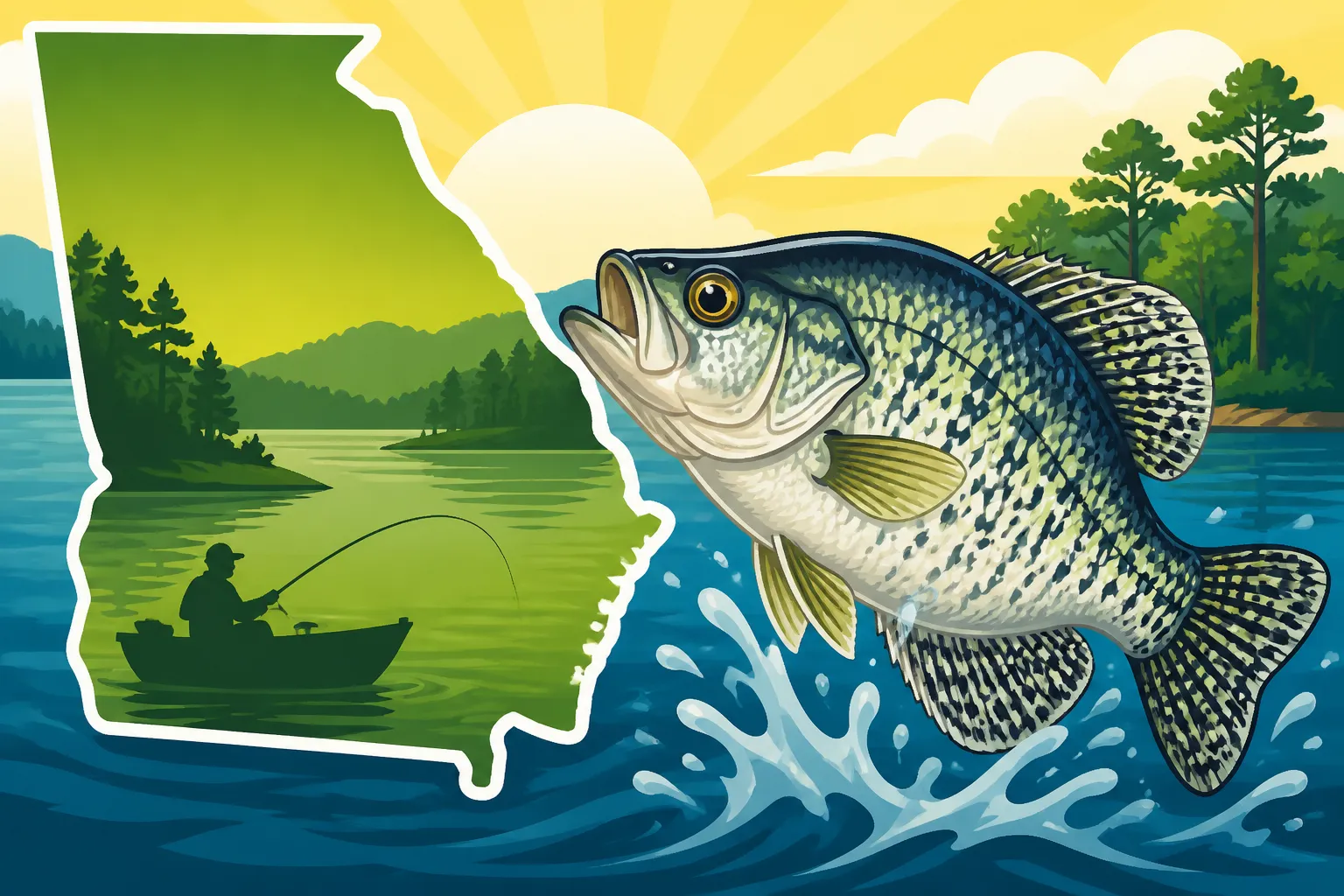
In Georgia, when we talk about crappie, we're typically referring to two distinct species: the black crappie and the white crappie. While they share many similarities, understanding their subtle differences can be a game-changer for your fishing success. Both are panfish, meaning they're generally smaller, disc-shaped fish, and they tend to school together, which is fantastic news once you find them!
Black crappie, often nicknamed "specks" due to their distinct speckling patterns, tend to prefer clearer, cooler water with more vegetation and structure. They’re often found around submerged brush piles, weed beds, and fallen trees. If you're fishing in a lake known for its pristine waters and plenty of natural cover, you're likely targeting black crappie. They have seven or eight dorsal spines, which is a key identifier. To learn more about how to distinguish them, take a look at our Black Crappie Identification: A Georgia Angler's Guide.
White crappie, on the other hand, are a bit more tolerant of murkier, warmer water and are frequently found in larger rivers and reservoirs with less vegetation. They have a distinctive pattern of vertical bars on their sides, which can be a dead giveaway. White crappie usually have six dorsal spines. Knowing which species you're targeting can help you select the right location and even the best bait or lure. If you're curious about identifying their counterparts, our White Crappie Identification Guide has all the details. Both species are highly sought after, and many of Georgia's top lakes offer opportunities to catch both, sometimes even from the same brush pile!
Understanding Crappie Behavior in Georgia Waters
Crappie are masters of their environment, constantly adapting their behavior based on the season, water temperature, and available forage. This makes them a fascinating species to pursue, but also one that demands a bit of thought and strategy. They are schooling fish, which means if you catch one, there are almost certainly more nearby. This characteristic is why crappie fishing can be so incredibly productive once you locate a school.
During the colder months, from late fall through early spring, crappie tend to congregate in deeper water, often suspending over ledges, channel bends, or around large submerged structures like timber or brush piles. They become less active, and you'll need to present your baits slowly and precisely to entice a strike. As the water warms in spring, crappie begin their annual migration towards shallower waters for the spawn. This pre-spawn and spawn period is often considered the "glory days" for crappie anglers, as fish move into easily accessible areas like shallow coves, around docks, and near emergent vegetation. They become more aggressive and are much easier to catch.
Summer sees crappie retreat from the extreme heat of the shallows, moving back to deeper main lake points, creek channels, and submerged cover where they can find cooler water and stable oxygen levels. Dawn and dusk are often the most productive times during summer, as crappie move shallower to feed. Then, as fall arrives and water temperatures begin to drop again, crappie become active, feeding heavily in preparation for winter. They'll often be found near creek mouths and points, feasting on baitfish. Understanding these seasonal patterns is crucial for consistent success. If you're interested in refining your timing, our guide on the Best Time of Year to Catch Crappie in Georgia provides an excellent overview.
North Georgia's Crown Jewels for Crappie
North Georgia isn't just about trout and picturesque mountain streams; it's also home to some phenomenal crappie fishing, particularly in its larger reservoirs. These lakes offer diverse habitats, from deep clear waters to stump-filled coves, all holding their fair share of speckled gold.
Lake Lanier: Beyond the Stripers and Bass
When you think of Lake Lanier, your mind probably jumps to striped bass or gargantuan largemouth. And while it certainly excels in those departments, Lanier is also a surprisingly fantastic crappie lake, especially during the cooler months. The sheer size and depth of Lanier can make finding crappie a bit of a challenge, but once you pinpoint them, the rewards can be substantial.
Crappie on Lanier often relate to deep brush piles, sunken timber, and bridge pilings in creek channels. During the winter, you'll find them suspended in 20-40 feet of water over these structures. Anglers often use electronics to locate these submerged Christmas trees and then vertically jig tiny jigs or small minnows. In the spring, crappie move into the backs of coves and shallow pockets, particularly around docks and downed trees in the mouths of major creeks like Big Creek, Chestatee River arm, and Six Mile Creek. Look for water depths of 5-15 feet in these areas during the pre-spawn and spawn. The challenge on Lanier is the vastness, but dedicated crappie anglers who put in the time to map out structure are consistently rewarded. If you're heading to this particular lake, you'll want to check out our Best Crappie Fishing Spots on Lake Lanier for more specific locations and techniques. Also, for those who prefer to leave the navigation to the pros, using a service like FishingBooker can connect you with local guides who specialize in crappie on Lanier.
Allatoona and Carters Lake: Hidden Gems
Moving slightly west, Lake Allatoona is another north Georgia reservoir that provides excellent crappie opportunities. It's a bit smaller than Lanier, but equally popular. Allatoona's crappie population is healthy, and they tend to relate strongly to submerged timber, rock piles, and creek channel drops. Like Lanier, winter fishing often means targeting deep suspended fish, while spring brings them into the shallows around docks and rip-rap. The Etowah River arm and the Stamp Creek area are known hotspots for crappie on Allatoona, especially during the spawn when they move into shallower, protected coves.
Carters Lake, nestled in the mountains, offers a completely different crappie fishing experience. It's Georgia's deepest lake, with incredibly clear water. This clarity means crappie here are often found at greater depths than in other lakes, and they can be spookier. During the day, particularly in summer, crappie might suspend 30-50 feet down over even deeper water, often near the old river channel or deep brush piles. Patience and good electronics are key here. However, Carters also has some fantastic opportunities around its many standing timber sections and deep points, particularly in the spring when crappie move shallower. Early morning and late evening bites can be phenomenal as fish venture out from their deep-water sanctuaries.
Central Georgia's Crappie Powerhouses
As we move into central Georgia, the crappie fishing landscape shifts slightly, often characterized by warmer waters and different types of submerged structures. These lakes are renowned for their consistent crappie populations and offer fantastic year-round action if you know where to look.
Lake Sinclair: A Winter Wonderland and Year-Round Favorite
Lake Sinclair is a legendary name among crappie anglers, and for very good reason. This lake, situated near Milledgeville, is a crappie factory, providing excellent fishing throughout the year, but particularly shining in the cooler months. One of the main reasons for Sinclair's consistent productivity is the presence of the Georgia Power Plant, which discharges warm water into the lake. This warmer water creates an extended growing season for baitfish and keeps crappie active even when other lakes are slowing down.
During winter, you'll find crappie congregating in massive schools in the warmer water areas, often near the power plant discharge or in deep creek channels and sloughs that hold warmer water. Anglers here often employ spider rigging or slow trolling techniques to cover water and locate these large schools. As spring approaches, crappie move into the vast amounts of natural and man-made structure throughout the lake. Look for them around boat docks, submerged brush, and cypress trees in the shallow coves. Early mornings and evenings are particularly productive. For a deeper dive into specific areas, our guide to the Best Crappie Spots on Lake Sinclair will be an invaluable resource. This lake is truly a special place for crappie fishing, offering both quantity and quality.
Lake Oconee: Productive Waters and Abundant Structure
Just downstream from Lake Sinclair, Lake Oconee offers another outstanding crappie fishery. Oconee is known for its extensive standing timber and countless docks, providing endless opportunities for crappie to hide and feed. The lake’s diverse habitat, from wide-open main lake areas to intricate creek systems, means there’s always a pattern to be found.
Crappie on Lake Oconee are often found relating directly to the standing timber, which can be challenging to navigate but incredibly rewarding. Spider rigging through these areas, or vertically jigging small spoons and jigs, can be highly effective. During the spring spawn, crappie push into the backs of coves, focusing on docks, bridge pilings, and any shallow cover they can find. The Richland Creek arm and the area around the Highway 44 bridge are perennial hotspots. Even in summer, crappie can be found deep in the timber, or suspended under docks in cooler, shaded water, often best fished at night. The sheer amount of accessible cover makes Oconee a fantastic lake for both boat and bank anglers targeting crappie.
South Georgia's Diverse Crappie Fisheries
Heading further south, Georgia's landscape flattens, and the lakes take on a different character, often becoming shallower, more stained, and featuring unique vegetation and structure. These southern crappie lakes are renowned for their abundance and offer a distinct fishing experience.
Clarks Hill Lake (Lake Thurmond): A Giant with Endless Opportunities
Clarks Hill Lake, also known as Lake Thurmond, is one of the largest lakes in the Southeast and a true crappie paradise. Straddling the Georgia-South Carolina border, this massive reservoir offers an incredible diversity of habitat, from open water to vast expansions of flooded timber. Its sheer size means there’s always a new spot to explore and a new pattern to decipher.
Crappie in Clarks Hill thrive in the dense flooded timber, especially in the larger creek arms like the Little River and Soap Creek. During the colder months, fish congregate in deep timber or along channel ledges, often suspending at precise depths. Anglers who master the art of navigating and fishing these submerged forests with spider rigs or careful vertical jigging will find tremendous success. In spring, crappie move to the shallow timber, brush piles, and around docks in these same creek arms. The "Timber Alley" area, as it’s often called, is legendary for its crappie productivity. Summer sees them retreat to deeper structure, but early morning and late evening bites can still be fantastic. For those specifically targeting these challenging but rewarding areas, our article on Flooded Timber Crappie Spots on Lake Thurmond provides detailed strategies. Many anglers even look to professional fishing guides found on platforms like FishingBooker to help navigate these complex waters and pinpoint the best crappie hotspots.
Lake Seminole and Lake Blackshear: Southern Staples
Lake Seminole, located on the Georgia-Florida border, is a shallow, incredibly fertile lake renowned for its hydrilla beds, cypress trees, and extensive stump fields. This lake is a haven for crappie, offering consistent action, particularly in its dense vegetation. Crappie here relate strongly to the edges of hydrilla, deeper grass lines, and around the many cypress trees.
During spring, crappie flood into the shallow hydrilla and cypress swamps to spawn, offering incredible sight-fishing and shallow water jigging opportunities. Anglers often use weedless jigs or small minnows fished under a bobber to navigate the dense cover. In the warmer months, crappie move to deeper hydrilla edges or suspend within the thicker mats, where they can find shade and cooler water. The spring and fall are particularly good times to fish Seminole for crappie, as fish are more active and accessible.
Further north, Lake Blackshear, near Cordele, is another excellent southern crappie lake characterized by its beautiful cypress trees and extensive shallow flats. Blackshear’s crappie thrive in and around the cypress stands, along with man-made brush piles and old submerged timber. The lake’s relatively consistent depth and abundant cover make it a joy to fish. Springtime on Blackshear means targeting crappie around the cypress trees and docks in shallow coves. Trolling small jigs or minnows through these areas is a very popular and effective technique. In summer and winter, crappie move to deeper cypress edges or channel breaks, but they remain catchable throughout the year. The experience of catching crappie amidst the stunning cypress scenery on Blackshear is truly something special.
Mastering Crappie Techniques for Georgia's Diverse Lakes
Having identified some of Georgia's premier crappie lakes, the next step is to understand the techniques that will put those fish in your cooler. Crappie fishing, while often accessible, can be refined into an art form, with subtle variations making all the difference.
Jigging and Tightlining: The Go-To Methods
Jigging is perhaps the most popular and versatile technique for crappie fishing in Georgia. It involves using small, weighted lures (jigs) that imitate baitfish or insects. The beauty of jigging is its adaptability – you can fish jigs vertically, cast them out and retrieve them, or even present them under a bobber.
When crappie are holding tight to structure like brush piles, docks, or submerged timber, vertical jigging is incredibly effective. This means positioning your boat directly over the fish (often found with a fish finder) and dropping a small jig straight down to their depth. A slow, subtle lift-and-drop motion is usually all it takes to entice a bite. Popular jig types include tube jigs, curly tail grubs, and hair jigs, typically in sizes ranging from 1/32 to 1/8 ounce. Colors can vary based on water clarity and conditions, but chartreuse, white, and black/chartreuse are perennial favorites. If you're new to this method, our guide on How to Jig for Crappie offers an excellent starting point.
Tightlining, often used in conjunction with a bobber, is another fantastic method, especially when crappie are in shallower water or suspended at a specific depth. With tightlining, you're essentially presenting a bait or jig with minimal slack in the line, allowing you to feel even the most subtle bites. This is incredibly effective when crappie are finicky or during the spawn when they might just "mouth" the bait. For a comprehensive look at this technique, check out our article on Tightlining Techniques for Crappie. A small, sensitive float that barely stays upright with the weight of your jig or minnow is key. When it twitches or slowly disappears, set the hook!
Live Bait and Trolling: Classic and Effective Approaches
While artificial lures are highly effective, sometimes nothing beats the real thing. Live minnows are a classic crappie bait and often outperform jigs, especially in tough conditions or when targeting larger, more cautious crappie. Minnows can be fished under a bobber, tightlined without a bobber, or even slow-trolled.
When fishing with live minnows, use a small hook (sizes #4 to #8) hooked lightly through the back or lip of the minnow. This allows the minnow to swim naturally and attract crappie. Often, anglers will combine a minnow with a small jig head for added attraction and weight. This "jig and minnow" combo is a deadly one-two punch for crappie across Georgia.
Trolling, particularly "spider rigging," is a highly efficient way to cover water and find active crappie, especially in large reservoirs like Clarks Hill or Sinclair. Spider rigging involves using multiple long rods (often 6-10 feet or more) spread out from the front of the boat, each rigged with a jig, a minnow, or both. The boat is moved very slowly (0.5 to 1.5 mph) over crappie hotspots, presenting baits at various depths. This allows you to quickly locate schools and identify the most productive depth and presentation. For those late-night crappie bites that can be absolutely phenomenal, you might even find that Do Crappie Bite Better at Night? holds some valuable insights for your next outing, as night fishing under lights is a popular and effective method, especially for anglers using live bait or jigs in open water. If you’re looking to try one of these specialized techniques but aren't sure where to start, consider booking a crappie charter through FishingBooker to learn from a seasoned pro.
Georgia's Top Crappie Lakes at a Glance
To help you plan your next crappie adventure, here's a quick overview of some of Georgia's prime crappie destinations:
| Lake Name | Region | Primary Crappie Species | Best Seasons | Key Features for Crappie |
|---|---|---|---|---|
| Lake Lanier | North Georgia | Black Crappie | Winter, Spring | Deep brush piles, bridge pilings |
| Lake Allatoona | North Georgia | Black Crappie | Spring, Fall | Submerged timber, creek channels |
| Carters Lake | North Georgia | Black Crappie | Winter, Spring | Deep timber, clear water, main channel |
| Lake Sinclair | Central Georgia | Both | Year-round | Power plant discharge, brush piles, docks |
| Lake Oconee | Central Georgia | Both | Spring, Fall | Standing timber, docks, bridge pilings |
| Clarks Hill Lake | East Central | Both | Year-round | Flooded timber, channel ledges |
| Lake Seminole | South Georgia | White Crappie | Spring, Fall | Hydrilla, cypress trees, stump fields |
| Lake Blackshear | South Georgia | White Crappie | Spring, Fall | Cypress trees, shallow flats |
Remember, these are just starting points. Each lake has its own unique character and challenges, but with the right approach and a little perseverance, you're bound to find success. Whether you're a seasoned crappie pro or just starting out, Georgia's lakes offer some of the finest crappie fishing experiences you could ask for.
Disclaimer
The information provided in this guide is for general informational purposes only. Fishing conditions, regulations, and fish populations can change rapidly. Always consult the latest Georgia Department of Natural Resources (DNR) fishing regulations before heading out. Exercise caution and practice safe boating when on the water.