Where to Fish in North Georgia
Navigating the myriad of incredible fishing opportunities in North Georgia can feel a bit overwhelming, especially when you're dreaming of crisp mountain air and a tug on your line but aren't sure where to start. Many anglers find themselves sifting through countless reports and local tips, trying to pinpoint that perfect spot for bass, trout, or panfish. This comprehensive guide is here to cut through the noise, offering an in-depth look at the best fishing locations across North Georgia, ensuring your next trip is both successful and unforgettable.
Discovering North Georgia's Diverse Fishing Landscape
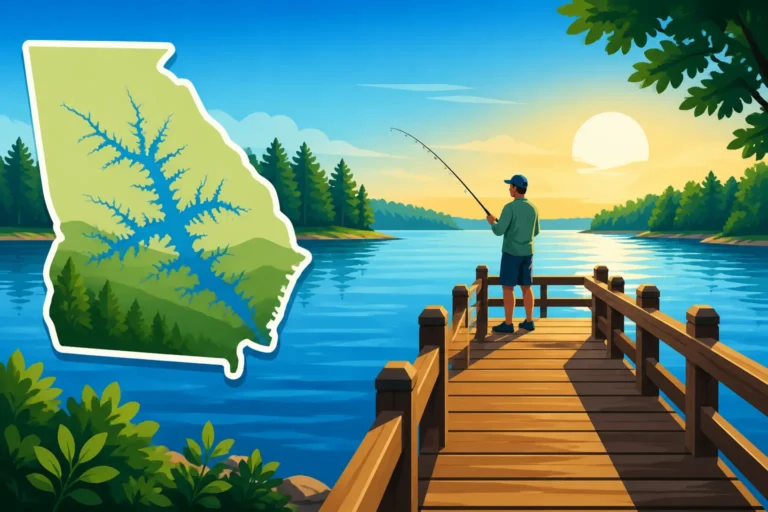
North Georgia isn't just picturesque; it's a true angler's paradise, offering a remarkable variety of fishing experiences that can cater to every preference, from serene fly-fishing on a crystal-clear mountain stream to battling trophy bass on expansive reservoirs. The region's geography, characterized by the southern Appalachian Mountains, rolling foothills, and numerous rivers and lakes, creates diverse habitats for a wide range of fish species. Understanding this varied landscape is key to unlocking its full potential, whether you're a seasoned pro or just starting out.
The Appalachian Foothills and Mountain Streams
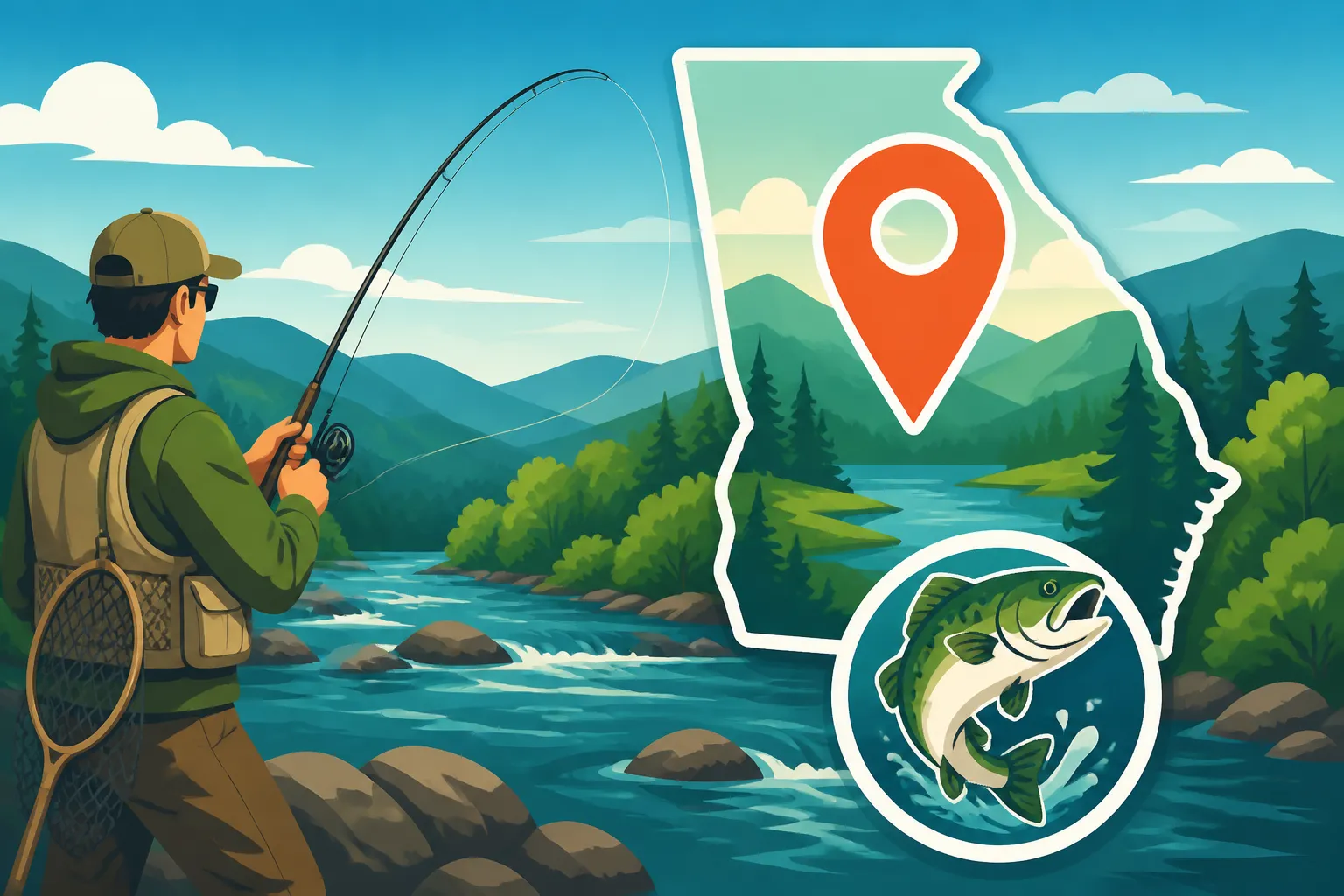
As you venture further north, the landscape transforms into the iconic Appalachian Foothills, giving way to the majestic peaks of the North Georgia mountains. Here, the fishing experience shifts dramatically. You'll find a labyrinth of smaller streams, creeks, and rivers that are renowned for their trout populations. These waters are often cooler, clearer, and faster-flowing, providing ideal conditions for rainbow, brown, and even native brook trout. The challenge here often lies in navigating the rugged terrain and presenting your bait or fly accurately in tight quarters, but the reward of a wild trout caught in an untouched setting is truly priceless.
Many of these mountain streams are fed by natural springs and snowmelt, maintaining consistent, cold temperatures crucial for trout survival. This makes them prime destinations, particularly during warmer months when other waters might become too warm. Anglers often employ fly-fishing techniques or light spinning gear with small inline spinners or natural baits to entice these elusive mountain dwellers. It’s an experience that truly connects you with nature, offering solitude and breathtaking scenery alongside the thrill of the catch.
Expansive Reservoirs and Their Warmwater Fisheries
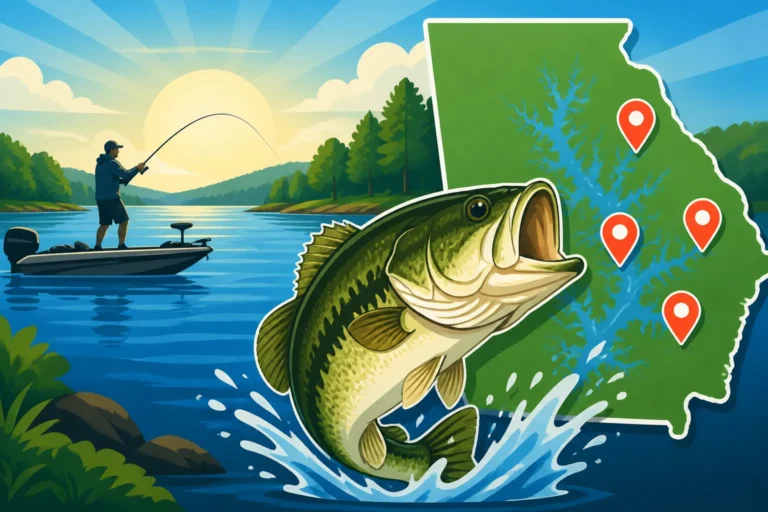
Moving away from the highest elevations, North Georgia boasts several large, man-made reservoirs that offer a stark contrast to the mountain streams. Lakes like Lanier, Allatoona, and Blue Ridge are massive bodies of water, characterized by deep channels, extensive coves, and varying depths that support robust populations of warmwater species. These lakes are famous for their largemouth and spotted bass, as well as striped bass, crappie, and catfish. The sheer size of these lakes means there's always a new corner to explore, and the fishing pressure can often be spread out.
These reservoirs provide year-round fishing opportunities, with different species becoming more active depending on the season and water temperature. They are particularly popular for boat anglers, offering ample space for trolling, casting, and even night fishing. The challenge here is often understanding the vast underwater structure – submerged timber, ledges, and creek channels – where fish tend to hold. But with the right electronics and a keen eye for fish behavior, these lakes can produce some truly incredible catches.
Premier Lakes for North Georgia Anglers
North Georgia's large reservoirs are truly the crown jewels for many anglers, offering vast expanses of water teeming with diverse fish species. These lakes are not just bodies of water; they are ecosystems, each with its own character, challenges, and rewards. From the trophy potential of bass to the reliable action of crappie and stripers, these destinations demand exploration and often a strategic approach.
Lake Lanier: Bass and Striper Haven
Lake Lanier, often called the "King of North Georgia Lakes," is a massive reservoir covering over 38,000 acres, boasting more than 690 miles of shoreline. It's a favorite for many, particularly those chasing spotted bass and landlocked striped bass. The lake's deep, clear waters, coupled with its intricate underwater structure of submerged timber, rock piles, and creek channels, make it a complex but incredibly rewarding fishery. It's the kind of lake where you can spend a lifetime learning its nuances.
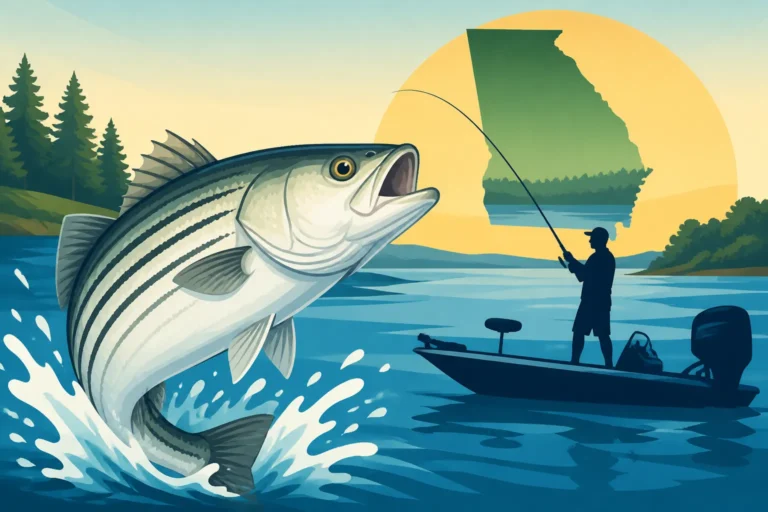
For bass anglers, Lanier is renowned for its spotted bass, which are often caught in impressive numbers. They typically school up and relate to offshore structure, making techniques like drop-shotting, jigging spoons, or casting swimbaits highly effective. You can find excellent information on Best Spots for Bass Fishing on Lake Lanier to help narrow down your search. Striped bass are another major draw, with many anglers targeting them early in the morning or late in the evening when they chase schooling baitfish on the surface. During the day, they often suspend in deeper water, requiring live bait on downlines or trolling with umbrella rigs. Local guides, many of whom can be found through platforms like FishingBooker, specialize in these techniques and can provide invaluable insights. The sheer size of Lanier, along with its extensive network of creeks and coves, means there are always new areas to discover, offering both challenge and opportunity for a memorable catch.
Lake Allatoona: Consistent Action Near Atlanta
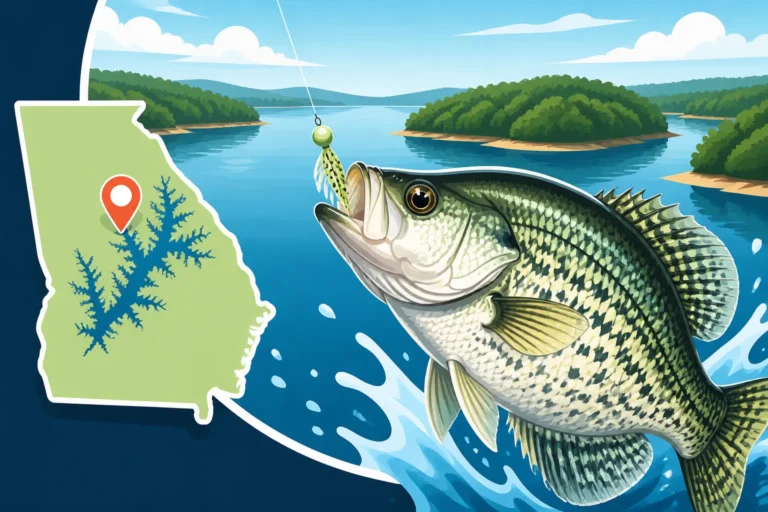
Located northwest of Atlanta, Lake Allatoona is another popular North Georgia reservoir, though it's typically shallower and stained compared to Lanier, covering about 12,000 acres. This difference in water clarity and depth often translates to different fishing strategies, making it a great alternative for anglers who prefer a slightly different challenge. Allatoona is highly regarded for its robust populations of largemouth bass, crappie, and hybrid striped bass, offering consistent action throughout the year.
Largemouth bass here often relate to shallow cover in the spring and fall, such as laydowns, docks, and riprap. During warmer months, they move to deeper points and humps. Techniques like flipping jigs, casting crankbaits, or fishing Texas-rigged worms can be highly productive. Crappie fishing is also excellent, particularly in the spring when they move into shallow coves to spawn. Jigging around brush piles or fishing with live minnows under a bobber are popular and effective methods. The hybrid striped bass, a cross between a striped bass and a white bass, provide thrilling fights and are often found schooling in open water, chasing shad. They're a blast to catch on artificial lures like Sassy Shads or by trolling.
Lake Blue Ridge: Scenic Trout and Smallmouth Bass
Nestled in the Chattahoochee National Forest, Lake Blue Ridge stands out as one of Georgia's most scenic reservoirs, and it offers a unique coldwater fishery that sets it apart from other large lakes in the state. At approximately 3,300 acres, it’s smaller and deeper than Lanier or Allatoona, with remarkably clear, cold water, which is a testament to its mountain spring-fed nature. This clarity and temperature make it an ideal habitat for species less common in other Georgia lakes.
Lake Blue Ridge is particularly known for its smallmouth bass, which thrive in its rocky, clear waters. Anglers targeting smallmouth often have success with deep-diving crankbaits, jigs, or drop shots presented around rocky points, ledges, and submerged timber. Unlike their largemouth cousins, smallmouth prefer cooler water and rocky structure, making them a unique challenge. Beyond bass, the lake also supports a population of trout, including rainbow and brown trout, especially in the deeper, colder sections. Trolling with spoons or artificial minnows can be effective for these coldwater species. For those who appreciate breathtaking mountain vistas while they fish, Lake Blue Ridge offers an unparalleled experience, combining excellent fishing with stunning natural beauty.
Top Rivers and Streams for North Georgia Trout Fishing
North Georgia's cold, clear rivers and streams are a magnet for trout enthusiasts. The region is truly a mecca for fly-fishing and spin fishing alike, offering diverse opportunities from wild, native brook trout streams to heavily stocked tailwaters. The challenges vary, from careful wading in swift currents to delicate presentations in small, brush-lined creeks, but the rewards are always a beautiful fish in an equally beautiful setting.
Toccoa River: A Fly Fisherman's Dream
The Toccoa River, particularly its section above Lake Blue Ridge and its tailwater below the dam, is a legendary trout fishery in North Georgia. The upper section of the Toccoa, often accessed through various public lands and national forest areas, offers a mix of wild and stocked trout. Its character changes from a freestone mountain stream with riffles and runs to wider, slower pools, providing diverse angling opportunities. Many consider the Toccoa a true "fly fisherman's dream," especially the upper stretches where wild fish thrive.
Below the Lake Blue Ridge Dam, the Toccoa tailwater becomes a prime destination for larger trout, with a consistent flow and colder water released from the bottom of the lake. This section is heavily stocked with rainbow and brown trout, and holds some truly impressive fish. Anglers here often use weighted nymphs, streamers, or even small egg patterns, particularly during the cooler months. You can learn more about Toccoa River Trout Fishing in Georgia to plan your trip. The river offers ample public access, including designated Delayed Harvest sections where catch-and-release rules apply for much of the year, providing an exceptional opportunity to hone your skills on active trout.
Chattahoochee River Headwaters: Wild Trout Territory
For those seeking a more wild and remote trout experience, the headwaters of the Chattahoochee River and its numerous tributary creeks are truly special. These high-elevation streams, snaking through the Chattahoochee National Forest, are often narrow, steep, and densely canopied, offering a quintessential Appalachian brook trout experience. This is where you find Georgia's only native trout species, the vibrant brook trout, alongside wild rainbow and brown trout in many sections.
Fishing these smaller creeks often requires stealth, patience, and precise casting with ultra-light spinning gear or small fly rods. Tenkara fishing has become popular here due to its simplicity and effectiveness in tight quarters. Dry flies, small nymphs, and tiny spinners are often the most productive. It's not about catching large numbers of trophy fish, but rather the unique challenge and the immense satisfaction of landing a beautifully colored native brook trout in its pristine natural habitat. Check out Chattahoochee River Headwaters Trout Fishing for specific locations and tips to navigate this wild territory. These areas demand respect for nature and adherence to proper catch-and-release practices to preserve these delicate ecosystems.
Etowah River: Multi-Species River Fishing
While often overshadowed by the more famous trout streams, the Etowah River in North Georgia provides a fantastic multi-species fishing experience, particularly for those looking beyond just trout. The upper stretches of the Etowah, especially in counties like Dawson and Lumpkin, offer some excellent fishing for spotted bass, redeye bass, and even some striped bass in certain areas, in addition to supporting a healthy population of panfish. As it flows downstream, the river widens and deepens, providing different opportunities.
The Etowah is a diverse fishery, flowing through varying landscapes from forested areas to more developed regions. Anglers using light spinning gear can have great success with small crankbaits, spinnerbaits, and soft plastics for bass. Fly anglers can target redeye bass with poppers and small streamers, which are incredibly fun on a fly rod. Access points are available through public parks and bridge crossings, though some sections might require a kayak or canoe to reach the best spots. It’s a great river for exploring different techniques and species, offering something for almost every kind of river angler.
Hidden Gems and Secluded Fishing Spots
While the big lakes and popular rivers attract a lot of attention, North Georgia is brimming with smaller, often overlooked fishing spots that offer solitude, unique challenges, and sometimes, surprisingly good fishing. These hidden gems are perfect for anglers looking to escape the crowds and discover a more intimate connection with nature. They might require a bit more effort to reach, but the peace and quiet, coupled with the potential for a memorable catch, are well worth it.
Public Fishing Areas (PFAs): Stocked Ponds and Lakes
The Georgia Department of Natural Resources (DNR) maintains several Public Fishing Areas (PFAs) throughout North Georgia, which are specifically managed for quality recreational fishing. These often include a series of small to medium-sized lakes and ponds, typically well-stocked with various warmwater species like largemouth bass, channel catfish, crappie, and bream. These PFAs are designed to be accessible and provide consistent fishing opportunities, making them fantastic hidden gems, especially for those who prefer bank fishing or smaller boats.
One such example is the Big Lazer Creek PFA near Jackson (though technically central Georgia, it exemplifies the concept for North Georgia's similar, less-known sites like Rocky Mountain PFA). These areas are meticulously managed, often featuring fishing piers, boat ramps (for electric motors only on smaller lakes), and picnic areas. The fish populations are regularly monitored and supplemented through stocking programs. This means less guesswork for you and a higher chance of success, particularly for family outings or when you're just looking for a relaxing day on the water without the pressures of a larger reservoir. Always check the specific PFA's regulations, as they can sometimes differ from statewide limits.
Wilderness Trout Streams: Backcountry Adventures
For the truly adventurous angler, North Georgia's wilderness areas harbor countless small, often unnamed, trout streams that offer a profound backcountry fishing experience. These streams typically flow through federally protected forests, far from paved roads and often requiring a significant hike to access. Here, you'll primarily find native brook trout, but wild rainbow and brown trout can also be present, especially in slightly larger tributaries. This is where the challenge and the reward are intricately linked.
Fishing these remote streams demands self-sufficiency, good navigational skills, and a willingness to bushwhack. Gear should be light and minimalist, often focusing on a short fly rod or a Tenkara rod. The fish, though not large, are incredibly beautiful and aggressive, eager to strike a well-presented dry fly or small nymph. The true allure here isn't just the fishing, but the entire experience: the solitude, the pristine environment, the sounds of the forest, and the feeling of truly earning your catch. It’s an opportunity to completely unplug and immerse yourself in the wild heart of North Georgia. Just remember to practice strict catch-and-release with these delicate populations.
Family-Friendly Fishing Destinations in North Georgia
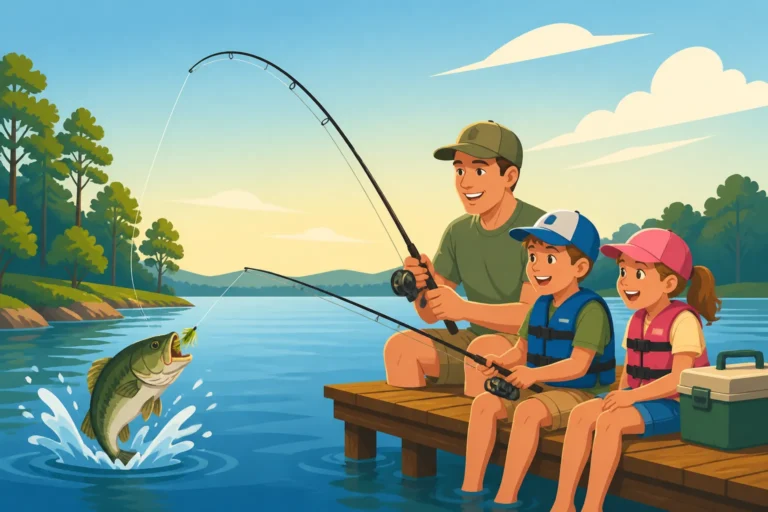
Introducing children to the joys of fishing is one of the most rewarding experiences an angler can have, and North Georgia offers an abundance of spots perfectly suited for family outings. The key to a successful family fishing trip often lies in accessibility, safety, and a good chance of catching fish – even if they're small. These locations combine easy access with healthy fish populations, ensuring smiles all around.
State Parks with Fishing Ponds and Lakes
Georgia State Parks are fantastic resources for family-friendly fishing, many of which are located in North Georgia. Parks like Amicalola Falls State Park, Vogel State Park, and Black Rock Mountain State Park (among others) often feature small lakes or ponds that are regularly stocked with catfish, bream, and sometimes even trout, depending on the park and season. These locations are designed with families in mind, offering amenities like paved trails, picnic areas, restrooms, and sometimes even playgrounds.
The smaller size of these ponds means fish are easier to locate, and casting from the bank or a pier is usually straightforward. Simple setups with a bobber, a worm, and a small hook are often all you need for kids to start reeling in bream or catfish. These environments provide a safe and controlled setting for children to learn the basics of fishing without the challenges of large currents or dense crowds. It's a fantastic way to combine fishing with a broader outdoor adventure, perhaps a short hike or a picnic lunch, creating lasting family memories.
Public Access Points on Larger Lakes
Even large reservoirs like Lake Lanier and Lake Allatoona offer numerous public access points that are perfect for families, especially if you're looking to catch a wider variety of fish or simply enjoy the lake atmosphere. Many county parks, Corps of Engineers parks, and recreation areas around these lakes feature designated fishing piers, bank access, and shallow coves that are great for kids. These spots provide the opportunity to target larger species like bass or crappie, alongside the ever-present panfish, directly from shore.
For instance, parks around Lake Lanier such as Van Pugh Park or Laurel Ridge have excellent bank access and fishing platforms. Similarly, Lake Allatoona has numerous areas like Red Top Mountain State Park with easy shore access. While you might not be venturing into the deep, open water, these areas can still be highly productive, especially during the spring and fall when fish are closer to the banks. It's a chance for kids to experience the thrill of a bigger catch, or simply to enjoy casting their lines into a vast, beautiful lake, often with plenty of space to spread out and enjoy the day.
Seasonal Fishing Strategies for North Georgia
Understanding the seasonal patterns of fish behavior is paramount for success in North Georgia. The region experiences four distinct seasons, each bringing unique conditions that influence where fish live, what they eat, and how actively they feed. Adapting your techniques and choosing the right spots based on the time of year can significantly increase your catch rates and overall enjoyment.
Spring: Spawning Season Frenzy
Spring in North Georgia is an exciting time for anglers, as rising water temperatures trigger the spawning instincts of many warmwater species. This is arguably the best time to target largemouth and spotted bass, as they move into shallower water to build nests and lay eggs. Look for them in protected coves, shallow flats, and around submerged timber in lakes like Lanier and Allatoona. Crankbaits, spinnerbaits, and soft plastics like worms or creature baits are highly effective during the pre-spawn and spawn periods. You can find more detail on Spring Bass Fishing Patterns on Georgia's Reservoirs.
For crappie, spring also means they'll be moving into shallow water, often congregating around brush piles, docks, and fallen trees in preparation for their spawn. Small jigs tipped with minnows or soft plastics are deadly effective. Trout streams, especially those that are stocked, also come alive in the spring, offering excellent action as fish become more active with increasing insect hatches. Fly anglers will find success with nymph patterns, emergers, and early season dry flies.
Summer: Deep Water and Early Morning Action
As North Georgia heats up in the summer, fishing strategies shift dramatically. Many species, especially bass and stripers in the larger reservoirs, move to deeper, cooler waters to escape the scorching surface temperatures and higher boat traffic. This is when understanding depth finders and offshore structure becomes crucial. Look for fish on deep points, humps, creek channels, and thermoclines. Techniques like deep cranking, drop-shotting, jigging spoons, or fishing live bait on downlines are often the most productive for suspended fish.
For those who prefer shallower action, early mornings and late evenings offer brief windows when fish might move closer to the surface to feed before retreating to deeper cover. Night fishing for catfish also becomes incredibly popular and productive in the summer months, particularly on lakes like Sinclair (though slightly south, the principle holds for North Georgia's larger lakes). Trout fishing in the summer focuses primarily on the coldest headwater streams or tailwaters like the Toccoa below the dam, where water temperatures remain tolerable for trout.
Fall: Transition and Feeding Frenzy
Autumn in North Georgia is a glorious time to be on the water, both for the stunning fall foliage and the excellent fishing. As water temperatures begin to cool, many fish species enter a "feeding frenzy" phase, actively fattening up for the winter ahead. Bass and stripers in the reservoirs become more aggressive and can often be found chasing schools of baitfish in open water or along main lake points. Topwater lures, crankbaits, and swimbaits can be incredibly effective during this period.
Trout fishing also sees a resurgence in the fall, particularly with the annual Fall Trout Stocking Season in Georgia. Stocked streams are replenished, and cooler water temperatures make wild trout more active. Streamer patterns, nymphs, and terrestrial dry flies can all produce good results. The fall transition provides some of the most consistent and exciting fishing of the year across all types of waters, making it a favorite season for many North Georgia anglers.
Winter: Slow and Deep, or Tailwater Trout
Winter fishing in North Georgia can be challenging, but for the dedicated angler, it offers unique rewards. Water temperatures are at their lowest, and fish metabolism slows down, meaning they feed less frequently and often hold in deep, stable areas. On large reservoirs, bass and crappie will often congregate in deep channels, around submerged timber, or near power plants (where available, as the warmer water discharge can attract fish). Slow presentations, such as jigging spoons, blade baits, or slow-rolling deep crankbaits, are key.
However, winter is prime time for trout fishing, especially on the larger tailwater rivers like the Toccoa. The consistent cold water released from the bottom of dams provides a stable environment for trout, and they remain active throughout the winter. Nymphing with small, subtle patterns is often the most productive method, as trout feed primarily on subsurface insects. Many of Georgia's Delayed Harvest Trout Streams in Georgia also switch to catch-and-release only regulations during the colder months, offering fantastic opportunities to target larger, protected fish. While the crowds thin out, the scenery is often serene, and the fish, when found, can be substantial.
Essential Gear and Regulations for Your Trip
Venturing out to fish in North Georgia, whether it's a placid lake or a rushing mountain stream, requires a bit of preparation. Having the right gear not only enhances your experience but also increases your chances of success. Equally important is understanding and adhering to local regulations, which are in place to protect the fisheries for everyone.
The Right Rod, Reel, and Line
Choosing the appropriate rod, reel, and line setup is fundamental to effective fishing. For the expansive reservoirs targeting bass or stripers, a medium-heavy to heavy power spinning or baitcasting rod, typically 6'6" to 7'6" in length, paired with a matching reel spooled with 12-20 lb monofilament or fluorocarbon, or 30-50 lb braided line, will handle most situations. These setups offer the power to cast larger lures and control bigger fish. For crappie or panfish in lakes and ponds, a lighter action rod (light to medium-light) around 5-7 feet with a smaller spinning reel and 4-8 lb test line is ideal for sensitivity and smaller baits.
When it comes to trout fishing in the mountain streams, especially fly fishing, lighter is often better. A 3-5 weight fly rod, 7.5 to 9 feet long, paired with a matching reel and floating fly line, is standard. For spin fishing, an ultralight rod (4'6" to 6'0") with a small spinning reel and 2-6 lb monofilament or fluorocarbon is perfect for casting small spinners and baits in tight spaces. You can delve deeper into selecting the right equipment with guides like Best Rods and Reels for Georgia Fishing to ensure you're perfectly outfitted. Always consider the species you're targeting and the environment you'll be fishing in before making your gear choices.
Licensing and Statewide Regulations
Before you even think about wetting a line in North Georgia, securing the proper fishing license is non-negotiable. Anyone 16 years of age or older needs a valid Georgia fishing license. If you're planning on fishing for trout in the designated mountain trout waters, you'll also need a Georgia Mountain Trout License in addition to your basic fishing license. These can be purchased online through the Georgia Department of Natural Resources (DNR) website, by phone, or from authorized license agents like bait shops and sporting goods stores. Information on how to get your license can be found in our comprehensive Georgia Fishing License Guide.
Beyond licensing, it’s crucial to familiarize yourself with the statewide and, more importantly, local regulations regarding fish size and creel (bag) limits. These limits can vary significantly depending on the specific lake, river, or even section of a river you're fishing. For instance, some reservoirs might have a 14-inch minimum length limit for largemouth bass, while others might adhere to the statewide 12-inch minimum. Trout streams often have very specific regulations, especially Delayed Harvest sections or those managed for wild trout. Always check the current Georgia Sport Fishing Regulations Guide, available online or at license vendors, before each trip. Being informed prevents legal issues and contributes to the sustainable management of Georgia's incredible fisheries.
Planning Your North Georgia Fishing Trip
Embarking on a fishing adventure in North Georgia is more than just grabbing your rod and bait; it's about making the most of your time in this beautiful region. Thoughtful planning can transform a good trip into a truly exceptional one, ensuring you hit the right spots at the right time and have all the necessary support.
Utilizing Online Resources and Local Shops
In today's interconnected world, a wealth of information is just a click away, and leveraging online resources is a smart first step in planning your trip. The Georgia Department of Natural Resources (DNR) website is an invaluable source for regulations, fish stocking schedules, public fishing areas, and detailed maps. Beyond official sources, numerous online forums, social media groups, and fishing blogs dedicated to North Georgia fishing offer real-time reports, tips, and community insights. Websites like FishingBooker are excellent for researching and booking guided trips, connecting you with local experts who can dramatically increase your chances of success, especially if you're new to an area or targeting a specific species.
However, don't underestimate the power of local knowledge. Visiting a local bait and tackle shop once you arrive in North Georgia can be incredibly beneficial. These shops are often community hubs where anglers gather, sharing up-to-the-minute information on hot spots, productive baits, and changing conditions. The folks behind the counter usually have their fingers on the pulse of the local fishery and can offer advice that no online guide can replicate. Plus, supporting local businesses is always a good thing!
Considering Guided Trips and Charters
For many anglers, especially those visiting North Georgia for the first time or wanting to specifically target trophy fish, a guided fishing trip or charter is an investment that pays dividends. North Georgia is home to a robust network of experienced fishing guides who specialize in various species and waters, from bass and striper guides on Lake Lanier to fly fishing experts on the Toccoa River. These professionals possess an intimate knowledge of the local waters, including seasonal patterns, prime locations, and the most effective techniques.
A guided trip typically includes all necessary gear, bait, and a boat, taking the guesswork and heavy lifting out of your hands. Guides can teach you new techniques, help you understand fish behavior, and put you on fish when you might otherwise struggle. This is particularly valuable for species like striped bass on Lake Lanier, which can be challenging for beginners. Whether it's a half-day excursion or a multi-day adventure, booking through reputable services, like those found on FishingBooker, ensures you're matched with a qualified and passionate guide who can tailor the experience to your skill level and fishing goals, guaranteeing a productive and educational day on the water.
Table: North Georgia's Premier Fishing Destinations at a Glance
To help you quickly compare some of the fantastic fishing opportunities across North Georgia, here's a handy table summarizing key features of our top picks:
| Destination | Primary Species | Best Time to Fish | Access Type | Key Feature |
|---|---|---|---|---|
| Lake Lanier | Spotted Bass, Striped Bass, Crappie | Spring, Fall, Summer | Boat Ramps, Shore Access | Massive lake, trophy potential, deep clear water |
| Lake Allatoona | Largemouth Bass, Hybrid Stripers, Crappie | Spring, Fall | Boat Ramps, Shore Access | Consistent action, closer to Atlanta, stained water |
| Lake Blue Ridge | Smallmouth Bass, Trout | Spring, Fall | Boat Ramps, Shore Access | Scenic mountain views, cold clear water |
| Toccoa River | Rainbow Trout, Brown Trout | All Year (seasonal focus) | Wading, Bank, Kayak | Renowned trout fishery, Delayed Harvest sections |
| Chattahoochee Headwaters | Brook Trout, Rainbow Trout | Spring, Fall, Summer | Wading, Hike-in | Wild trout experience, remote, pristine |
| Etowah River | Spotted Bass, Redeye Bass, Panfish | Spring, Summer, Fall | Wading, Kayak, Some Bank | Multi-species river, diverse habitats |
| State Park Ponds | Bream, Catfish, Stocked Trout | Spring, Summer | Piers, Bank Access | Family-friendly, easy access, stocked |
Disclaimer
The information provided in this guide is for general informational purposes only and does not constitute legal advice. Fishing regulations, license requirements, and access points can change. Always consult the most current Georgia Department of Natural Resources (DNR) regulations and local ordinances before engaging in any fishing activities. Adherence to all applicable laws and safety guidelines is the sole responsibility of the angler.