Why do trout size limits vary by stream in Georgia?
It can be incredibly frustrating to hit the water, excited for a day of trout fishing in Georgia, only to find out that the rules you learned for one stream don't quite apply to the next one over. You might wonder why some creeks have an 8-inch minimum and others demand a 16-inch monster before you can even think about keeping it. This isn't just arbitrary red tape; it's a careful dance between nature and management, designed to keep Georgia's trout fisheries healthy and thriving for everyone.
Understanding Georgia's Trout Management Philosophy
The truth is, trout streams in Georgia aren't all created equal, and neither are the goals for each one. The Georgia Department of Natural Resources (GDNR), specifically its Wildlife Resources Division (WRD), manages these waters with a multi-faceted approach. They're trying to achieve several things at once: protecting native species, providing diverse angling opportunities, and sustaining healthy fish populations. It’s a delicate balance, and varying regulations are a key tool in their tackle box.
Balancing Conservation with Angler Experience
Imagine trying to manage a bustling city park and a pristine wilderness area with the exact same rules – it just wouldn't work, right? The same principle applies to trout streams. Some streams are easily accessible, see heavy fishing pressure, and are primarily stocked to provide a "put-and-take" opportunity, meaning anglers can catch and keep a limit of fish for dinner. For these streams, the focus is on providing a consistent, enjoyable experience for a wide range of anglers, including families and beginners.
On the other hand, Georgia also has streams that are more remote, hold wild, self-sustaining trout populations, or are managed specifically to grow larger, trophy-sized fish. These streams require a different kind of protection. Stricter size and creel limits, or even catch-and-release rules, are put in place to ensure these unique fisheries aren't overfished and that the trout have a chance to grow larger or reproduce naturally. The goal here is often to offer a higher-quality, more challenging experience for anglers seeking wild trout or a shot at a really big fish. The WRD works hard to create this diversity, ensuring there’s something for every type of trout angler in Georgia.
The Role of Trout Species and Habitat
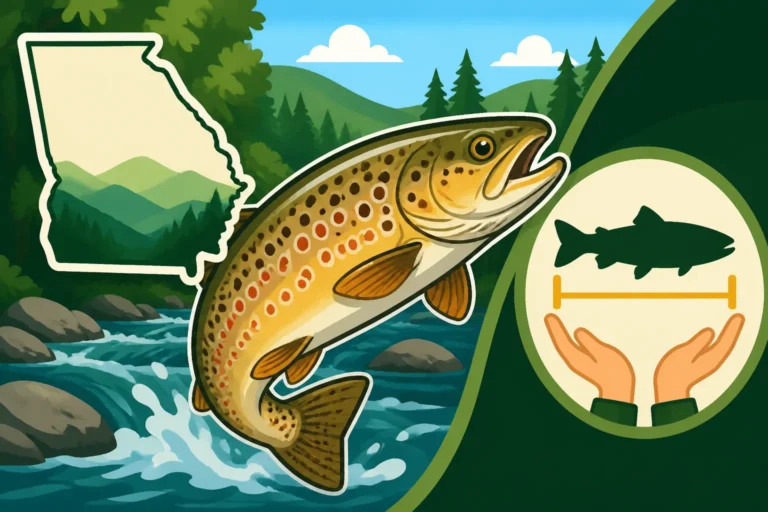
Georgia is home to three main species of trout: the native brook trout, and the introduced rainbow and brown trout. Each of these species has slightly different habitat preferences and growth rates. Native brook trout, for example, often thrive in the highest, coldest, most pristine headwater streams, and they generally don't grow as large as rainbows or browns. Protecting these delicate native populations often means very restrictive regulations, if fishing is allowed at all.
Rainbow and brown trout, while not native, have adapted well to many Georgia streams. However, even among these species, the quality of the habitat plays a huge role in how large they can get. A stream with consistently cold water, plenty of oxygen, abundant aquatic insect life, and complex cover (like downed trees and undercut banks) will naturally support larger, healthier fish. Conversely, a stream with marginal habitat might only sustain smaller trout, or require heavy stocking to maintain a fishery. The WRD assesses these habitat conditions for each stream or stream section, which directly informs the specific size limits and other regulations they implement. Understanding the health and potential of a stream's ecosystem is fundamental to setting effective and varying regulations.
Specific Stream Categories and Their Regulations
To make sense of the differing rules, it helps to understand that the WRD categorizes trout streams based on their management objectives and ecological characteristics. While it can feel like a puzzle sometimes, each category has a purpose, and knowing which type of stream you're on is key to fishing legally and responsibly.
General Regulation Trout Waters
These are perhaps the most common type of trout stream in Georgia and are often the most accessible. They are typically managed as "put-and-take" fisheries, meaning they are frequently stocked by the WRD to provide ample opportunities for anglers to catch and keep fish. For these waters, the regulations are usually the most lenient, reflecting the goal of providing a general angling experience for a broad audience.
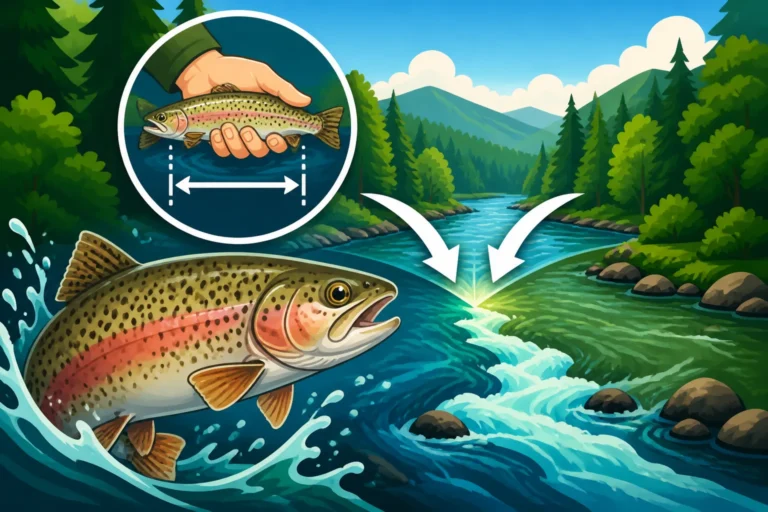
Generally, these streams have an 8-inch minimum size limit, meaning any trout you catch must be at least 8 inches long to be legally kept. The daily creel limit is usually 8 trout. This combination allows for a good harvest while ensuring that trout have a chance to grow to a reasonable size after being stocked. You'll find these types of regulations on many popular streams and rivers across North Georgia, often those easily reached by road or within public fishing areas. If you're looking for a straightforward fishing trip where you can bring home a few fish, these are often your best bet. Always double-check the latest regulations, but for most general waters, this is the standard. For a deeper dive into the daily limits, you can check out the guide on Georgia's Daily Creel Limit on General Trout Waters.
Delayed Harvest Streams
Now, these are where things get a bit more interesting and require a different approach. Georgia's Delayed Harvest (DH) streams offer a unique angling experience during certain times of the year, particularly from November 1st through May 14th. During this specific "delayed harvest" season, the rules are strict: it's strictly catch-and-release, and only artificial lures with a single hook are permitted. There are no size limits during this period because the intent is to release every fish you catch.
The purpose of Delayed Harvest management is to create a high-quality, long-lasting fishing opportunity during the colder months when trout activity is often high, but natural reproduction isn't the primary focus. The WRD heavily stocks these streams with trout prior to and during the DH season, knowing that anglers will be releasing them. This concentration of fish, combined with the artificial lures and single hook rule, makes for an exciting and challenging experience. Once May 15th rolls around, these streams revert to general regulations (8-inch minimum, 8-fish creel limit) until the next Delayed Harvest season begins. This rotating system allows for both a catch-and-release experience and a harvest opportunity throughout the year. You can learn more about the specific rules in What is delayed harvest trout fishing in Georgia? and pinpoint the season dates by checking Delayed Harvest Season Dates for Georgia Trout Streams.
Special Regulation Streams (Trophy and Wild Trout Management)
This is where the variety really shines, and where the most specific and often strictest rules come into play. Special regulation streams are managed for very particular outcomes, typically to produce trophy-sized trout or to protect and enhance fragile wild trout populations, especially native brook trout. Because of these unique objectives, the size limits here can be significantly higher, and creel limits much lower, sometimes even zero.
Take Waters Creek in the Chestatee Wildlife Management Area, for instance. It's a renowned trophy trout stream, and its regulations reflect that goal. For rainbow and brown trout, there's a 16-inch minimum size limit and a 1-fish creel limit per day. For brook trout, the minimum is an astounding 18 inches, with a 1-fish creel limit. The idea here is to allow fish to grow to truly exceptional sizes, offering anglers a chance at a fish of a lifetime, while ensuring the population can sustain itself. You can find more details in Waters Creek Trout Size Rules, Georgia. Similarly, Noontootla Creek in the Blue Ridge WMA has a 22-inch minimum length for all trout, and only one fish can be kept per day. This is an incredibly challenging stream, designed for those seeking the ultimate trophy and willing to put in the effort. These restrictive rules are in place precisely because these streams can support such large fish, given their excellent habitat and specific management. To understand how broad these differences can be, read How trout size limits differ from creek to creek in Georgia.
Another type of special regulation might apply to small, fragile headwater streams that contain Georgia's only native trout, the brook trout. For these streams, regulations might include very low creel limits (like 3 fish), higher minimum sizes, or even catch-and-release only, all year-round. The primary goal is to preserve these precious wild populations, allowing them to reproduce and maintain genetic integrity without excessive angling pressure. In essence, these special regulations are custom-tailored to the unique ecological profile and management aspirations of each individual stream or section of a stream.
Factors Influencing Individual Stream Regulations
It's clear that the WRD doesn't just pull these numbers out of a hat. There's a scientific and practical basis for every decision. Understanding these underlying factors can help you appreciate why one stream might have a 12-inch limit while another has an 8-inch limit.
Biological and Ecological Considerations
The health of the stream ecosystem is paramount. Water quality and temperature are critical; trout need cold, clean, oxygen-rich water to thrive. Streams that consistently maintain these conditions year-round are more likely to support larger, healthier fish that can grow to impressive sizes. A stream prone to warmer summer temperatures or pollution might only sustain smaller trout, or require frequent stocking.
Food availability also plays a huge role. Streams with a rich diversity of aquatic insects (like mayflies, caddisflies, and stoneflies), sculpins, or even small baitfish will provide more nutrition, allowing trout to grow faster and bigger. A barren stream simply won't have the resources to support a trophy fishery. Furthermore, the genetic strain of trout can influence growth potential. Some strains are bred for faster growth, while others prioritize wild resilience. The interaction of all these factors determines a stream's carrying capacity for different sizes of trout.
Finally, predation and competition can impact trout populations. A stream with a healthy population of larger predatory fish, or excessive competition for food among trout, might require different management strategies. The WRD constantly monitors these biological aspects through electrofishing surveys, water quality testing, and angler reports to inform their decisions.
Angler Pressure and Access
Human factors are just as important as biological ones. Streams that are easily accessible, perhaps running alongside a highway or through a popular park, tend to experience much higher angler pressure. Without strict regulations, these easily fished waters could quickly be depleted of larger fish. Imagine a popular spot like Amicalola Creek that draws hundreds of anglers on a busy weekend. If everyone could keep any size fish they wanted, the fishery wouldn't last long.
Therefore, the WRD often implements tighter rules in these high-pressure areas to ensure sustainability. This might mean higher minimum size limits to protect juveniles, or lower creel limits to spread the harvest among more anglers. Conversely, more remote wilderness streams that require a significant hike to reach naturally receive less pressure. In these cases, regulations might be designed more around preserving the wild nature of the fishery or protecting sensitive native species, knowing that fewer anglers will impact the population. The balance between providing access and preventing overexploitation is a constant challenge for fisheries managers.
Stocking Programs vs. Wild Trout Management
This is arguably one of the most significant differentiators for stream regulations in Georgia. Many of Georgia's trout streams are part of an active stocking program, where the WRD regularly releases hatchery-raised trout, primarily rainbows and browns, into the water. These streams, often the general regulation waters, are managed to provide a consistent supply of catchable fish for anglers. Since these fish are grown in hatcheries, their survival and growth in the wild are sometimes less critical than simply providing a fun angling experience. For these streams, harvest-oriented regulations are common, as the fish are essentially "farmed" for recreation.
However, a select number of streams, particularly in the most pristine headwaters of the Blue Ridge Mountains, harbor wild, self-sustaining trout populations. These are the streams where trout reproduce naturally without human intervention. The management objective for these wild trout streams is fundamentally different: it's about preserving the genetic integrity, habitat, and reproductive success of these populations. This often means catch-and-release rules, artificial lures only, or much higher size limits to protect spawning-size fish. The rules are designed to minimize stress on the fish and allow them to live longer, grow larger, and contribute to the next generation. Understanding whether a stream is primarily stocked or supports a wild population is key to understanding its regulations. You can get a sense of which streams get stocked and when by looking at the Georgia Trout Stocking Schedule or specific monthly details in Georgia Trout Stocking Schedule by Month.
Navigating Georgia's Trout Regulations Like a Pro
Given all this variability, it’s easy to feel overwhelmed. But don't despair! With a little preparation and attention to detail, you can easily navigate Georgia's diverse trout fishing landscape and ensure you're always fishing within the rules.
Always Check the Latest Regulations
This is the golden rule of fishing in Georgia, especially when it comes to trout. Regulations can and do change annually. What was true last year might be different this year. Before every trout fishing trip, make it a habit to consult the official Georgia fishing regulations guide. You can find it online on the Georgia Wildlife Resources Division website, or pick up a physical copy wherever fishing licenses are sold. This guide is your ultimate source for the most up-to-date information on size limits, creel limits, tackle restrictions, and season dates for specific streams. Don't rely on old knowledge or hearsay; the regulations are there to protect the resource and keep you out of trouble. Seriously, a quick look can save you a hefty fine for Penalties for Fishing Without a License in Georgia or for keeping an undersized fish! A good overview of all the rules is also available in the Georgia Fishing Regulations Explained guide.
Understanding Signage and Stream Boundaries
When you're out on the water, especially in popular trout fishing areas, you'll often see signs posted at stream access points or along the banks. These signs are there to help you! They typically indicate the specific regulations for that section of the stream. Pay close attention to these, as regulations can sometimes change abruptly from one bridge or road crossing to the next. One section might be general regulation, while a few hundred yards upstream or downstream might be a special regulation or delayed harvest area.
It's your responsibility to know where you are and what the rules are. If you're unsure, err on the side of caution with stricter catch-and-release practices. Familiarize yourself with the names of creeks and their specific sections mentioned in the regulations guide. Knowing the geography of the area you plan to fish is just as important as knowing the techniques.
Gear Up Appropriately
Your gear choices should also reflect the regulations of the stream you plan to fish. If you're heading to a Delayed Harvest stream during its special season, you'll need to use artificial lures with a single hook. This means leaving your live bait, treble hooks, and scented plastics at home. For streams with higher size limits, bringing a reliable measuring tape is essential. You don't want to accidentally keep an undersized fish because you were guessing! Many anglers find durable, waterproof measuring tapes that adhere to their boats or tackle boxes on Amazon for convenience.
Furthermore, if you're pursuing trout in specific mountain streams, you might need a Mountain Trout License Add-On in Georgia in addition to your basic fishing license. This additional permit is vital for accessing and fishing many of the state's designated trout waters. So, before you even tie on your first fly or spinner, make sure your tackle box is stocked with the right lures and that you understand the specific gear requirements for your chosen spot. This preparation ensures you're not only compliant but also have the best chance of success within the spirit of the regulations.
Disclaimer
Please note that fishing regulations, license requirements, and other rules are subject to change. Always consult the official Georgia Department of Natural Resources (DNR) and Wildlife Resources Division (WRD) publications or websites for the most current and accurate information before planning your fishing trip. This guide is intended for informational purposes only and should not be considered a substitute for official sources.