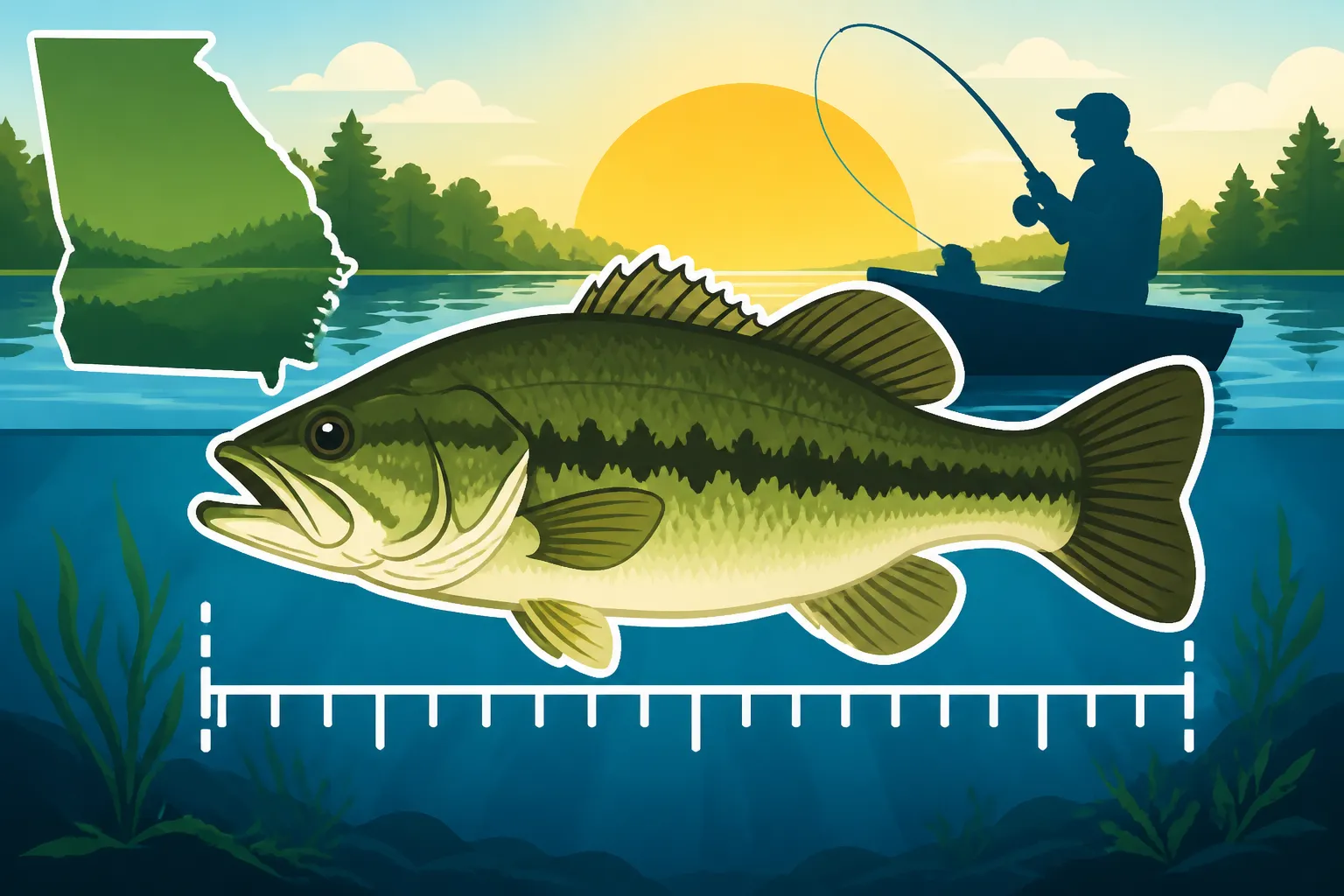
Lake Blackshear largemouth bass minimum length
It can be incredibly frustrating to try and keep up with all the specific fishing rules across Georgia's many incredible waterways. Just when you think you've got the statewide regulations down, you find out a particular lake has its own unique set of guidelines, leaving you wondering if you're even allowed to keep that fish you just caught! If you're heading to Lake Blackshear with dreams of reeling in some impressive largemouth bass, understanding its specific length regulations is absolutely essential. This guide will walk you through the nuances of Lake Blackshear's largemouth bass rules, helping you fish confidently and responsibly.
Deciphering the Largemouth Bass Regulations on Lake Blackshear
When you're out on the water, the last thing you want is to accidentally break a fishing regulation. It's not just about avoiding a fine; it's about being a responsible angler and contributing to the health of the fishery. Lake Blackshear, a beautiful and popular spot in southwest Georgia, has a unique approach to managing its largemouth bass population that often surprises anglers expecting a standard minimum length limit.
The Nuance of Lake Blackshear's Largemouth Bass Rule
Here's where it gets interesting and where many anglers might get a little tripped up: when it comes to largemouth bass on Lake Blackshear, there is actually no minimum length limit. That's right, you can legally keep bass shorter than the typical 12-inch standard you might find elsewhere. However, before you start filling your cooler with smaller bass, there's a crucial part of the regulation you need to be aware of: you can only keep one Largemouth Bass 22 inches or longer per day.
What this means in practice is that the Georgia Department of Natural Resources (DNR) is encouraging anglers to harvest smaller bass. By removing some of the more numerous, smaller fish, it reduces competition for food and resources in the lake. This allows the remaining bass, particularly those in the "keeper" slot just under 22 inches, to grow faster and healthier, ultimately leading to a more robust population with larger average sizes. It’s a carefully designed strategy to improve the overall quality of the bass fishery. So, while you might be used to releasing everything under a certain size, on Lake Blackshear, it's often beneficial to keep some of those smaller, legal bass.
How Lake Blackshear's Rules Differ from Statewide Standards
Many anglers are familiar with the common statewide 12-inch minimum length limit for largemouth bass that applies to a vast majority of Georgia's public waters. This standard is designed to ensure bass have a chance to spawn at least once before being harvested, helping to maintain a healthy breeding population. However, Lake Blackshear stands out as one of the exceptions to this general rule. Its unique regulation reflects specific fishery management goals tailored to the conditions and population dynamics within Lake Blackshear itself.
The difference highlights just how important it is to always check the specific regulations for the body of water you're fishing. Assuming the statewide rules apply everywhere can lead to confusion or, worse, unintended violations. The DNR maintains a detailed list of these exceptions, often found in the annual Georgia Fishing Regulations Explained guide. These special regulations are not arbitrary; they are the result of biological surveys, catch data, and scientific analysis by fishery biologists who are constantly working to improve fishing opportunities. For Lake Blackshear, the strategy is clearly focused on managing population density and promoting growth, rather than just protecting juvenile fish.
Why Specific Length Limits Matter for Bass Fisheries
It might seem overly complicated to have different rules for different lakes, but these specific length limits are actually powerful tools that fishery managers use to fine-tune fish populations. They're not just arbitrary numbers; they're based on science and designed to create better fishing experiences for everyone.
Promoting a Healthy Bass Population
The "no minimum, one over 22 inches" rule on Lake Blackshear is a prime example of a regulation designed to optimize the health and growth of a bass fishery. Think of it like managing a garden. If you let every plant grow unchecked, they'll all compete for nutrients, and none will reach their full potential. By thinning out some of the smaller, more numerous bass, you provide more food and space for the remaining fish. This targeted harvest of smaller fish can lead to faster growth rates, stronger individuals, and a more balanced ecosystem.
This type of regulation helps prevent "stunting," a common issue in fisheries where there are too many small fish competing for limited resources, resulting in a population of slow-growing, undersized fish. By encouraging anglers to keep smaller bass, the DNR actively manages the population density, ensuring that the lake can support larger, healthier specimens. This approach is a cornerstone of sustainable fishing and helps ensure that Lake Blackshear remains a productive fishery for years to come. It’s a testament to the detailed work that goes into crafting specific rules for lakes like Blackshear, ensuring a vibrant future for bass fishing.
Impact on Trophy Bass Potential
Beyond just overall population health, these specific limits have a direct impact on the potential for catching truly large, trophy-sized bass. By protecting the larger, older bass (those 22 inches and over) by limiting their harvest to just one per day, the DNR ensures that these prime breeders remain in the lake. These large bass are not only valuable for their genetic contributions to future generations but also serve as the ultimate prize for anglers. Knowing that these giants are swimming freely, largely protected, adds to the allure of fishing Lake Blackshear.
The structure of the regulation encourages the development of a trophy fishery by allowing a healthy proportion of bass to grow to impressive sizes. It’s a careful balance: harvest enough smaller fish to reduce competition, but protect the biggest, most genetically desirable fish to sustain the population and provide exciting opportunities for trophy hunters. This contrasts with a simple minimum length limit, which might protect all fish until they reach a certain size but might not adequately manage population density or the oldest, largest specimens. If you're dreaming of landing a truly massive largemouth, knowing these regulations are in place to help grow and protect those giants should definitely put Lake Blackshear on your radar.
Practical Tips for Measuring and Releasing Bass on Lake Blackshear
Fishing regulations are only effective if anglers know how to properly comply with them. For Lake Blackshear's unique largemouth bass rules, that means being diligent about measuring your catch and understanding when and how to release fish responsibly. It’s all part of being a good steward of our natural resources.
Proper Measurement Techniques
Accuracy is key when it comes to fish measurements. You want to ensure you're getting it right every time to avoid any missteps with the law. When measuring a largemouth bass, lay the fish flat on a measuring board or a firm, flat surface. The measurement should be taken from the tip of the jaw (with the mouth closed) to the very end of the tail, with the tail compressed to get the maximum length. It’s not uncommon for anglers to accidentally measure from the eye or the fork of the tail, which can lead to incorrect readings. Always make sure the fish is calm and still, which can be tricky, but essential for an accurate measurement.
Having a reliable measuring device on hand is non-negotiable. Many anglers prefer a bump board for quick and accurate measurements, especially when dealing with a feisty bass. You can find excellent, durable measuring boards made from plastic or aluminum on platforms like Amazon, often with clear markings that are easy to read. Some even float, which is a bonus if you accidentally drop it overboard! It's also a good idea to practice measuring fish, perhaps even a practice fish at home (a toy fish, of course!), so you're proficient when the real thing happens on the water. Proper technique ensures you can quickly assess if a fish falls within the legal size requirements for Lake Blackshear, allowing you to make a quick decision to keep or release.
Best Practices for Catch-and-Release
For any bass you catch on Lake Blackshear that you decide to release – perhaps it’s smaller than you prefer, or it's one of those prized 22-inch-plus giants after you've already kept your one for the day – proper catch-and-release techniques are paramount. The goal is to minimize stress and injury to the fish, giving it the best chance of survival. Start by handling the fish as little as possible, and always with wet hands to protect its delicate slime coat. This coat is the fish's first line of defense against disease and infection.
When unhooking, use needle-nose pliers or a dehooking tool, especially if the hook is deep. Avoid putting your fingers in the gills, as this can cause severe damage. If you're using a lip gripper, ensure it supports the entire body of the fish, rather than letting it hang vertically by the jaw, which can dislocate its spine. When releasing, gently place the fish back into the water headfirst and allow it to swim away on its own power. Sometimes, a fish may need a moment to regain its bearings; gently hold it upright until it kicks its tail and swims off. This careful approach not only demonstrates respect for the fish but also supports the very health of the fishery that these regulations aim to protect. For more on handling, check out this guide on How to Catch and Release Trout Properly, as many principles apply across species.
Navigating Enforcement and Ethical Angling
Understanding the rules is one thing, but knowing the potential repercussions of not following them, and embracing the larger ethos of conservation, completes the picture of a responsible angler. No one wants to face fines or penalties, but more importantly, no one wants to harm the very resource they enjoy.
Fines and Penalties for Violations
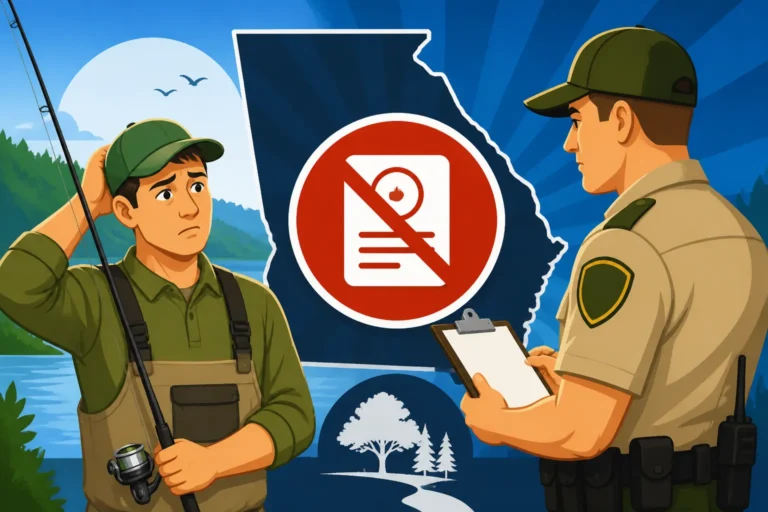
Ignoring Georgia's fishing regulations, whether intentionally or accidentally, can lead to some significant consequences. For violations of length limits or daily creel limits (the number of fish you can keep), you can face fines that vary depending on the severity and frequency of the offense. These fines can easily run into hundreds of dollars, and in some cases, especially for repeat offenders or egregious violations, they can also include court appearances, impoundment of gear, and even the suspension or revocation of your fishing license. It’s important to remember that these penalties are not just theoretical; game wardens actively patrol Georgia’s lakes, including Lake Blackshear, and are well-versed in local regulations. They are there to enforce the rules and protect the fishery for everyone.
The financial cost is often just the beginning. The hassle of dealing with legal proceedings and the potential loss of fishing privileges can overshadow many enjoyable days on the water. This is precisely why taking the time to understand specific rules, like Lake Blackshear's unique largemouth bass minimum length (or lack thereof, combined with the maximum size restriction), is so crucial. A quick check of the regulations before each trip, perhaps through the official Georgia DNR website or their comprehensive guide on Georgia Fishing Regulations Explained, can save you a world of trouble. Remember, ignorance of the law is rarely an excuse.
The Importance of Ethical Angling and Conservation
Beyond simply avoiding fines, adhering to fishing regulations on Lake Blackshear is a core component of ethical angling and conservation. Every angler has a role to play in protecting our natural resources and ensuring that future generations can enjoy the same incredible fishing opportunities we do today. The specific rules for Lake Blackshear's largemouth bass are designed to promote a healthier, more productive fishery, and by following them, you become an active participant in that conservation effort. It’s about more than just catching fish; it’s about understanding the ecosystem, respecting the fish, and contributing to its sustainability.
Ethical angling also extends to practices beyond just length and creel limits. It means picking up your trash, being mindful of other anglers, and never wasting your catch. It’s about taking pride in leaving the environment better than you found it. When you understand that regulations like those on Lake Blackshear are put in place to cultivate a balanced fish population, you begin to see your role not just as a harvester, but as a steward. This mindset is vital for maintaining the quality of fishing across Georgia, from the largemouth bass in Lake Blackshear to the trout in the mountain streams, as highlighted in guides like Georgia Freshwater Fishing Rules and Georgia Trout Fishing License Requirements. Let's all commit to being part of the solution, ensuring the vibrancy of Georgia's fishing heritage for years to come.
| Regulation Type | Statewide Largemouth Bass Rule (General) | Lake Blackshear Largemouth Bass Rule (Specific) | Primary Goal |
|---|---|---|---|
| Minimum Length Limit | 12 inches (on most waters) | None (no minimum) | Protect juvenile fish until they can spawn |
| Maximum Length Limit / Slot Limit | Generally none, varies by water | One fish 22 inches or longer per day | Protect trophy-sized bass & manage population density |
| Daily Creel Limit | 10 bass total (including spotted bass) | 10 bass total (including spotted bass) | Prevent overharvesting of the species |
| Management Focus | General protection and spawning | Encourage harvest of smaller bass to promote growth of remaining fish, protect large breeders | Optimize population health and trophy potential |
Disclaimer
Please note that fishing regulations can change. While this guide provides the most current information available at the time of writing, it is always your responsibility to consult the official Georgia Department of Natural Resources (DNR) website or their latest fishing regulations guide before heading out on the water. This ensures you have the most up-to-date and accurate information to comply with all laws.