West Point Reservoir bass minimum length
It can be incredibly frustrating to keep up with all the different fishing regulations across Georgia's numerous lakes and rivers. Just when you think you've got the statewide rules down, you hear whispers of special limits for certain reservoirs, leaving you wondering if your favorite spot, like West Point Lake, plays by its own set of rules. This guide is here to cut through the confusion and give you the definitive answer on the bass minimum length at West Point Reservoir so you can fish with confidence.
West Point Lake Adheres to Georgia's Statewide Bass Minimum
Let's get straight to the point and clear up any misconceptions right away. While many of Georgia's larger, more heavily fished reservoirs do indeed have specific, stricter bass regulations, West Point Lake is not one of them when it comes to minimum length. This can sometimes catch anglers off guard, especially those who primarily fish other major impoundments with different rules. It's a common source of confusion, and frankly, it's easy to see why. You hear about one lake having a 14-inch minimum, and you start to assume all the big ones do.
The 12-Inch Minimum Length for Largemouth and Spotted Bass
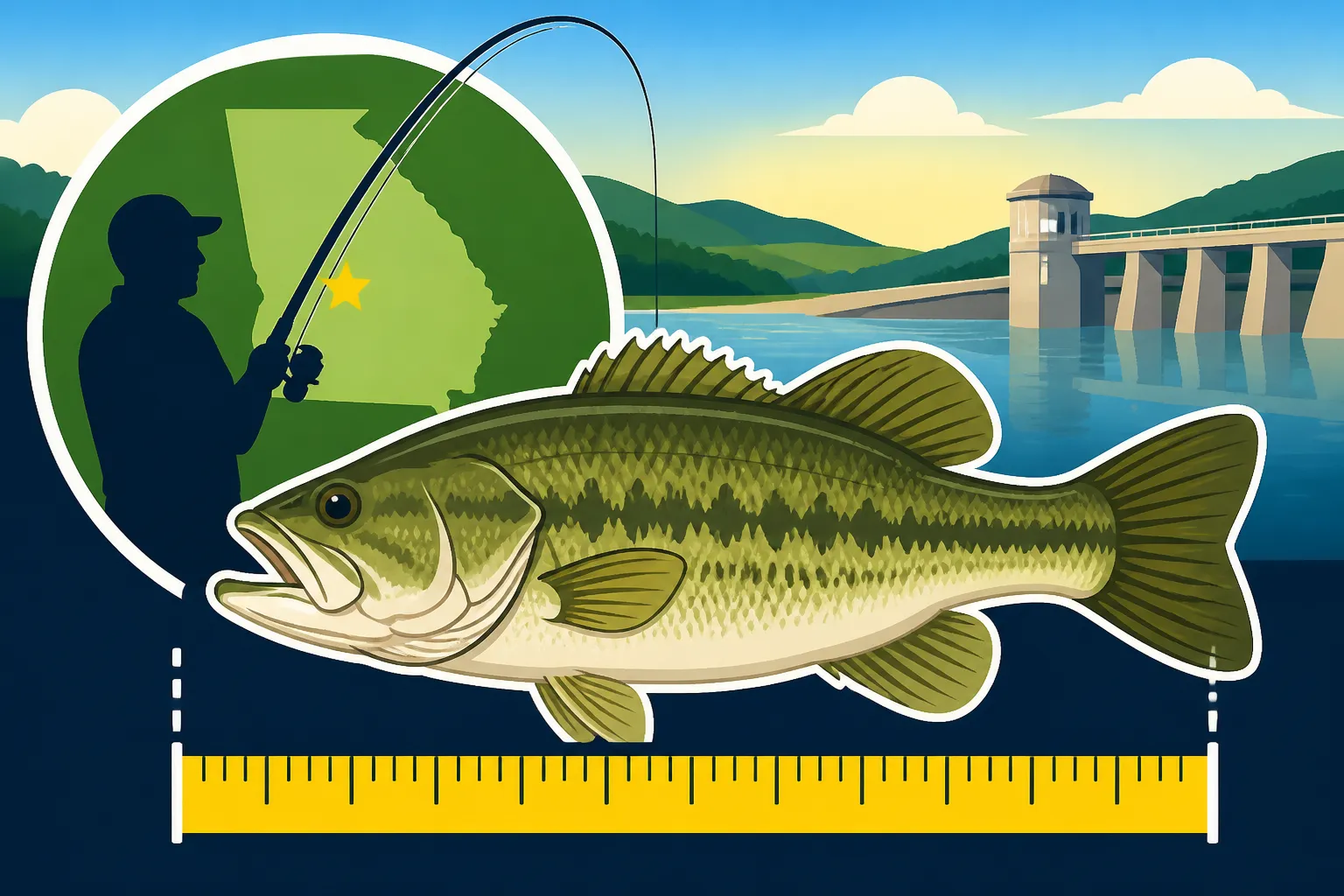
For anglers targeting largemouth bass and spotted bass at West Point Lake, the regulation is consistent with the general statewide rule in Georgia. This means there is a 12-inch minimum length requirement for both species. What does that mean in practice? Any largemouth or spotted bass you catch must measure at least 12 inches from the tip of its snout to the end of its tail (with the tail compressed) to be legally kept. If it's shorter than that, it needs to go back into the water promptly and safely.
Beyond the minimum length, it’s also crucial to remember the daily creel limit. For largemouth and spotted bass at West Point Lake, you're allowed a daily aggregate creel limit of 10 fish. "Aggregate" means the total number of both largemouth and spotted bass combined cannot exceed 10 in a single day. This distinction is important because while the statewide rule for these species is the same at West Point, other specific waters might have different aggregate limits or even different species-specific limits within the 10-fish total. So, while West Point follows the 12-inch minimum, always double-check all aspects of the regulation.
The Rationale Behind Statewide Regulations
The decision to apply statewide regulations, like the 12-inch minimum, to a large body of water such as West Point Lake isn't arbitrary. It's often a calculated move by the Georgia Department of Natural Resources (DNR) to balance conservation with recreational opportunity across a broad range of waters. A 12-inch minimum length is designed to allow bass to reach at least one full spawning cycle, contributing to the overall health and sustainability of the population before they become part of the angler's harvest.
For a lake like West Point, which is a massive reservoir on the Chattahoochee River straddling the Georgia-Alabama border, this standard length limit helps maintain a robust and self-sustaining bass fishery. While it sees significant fishing pressure, the biology of its specific bass populations and the overall ecosystem might not necessitate the more stringent regulations seen in other trophy-managed or overfished lakes. It’s about finding that sweet spot where fish can grow, reproduce, and still provide excellent angling opportunities. It's truly a testament to ongoing fisheries management that aims to keep our lakes healthy for generations of anglers.
Distinguishing West Point from Lakes with Stricter Bass Limits
It's completely understandable why anglers might assume West Point Lake has a stricter bass minimum length. Georgia has a fascinating and sometimes complex tapestry of fishing regulations, with many of our most popular lakes operating under special rules tailored to their unique ecosystems and fishing pressures. This variety, while beneficial for fish management, can certainly be a headache for us anglers trying to stay on the right side of the law.
Georgia's Reservoirs with a 14-Inch Bass Minimum
To clarify why the confusion around West Point's rules is so prevalent, let's look at some of the prominent Georgia reservoirs that do enforce a stricter 14-inch minimum length for largemouth bass, and sometimes spotted bass too. These are the lakes that often contribute to the general feeling that "all big lakes have special rules."
Some of the most notable examples include:
- Lake Lanier: Famous for its spotted bass, Lake Lanier has a 14-inch minimum for largemouth bass.
- Lake Oconee: A popular destination for bass and hybrid striped bass, Lake Oconee also has a 14-inch minimum for largemouth bass.
- Lake Hartwell: Another major border lake, Lake Hartwell requires largemouth bass to be 14 inches or longer.
- Lake Seminole: Down in South Georgia, Lake Seminole similarly maintains a 14-inch minimum for largemouth bass.
- Lake Blackshear: Known for its quality bass fishing, this lake also features a 14-inch minimum.
- Walter F. George Reservoir (Lake Eufaula): This impressive lake on the Chattahoochee River, forming part of the Alabama border, has a 14-inch minimum for largemouth bass.
These specific lakes implement a 14-inch minimum primarily for conservation and trophy management. The goal is often to allow bass to grow larger, contribute more to the gene pool, and provide better quality fishing. High fishing pressure, coupled with excellent habitat, means these lakes can sustain and benefit from a slightly more conservative approach to harvest. When you see how robust the fishing can be in these waters, it's clear these regulations are often working as intended. For a broader overview of these areas, you might want to check out our article on Reservoirs with a 14-Inch Bass Minimum in Georgia.
The Importance of Verifying Regulations for Each Water Body
Given the variations we've just discussed, the single most important piece of advice any seasoned angler can offer is this: always, always verify the specific regulations for the particular body of water you plan to fish, every single time you go, or at least annually. It's a hassle, we know. It adds another layer of planning to what should be a relaxing day on the water. But overlooking this step can lead to fines, confiscation of your catch, or even more severe penalties.
Imagine you've been fishing Lake Lanier for years, meticulously measuring every bass to ensure it meets the 14-inch mark. Then you decide to take a trip to West Point Lake, assuming the same 14-inch rule applies. You catch a beautiful 13-inch largemouth, keep it, and proudly show it off at the ramp, only to find out you were perfectly legal! Or, worse, you fish West Point, assume it's a 12-inch limit, and then go to Lake Lanier and get caught with a 13-inch bass. That kind of mix-up is exactly what the Georgia DNR is trying to prevent, but the responsibility ultimately falls on us, the anglers. It's a small step that makes a huge difference in ensuring sustainable fishing for everyone.
Essential Practices for Bass Anglers at West Point Lake
Fishing at West Point Lake, like any other body of water, requires more than just knowing the regulations. It demands a responsible approach to the resource and an understanding of how to best equip yourself for success. After all, the goal is not just to catch fish, but to ensure healthy populations continue to thrive for years to come.
Accurate Measurement and Responsible Catch Handling
When you're out on West Point Lake, whether you're targeting those feisty spotted bass or trying for a trophy largemouth, proper measurement is key to adhering to the 12-inch minimum length. There's a right way and a wrong way to do it, and getting it wrong can mean unintentionally breaking the law or, just as importantly, harming the fish.
Here’s the standard practice:
- Mouth Closed: Gently close the fish's mouth to ensure its snout is at the zero mark of your measuring device.
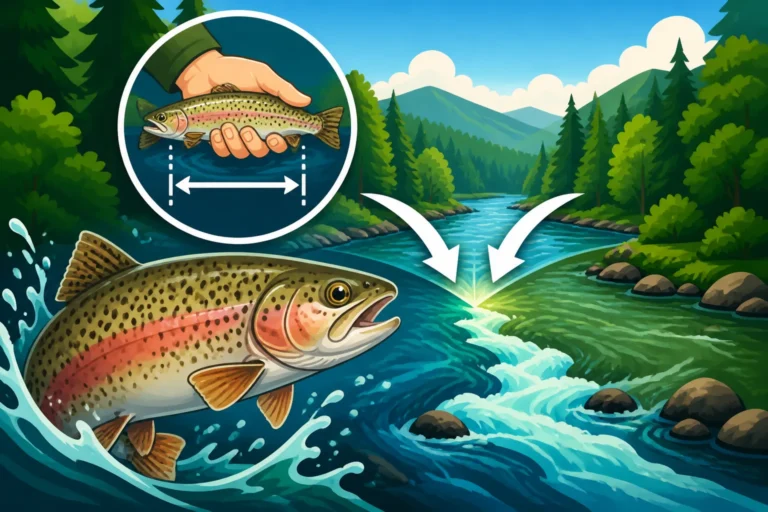
- Tail Compressed: With the fish lying flat, gently compress the tail fin to get the maximum possible length. This is crucial because some fish have natural variations in tail shape.
- Quickly and Gently: Measure quickly to minimize the fish's stress, especially if you intend to release it. Avoid keeping the fish out of water for too long.
For fish that are under the 12-inch minimum, or if you simply choose to practice catch and release for larger fish, responsible handling is paramount. Wet your hands before touching the fish, support its body horizontally to avoid internal damage, and use needle-nose pliers or a dehooking tool to remove hooks gently. Sometimes, a quality fish gripper can make this process much easier and safer for both you and the fish. You can find excellent options for measuring boards and fish grippers on online retailers like Amazon, ensuring you're prepared with reliable tools. Learning how to properly release fish is a skill that benefits every species, not just trout, as detailed in our guide on How to Catch and Release Trout Properly.
Recommended Gear and Licensing for West Point Bass Fishing
Having the right gear makes a huge difference, not just in catching fish, but in making the entire experience enjoyable. For bass fishing at West Point Lake, you'll want a setup that's versatile enough for both largemouth and spotted bass, which can often be found in similar habitats but might prefer slightly different presentations.
- Rods and Reels: A medium-heavy casting or spinning rod, typically 6'6" to 7'6" in length, paired with a reliable baitcasting or spinning reel, is a great all-around choice. This setup gives you the power to handle larger bass and the sensitivity to feel subtle bites. You can learn more about choosing the right setup in our guide on Best Rods and Reels for Georgia Largemouth Bass.
- Line: Depending on your preference and the cover you're fishing, 10-20 lb fluorocarbon or monofilament line, or 30-50 lb braided line, will serve you well. Braided line is excellent for fishing around thick cover due to its strength and sensitivity.
- Lures: West Point bass respond well to a variety of lures. Spinnerbaits, crankbaits, jigs (especially football jigs around rocky structure), soft plastics (like Texas-rigged worms or Senkos), and topwater lures during low-light conditions are all productive choices. Building a versatile tackle box with these options is a smart move. Our article on Tackle Box Setup for Bass Fishing can offer some great tips. Don't forget, you can easily stock up on a wide array of bass lures and terminal tackle from retailers like Amazon before your trip.
Finally, and this should go without saying, you absolutely need a valid Georgia fishing license to fish at West Point Lake. This isn't just a suggestion; it's a legal requirement for almost everyone over the age of 16. Skipping this step can lead to significant fines and penalties. Getting your license is simple and helps fund the very conservation efforts that keep West Point, and all our other Georgia waters, teeming with fish. For all the details on how to acquire one, check out our Georgia Fishing License Guide.
How to Stay Informed About Georgia Fishing Regulations
It's clear that fishing regulations, especially bass minimum lengths, aren't always a "one size fits all" deal across Georgia. The dynamic nature of fish populations and the continuous efforts by fisheries biologists mean that rules can and do change. As responsible anglers, it's our duty to stay on top of these changes.
Leveraging Official Georgia DNR Resources
The absolute best and most reliable source for current fishing regulations in Georgia is the Georgia Department of Natural Resources (DNR). Forget hearsay from the bait shop or an old fishing buddy's memory; the DNR's official publications are the law of the land.
Here’s how you can access their resources:
- Official Website: The Georgia DNR Wildlife Resources Division website is a treasure trove of information. They have dedicated sections for fishing, including the most current regulations. This is your go-to online resource for a quick check or an in-depth dive into specific rules.
- Annual Fishing Regulations Booklet: Each year, the DNR publishes a comprehensive booklet detailing all statewide and specific water body regulations. These are available online as a PDF, and often in print at bait and tackle shops, DNR offices, and sporting goods stores. Always pick up the latest edition!
- Go Outdoors Georgia App: For those who prefer digital access on the go, the Go Outdoors Georgia app is an excellent tool. It allows you to purchase licenses, submit harvest reports, and crucially, access fishing regulations directly from your smartphone. It's a convenient way to have the most up-to-date information right in your pocket. For a complete understanding of all the rules that govern fishing in our state, our guide on Georgia Fishing Regulations Explained is an invaluable resource. You can even check out how to secure your license through various channels with our post on How to Get a Fishing License in Georgia.
Understanding Regulation Changes and Why They Occur
Regulations aren't set in stone for the sake of bureaucracy; they are living documents that reflect the ongoing health and management needs of our fisheries. There are several reasons why the Georgia DNR might adjust minimum lengths, creel limits, or other rules:
- Scientific Data and Research: Fisheries biologists continuously monitor fish populations, growth rates, spawning success, and angler harvest. If data indicates a species is overfished or struggling to reach reproductive maturity in a particular water body, regulations might be tightened. Conversely, if a population is thriving and could support more harvest, rules might be relaxed.
- Environmental Factors: Droughts, floods, changes in water quality, or the introduction of invasive species can all impact fish populations and necessitate regulation adjustments.
- Angler Feedback: Believe it or not, angler input plays a role! While not the sole driver, observations and concerns from the fishing community are considered by the DNR.
- Conservation Goals: Ultimately, all regulations are geared towards ensuring the long-term sustainability of Georgia's aquatic resources. They aim to protect vulnerable species, enhance trophy potential, or simply maintain a healthy balance. For instance, the Georgia Trout Stocking Schedule is meticulously planned based on similar biological assessments and public demand.
Because these factors are constantly at play, it's really important to get into the habit of reviewing regulations at least once a year, ideally before your first major fishing trip of the season. A rule that was in effect last year might have changed, and staying informed means you're not only compliant but also a more responsible and effective conservationist.
Bass Size and Creel Limits at a Glance
To quickly summarize the key differences in bass regulations, especially as they pertain to West Point Lake, here's a helpful table. This visual comparison can often make the variations clearer than reading through dense text.
| Water Body | Largemouth/Spotted Bass Minimum Length | Daily Creel Limit (Aggregate) | Notes |
|---|---|---|---|
| West Point Lake | 12 inches | 10 fish | Follows statewide general regulations for bass. |
| Statewide Georgia Waters | 12 inches | 10 fish | General rule for most lakes, rivers, and smaller impoundments. |
| Lake Lanier | 14 inches | 10 fish | Special regulation for Largemouth Bass to promote larger fish. |
| Lake Oconee | 14 inches | 10 fish | Special regulation for Largemouth Bass. |
| Walter F. George Reservoir | 14 inches | 10 fish | Special regulation for Largemouth Bass. |
As you can see, West Point Lake slots into the statewide standard, contrasting with other large and popular lakes that have chosen to implement stricter minimums. This table serves as a quick reference, but remember, the detailed information from the Georgia DNR is always your primary and most reliable source.
Disclaimer
Please note that fishing regulations are subject to change. While this article provides the most accurate and up-to-date information available at the time of writing, it is always the angler's responsibility to consult the official Georgia Department of Natural Resources (DNR) website or the current Georgia Sport Fishing Regulations booklet before fishing. Reliance on this article for legal compliance is at the reader's sole risk.