Georgia largemouth bass daily creel limit
For many anglers, the thrill of reeling in a feisty largemouth bass is what fishing in Georgia is all about. But the excitement can quickly turn to confusion when you're trying to figure out exactly how many you can keep, and what size they need to be. It’s a common frustration, especially with so many different lakes and rivers across our beautiful state. This guide is here to untangle all the complexities surrounding the Georgia largemouth bass daily creel limit, ensuring you’re confident and compliant on your next fishing adventure.
Understanding Georgia's Statewide Largemouth Bass Creel Limit
Let's start with the basics, because understanding the general rule is your first step before diving into all the exceptions. It can feel like there's a different rule for every puddle, but thankfully, there's a foundational guideline for largemouth bass in Georgia.
The General Rule for Most Waters
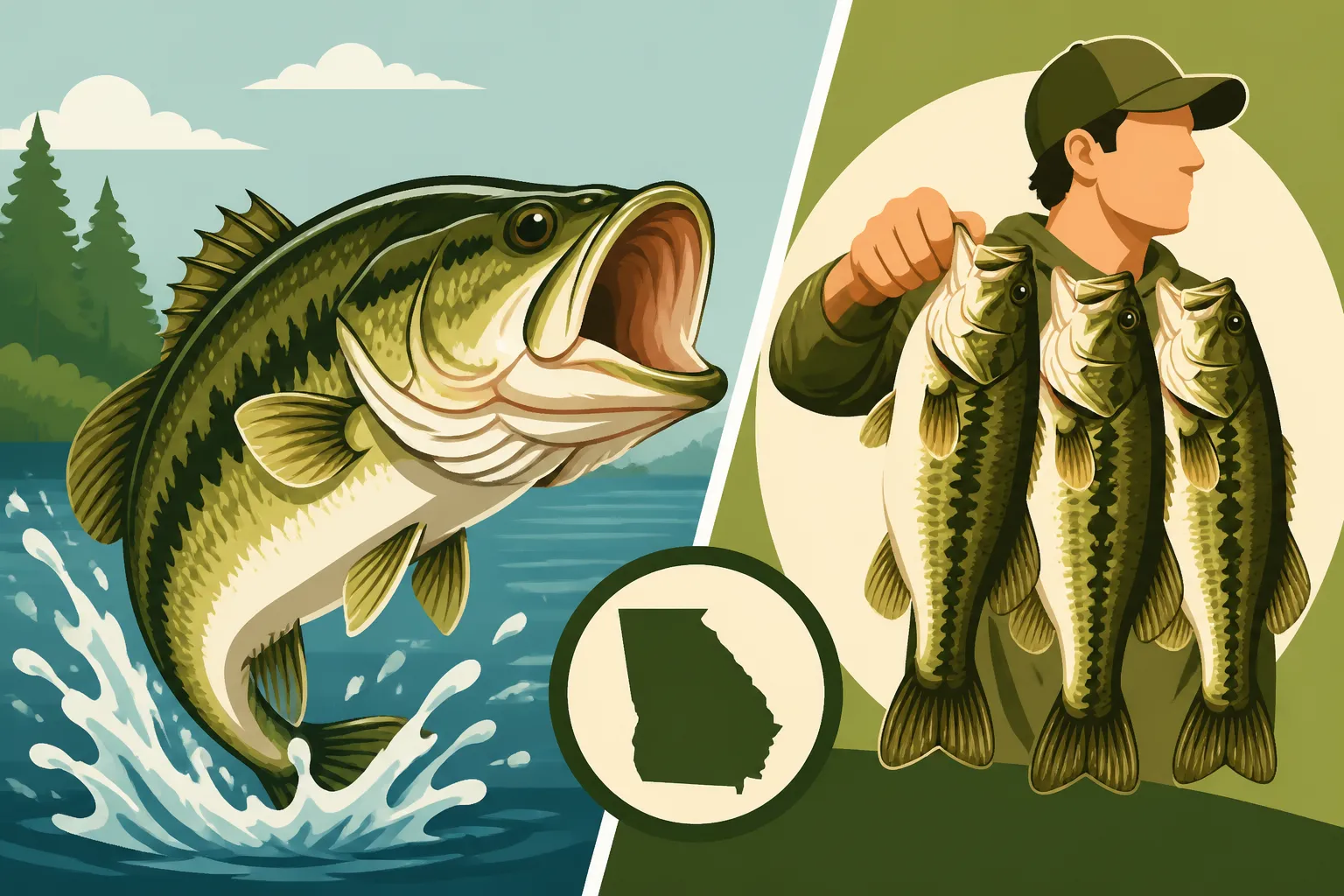
Across the vast majority of Georgia's freshwater bodies, the statewide daily creel limit for largemouth bass is 10 fish per angler per day. What's often surprising to new anglers, or those used to stricter rules in other states, is that for these general waters, there is no minimum length limit. That means if you're fishing a small farm pond, a lesser-known river stretch, or many of our state's smaller public access lakes, you could technically keep ten bass of any size, from tiny "dinks" to lunkers.
This general rule is a reflection of how the Georgia Department of Natural Resources (DNR) manages a healthy and robust statewide fishery. It allows anglers a good deal of flexibility while still ensuring that largemouth populations remain sustainable. For many, this is fantastic news, especially when you're out with the family and the kids are just excited to catch anything that bites. It removes the pressure of having to measure every single fish. When you're gearing up for one of these general waters, remember that your usual bass setup will work wonders. Anglers often stock up on their favorite bass lures, whether they're picking up a new spinnerbait or a pack of soft plastics from retailers like Amazon, knowing that size isn't the primary concern here.
Distinguishing Creel Limits from Size Limits
It's absolutely critical to understand the difference between a "creel limit" and a "size limit," because mixing them up can lead to a ticket. The creel limit refers to the total number of fish of a specific species you can keep in a single day. For largemouth bass in general Georgia waters, that’s 10 fish. The size limit, on the other hand, dictates the minimum (or sometimes maximum, in a slot limit) length a fish must be to be legally kept.
As mentioned, many general Georgia waters have no size limit for largemouth bass. However, this changes drastically in some of our larger, more popular reservoirs. The reason for implementing size limits is often rooted in fishery management goals. Sometimes it's to protect a certain year class of fish, allowing them to grow larger and contribute to spawning before being harvested. Other times, it's to reduce the harvest of smaller, less desirable fish, thereby improving the overall quality of the fishery and promoting the growth of trophy-sized bass. So, while you might be able to keep a dozen small bass from your local pond under the statewide rule, you could face penalties if you tried the same thing on a lake with a strict 14-inch minimum. It’s all about understanding the specific rules for the specific water you’re fishing. To truly be informed, it's always best to consult the official Georgia Fishing Regulations Explained, which you can easily find online.
Specific Reservoir Regulations and Exceptions
While the statewide rule provides a baseline, Georgia's most popular fishing destinations often come with their own unique sets of regulations designed to optimize the fishery in those specific bodies of water. These exceptions are incredibly important to know.
Reservoirs with a 14-Inch Minimum Length Limit
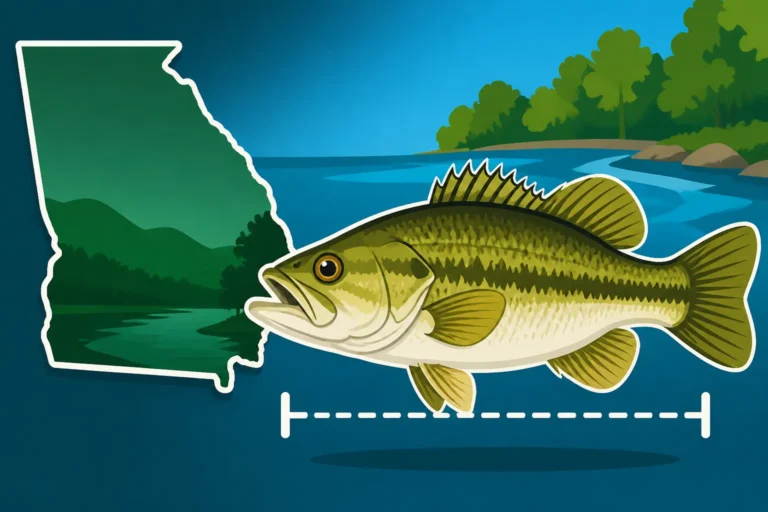
This is where things get a bit more restrictive, and it's a rule that trips up many anglers, especially those new to some of our premier bass fisheries. Several major Georgia reservoirs, known for their outstanding largemouth bass fishing, enforce a 14-inch minimum length limit. This means that while the daily creel limit might still be 10 bass, none of those fish can be shorter than 14 inches from the tip of the snout to the tip of the tail.
Some of the prominent lakes that fall under this 14-inch minimum rule include:
- Lake Lanier
- Lake Oconee
- West Point Lake
- Walter F. George Reservoir
- Lake Blackshear
- Lake Seminole
- Lake Richard B. Russell
The reasoning behind this 14-inch minimum is typically to foster a higher quality bass fishery. By protecting bass until they reach a certain size, the DNR aims to increase the average size of fish in the lake, allow them to spawn at least once, and ensure there are enough larger fish to provide exciting angling opportunities. Imagine spending a day on Lake Lanier, one of Georgia's most famous bass lakes. You might catch 15 bass throughout the day, but if only 7 of them measure 14 inches or longer, you can only legally keep those 7, even if your creel limit is 10. All the smaller fish must be immediately and carefully released. This is a vital regulation for these reservoirs, as detailed in guides like the one on Reservoirs with a 14-Inch Bass Minimum in Georgia.
Unique Slot Limits and Special Regulations
Beyond the straightforward minimum length limits, there are a few very specific, highly localized regulations that you absolutely need to be aware of. These are designed for highly specialized management goals and are often found in smaller, intensively managed fisheries. The most notable example of a unique regulation in Georgia for largemouth bass is found at Lake Lindsay Grace.
Lake Lindsay Grace, located within the Paradise Public Fishing Area (PFA), has what's known as a slot limit. This is a specific type of size restriction that mandates anglers to release fish within a certain size range, while allowing them to keep fish that are either smaller or larger than that range. At Lake Lindsay Grace, the largemouth bass regulation is:
- Release all largemouth bass between 15 and 22 inches in length.
- The daily creel limit is 5 largemouth bass, but only one of those five can be 22 inches or longer.
This slot limit serves a very particular purpose: to protect the prime spawning and growth-producing bass, which typically fall into that 15-22 inch range. By making anglers release these fish, the DNR encourages them to grow even larger, contributing to both a trophy fishery and a strong spawning population. It also encourages the harvest of smaller bass, which can help reduce competition for food resources, allowing the remaining fish to grow faster. This kind of regulation is quite different from the general rules, highlighting why checking local regulations is paramount. You can learn more about this specific exception by looking into the Lake Lindsay Grace Bass Slot Limit.
Public Fishing Areas (PFAs) Rules
Georgia's Public Fishing Areas (PFAs) are fantastic resources, offering accessible and often well-stocked fishing opportunities for anglers of all skill levels. However, because they are intensively managed, they often come with their own specific rules for various species, including largemouth bass. These rules are tailored to the unique characteristics and management objectives of each individual PFA.
For example, while the statewide daily creel limit for largemouth bass is 10 with no size restriction, a particular PFA might have a limit of 5 bass per day, and perhaps even a different minimum or maximum length. These regulations are designed to ensure sustainable fishing pressure and maintain a quality fishery in these often smaller, more accessible waters. It's not uncommon to find signs prominently displayed at PFA entrances, boat ramps, and fishing piers outlining the specific rules for that location. Therefore, even if you know the statewide or major reservoir rules by heart, always take a moment to read the local signage at any PFA you visit. Ignoring these can lead to penalties, similar to what you might incur for fishing without a proper license. Your best bet is always to consult the current Georgia Sport Fishing Regulations Guide, which also lists specific PFA regulations.
The Importance of Checking Local Regulations
It might seem tedious to constantly check regulations, especially when you feel like you've got the general rules down pat. But trust me, as a seasoned angler, I've seen countless folks run into trouble because they assumed one rule applied everywhere. In fishing, assumptions are often the quickest route to a citation.
Why Rules Can Vary So Much
The variation in fishing regulations across Georgia isn't arbitrary; it's a sophisticated method of managing our diverse aquatic ecosystems. Think about it: a massive, sprawling reservoir like Lake Lanier, which sees heavy fishing pressure from hundreds of thousands of anglers, has vastly different ecological needs and management challenges than a small, isolated mountain stream or a quiet community fishing pond.
Factors influencing these varying regulations include:
- Ecosystem Health: Some water bodies might have a delicate balance of prey and predator species. Specific limits help ensure the health of the entire system.
- Fishing Pressure: Heavily fished lakes often require stricter limits to prevent overharvesting and maintain a sustainable population.
- Fish Growth Rates: Growth rates for bass can differ significantly depending on water temperature, food availability, and habitat. Regulations are adjusted to maximize the potential of the fish in that specific environment.
- Trophy Management: Some lakes are specifically managed to produce trophy-sized bass, which often involves slot limits or higher minimum size requirements to protect larger breeding fish.
- Unique Habitats: Rivers like the Flint, known for special species like shoal bass, have unique considerations that lead to very localized rules.
It’s clear that a "one size fits all" approach simply wouldn't work for Georgia's incredibly diverse fisheries. This is precisely why the DNR invests so much in localized biological surveys and angler feedback to tailor regulations that make sense for each unique body of water.
How to Stay Informed
Staying informed is not just about avoiding a fine; it's about being a responsible, ethical angler who contributes to the conservation of our precious fisheries. The good news is, getting the most up-to-date information is easier than ever.
Here’s how you can ensure you're always fishing by the book:
- The Official Georgia Sport Fishing Regulations Guide: This is your bible. It's published annually by the Georgia DNR Wildlife Resources Division and contains all the current rules, creel limits, and size limits for all species, broken down by water body. You can download a digital copy from the Georgia DNR website, or pick up a physical copy wherever fishing licenses are sold. This guide is your primary source, and it's something every angler should reference regularly. You can find detailed information within a broader resource like the Georgia Fishing License Guide.
- Georgia DNR Website and Apps: The official Georgia DNR website (gadnr.org/fishing) is a treasure trove of information. Many states also offer mobile apps that can provide instant access to regulations, which is incredibly handy when you're out on the water.
- Local Signage: As mentioned earlier, at boat ramps, public fishing areas, and other access points, look for posted signs. These often highlight the most critical local regulations, serving as a quick reminder.
- Local Tackle Shops: The folks who run your local bait and tackle shop are often incredibly knowledgeable about the local waters. They usually know about any recent regulation changes or specific nuances for the area. They can also point you to the best gear, which you might also consider browsing on Amazon for competitive prices and wide selection.
- Check Your License Validity: While not directly about creel limits, ensuring your own paperwork is in order is part of being prepared. A quick check to see How to Check if your fishing license is still valid can save you a headache.
Remember, the responsibility to know and abide by these regulations rests squarely on your shoulders. Ignorance of the law is never an acceptable excuse.
Consequences of Violating Creel and Size Limits
It's easy to get caught up in the excitement of a good fishing day, but it's crucial to always be mindful of the rules. Violating creel and size limits isn't just a minor infraction; it carries real, tangible consequences.
Penalties for Non-Compliance
Exceeding the daily creel limit for largemouth bass, or keeping a bass that falls outside the legal size limits for a particular body of water, can lead to a range of penalties. These aren't just slaps on the wrist; they can be quite severe:
- Fines: The most common penalty is a monetary fine. These fines can vary significantly depending on the severity of the violation, the number of fish over the limit or out of size, and whether it's a first offense or a repeat violation. Expect fines to be hundreds of dollars, easily outweighing the value of a few extra fish.
- Court Appearances: Many fishing violations require a mandatory court appearance. This means taking time off work, traveling to the courthouse, and potentially facing additional court costs.
- Loss of Fishing Privileges: For more serious or repeat offenses, you could have your fishing license suspended or revoked. This means you wouldn't be able to legally fish in Georgia for a specified period, which for a passionate angler, is a huge penalty.
- Confiscation of Equipment: In some instances, wildlife enforcement officers have the authority to confiscate fishing equipment, including rods, reels, and even boats, if used in the commission of a serious violation.
- Criminal Record: While many fishing violations are treated as civil infractions, some can escalate to misdemeanor charges, resulting in a criminal record.
It’s important to understand that Georgia's wildlife enforcement officers are well-trained and dedicated. They patrol our lakes and rivers diligently, and they know the regulations inside and out. It's far better to be safe than sorry, and always err on the side of caution if you're unsure about a specific rule. This is why resources like Penalties for Fishing Without a License in Georgia are so vital – they underscore the seriousness of all fishing regulations.
The Ethical Angler's Approach
Beyond the legal ramifications, there's a strong ethical component to adhering to fishing regulations. As anglers, we are stewards of our natural resources. Every decision we make on the water impacts the health and sustainability of the fishery for current and future generations.
An ethical angler understands that:
- Conservation is Key: Following creel and size limits is a fundamental act of conservation. It ensures that fish populations can reproduce, grow, and thrive, preventing overfishing that could decimate a species in a particular area.
- Respect for the Resource: The fish we pursue are living creatures, and the waters they inhabit are precious. Respecting regulations shows respect for the fish, the habitat, and the entire ecosystem.
- Setting an Example: When you follow the rules, you set a positive example for other anglers, especially children and newcomers to the sport. This fosters a culture of responsible angling.
- Proper Catch-and-Release: For any fish that must be released due to size or slot limits, or simply because you've reached your creel limit, proper catch-and-release techniques are crucial. This means minimizing handling, using appropriate tools (like de-hookers), and ensuring the fish is revived before being released back into the water. Every fish you release properly increases its chances of survival and contributes to the fishery.
Ultimately, understanding and respecting the Georgia largemouth bass daily creel limit, along with all other regulations, isn't just about avoiding a ticket. It's about preserving the incredible fishing opportunities that Georgia offers, ensuring that the next time you ask How many bass can you keep per day in Georgia, the answer remains a positive one for generations to come.
Here’s a quick summary table to help keep track of the common largemouth bass regulations in Georgia:
| Water Body Type | Daily Creel Limit (Largemouth Bass) | Minimum Length Limit | Notes |
|---|---|---|---|
| Statewide General Waters | 10 | None | Applies to most rivers, streams, ponds, and smaller lakes across Georgia. |
| Major Reservoirs | 10 | 14 inches | Includes popular lakes such as Lanier, Oconee, West Point, Walter F. George, Blackshear, Seminole, and Richard B. Russell. All bass kept must be 14 inches or longer. |
| Lake Lindsay Grace | 5 | Release 15-22 inches | A unique slot limit where all bass caught between 15 and 22 inches must be released. You can keep fish under 15 inches or over 22 inches, but only one of the five-fish limit can be 22 inches or longer. This is a very specific rule for this PFA. |
| Public Fishing Areas (PFAs) | Varies | Varies | Each Public Fishing Area (PFA) may have its own specific regulations that differ from statewide or major reservoir rules. Always check the signage at the PFA entrance or consult the current Georgia Sport Fishing Regulations Guide for exact details of that specific PFA. |
Knowing these details is part of being a prepared and responsible angler. Whether you're targeting big bass in one of Georgia's Best Fishing Spots in Georgia or simply enjoying a quiet day on a local pond, having the right information is just as important as having the right gear. It ensures that the tradition of fishing can be enjoyed by everyone for years to come. For specific details on overall Statewide Largemouth Bass Size Limits in Georgia, consult the official DNR guide.
Disclaimer
Please remember that fishing regulations, including creel and size limits, can change. While this guide provides the most current and accurate information available at the time of writing, it is always your responsibility as an angler to consult the official Georgia Department of Natural Resources (DNR) Wildlife Resources Division Sport Fishing Regulations Guide before each fishing trip. This guide is for informational purposes only and should not be considered a substitute for the official regulations.