Georgia Trout Stream Size Limits by Creek
If you've spent any time fishing Georgia's beautiful trout streams, you know the feeling: you hook a gorgeous fish, bring it in, and then that nagging question hits you – "Is this one a keeper?" The rules can feel like a maze, especially with different creeks having their own specific length requirements for rainbow, brown, and native brook trout. This guide is here to untangle that confusion, offering a clear, comprehensive look at the varying trout stream size limits across Georgia so you can fish with confidence and stay on the right side of the law.
The Foundation of Trout Regulations in Georgia
Before diving into the nitty-gritty of individual creeks, it's crucial to understand the overarching framework of Georgia's trout fishing regulations. The Georgia Department of Natural Resources (DNR) Wildlife Resources Division sets these rules with conservation and sustainable fishing in mind. Their goal is to protect and enhance trout populations, whether they're wild, native brook trout or the popular stocked rainbow and brown trout.
General Statewide Trout Rules
For many of Georgia's vast network of trout streams, a set of "general regulation" rules applies. These are your baseline. If a specific creek isn't mentioned with unique rules, these are the ones you follow. Typically, this means a daily creel limit of 8 trout, with no minimum size limit. This might sound straightforward, but it’s a trap many anglers fall into, assuming these general rules apply everywhere. They don't! The moment you step onto a specially managed stream or one designated with unique regulations, those general rules go right out the window. Knowing when and where these general rules apply is the first step in avoiding an accidental violation, which could lead to penalties for fishing without a license in Georgia or even fines for exceeding creel limits.
The Importance of a Mountain Trout License
Speaking of licenses, it's easy to think a basic Georgia fishing license covers everything. However, if your heart is set on chasing trout in Georgia's mountain streams, you'll almost certainly need to add a specific endorsement. The "Mountain Trout License Add-On in Georgia" is a requirement for most trout fishing, and it's a small price to pay for the privilege of pursuing these beautiful fish. This extra permit helps fund the state's extensive trout stocking programs and conservation efforts that keep our streams vibrant. Always make sure you have the proper licensing in hand, which includes understanding the specific Georgia trout fishing license requirements before you even tie on your first fly or lure.
Why Trout Size Limits Differ Across Georgia's Waters
It can be frustrating when you drive an hour from one stream to another, only to find the size limits are completely different. "Why can't they just make it simple?" is a common lament among anglers. But there's a good reason for this complexity, and it all boils down to biology, geography, and management goals.
Protecting Native Brook Trout Populations
Georgia is fortunate to have a native trout species: the Southern Appalachian Brook Trout. These vibrant, colorful fish are a true gem, but their populations are often fragile, confined to the coldest, purest headwater streams. Many of these smaller, higher elevation streams are managed as "brook trout waters" or "wild trout waters" and often come with strict length limits – or even catch-and-release only rules – to protect these vulnerable wild populations. Streams like Waters Creek in the Chattahoochee National Forest are excellent examples of this, with very specific size rules aimed at preserving their unique genetic strain and allowing fish to reach reproductive maturity. This is why you'll find "Waters Creek Trout Size Rules, Georgia" are often some of the state's most stringent.
Managing Stocked Trout Fisheries
Most of the trout fishing opportunities in Georgia, especially on larger, more accessible streams, are sustained by extensive stocking programs. The DNR releases hundreds of thousands of rainbow and brown trout annually to meet angler demand. For these stocked waters, size limits (or the lack thereof in general regulation streams) are often designed to optimize the "put-and-take" fishery, ensuring a good catch rate for anglers while still allowing some fish to grow. However, even within stocked waters, some streams might have specific minimums to encourage a higher quality fishery, hoping that anglers will release smaller fish, allowing them to grow larger and provide a more rewarding catch later on. This balance ensures that streams like the Toccoa River and the upper Chattahoochee continue to offer fantastic opportunities, as detailed in the "Toccoa River Trout Fishing in Georgia" and "Chattahoochee River Headwaters Trout Fishing" guides.
Stream Ecology and Habitat Considerations
The unique ecology of each stream also plays a huge role. Some streams simply have better habitat for growing large trout than others. Factors like water temperature, available food sources, water quality, and stream structure (pools, riffles, cover) all impact how quickly trout grow and how large they can get. A stream with abundant insect life and cool, stable temperatures can support larger fish, warranting different management strategies and, consequently, different size limits. Conversely, a stream that struggles with warmer summer temperatures or limited food might have different rules to protect the few fish that manage to thrive. This nuanced approach helps answer the question of "How trout size limits differ from creek to creek in Georgia."
Detailed Breakdown of Key Trout Streams and Their Limits
Let's get down to the brass tacks. You need to know which rules apply where. While the most up-to-date and complete information will always come directly from the Georgia DNR, here's a breakdown of some prominent streams and the specific size limits you're likely to encounter.
Waters Creek Trout Size Rules
Waters Creek, located within the Chattahoochee National Forest near Dahlonega, is a prime example of a stream managed for quality trout. It's renowned for its potential to hold larger fish, including native brook trout. The regulations here are quite specific:
- Waters Creek (from its source to the confluence with Chestatee River): This section often has a minimum size limit of 16 inches for rainbow and brown trout, and an 18-inch minimum size for brook trout. The daily creel limit is typically one fish per day.
- Why these rules? These restrictive limits are put in place to create a "trophy" fishery, allowing trout to grow to impressive sizes, particularly the native brookies. It encourages catch-and-release for most fish, letting them mature and spawn.
Fishing Waters Creek requires patience and a good understanding of presentation, but the reward of a sizable trout is well worth it. You definitely want a good measuring tape or ruler on hand, maybe one that easily attaches to your net or vest, which you can often find on retailers like Amazon.
Noontootla Creek Mountain Trout Minimum Length
Noontootla Creek, another gem in the North Georgia mountains, also has special regulations designed to protect and enhance its trout populations. Located in the Blue Ridge WMA, it's known for its beautiful scenery and wild trout characteristics.
- Noontootla Creek (above the confluence with its primary tributary, Dick's Creek): This section often has a 16-inch minimum size limit for all trout species (rainbow, brown, and brook trout). The daily creel limit is typically one fish per day.
- Noontootla Creek (below the confluence with Dick's Creek to the Toccoa River): This lower section may revert to more general regulations, but it's crucial to check the latest guide, as these boundaries can sometimes have subtle nuances.
These regulations on Noontootla Creek, similar to Waters Creek, aim to foster a quality fishery where anglers have a chance at larger trout, especially those that have become wild and wary. This helps ensure that the "Noontootla Creek mountain trout minimum length" regulations contribute to a thriving ecosystem.
Delayed Harvest Trout Streams in Georgia
Georgia has several fantastic Delayed Harvest (DH) trout streams, offering unique catch-and-release opportunities during specific seasons. These streams are heavily stocked, but during the delayed harvest period, anglers cannot keep any trout.
- Delayed Harvest Season (typically November 1st through May 14th): During this period, all trout caught must be immediately released. This means zero creel limit and no size limit for retention because no fish can be kept. Only artificial lures with single hooks are permitted during this time.
- Open Season (typically May 15th through October 31st): Once the Delayed Harvest season ends, these streams often revert to general statewide regulations, meaning an 8-fish creel limit with no minimum size. This is when "When you can keep trout on Georgia's Delayed Harvest streams" truly comes into play.
Some of Georgia's most popular Delayed Harvest streams include Amicalola Creek, Chattooga River (section along state border), Little River, Smith Creek (Unicoi State Park), and the Toccoa River (below Blue Ridge Dam). It’s an incredible program that allows anglers to enjoy fantastic fishing for large, actively feeding trout without the pressure of harvest for a significant portion of the year. Understanding "What is delayed harvest trout fishing in Georgia?" is key to enjoying these unique opportunities.
Here's a quick reference table for some of the common special regulation streams. Always consult the current Georgia DNR fishing regulations guide for the most up-to-date and complete information before you go fishing.
| Stream Section | General Species Affected | Minimum Size Limit | Daily Creel Limit | Special Notes |
|---|---|---|---|---|
| Waters Creek | Rainbow, Brown | 16 inches | 1 fish | Trophy fishery for larger trout. |
| Brook Trout | 18 inches | 1 fish | Aimed at protecting native brook trout. | |
| Noontootla Creek (upper) | All Trout Species | 16 inches | 1 fish | Quality wild trout management. |
| Delayed Harvest Streams | All Trout Species | None (C&R only) | 0 fish | Nov 1 – May 14: Artificial lures, single hook only. |
| All Trout Species | None | 8 fish | May 15 – Oct 31: General regulations apply. | |
| Blue Ridge WMA (various) | All Trout Species | Often 16 inches | Varies | Many WMA streams have specific management objectives. |
| General Regulation Waters | All Trout Species | None | 8 fish | Statewide default if no special rule applies. |
Special Management Areas and Unique Regulations
Beyond the well-known individual creek rules, Georgia also manages certain areas with broader regulations that influence trout size limits and fishing practices. These can be specific Wildlife Management Areas (WMAs) or other designated sections of rivers.
Blue Ridge WMA Trout Size Limits
The Blue Ridge Wildlife Management Area in Fannin County is a vast and popular destination for trout anglers. Within this WMA, you'll find numerous streams, and many of them are managed under specific regulations that go beyond the statewide general rules. For example, some sections or tributary streams within the Blue Ridge WMA may have a 16-inch trout minimum length and a reduced creel limit of one or two fish. These regulations are designed to foster a higher quality trout fishery, promoting catch-and-release for smaller fish and giving them a chance to grow into larger, more challenging catches.
It's vital to remember that not all streams within a WMA will have the exact same rules. Always check the specific signage at stream access points and consult the latest DNR guide for the precise regulations pertaining to the specific waterbody you plan to fish. Misinterpreting WMA rules is a common mistake that can lead to unexpected fines.
Catch-and-Release Only Waters
While less common, some pristine headwater streams, particularly those with delicate native brook trout populations, are designated as strictly catch-and-release waters year-round. These streams typically have no size or creel limit for retention because absolutely no fish can be kept. Anglers are often required to use artificial lures with single hooks to minimize harm to the fish. These areas are vital for conservation, ensuring that the unique genetic stock of Georgia's native trout remains robust. If you encounter such a designation, it's a privilege to fish there, and adhering strictly to the rules is paramount. These are often the streams with "Georgia's toughest trout size limits," as the limit is effectively infinite, meaning all must be released unharmed.
Practical Tips for Adhering to Size Limits and Catch & Release
Understanding the rules is one thing; putting them into practice on the stream is another. It's easy to get excited with a fish on the line, but taking a moment to ensure compliance and ethical angling practices is part of being a responsible angler.
Accurate Fish Measurement
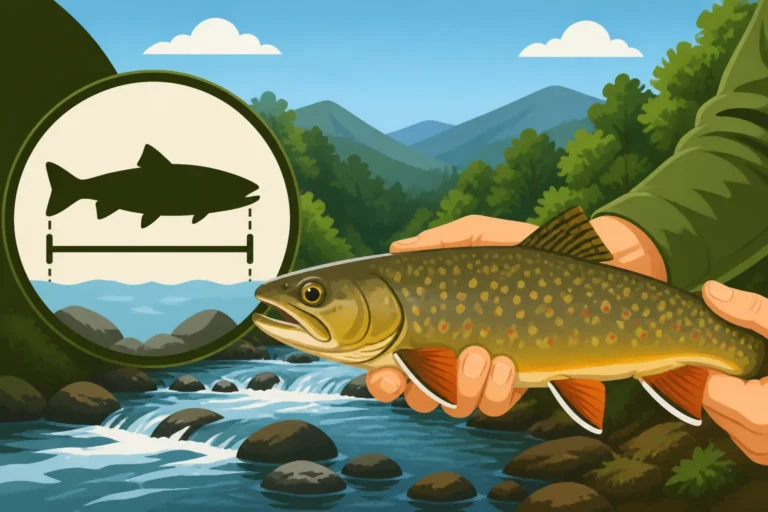
When a stream has a minimum size limit, accurate measurement is crucial. Here's how to do it correctly:
- Use a Reliable Measuring Device: Carry a flexible tape measure or a rigid ruler specifically designed for fish. Many anglers attach a stick-on ruler to their net handle or boat for quick access. You can find durable, waterproof measuring tapes on sites like Amazon that are perfect for this.
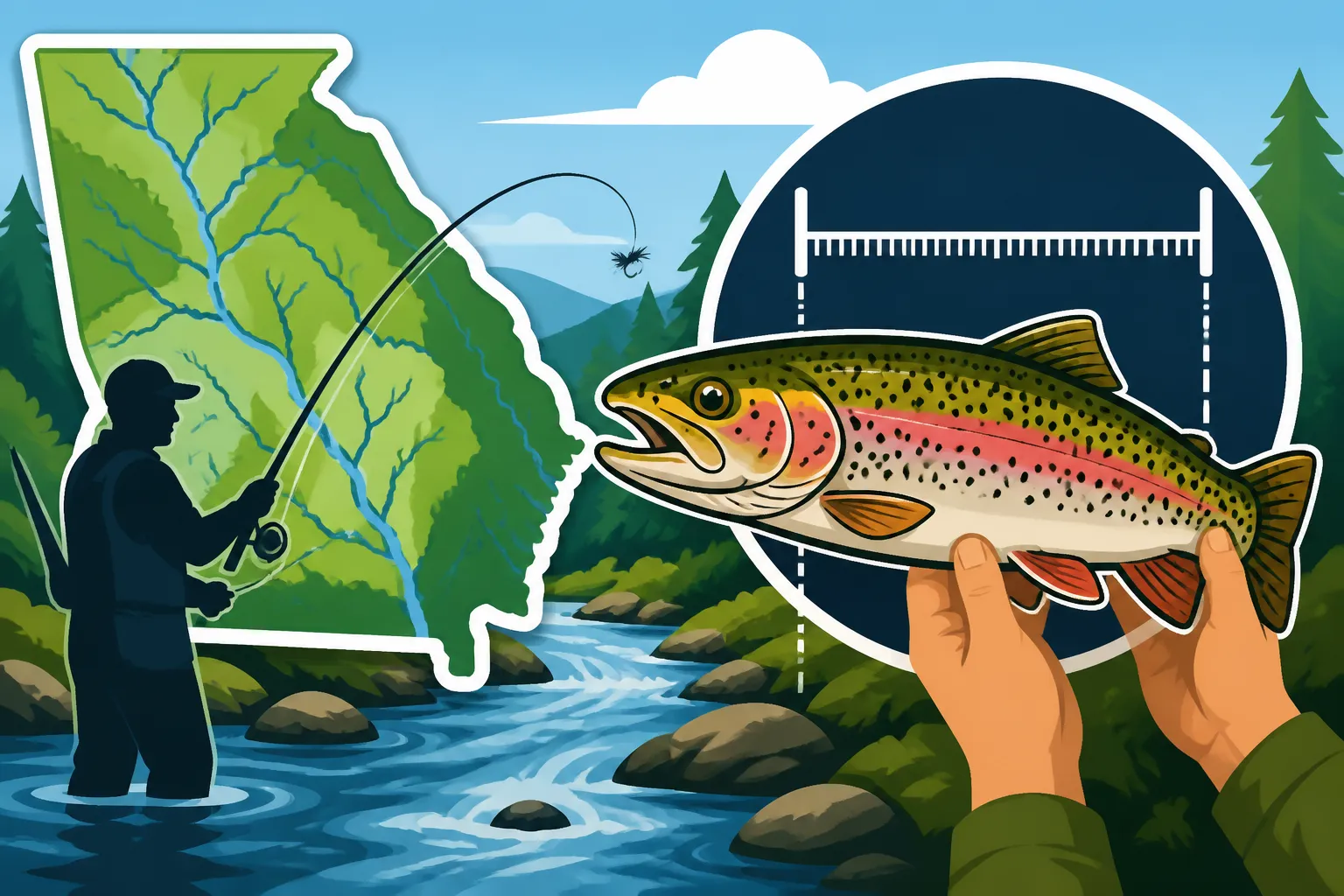
- Measure from Tip to Tip: In Georgia, length is generally measured from the tip of the snout to the tip of the caudal (tail) fin, with the tail compressed. Lay the fish flat on the measuring device, ensuring its mouth is closed against the zero mark.
- Handle Fish Gently: Wet your hands before handling the fish to protect its slime coat. Avoid squeezing or putting fingers in the gills. Measure quickly and return the fish to the water as soon as possible. If the fish is clearly too small or clearly a trophy keeper, don't prolong its time out of the water just for a perfect photo. A quick measurement is better for the fish.
Proper Catch and Release Techniques
For those fish that don't meet the size limit, or when fishing catch-and-release only waters, practicing proper techniques ensures their survival and contributes to a healthy fishery.
- Minimize Air Exposure: Keep the fish in the water as much as possible. Unhook it while it's still submerged if you can.
- Use Barbless Hooks: Barbless hooks, or hooks with crushed barbs, are much easier to remove and cause less damage to the fish. Many special regulation streams require artificial lures with single, barbless hooks.
- Use a Net: A rubberized, knotless net can help land fish quickly and minimize scale and slime damage. It also provides a safe way to hold the fish in the water while you remove the hook.
- Revive the Fish: If the fish seems stressed, hold it gently in the current, facing upstream, until it can swim away under its own power. Don't simply toss it back; make sure it's vigorous enough to survive. This is particularly important for techniques on "How to Catch and Release Trout Properly."
What to Do If You're Unsure
Let's be honest, sometimes you're just not sure about the regulations for a specific stretch of water. It happens to the best of us. In such situations, the safest and most ethical approach is to practice catch-and-release. If you're genuinely uncertain about a size limit or creel limit, releasing the fish ensures you won't unintentionally break any rules. It's better to be overly cautious than to face a citation. A quick check of the current Georgia Fishing Regulations Explained or a call to the Georgia DNR can clear up any doubts.
Staying Informed: Your Best Defense Against Violations
Regulations aren't static. They can change from year to year, or even mid-season if specific conditions warrant it. Relying on outdated information is one of the quickest ways to find yourself in trouble.
Consulting the Official Georgia DNR Guide
The absolute best and most reliable source for current trout stream size limits and all other fishing regulations in Georgia is the official annual Georgia Sport Fishing Regulations guide published by the DNR Wildlife Resources Division. This guide is available both online on the Georgia DNR website and often in print at sporting goods stores, bait shops, and Georgia License Agents Near You. Before every fishing season, or even a trip to a new area, make it a habit to download or pick up the latest copy. It will contain all the details, including maps of special regulation areas and a comprehensive "Georgia Fishing License Guide."
Checking for Updates and Alerts
Beyond the annual guide, the DNR sometimes issues in-season updates or alerts, especially concerning specific streams or temporary closures due to environmental factors. Their website is the primary place for these announcements. Signing up for email newsletters from the Georgia DNR or following their social media channels can also help you stay informed about any critical changes that might affect your fishing plans. You might also find valuable insights in articles discussing the "Georgia Trout Stocking Schedule," as management decisions are often intertwined.
Utilizing Online Resources and Community Forums
While official sources are paramount, online fishing forums and local fishing groups can also be valuable resources for asking questions and gaining local knowledge. However, always cross-reference any information you receive from unofficial sources with the official DNR regulations. Anglers on these platforms might share personal experiences or interpretations that, while well-intentioned, could be inaccurate or outdated.
Being well-informed about Georgia's trout stream size limits by creek not only helps you avoid legal trouble but also contributes to the sustainability of our incredible trout fisheries. Every angler plays a role in conservation, and knowing and following the rules is foundational to that responsibility.
Disclaimer
Please note that fishing regulations, including size and creel limits, can change. The information provided in this guide is for general informational purposes only and is based on commonly accepted regulations at the time of writing. It is the responsibility of every angler to consult the most current official Georgia Department of Natural Resources (DNR) Wildlife Resources Division fishing regulations guide before engaging in any fishing activity. Failure to do so may result in legal penalties.