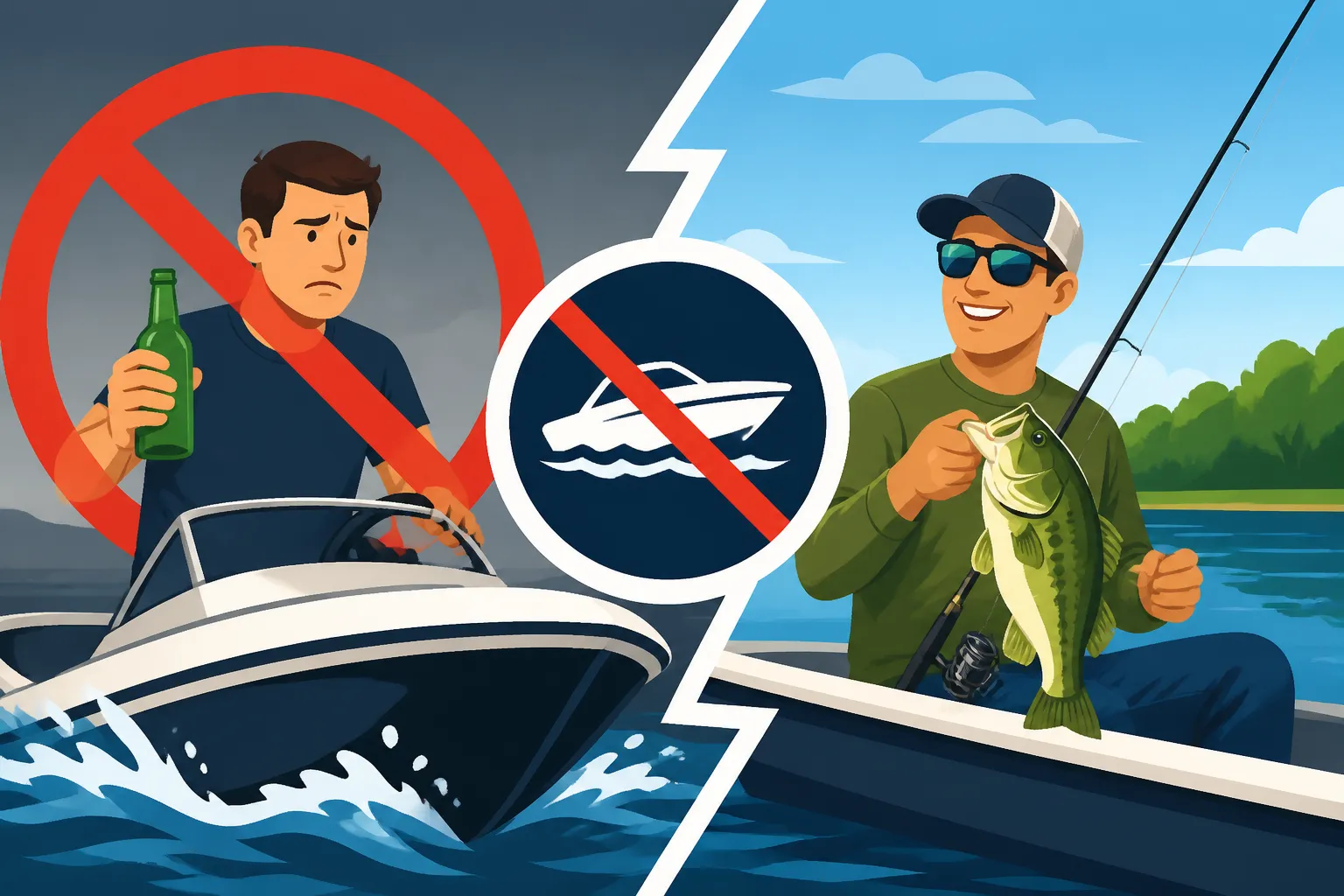
Georgia BUI Blood Alcohol Limit for Boaters
There's nothing quite like a beautiful day out on Georgia's lakes and rivers, enjoying the sunshine, the breeze, and the thrill of a good catch. But amidst all that relaxation and fun, it's easy to forget that the same rules that apply to driving a car on land largely apply to operating a boat on the water, especially when it comes to alcohol. Many anglers find themselves caught off guard, facing serious consequences for Boating Under the Influence (BUI). This guide is here to unravel the complexities of Georgia's BUI laws, specifically focusing on the blood alcohol limit for boaters, so you can enjoy our stunning waterways responsibly and stay safe.
Understanding Georgia's BUI Laws for Boaters
It’s a common misconception that boating laws are somehow more relaxed than driving laws. While the scenery might be different, the seriousness of operating a vessel while impaired is absolutely the same. Georgia's BUI laws are designed to keep everyone safe on our lakes, rivers, and coastal waters, and they carry significant penalties for those who choose to ignore them. Just like a DUI on the road, a BUI on the water means operating a vessel while under the influence of alcohol, drugs, or any combination of substances to the extent that your judgment is impaired.
What "Operating a Vessel" Really Means
When we talk about "operating a vessel" in the context of Georgia's BUI laws, it's broader than you might think. It doesn't just apply to the person actively steering a motorboat. The law considers "operating" to include being in actual physical control of any vessel, whether or not the engine is running or the sails are up. This means if you're anchored, adrift, or even just sitting in your boat with the keys in the ignition (or propeller in the water, so to speak), you could still be considered "operating" it under the law.
This definition covers a wide array of watercraft, from powerful bass boats zipping across Lake Lanier to pontoon boats cruising on Lake Oconee, personal watercraft (PWCs) like jet skis, and even non-motorized vessels like kayaks and canoes if you are "in control" of them and impaired. While it's less common to see BUI charges for a paddle boat, the intent of the law is clear: if you are responsible for the safe navigation and control of a vessel, you must be sober. This means that even if you've decided to pull your boat up on a sandbar for a swim, but you still have immediate access and control, you're technically still "operating" that vessel. It's a critical distinction to remember before you even think about having that second beer on the water.
The Legal Limit: Blood Alcohol Content (BAC)
Here's where many people get tripped up. The blood alcohol content (BAC) limit for boaters in Georgia mirrors that of drivers on the road. For individuals 21 years of age and older, the legal BAC limit is 0.08 grams. This is a critical number to remember, as exceeding it, even slightly, can lead to a BUI charge, regardless of whether you feel impaired.
For those under 21, Georgia has a strict "zero tolerance" policy. If you are under 21 and found to be operating a vessel with a BAC of 0.02 grams or more, you can be charged with BUI. This significantly lower threshold reflects the state's commitment to preventing underage drinking and boating, recognizing that any amount of alcohol can impair a young person's judgment and reaction time. It's not just about how many drinks you've had; it's about your body's specific response to alcohol, which can vary wildly based on weight, gender, metabolism, and even how much you've eaten. The best practice, honestly, is just to avoid alcohol entirely if you're going to be at the helm.
The Dangers of Boating Under the Influence
It's easy to feel invincible out on the open water. The sun is shining, the fish are biting, and the breeze is refreshing. But that feeling can lead to complacency, especially when alcohol is introduced. The dangers of BUI are very real, and they extend far beyond just legal penalties. They can lead to devastating accidents, injuries, and even fatalities, not just for you but for your passengers and other boaters on the water.
Impaired Judgment and Reaction Time
Alcohol, even in small amounts, can profoundly affect your ability to operate a vessel safely. Think about it: boating requires quick decisions, sharp vision, and precise coordination. You need to constantly monitor your surroundings, read water conditions, navigate around other boats, and be ready to react to sudden changes – like a rogue wave or another boater making an unexpected turn. How Water Temperature Changes Affect Fish Behavior is something you might be paying attention to for fishing, but your own internal temperature and chemical changes are far more critical for safety!
When you're under the influence, your judgment becomes clouded. Your ability to gauge distance, speed, and even the intentions of other boaters diminishes. Your reaction time slows down significantly, meaning those crucial seconds you need to avoid a collision or help someone who falls overboard are lost. Peripheral vision can narrow, and your ability to process multiple pieces of information at once (like monitoring gauges, watching for debris, and steering) takes a serious hit. What might seem like a minor impairment on land can become a life-threatening hazard on the water, where conditions are constantly shifting and there's no solid ground to brace against.
Increased Accident Risk
The combination of sun, wind, waves, and alcohol creates a dangerous phenomenon often referred to as "boater's hypnosis." These environmental factors, combined with the rocking motion of a boat, amplify the effects of alcohol, making a person feel more intoxicated more quickly than they would on land. It’s a sneaky thing, slowly dulling your senses and making you think you're perfectly fine when you're anything but. This accelerated impairment drastically increases the risk of accidents.
BUI is a leading factor in boating accidents, often contributing to collisions, groundings, capsizing, and falls overboard. Imagine trying to navigate through a busy channel on Lake Lanier after a few drinks, or safely dock your boat at a crowded ramp at Lake Oconee. Even simple tasks become exponentially more challenging and dangerous. The ability to quickly and accurately perform essential boating maneuvers, from docking to emergency stops, is severely compromised. This isn't just about avoiding a ticket; it's about preventing tragedies. Ensuring you have a Safety Gear Checklist for a Day on Lake Lanier is important, but being sober is the ultimate safety measure.
Penalties for a Georgia BUI Offense
Nobody wants to face legal trouble, and the penalties for a BUI in Georgia are severe and long-lasting. They're designed not just to punish, but to deter dangerous behavior on our waterways. Understanding these consequences is a powerful motivator for making responsible choices.
First-Time Offender Penalties
For a first-time BUI offense in Georgia, you're looking at a range of serious penalties. While specific figures can vary, generally you can expect substantial fines. These aren't just a slap on the wrist; they can hit your wallet hard. Beyond the financial impact, you could face jail time. Even if it's a short period, the experience of being incarcerated is a stark reminder of the gravity of the offense. Your privilege to operate a vessel could be suspended, meaning no boating for a significant period. Imagine not being able to enjoy your favorite fishing spots for months or even a year! You might also be required to complete mandatory BUI alcohol and drug risk reduction programs, which involve time, effort, and additional costs. In some cases, community service is also mandated.
The impact isn't just immediate. A BUI conviction goes on your record, which can affect future employment, insurance rates, and even your ability to travel internationally. It’s a permanent mark that can follow you. The financial costs quickly add up from fines, court fees, program costs, and potential legal representation. It's far more expensive than hiring a designated driver or simply enjoying non-alcoholic beverages. Georgia BUI Penalties for First-Time Offenders further details these consequences.
Subsequent Offenses and Aggravated BUI
If you're caught with a BUI after a previous conviction, the penalties become significantly harsher. Georgia law takes repeat offenders very seriously. Fines increase dramatically, jail time can be much longer, and your boating privileges could be suspended for extended periods, or even permanently revoked. The court may also require an ignition interlock device on your vehicle (even if the offense was on a boat), reflecting the serious nature of the offense and the state's desire to prevent any impaired operation, whether on land or water.
Furthermore, if your BUI involves aggravating circumstances, such as causing property damage, serious injury, or, tragically, a fatality, the charges elevate to felony offenses. These carry the most severe penalties, including lengthy prison sentences and massive fines, as well as lifelong consequences. It’s vital to understand that Is Boating Under the Influence a Crime in Georgia? Yes, absolutely, and it's treated with the same severity as driving under the influence.
Here's a quick overview of how the BAC limits stack up:
| Category | Legal Blood Alcohol Limit (BAC) | General Consequences (First Offense) |
|---|---|---|
| Adults (21 and older) | 0.08 grams | Significant fines, potential jail time, license suspension, mandatory education. |
| Under 21 (Zero Tolerance) | 0.02 grams | Fines, potential jail time, license suspension, mandatory education. |
| Commercial Operators | 0.04 grams | Stricter penalties due to professional responsibility, commercial license revocation. |
How Law Enforcement Detects and Enforces BUI
It's natural to wonder how BUI is actually enforced on the water. Unlike roads, there aren't traditional traffic stops. However, law enforcement agencies like the Georgia Department of Natural Resources (DNR) have well-established protocols for detecting and enforcing BUI laws. They are highly trained and constantly patrolling our waterways.
Routine Checks and Observation
DNR officers and other law enforcement personnel are regularly out on patrol, looking for anything that indicates unsafe boating practices. This could be anything from erratic driving, speeding in a no-wake zone, improper navigation, or even just observing behavior that seems out of the ordinary. They're trained to spot the signs of impairment. If an officer observes your vessel operating in an unsafe manner, or if you violate a boating regulation (like speeding, improper lookout, or not having the required safety equipment, which you can find at places like Bass Pro Shops or on Amazon), it gives them probable cause to stop you.
Once stopped, they'll interact with you, and their observations will continue. Are your eyes bloodshot? Is there a smell of alcohol? Are you fumbling with your identification? These observations, combined with any boating infractions, can quickly lead to suspicion of BUI. Just like on land, they are looking for specific cues that indicate impairment.
Field Sobriety Tests on Water
If an officer suspects you're under the influence, they may ask you to perform field sobriety tests. These tests are challenging enough on solid ground, but they become even more difficult on the unstable surface of a boat. While some land-based tests might be adapted, officers often use specific tests designed for the marine environment, such as finger-to-nose, reciting the alphabet, or tasks that assess coordination and balance. The inherent instability of a boat can make these tests particularly hard to pass, even for a sober person, but officers are looking for specific indicators of impairment, not just general clumsiness.
Refusing these tests can have consequences, as Georgia operates under an "implied consent" law. This means that by operating a vessel on Georgia waters, you implicitly consent to chemical testing (breath, blood, or urine) if an officer has reasonable grounds to believe you are under the influence.
Chemical Tests: Breath, Blood, and Urine
If the field sobriety tests or the officer's observations lead them to believe you are impaired, they will likely request a chemical test. This is typically a breath test administered with a handheld device, but could also be a blood or urine test. These tests are designed to accurately measure your BAC.
Refusing a chemical test under Georgia's implied consent law can lead to immediate and severe penalties, including the suspension of your boating privileges, even if you are ultimately found not guilty of BUI. It's a tough situation, but understanding the law beforehand is key. If you're wondering What happens if you get a BUI in Georgia, know that test refusal will be a significant part of the legal process. Always be respectful and cooperative with law enforcement, but also be aware of your rights.
Staying Safe and Responsible on the Water
The best way to avoid a BUI is simple: don't drink and boat. But we all know life isn't always that black and white. So, if you plan to have alcohol on your vessel, a responsible strategy is absolutely essential.
Designating a Sober Operator
This is perhaps the most effective strategy. Just like having a designated driver for your car, designate a sober boat operator. This person should commit to not consuming any alcohol or impairing substances and be responsible for operating the vessel safely for the entire outing. Make this decision before you even leave the dock. Ensure everyone on board understands and respects this plan. This designated operator should also understand all the Georgia Fishing Regulations Explained and be ready to navigate responsibly. This simple act of planning can make all the difference in ensuring a safe and enjoyable trip for everyone.
Alternatives to Alcohol and Hydration
There's no rule that says fun on the water requires alcohol. Stock your cooler with plenty of delicious non-alcoholic alternatives like sparkling water, iced tea, juice, or sodas. Staying hydrated is crucial when you're out in the sun and heat anyway. Dehydration can mimic the effects of alcohol, causing fatigue and impaired judgment, so keeping a steady supply of water is always a good idea. Consider grabbing a sturdy cooler from Bass Pro Shops and loading it up with plenty of ice and water for your trip.
If you or your passengers do choose to drink, do so in moderation, and always ensure your designated operator remains completely sober. Enjoy the beautiful Best Fishing Spots in Georgia responsibly!
Understanding the "Boater's Hypnosis" Effect
We talked about boater's hypnosis earlier, but it bears repeating because it's so sneaky. The constant motion, glare of the sun, wind, and engine vibration can cause fatigue and dull your senses, even without alcohol. When you add alcohol into that mix, these effects are significantly amplified. What feels like a slight buzz on land can become dangerous impairment on the water much faster.
Be mindful of how you're feeling throughout the day. Take breaks from the sun, drink plenty of water, and if you start to feel tired or sluggish, it's time to take a break from boating. Remember, Can Passengers Drink on a Boat in Georgia? Yes, passengers can drink responsibly, but the operator cannot be impaired. It's vital for everyone's safety that the person at the helm is sharp, attentive, and completely sober from start to finish. Ensuring you have sufficient How Many Life Jackets Do You Need on a Boat in Georgia for everyone is also part of being a responsible boater. Staying aware of your body's response to the environment and any substances you consume is key to a safe day on the water.
Disclaimer
This article is for general informational purposes only and does not constitute professional advice. Laws, prices and regulations vary by location and change over time. Consult a qualified professional for guidance on your specific situation.