Coast Guard-Approved Life Jackets for Georgia Boaters
One of the most common worries I hear from fellow anglers, especially those with families or folks new to boating, is about staying safe on the water. It’s not just about knowing how to fish, but knowing how to come home safe and sound at the end of the day. A big part of that peace of mind, and frankly, a legal requirement in our beautiful state of Georgia, boils down to having the right life jackets on board. This guide will walk you through everything you need to know about Coast Guard-approved life jackets, helping you understand the different types, what each is designed for, and how to choose the best ones to keep you and your loved ones safe while enjoying Georgia's incredible waterways.
Why Coast Guard Approval Matters (and What It Means for You)
When you're out on Lake Lanier, cruising the coast near Brunswick, or paddling a quiet North Georgia trout stream, the last thing you want to worry about is whether your safety gear will actually perform when you need it most. That's why Coast Guard approval isn't just a suggestion; it's a fundamental requirement and a promise of reliability. It means a piece of equipment has been rigorously tested and certified to meet stringent safety standards. Without that approval, you’re not just potentially risking your safety, you're also likely breaking the law.
The Gold Standard of Safety: What CG-Approved Means
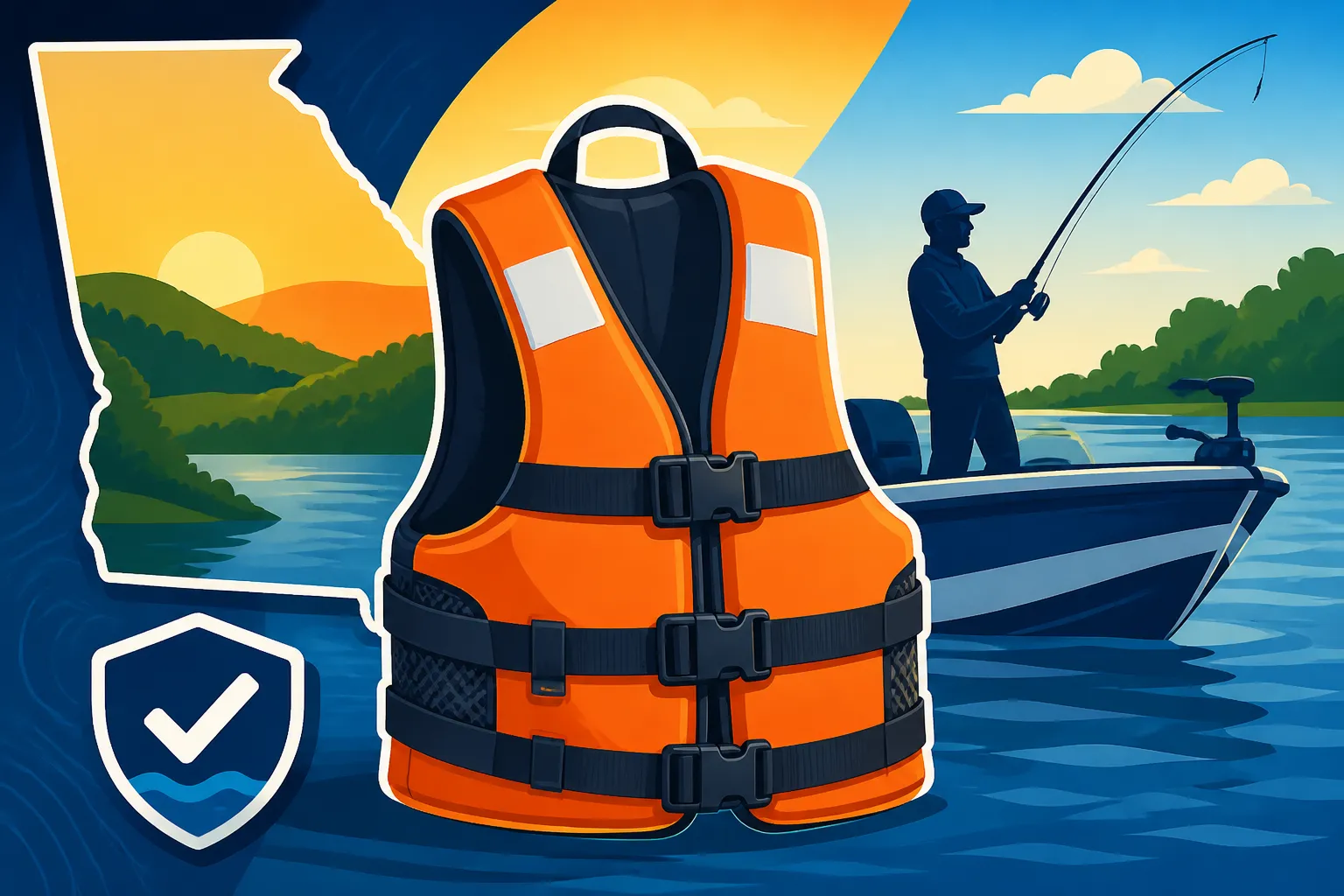
Think of Coast Guard approval as the ultimate seal of approval for a life jacket. It's not just a brand name or a marketing gimmick; it signifies that the device has passed a battery of tests for buoyancy, material strength, performance in water, and proper labeling. This testing process ensures that if you end up in the water unexpectedly, that life jacket will do its job: keep you afloat and ideally help turn you face-up. It's about a consistent, measurable standard of safety that you can trust, regardless of where or when you bought it.
When you're looking at life jackets, you'll see a label inside that explicitly states "US Coast Guard Approved." This label will also detail the type of PFD (Personal Flotation Device) it is, its intended use, and even the weight range it’s designed for. Taking a moment to read this label is crucial because it tells you exactly what that specific life jacket is capable of and for whom it's suitable. Don't ever assume a jacket is approved just because it looks sturdy or comes from a well-known brand; always check for that official certification.
The Legal Lowdown: Why It's Non-Negotiable in Georgia
Beyond the obvious safety benefits, having Coast Guard-approved life jackets is a legal mandate for anyone operating a vessel on Georgia's waters. The Georgia Department of Natural Resources (DNR) enforces these regulations to ensure everyone's safety. If you're stopped by a game warden or marine patrol and your life jackets aren't up to snuff, you could be facing fines, which can quickly put a damper on your fishing trip. It’s not just about having a life jacket; it's about having the right type and number of approved life jackets readily accessible for everyone on board.
The specific rules can sometimes feel a bit like reading a legal textbook, but the core message is clear: every vessel must have at least one wearable, Coast Guard-approved life jacket for each person on board. If your boat is 16 feet or longer (excluding canoes and kayaks), you also need one throwable Type IV device. For kids, the rules are even stricter, requiring them to wear a life jacket at all times under certain conditions. Ignoring these rules isn't just an oversight; it's a direct violation that carries consequences, and more importantly, it leaves you vulnerable if an accident occurs. You can find more detailed information on specific regulations in our guide, Georgia Life Jacket Laws for Boaters and Kids.
Understanding Life Jacket Types (and Which One is Right for Your Adventure)
It can be a little overwhelming when you start looking at life jackets, seeing all the different "Types" – I, II, III, IV, V. It's not just a random numbering system; each type is specifically designed for different situations and levels of buoyancy. Knowing the difference is key to picking the right one for your specific fishing or boating plans, whether you're tackling big water or just hanging out in a quiet cove.
Type I: Offshore Wonders for Serious Situations
Type I PFDs are your heavy-duty, offshore life jackets. These are designed for rough, remote waters where rescue might be delayed. They provide the most buoyancy, typically 22 pounds or more, and are engineered to turn most unconscious wearers face-up in the water. They're bulky, yes, but that bulk comes with maximum safety.
While you might not need a Type I for a calm day on Lake Oconee, they are absolutely essential for serious offshore fishing adventures out in the Atlantic, where conditions can change rapidly and help might be a long way off. If you're heading far from shore or planning to brave choppier waters, a Type I is your best bet for ensuring survival until help arrives. They're often bright orange or yellow for high visibility, which is another crucial feature when you're in open water.
Type II: Near-Shore Versatility and General Use
Type II PFDs, often called "near-shore buoyant vests," are probably the most common type you'll encounter. They offer at least 15.5 pounds of buoyancy and are designed for calm, inland waters where rescue is likely to be quick. While they might turn an unconscious wearer face-up, it's not guaranteed, especially if the person is heavy or in unusual positions.
These are the go-to jackets for many recreational boaters and anglers on Georgia's larger lakes and rivers like the Chattahoochee or the Savannah. They're less bulky than Type Is, making them more comfortable for extended wear. They’re a great general-purpose option for a wide range of activities, offering a good balance of safety and comfort. Many of the multi-packs you find at places like Bass Pro Shops or Amazon will be Type IIs.
Type III: Flotation Aids for Active Anglers
Type III PFDs, or "flotation aids," are what many active anglers and watersports enthusiasts prefer. They provide the same minimum buoyancy as Type IIs (15.5 pounds), but they prioritize comfort and wearability. They come in various styles, including fishing vests with pockets, and are designed to allow for a full range of motion. The trade-off is that they are not designed to turn an unconscious wearer face-up. You have to actively tilt your head back to stay upright.
If you're casting all day, paddling a kayak, or reeling in a big striped bass on Lake Hartwell, a Type III is often the most practical choice. Its comfort encourages constant wear, which is ultimately the safest option. Just remember its limitation: if you’re rendered unconscious, you might not automatically float face-up. So, if you're alone or in conditions where consciousness might be compromised, a Type II or I might be a better choice. For many of us, though, who are actively fishing and staying alert, the comfort of a Type III means we're more likely to wear it, and a PFD worn is infinitely better than one stowed away.
Type IV: Throwable Devices: Your Backup Plan
Type IV PFDs are throwable devices, not meant to be worn. These are things like buoyant cushions or ring buoys. They offer at least 16.5 pounds of buoyancy and are designed to be thrown to someone who has unexpectedly fallen overboard. They are a critical piece of safety equipment, especially for boats 16 feet or longer.
Having a Type IV device immediately accessible on your boat is a legal requirement and a smart safety practice. Imagine a friend slipping on a wet deck and falling into the current of the Flint River – a quick, accurate toss of a buoyant cushion could be a lifeline. They are not a substitute for wearable life jackets, but rather an important supplement. Remember, they must be in good, serviceable condition and easy to reach.
Type V: Special Use Jackets: Innovation Meets Specific Needs
Type V PFDs are "special use devices." These are designed for specific activities and often combine the features of other types but with added functionalities. They include things like deck suits, work vests, whitewater rafting vests, and even some inflatable PFDs. For a Type V to be Coast Guard-approved, it must be worn for its intended use and have its approval label specify what activity it's for.
Many anglers gravitate towards Type V PFDs, especially the inflatable varieties. These are incredibly comfortable because they are often very low-profile until inflated, either manually or automatically upon immersion in water. They offer excellent buoyancy once deployed, usually equivalent to a Type II or Type III. However, they require careful maintenance and inspection, and you must understand how they operate. For instance, the approval often specifies that they must be worn to count towards your vessel's PFD requirements. If you're looking for ultimate comfort for long days on the water, whether fishing for bass or crappie, an inflatable Type V could be a game-changer, but be sure to understand its specific requirements and always check the CO2 cartridge.
Here's a quick overview of the different types:
| PFD Type | Description & Buoyancy | Intended Use | Pros | Cons |
|---|---|---|---|---|
| Type I | Offshore Life Jacket (22+ lbs) | Offshore, rough, remote waters where rescue is delayed. | Maximum buoyancy, designed to turn unconscious wearer face-up. | Bulky, less comfortable for continuous wear. |
| Type II | Near-Shore Buoyant Vest (15.5+ lbs) | Calm, inland waters where quick rescue is likely. | Good general-purpose, less bulky than Type I. | May not turn unconscious wearer face-up reliably. |
| Type III | Flotation Aid (15.5+ lbs) | Calm, inland waters, active sports, continuous wear. | Comfortable, good for mobility, wide variety of styles. | Not designed to turn unconscious wearer face-up. |
| Type IV | Throwable Device (16.5+ lbs) | For someone in the water (not worn). | Quick rescue aid. | Not a substitute for wearable PFDs, must be actively held onto. |
| Type V | Special Use Device (Varies) | Specific activities (kayaking, sailing, work vests), often inflatables. | High comfort (especially inflatables), activity-specific features. | Must be worn for specific use to be approved, requires maintenance. |
Choosing the Right Life Jacket for Your Georgia Fishing Style
Georgia offers such diverse fishing environments, from the vast expanses of Lake Seminole to the narrow, swift flows of the Toccoa River. Your fishing style and chosen waterway should absolutely dictate the kind of life jacket that's best for you and your crew. What works for a bass tournament angler might not be ideal for a family picnic by the lake.
For the Lake Lanier Bass Angler
If you're a serious bass angler hitting reservoirs like Lake Lanier, Lake Sinclair, or Clarks Hill Lake, you're likely spending long hours casting, moving, and possibly even running your boat at higher speeds. Comfort and freedom of movement are paramount, but so is robust protection in case of a sudden accident, especially when navigating choppy water or boat wakes.
Many professional and serious amateur bass anglers gravitate towards inflatable Type V PFDs. These are incredibly lightweight and low-profile, often resembling a small collar or belt pack. They stay out of your way while you're casting, flipping, and pitching, providing maximum mobility. When activated (either automatically or manually), they inflate rapidly to provide significant buoyancy, often equivalent to a Type II or III. Brands like Onyx and Mustang Survival make excellent inflatable options you can find at Bass Pro Shops or on Amazon. Just remember, these require regular checks of the CO2 cartridge and service indicators to ensure they're ready when needed. If inflatables aren't your style, a comfortable Type III fishing vest with plenty of pockets for tackle can also be a fantastic choice, allowing you to keep essentials close at hand while staying safe.
For the Kayak Adventurer on the Toccoa River
Kayaking on a beautiful river like the Toccoa, or any of Georgia's smaller streams, presents a unique set of needs. You need a life jacket that won't impede your paddle stroke, won't chafe, and will keep you comfortable for hours. While you might not be going at high speeds, the risk of capsizing is always present, especially in rapids or tight turns.
For kayak anglers, a Type III PFD specifically designed for paddle sports is almost always the best choice. These vests often have higher backs to accommodate kayak seats, larger armholes for unrestricted paddling, and sometimes even reflective piping for visibility. They offer good buoyancy and are built for all-day comfort. Brands like NRS or Old Town offer excellent paddle-specific PFDs. The key here is fit – you want it snug enough not to ride up, but not so tight that it restricts breathing or movement. Since you're often in moving water, wearing your PFD at all times is non-negotiable. Our guide, Kayak Fishing Gear Guide for Beginners, can offer more insights into selecting the right gear.
For Family Outings and Kids on Lake Oconee
Taking the family out on the boat for a day of fun and perhaps some light fishing on Lake Oconee or any of Georgia’s family-friendly lakes means a focus on simple, reliable safety for everyone, especially the little ones. Kids, by law, have specific requirements, and even adults might prefer something easy to wear and maintain.
For adults, Type II PFDs are a great general-purpose choice for family boating. They’re relatively inexpensive, easy to don, and provide reliable buoyancy in calm waters. For children, it’s absolutely critical that they wear a Coast Guard-approved life jacket that fits them properly at all times while the vessel is underway. Georgia law requires children under 13 to wear a PFD when on any vessel on Georgia waters. Look for child-specific Type II or Type III PFDs with features like crotch straps (to prevent the jacket from riding up over their head) and grab handles for easy retrieval. The most important thing for kids is fit and comfort; if it's uncomfortable, they'll fight wearing it. Let them pick a color they like to encourage them to keep it on. You can learn more about specific requirements in Life Jacket Requirements for Kids Under 13 in Georgia.
For the Serious Offshore Saltwater Enthusiast
When you're venturing out into the vast Atlantic, perhaps chasing redfish or tarpon off the Golden Isles or further offshore, the stakes are higher. Distances from shore are greater, weather can be more unpredictable, and rescue times can be significantly longer. This environment calls for maximum protection.
For serious offshore saltwater fishing, Type I PFDs are the gold standard. Their superior buoyancy and ability to turn an unconscious person face-up are critical when you're many miles from land. While they are bulkier, the peace of mind they provide in potentially life-threatening situations is priceless. Many offshore PFDs also come with reflective tape, whistles, and even lights for enhanced visibility, which are crucial in a true emergency. If you're a strong swimmer and want more mobility, a high-buoyancy Type V inflatable designed for offshore use could also be an option, but ensure it's specifically rated for offshore conditions and that you are diligently maintaining it.
Important Considerations Beyond Just the Type
Beyond selecting the correct Coast Guard-approved type, there are several other critical factors that often get overlooked when choosing life jackets. These details can significantly impact comfort, effectiveness, and how long your PFD will actually last. Investing in a life jacket isn't just about meeting a legal requirement; it's about making a personal commitment to safety.
Fit and Comfort: The Key to Wearing It
A life jacket is only effective if you wear it. And if it's uncomfortable, itchy, too loose, or too tight, you're far less likely to keep it on. This is especially true for long days of fishing or boating. A properly fitting life jacket should feel snug but not restrictive. It shouldn't ride up around your ears when you lift your arms, and it shouldn't allow you to slip out of it.
To test the fit, put the life jacket on and make sure all zippers, buckles, and straps are fastened. Then, have someone gently pull up on the shoulders of the jacket. If it slides up past your ears, it's too big and won't keep your head out of the water. For children, this test is even more critical. Pay attention to the weight range specified on the Coast Guard approval label – it's there for a reason! Different brands and styles fit differently, so don't be afraid to try on several until you find one that feels right. Even if you're buying online from Amazon, check their return policy and be prepared to exchange if the fit isn't perfect.
Maintenance and Inspection: Keeping Your Gear Shipshape
A life jacket isn't a "set it and forget it" piece of equipment. Like any safety gear, it needs regular care and inspection to ensure it remains in serviceable condition. Sun, salt, mildew, and general wear and tear can degrade materials over time, reducing buoyancy and structural integrity.
Before every outing, give each life jacket a quick once-over. Check for:
- Tears or rips: Even small ones can compromise buoyancy.
- Broken buckles or straps: These are crucial for proper fit and keeping the jacket on.
- Mildew or rot: This indicates material degradation.
- Faded colors: While not a safety issue, it can reduce visibility.
- Signs of waterlogging: Squeeze the flotation material; it should feel dry. If it's spongy or heavy, it might be waterlogged and has lost buoyancy.
For inflatable PFDs, inspect the CO2 cartridge, the inflation mechanism, and the outer shell. Make sure the indicator shows it's armed and ready. Always store life jackets in a dry, well-ventilated area, out of direct sunlight. Never use them as boat fenders or seat cushions, as this can compress the flotation material and reduce its effectiveness. Regular maintenance ensures that your investment in safety will be there for you when you need it most.
Inflatable vs. Inherently Buoyant: Pros and Cons
The choice between an inflatable PFD and an inherently buoyant (foam-filled) PFD is often a personal one, weighing comfort against simplicity and maintenance. Both can be Coast Guard-approved, but they operate differently.
Inherently Buoyant PFDs (Foam-Filled):
- Pros: Always float, no inflation required, minimal maintenance, generally less expensive, good for children and non-swimmers.
- Cons: Can be bulky, less comfortable for continuous wear, may restrict movement.
Inflatable PFDs (Type V):
- Pros: Extremely comfortable, low-profile, allows full range of motion, often higher buoyancy when inflated.
- Cons: Requires activation (manual or automatic), needs regular maintenance (CO2 cartridge checks, rearming kits), more expensive, not suitable for children under a certain weight (usually 80 lbs) or non-swimmers unless they understand how to use it, must be worn to count as a required PFD.
For an experienced angler who values comfort and isn't afraid of a little maintenance, an inflatable can be fantastic. For casual boaters, families with kids, or anyone who wants absolute simplicity, an inherently buoyant PFD is often the better, more reliable choice. Consider your comfort level with maintenance and your specific activities before making this choice.
Georgia's Life Jacket Laws: Stay Safe and Legal
Navigating the rules and regulations around life jackets in Georgia can sometimes feel like trying to land a trophy fish in heavy cover – tricky, but essential. Understanding Georgia's specific laws isn't just about avoiding a citation; it's about ensuring everyone on your boat, from the most seasoned angler to the youngest passenger, is protected. The Georgia Department of Natural Resources (DNR) takes boating safety seriously, and life jackets are at the core of their efforts.
Mandatory Wear Rules for Kids
This is one of the most critical rules in Georgia, and for good reason: children are often the most vulnerable aboard a boat. Georgia law requires that any child under 13 years of age must wear a Coast Guard-approved life jacket at all times while on board any vessel that is underway. "Underway" simply means the boat is not anchored, moored, or aground. This rule applies to all vessels, from a small fishing jon boat to a large pontoon.
There are no exceptions for strong swimmers or calm waters. It's a blanket rule designed to protect children from accidental falls overboard, even in seemingly safe situations. As a parent or guardian, it's your responsibility to ensure every child under 13 is properly fitted with and wearing their life jacket. This often means buying a specific child-sized PFD and ensuring it has features like a crotch strap to prevent it from slipping over their head in the water. For more details, refer to Life Jacket Requirements for Kids Under 13 in Georgia. It's a small inconvenience for potentially saving a life.
Requirements for All Vessels
Beyond the rules for children, all vessels operating on Georgia waters must carry at least one wearable, Coast Guard-approved life jacket for every person on board. This includes the operator, passengers, and any guests. Furthermore, if your boat is 16 feet or longer (excluding canoes and kayaks), you must also have at least one Type IV throwable device, such as a buoyant cushion or ring buoy, immediately available.
"Immediately available" means exactly that – not buried under tackle boxes, under a seat cushion, or locked away in a compartment. They need to be accessible within seconds in case someone falls overboard unexpectedly. It’s also important that all PFDs are in good, serviceable condition, meaning they are free from tears, punctures, or signs of decay. An old, damaged life jacket might not provide the necessary buoyancy, rendering it useless in an emergency. Regularly checking your PFDs is just as important as having them in the first place. You can find more comprehensive details on general requirements in How Many Life Jackets Do You Need on a Boat in Georgia.
Penalties for Non-Compliance
Ignoring Georgia's life jacket laws can lead to more than just a stern talking-to from a game warden. Violations can result in citations and fines, which can certainly put a damper on your fishing budget. The exact penalties can vary depending on the specific infraction and whether it's a first offense, but rest assured, they are enforced.
Beyond the financial penalty, the real cost of non-compliance could be far greater. In the event of an accident, not having proper life jackets could lead to serious injury or even fatality. It could also have legal ramifications regarding liability if an incident occurs and proper safety equipment was not provided or utilized. The laws are there for a reason – to prevent tragedies. So, before you cast off into the beautiful waters of Georgia, take a moment to double-check that every person has a properly fitting, Coast Guard-approved life jacket, and that you have the appropriate throwable device if required. It’s a simple step that provides invaluable peace of mind.
Disclaimer
This article is for general informational purposes only and does not constitute professional advice. Laws, prices and regulations vary by location and change over time. Consult a qualified professional for guidance on your specific situation.