Redfish Table Quality and Taste
Many anglers, especially those new to saltwater fishing in Georgia, often wonder if that hard-fighting redfish they just landed is actually good for the dinner table. You've heard the whispers, the strong opinions, and maybe even seen a few skeptical looks when someone mentions eating redfish. It's a valid concern – you put in the effort, battled the fish, and now you want to know if your culinary endeavors will be rewarded with a delicious meal or if you should stick to catch and release. This guide is here to cut through the noise and give you a realistic, no-holds-barred look at the table quality and taste of redfish, helping you decide whether to bring it home for dinner or send it back to swim another day.
What Exactly is Redfish?
Before we dive into the delicious details of redfish on the plate, it helps to understand a bit about this remarkable fish itself. Knowing where they live, what they eat, and their general characteristics can give you a lot of insight into their potential flavor profile.
A Coastal Georgia Icon
The red drum, more commonly known as redfish (or sometimes "spot-tail bass" or "red drum"), is a true superstar of Georgia's coastal waters. Instantly recognizable by its distinctive coppery red color and the tell-tale black spot (or sometimes multiple spots!) near its tail, this species is a favorite among anglers for its powerful fight and willingness to strike a variety of baits and lures. In fact, the redfish holds a special place in the state, recognized as Redfish: One of Georgia's Official State Fish. They can grow quite large, with some specimens reaching impressive sizes, though it's often the smaller, younger fish that are preferred for eating.
These fish are strong, resilient, and beautiful, making them a fantastic target for both recreational and serious anglers throughout the year. If you're looking to target them, understanding How to Identify a Redfish is crucial, especially given the various species that share similar habitats.
Habitat and Diet Influences
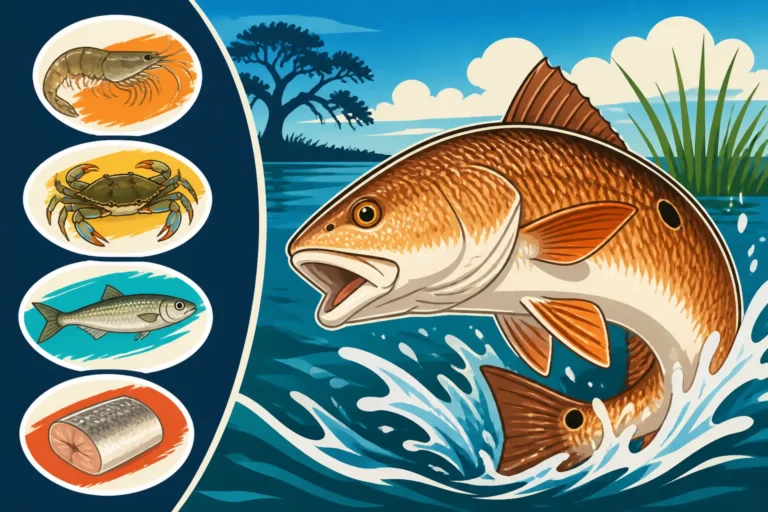
Redfish thrive in Georgia's intricate coastal environment, inhabiting shallow estuaries, vast salt marshes, oyster beds, and sandy flats. They are often found patrolling these areas, using their keen senses to forage for food. Their diet is primarily made up of crustaceans like shrimp and crabs, as well as smaller baitfish. This diet is a huge factor in their taste, contributing to the mild, sweet flavor many anglers rave about.
A redfish that spends its life rooting around in clean, sandy bottoms and feasting on fresh shrimp and crabs will undoubtedly taste different from one that might be found in a more brackish, muddy environment with a less diverse food source. These environmental factors are why you might hear varying opinions on redfish taste – it truly can depend on where and what the fish has been eating. Knowing this can help you anticipate the potential flavor of your catch.
The Great Debate: Does Redfish Taste Good?
This is the million-dollar question, isn't it? You've caught it, you've admired it, but now you're wondering if it's worth the kitchen cleanup. Let's settle this once and for all.
The Verdict: A Mild, Flaky White Fish (Usually)
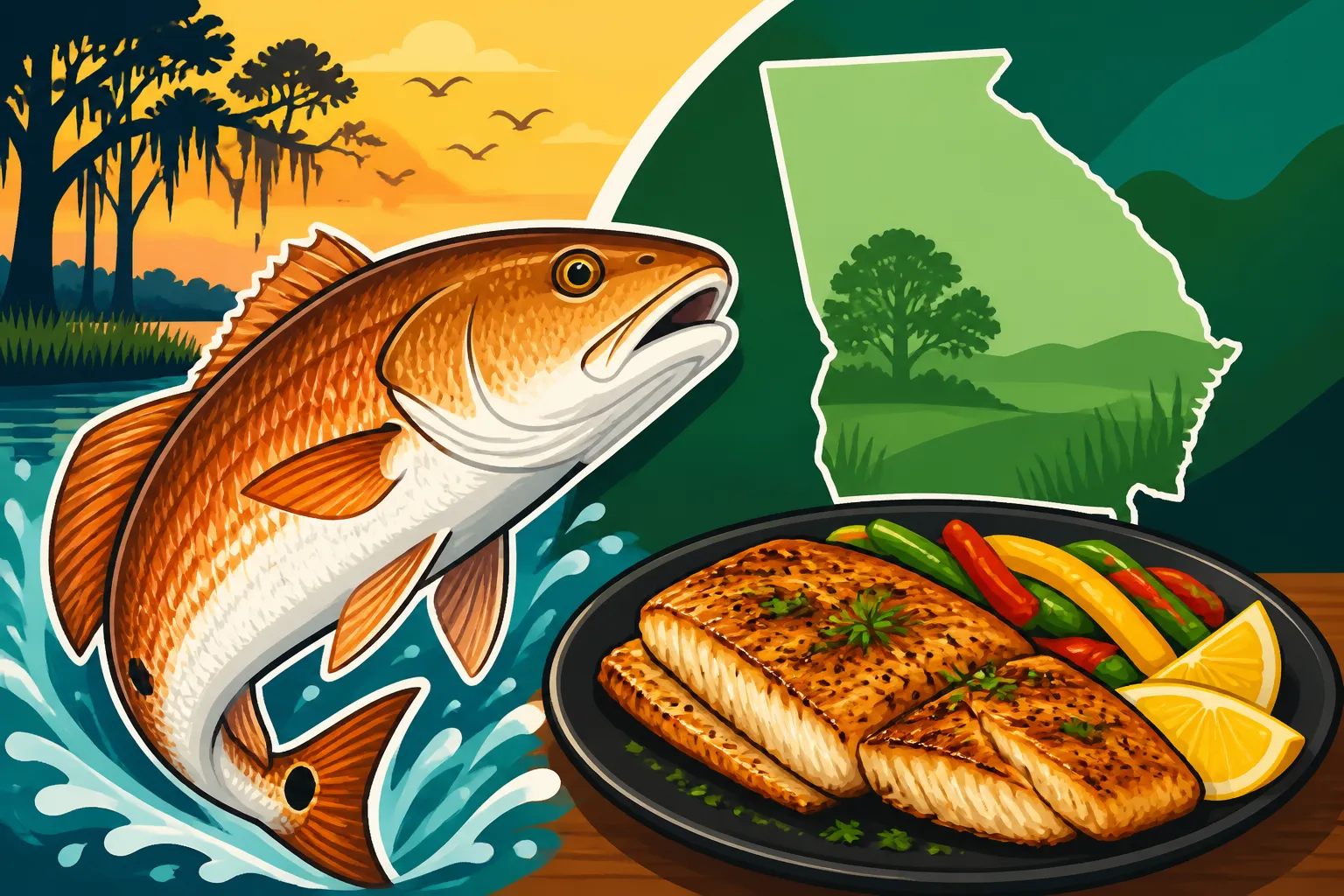
The short answer is a resounding yes, redfish can be absolutely delicious! When handled and cooked properly, especially the smaller, "slot" fish, redfish offers a wonderful culinary experience. It's generally considered a mild, slightly sweet white fish, with a clean flavor that isn't overly "fishy." The flesh is firm and has a beautiful, medium flake when cooked, making it very versatile for various recipes.
Think of it as a fish that can easily absorb the flavors you cook it with, rather than having an overpowering taste of its own. This makes it a fantastic canvas for everything from simple lemon-butter preparations to more robust Cajun or Creole spice blends. Many people compare its texture and mildness to snapper or even a leaner cut of grouper, making it highly desirable for the dinner table.
Common Misconceptions and Why They Exist
So, if redfish is so good, why do some people say it's "muddy," "gamey," or just not worth eating? There are a few key reasons for these less-than-stellar reviews:
First, poor handling is a major culprit. If a fish is caught and not immediately put on ice, or if it's left to flop around in a hot cooler, the quality of the meat will quickly deteriorate, leading to off-flavors. We'll dive more into proper handling later, but it's paramount.
Second, larger, older fish often have a stronger, more pronounced flavor and a tougher texture. These "bull reds," while a blast to catch, are generally not kept for eating in Georgia, and for good reason. Their meat can be coarse, and their diet may have included more scavenged items, contributing to a less desirable taste. A lot of the negative reputation of redfish comes from attempts to eat these older, larger specimens. This is why Georgia Fish Size and Creel Limits often have specific rules designed to protect these breeding fish and guide anglers toward keeping smaller, better-eating fish.
Finally, the specific environment and diet can also play a role. While most redfish from Georgia's coastal waters taste fantastic, a fish caught from a particularly murky, stagnant area might pick up some subtle flavors from its surroundings. However, with good handling, even these can often be mitigated.
Factors Influencing Redfish Taste and Texture
Understanding what affects the taste and texture of your redfish can help you maximize your chances of a delicious meal. It's not just about the recipe; it starts long before the fish even hits the pan.
Size and Age: The Younger, The Better
This is perhaps the most critical factor when it comes to redfish table quality. As a general rule, the younger and smaller the redfish, the better it will taste and the more tender its flesh will be.
- Slot Reds (18-27 inches in Georgia): These are the prime eating fish. Their flesh is consistently mild, sweet, and flakes beautifully. They haven't had decades to build up strong flavors or tougher muscle fibers. When you catch a redfish within the legal slot limit, you've got a fantastic candidate for the grill or skillet. These are the fish that built the redfish's reputation as a prized table fish.
- Juvenile Reds (Under 18 inches): While smaller than the slot, these are also excellent eating. However, always be sure to check current regulations before keeping any fish, as minimum size limits apply.
- Bull Reds (Over 27 inches): These large, mature fish are incredible fighters and offer an exhilarating angling experience. However, from a culinary perspective, they are generally not recommended for eating. Their meat tends to be tougher, coarser, and can have a much stronger, sometimes gamey flavor. Many anglers consider these magnificent creatures "brood stock" and practice catch-and-release to ensure the health of the fishery. If you're going after these giants, make sure you know Best Bait for Redfish that can handle their powerful runs.
Diet and Environment: What They Eat Matters
Just like with any animal, "you are what you eat" holds true for fish. A redfish's diet and its immediate environment will subtly influence its flavor.
- Crustacean-Rich Diet: Redfish that primarily feed on shrimp, crabs, and other shellfish tend to have the cleanest, sweetest, and most desirable flavor. These natural food sources contribute to a lean, white flesh. You'll often find these fish in cleaner, more active tidal creek systems and around healthy oyster reefs, common in places like Best Inshore Fishing Spots in the Golden Isles, Georgia.
- Habitat Clarity: Fish from clear, well-oxygenated water with sandy or grassy bottoms usually taste better than those from murky, stagnant, or muddy environments. While redfish can tolerate a wide range of water conditions, the cleaner their home, the purer their taste often is. Anglers targeting areas like St. Simons Island Redfish Fishing Spots often report excellent table quality.
Proper Handling: From Hook to Plate
Even the freshest, perfectly-sized redfish can be ruined by poor post-catch handling. This stage is absolutely critical for preserving its delicate flavor and firm texture.
- Immediate Icing: This is arguably the most important step. As soon as you land a fish you intend to keep, get it into a cooler packed with ice. This rapidly drops the fish's core temperature, slowing down spoilage and preventing the breakdown of muscle tissue that can lead to off-flavors. Don't just throw it in a warm cooler; it needs to be submerged in ice or on a thick bed of ice.
- Bleeding the Fish: For many species, including redfish, bleeding the fish immediately after catching it can significantly improve its flavor. This involves making a quick, clean cut to the gills to allow the blood to drain out. Blood left in the flesh can contribute to a stronger, more "fishy" taste.
- Prompt Filleting and Cleaning: Once you're off the water, clean your fish as soon as possible. Filleting removes the guts and skin, further preventing any undesirable flavors from leeching into the meat. For larger fish, it's also wise to remove any dark red meat along the lateral line, as this can have a stronger taste. You can easily find filleting knives and cutting boards on Amazon to make this process smooth and efficient.
Best Practices for Preparing and Cooking Redfish
You've caught your beautiful redfish, handled it perfectly, and now it's time for the kitchen! Redfish is a versatile fish that shines with various cooking methods.
Filleting and Skinning Considerations
How you prepare your redfish fillet before cooking can greatly impact the final dish.
- Smaller "Slot" Reds: For fish within the legal slot limit, you often have a choice. Many anglers prefer to cook these smaller reds "on the half-shell," meaning the fillet is left with the skin and scales on. The scales protect the delicate flesh from the heat of the grill or pan, resulting in incredibly moist and flavorful fish. This method is particularly popular for grilling.
- Larger Redfish (within the slot): If you're cooking a larger slot fish, or if you simply prefer your fish without skin, it's always best to skin the fillet. The skin on larger fish can sometimes be tougher or have a stronger taste. When filleting, also be mindful of the dark, reddish meat along the lateral line. This can sometimes impart a stronger, oilier flavor, so many chefs and home cooks trim it away for the purest taste.
Popular Cooking Methods
Redfish responds well to a variety of cooking techniques. Here are some of the most popular and effective ways to bring out its best flavors:
- Grilling ("Redfish on the Half-Shell"): This is arguably the most iconic way to prepare redfish. By leaving the skin and scales on, you create a natural barrier that keeps the fish moist and prevents sticking. Simply season the flesh side with your favorite spices (Cajun seasoning is a classic!), place it scale-side down on a hot grill, and cook until the flesh is opaque and flakes easily. The scales will char, and the meat will steam perfectly. It's a simple, impressive, and incredibly tasty method.
- Pan-Searing: A quick and easy method that works wonderfully for skinless fillets. Heat a cast-iron skillet or heavy-bottomed pan with a little oil or butter until hot. Sear the fillets for a few minutes per side until golden brown and cooked through. This creates a beautiful crust while keeping the interior moist.
- Baking/Broiling: These methods are great for a healthier option. You can bake smaller whole fish or fillets in the oven with herbs, lemon, and a touch of butter or olive oil. Broiling provides a quick, high-heat cooking method that can give your fillets a lovely browned top.
- Blackened Redfish: This classic Cajun preparation involves coating the fillets heavily in a robust spice blend and then searing them in a screaming hot cast-iron skillet with butter until a dark, flavorful crust forms. The key is to have excellent ventilation and be ready for some smoke, but the results are phenomenal.
No matter your chosen method, having the right tools makes a difference. You might want to check Amazon for high-quality fish spatulas or grilling accessories to make cooking easier and ensure your fillets stay intact.
Recipes and Flavor Pairings
Redfish's mild flavor makes it incredibly versatile. You can go simple or bold, depending on your preference.
- Simple and Classic: A squeeze of fresh lemon, a pat of butter, and a sprinkle of salt, pepper, and fresh herbs (dill, parsley, thyme) will always let the natural flavor of the fish shine.
- Cajun/Creole Inspired: Blackened redfish, as mentioned, is a staple. But you can also incorporate ingredients like bell peppers, onions, celery ("the holy trinity"), and a touch of cayenne for a zesty, flavorful dish.
- Mediterranean Twist: Try cooking redfish with cherry tomatoes, olives, capers, and a splash of white wine for a bright, tangy profile.
Redfish pairs beautifully with light, fresh sides such as rice pilaf, roasted asparagus, sautéed green beans, or a crisp garden salad. When you're ready to explore new flavors or techniques, you can find a huge variety of cookbooks and specialty spices for seafood on Amazon to get started, ensuring your redfish meals are never boring. And don't forget to familiarize yourself with Georgia Saltwater Fishing Permit Guide requirements before heading out on your next coastal adventure.
| Factor | Impact on Taste & Texture | Notes |
|---|---|---|
| Size/Age | Smaller fish = milder, more tender | "Slot reds" (18-27 inches) are prime eating; large "bull reds" are less desirable. |
| Diet | Shrimp/Crab diet = sweeter, cleaner | Fish eating mostly crustaceans tend to have superior flavor. |
| Environment | Clean water = purer taste | Fish from clear, well-oxygenated areas often taste better. |
| Handling | Immediate icing = critical | Rapid chilling preserves quality; bleeding can reduce "fishy" taste. |
| Skin On/Off | Skin-on (half-shell) for smaller fish | Skin-on protects delicate flesh; larger fish often benefit from skinning. |
| Lateral Line | Remove dark meat for larger fish | Dark meat can be stronger tasting, especially in bigger fish. |
Disclaimer
This article is for general informational purposes only and does not constitute professional advice. Laws, prices and regulations vary by location and change over time. Consult a qualified professional for guidance on your specific situation.