Where Georgia Stocks Hybrid Striped Bass
Finding reliable information on where Georgia stocks hybrid striped bass can feel like searching for a hidden treasure map, leaving many anglers scratching their heads and wasting precious fishing time. This comprehensive guide is designed to cut through the confusion, providing you with detailed insights into the lakes and resources available for targeting these hard-fighting fish across the state.
Understanding Hybrid Striped Bass in Georgia
Hybrid striped bass are truly a unique and exciting species for anglers in Georgia. They're not naturally occurring but are specifically bred and stocked to provide fantastic fishing opportunities. Knowing a bit about them helps immensely in understanding why they're placed where they are.
What Makes Hybrid Stripers Unique?
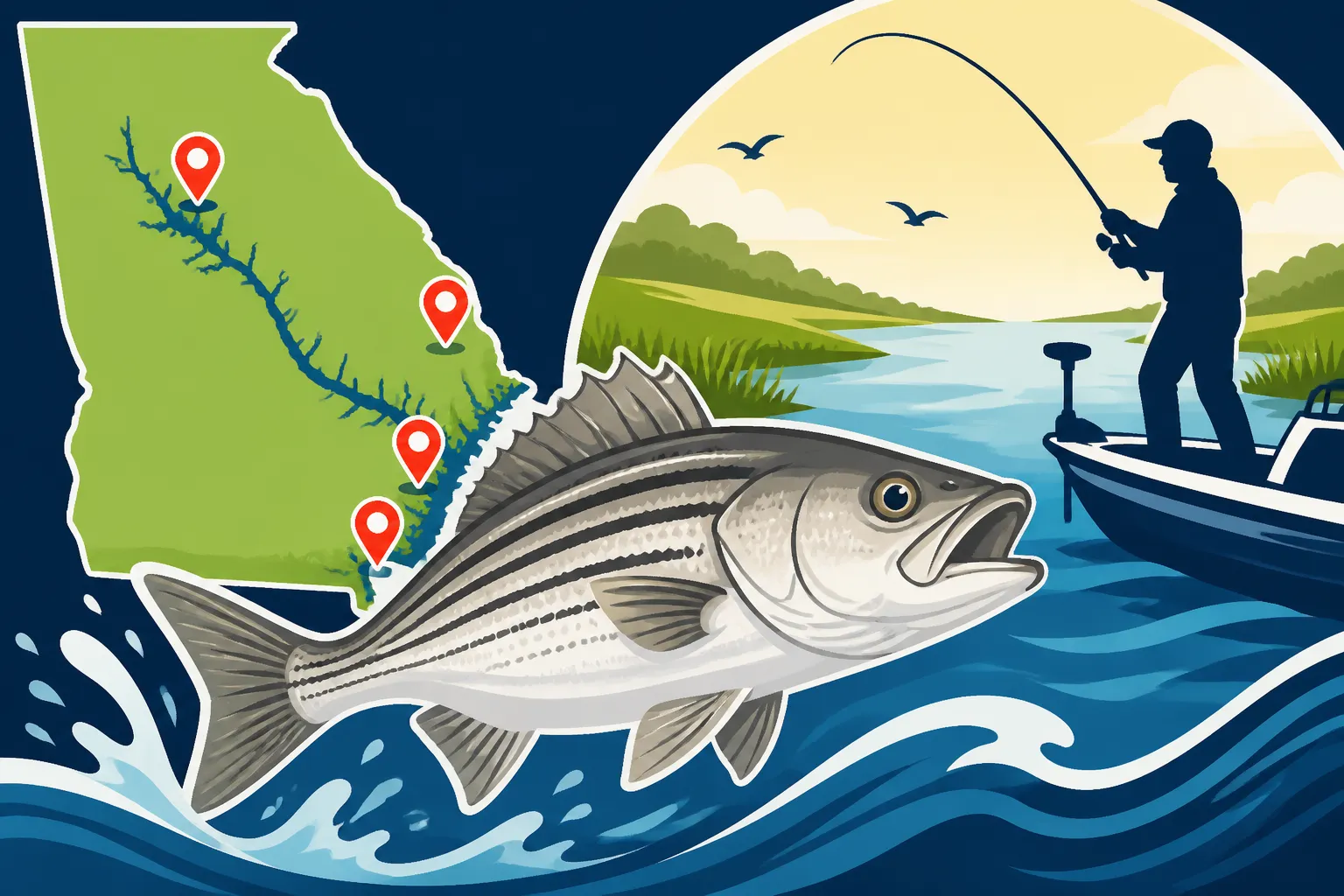
Hybrid striped bass, often called "wipers" or "sunshine bass," are a cross between a striped bass and a white bass. This genetic mix gives them the best traits of both parents: the larger size and aggressive fighting spirit of a striped bass, combined with the hardiness and prolific nature of a white bass. They grow fast, fight hard, and can tolerate a wider range of water conditions than purebred stripers, making them ideal for many of Georgia's diverse lake environments. You'll often see them in open water, chasing baitfish in schools, creating exciting surface boils that every angler dreams of experiencing.
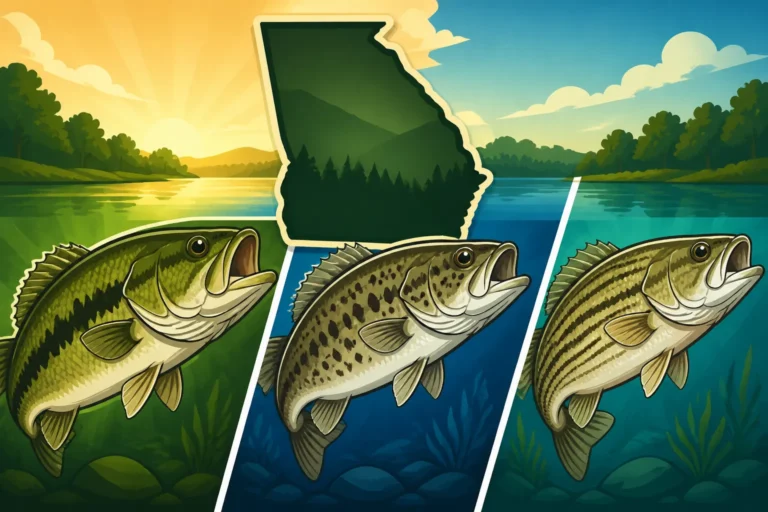
One of the most distinguishing features for identification, once you get them in the boat, is their broken or irregular lateral stripes, which helps differentiate them from the more solid, continuous lines of a purebred striped bass. Their streamlined bodies and powerful tails mean they can really pull hard on the line, providing an unforgettable fight. They're also incredibly popular for their table fare, offering a delicious, flaky white meat that many anglers rave about.
Why Georgia Stocks Hybrid Stripers
The Georgia Department of Natural Resources (DNR) actively stocks hybrid striped bass across various reservoirs primarily for two reasons: to enhance recreational fishing opportunities and to help manage forage fish populations. Purebred striped bass thrive in cooler, oxygen-rich deep water, which limits where they can be successfully managed, especially in the warmer summer months. Hybrid stripers, on the other hand, are much more adaptable.
By stocking hybrids, the state provides anglers with a robust, exciting sportfish that can survive and grow well in many of Georgia's large, warm-water impoundments where purebred stripers might struggle during parts of the year. This diversification ensures more anglers have access to quality fishing experiences. The stocking programs are a vital part of maintaining healthy and vibrant fisheries, especially in areas with significant fishing pressure, ensuring that future generations can enjoy the same thrilling catches. It's a testament to the dedication to maintaining A Complete Guide to Fishing in Georgia.
Key Lakes for Hybrid Striper Stocking in Georgia
While hybrid striped bass might not get the same widespread attention as largemouth bass or trout, Georgia has several premier destinations where these powerful fish are regularly stocked, offering incredible fishing action. Knowing these spots is half the battle won.
Major Reservoir Stocking Programs
When you're thinking about where to find hybrid striped bass, your mind should immediately turn to some of Georgia's largest reservoirs. These are the workhorses of the state's stocking efforts for this species. Lake Oconee, for example, is renowned for its excellent hybrid striper fishery. The lake's structure, combined with its consistent stocking, creates a perfect environment for these fish to thrive and grow to impressive sizes. Anglers often target them by trolling or live-lining bait, especially near the warmer water discharges in cooler months. If you're planning a trip, definitely check out Fishing Lake Oconee, Georgia.
Another fantastic spot is Lake Sinclair, which shares a similar dynamic with Lake Oconee due to the nearby power generation facilities keeping water temperatures conducive for hybrids, even in winter. Anglers here often find great success jigging spoons or throwing topwater lures when the hybrids are schooling on bait. The sheer size of these lakes means there's always new water to explore and new patterns to discover. Other large reservoirs, such as Lake Blackshear and Lake Jackson, also receive regular stockings and offer exciting opportunities. These larger bodies of water provide the vast open spaces and abundant forage base that hybrid stripers need to grow large and healthy, making them prime targets for serious anglers.
Smaller Lakes and Specific Opportunities
While the major reservoirs get a lot of the spotlight, Georgia also occasionally stocks hybrid striped bass in some smaller, more localized waters, often managed as Public Fishing Areas (PFAs). These can sometimes offer less crowded, more intimate fishing experiences, though the stocking frequency and fish populations might vary compared to the big lakes. For instance, some of the smaller state park lakes or managed impoundments might receive stockings, but these are generally on a rotating or experimental basis.
It's crucial to understand that stocking programs can change based on budgets, fish availability from hatcheries, and specific management goals for each water body. What might be stocked one year may not be the next, or the quantities could differ. This is why staying current with official announcements is so important. These smaller opportunities, when they arise, can be fantastic for anglers looking for a different experience, perhaps using smaller boats or even fishing from the bank in certain areas. They often provide a great chance to hone your skills before tackling the vastness of the larger reservoirs.
How to Find the Stocking Information
You don't want to show up at a lake hoping for hybrid stripers only to find out they haven't been stocked there in years. Getting accurate, up-to-date information is key to a successful trip. Thankfully, there are straightforward ways to stay informed.
Official Sources for Stocking Data
The absolute best place to start your quest for hybrid striper stocking information is the Georgia Department of Natural Resources (DNR), specifically their Wildlife Resources Division. They maintain a wealth of information on stocking schedules, fish populations, and management plans for specific water bodies. Their official website is usually updated regularly, providing details on which lakes received stockings, what species were introduced, and often, the quantities. Looking at the official reports can give you a historical perspective too, helping you identify lakes that consistently receive hybrid striper stockings year after year.
Another excellent resource is the annual fishing forecast or reports often published by the DNR. These documents go into detail about the health of various fisheries, including assessments of hybrid striped bass populations in different lakes. These reports are invaluable for planning your fishing trips throughout the year. Don't rely on old data; make sure you're checking the most current information available to ensure you're heading to a lake with a viable hybrid striper population. Remember, these stocking efforts are a big part of Georgia Fishing Regulations Explained.
Local Resources and Community Knowledge
While official sources are paramount, don't underestimate the power of local knowledge and community networks. Tackle shops near popular hybrid striper lakes are often goldmines of information. The folks working there live and breathe fishing, and they'll likely know the latest buzz about stocking events, recent catches, and current hotspots. They often hear directly from other anglers who have been out on the water, offering a real-time perspective that official reports, by their nature, might lag slightly behind.
Online fishing forums and social media groups dedicated to Georgia fishing can also be incredibly helpful. Anglers are often eager to share their successes and observations, including news of recent stockings or good hybrid striper bites. Just remember to take everything with a grain of salt and cross-reference information when possible. Combining official data with insights from the local angling community gives you the most comprehensive picture. After all, the collective experience of hundreds of anglers is a powerful tool for finding fish!
Gear and Techniques for Hybrid Stripers
Once you know where to go, having the right gear and understanding effective techniques will significantly increase your chances of landing one of these hard-fighting hybrids. They're strong fish, so don't skimp on your tackle.
Essential Tackle for Hybrid Stripers
For hybrid striped bass, you'll want a medium-heavy to heavy spinning or baitcasting rod, typically in the 7 to 7.5-foot range. These fish pull hard, so a robust rod gives you the leverage you need to fight them effectively. Pair that with a reel that has a smooth, strong drag system and can hold a good amount of line. A 3000 to 5000 size spinning reel or a medium-heavy baitcaster usually does the trick.
For line, 15 to 20-pound monofilament or fluorocarbon is a solid choice, but many anglers prefer 30 to 50-pound braided line for its sensitivity and strength, often adding a 15 to 20-pound fluorocarbon leader. When it comes to lures, live bait is incredibly effective. Large shiners, shad, or even smaller bluegill are prime choices. If you're going artificial, consider spoons, crankbaits, swimbaits, and topwater lures. Many of these effective lures can be easily found and purchased on platforms like Amazon, offering a wide variety to choose from. A good tackle box, also available on Amazon, will help you keep your options organized. Having the right tools, including a sturdy net, will make all the difference when battling a big hybrid.
Effective Fishing Techniques
Hybrid striped bass are often found schooling and chasing baitfish, so covering water and imitating their natural prey are key strategies.
Table: Hybrid Striper Fishing Techniques
| Technique | Description | Best Conditions | Recommended Lures/Bait |
|---|---|---|---|
| Trolling | Dragging lures or live bait behind a moving boat. | Covering large areas, locating schools. | Deep-diving crankbaits, umbrella rigs, live shad/shiners |
| Live-lining | Presenting live bait (shad, shiners) near known fish schools or structure. | Fish are actively feeding, locating specific schools. | Live shad, shiners, bluegill |
| Jigging | Vertically working spoons or jigs near schools of fish detected on sonar. | Fish are deep, often near bait balls. | Heavy spoons, soft plastic swimbaits on jig heads |
| Topwater Fishing | Casting and retrieving surface lures, especially during feeding frenzies. | Dawn/Dusk, active surface feeding. | Poppers, walk-the-dog baits, prop baits |
| Casting/Retrieving | Throwing crankbaits, swimbaits, or soft plastics to active fish. | When fish are scattered or along drop-offs. | Crankbaits, swimbaits, flukes |
One of the most exciting techniques is chasing "boils" – when hybrids push baitfish to the surface, creating a churning mass of water. When you see this, cast a topwater lure or a fast-retrieving spoon right into the action for an almost guaranteed strike. Another highly effective method is fishing with live bait. If you can locate schools of baitfish, often hybrids won't be far behind. Rigging a live shad or shiner on a Carolina rig or under a slip bobber and presenting it near humps, points, or deep channels can be incredibly productive.
Regardless of your chosen technique, having a good fish finder is invaluable for locating schools of baitfish and the hybrids that are often lurking nearby. You can find some excellent models on Amazon that will greatly enhance your ability to pinpoint these elusive schools. Remember to pay attention to water temperature and structure, as these factors play a significant role in where hybrids will congregate. Don't be afraid to experiment with different presentations until you find what the fish are keying in on that particular day. For more on what these fish like to eat, consider exploring Hybrid Striped Bass at Lake Oconee. Also, understanding Striped Bass vs Hybrid Striped Bass: Georgia Angler's Guide can help refine your tactics.
Disclaimer
This article is for general informational purposes only and does not constitute professional advice. Laws, prices and regulations vary by location and change over time. Consult a qualified professional for guidance on your specific situation.