Is Striped Bass Good to Eat?
It's a common dilemma for anglers, isn't it? You've battled a powerful striped bass, brought it to the boat, and now you're wondering: is this magnificent fish destined for the dinner plate, or should it be released? Many anglers hesitate, unsure if striped bass truly live up to their fighting reputation in terms of table fare. This comprehensive guide is here to settle the debate, providing a deep dive into the eating qualities of striped bass caught right here in Georgia, along with tips to make every meal a success.
Understanding the Striped Bass Flavor Profile
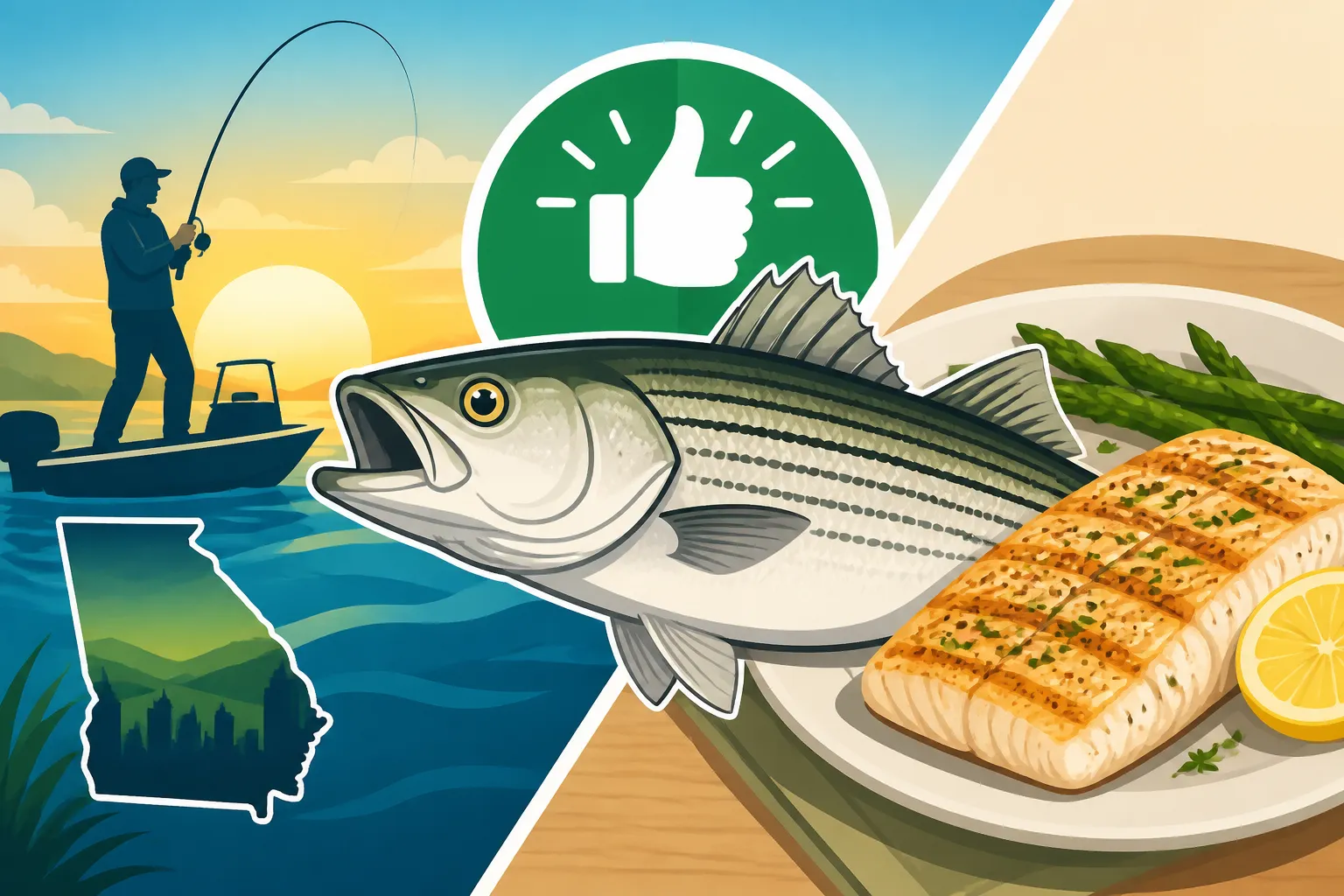
When you're talking about eating any fish, the first question is always about taste and texture. Striped bass, often simply called "stripers" or "rockfish" in some regions, have a distinct flavor that can be quite delicious when handled properly. They are generally considered a lean, white, flaky fish, but there's more to it than just that.
Taste and Texture Expectations
The flesh of a striped bass is typically firm and flaky, with a medium-to-strong flavor. It's not as mild as a flounder, but it's also not as "fishy" or oily as mackerel. Think of it somewhere in the middle, often compared to cod or snapper but with a bit more character. The meat is white to off-white, and cooks up beautifully. What many people appreciate is its versatility – it holds up well to various cooking methods without falling apart, making it a favorite for many culinary applications. You might find that smaller, younger stripers tend to have a milder flavor and finer texture, while larger, older fish can have a more robust taste and firmer, denser meat.
Factors Influencing Striped Bass Flavor
The taste of your striped bass isn't just about the species; it's heavily influenced by where it was caught, what it was eating, and how you handle it after the catch. These factors play a huge role in whether your striper ends up being a culinary delight or just "okay."
One major influence is the water body itself. Stripers from colder, cleaner waters, like certain deep reservoirs or coastal areas, often taste better than those from warmer, murkier, or less oxygenated environments. Their diet is another huge factor. If a striper has been feeding primarily on shad or herring, its meat might have a slightly different flavor than one that's been gorging on crustaceans or other forage. The season also matters; some anglers swear that stripers caught in cooler months have a firmer flesh and cleaner taste. The size of the fish can also impact flavor; often, smaller to medium-sized fish (say, 20-30 inches) are considered the prime eating size, with less chance of a strong or "gamey" flavor.
Preparing Your Striped Bass for the Plate
Getting your striped bass from the hook to the pan in optimal condition is absolutely crucial for a delicious meal. Improper handling can quickly diminish the quality of even the freshest catch. This starts from the moment the fish is landed.
Immediate Post-Catch Handling
The most important step, and one often overlooked, is properly bleeding your striped bass immediately after catching it. This removes blood from the flesh, which is a major contributor to any "fishy" taste. A quick cut to the gills or severing the caudal artery (near the tail) and then placing the fish in an ice bath will ensure maximum blood drainage. This makes a world of difference. Next, keep the fish cold! A cooler packed with ice is non-negotiable, especially here in Georgia's warm climate. Best Cooler for a Fishing Boat can help you find the right gear for this essential task. Rapid chilling prevents spoilage and maintains the firm texture of the meat.
Cleaning and Filleting Techniques
Once you're home, it's time for cleaning. Striped bass have fairly tough scales, so a good scaling tool or a sharp fillet knife is essential. Many anglers choose to fillet their stripers, which involves removing the meat from the bone. During filleting, you'll often notice a darker, reddish band of meat along the lateral line. This "bloodline" can have a stronger, more intense flavor. Most people prefer to trim this dark meat away, along with any belly fat, to achieve a milder, cleaner-tasting fillet. A good, sharp fillet knife is indispensable here, and you can find a wide selection of highly-rated options on Amazon.
Here’s a quick overview of the cleaning process:
| Step | Description | Why It's Important |
|---|---|---|
| Bleeding | Immediately cut gills or caudal artery, place in ice water. | Removes blood, significantly reducing "fishy" taste. |
| Icing | Keep fish fully submerged in ice from catch to cleaning. | Preserves freshness, firm texture, and prevents bacterial growth. |
| Scaling (Optional) | If cooking whole or with skin on, remove scales thoroughly. | Ensures a pleasant eating experience, though often skipped if filleting. |
| Filleting | Carefully remove meat from the backbone, separating fillets. | Provides boneless, ready-to-cook portions. |
| Trimming Dark Meat | Cut away the reddish "bloodline" along the lateral line and any excess belly fat. | Removes stronger-flavored, sometimes gamey parts of the fish for a milder taste. |
| Rinsing & Drying | Rinse fillets under cold water and pat completely dry with paper towels. | Removes any remaining scales or bits, and dry fish sears better. |
Cooking Striped Bass for Optimal Flavor
Now that you have beautiful, clean fillets, it's time to cook them! Striped bass is incredibly versatile, lending itself to a variety of cooking methods that can bring out its best qualities.
Popular Cooking Methods
One of the most popular ways to cook striped bass is grilling. Its firm flesh stands up well to the heat and smoke, making it perfect for a summer BBQ. Just brush with olive oil, season with salt, pepper, and your favorite herbs, and grill until flaky. Baking or roasting is another fantastic option, especially if you want to keep things light. You can bake it in foil with lemon and herbs, or roast it on a sheet pan with vegetables. Pan-searing creates a lovely crispy skin (if you leave it on) and moist, tender flesh. Simply use a hot pan with a little oil, sear skin-side down first, then flip. For those who enjoy fried fish, a light batter or breading can be used, but be careful not to overcook, as this can dry out the lean meat.
Delicious Recipe Ideas and Pairings
Because striped bass has a medium-bodied flavor, it pairs well with a range of seasonings and accompaniments.
- Mediterranean Style: Bake or grill with olive oil, lemon slices, cherry tomatoes, Kalamata olives, and fresh oregano. The bright, acidic flavors complement the fish beautifully.
- Simple Lemon-Herb: A classic for a reason! Season fillets with salt, black pepper, garlic powder, fresh dill or parsley, and a generous squeeze of lemon juice. This is fantastic pan-seared or baked.
- Blackened Striper: For those who like a kick, blackening spices create a flavorful crust while keeping the inside moist. Just make sure you have good ventilation!
- Fish Tacos: Flake cooked striped bass into soft tortillas with coleslaw, avocado, and a squeeze of lime for a fresh, vibrant meal.
- Cajun Baked: A little paprika, cayenne, onion powder, and thyme rubbed on the fillets before baking delivers a robust, savory flavor.
Don't be afraid to experiment with your favorite spice blends or marinades. You can find specialty fish rubs and cooking accessories, like grilling baskets or cedar planks, easily on Amazon to elevate your striped bass cooking game. When planning your next fishing trip to Lake Lanier Fishing Guide, Georgia or Fishing Lake Oconee, Georgia, remember to factor in some time for meal prep!
Health Benefits and Consumption Considerations
Beyond just taste, many anglers are interested in the nutritional aspects of the fish they catch. Striped bass is a healthy choice, but like with all wild-caught fish, there are a few things to keep in mind.
Nutritional Value of Striped Bass
Striped bass is an excellent source of lean protein, making it a great option for a healthy diet. It's relatively low in calories and saturated fat, while also being packed with beneficial nutrients. You'll find a good amount of Omega-3 fatty acids in striped bass, which are known for their heart-healthy benefits. These essential fatty acids are vital for brain health, reducing inflammation, and supporting overall well-being. It also contains important vitamins and minerals such as Vitamin B12, selenium, and phosphorus. Regularly including fish like striped bass in your diet can contribute to a balanced and nutritious eating plan.
General Consumption Advice
When it comes to consuming wild-caught fish, a common concern is the presence of contaminants like mercury. The good news is that for most recreational anglers in Georgia, striped bass caught from state waters are generally safe to eat in moderation. However, larger, older fish tend to accumulate higher levels of contaminants over their lifespan. This is another reason why many anglers prefer to keep smaller to medium-sized stripers for the table. It's always a good practice to check with local environmental or wildlife agencies for specific consumption advisories in your particular fishing area. They often provide guidelines, especially for specific lakes or rivers, to ensure you're making informed choices for your family.
Catching Striped Bass in Georgia
Before you can enjoy a delicious striped bass dinner, you've got to catch them! Georgia offers some fantastic opportunities for striped bass fishing, whether you're looking for Striped Bass and Hybrid Striped Bass in Georgia Waters in our large reservoirs or chasing them in the river systems.
Top Georgia Striped Bass Spots
Georgia is blessed with several premier locations where striped bass thrive. Without a doubt, the most famous is Lake Lanier, just north of Atlanta. It's renowned for its robust striper population, offering incredible fishing year-round. Other fantastic reservoirs include Lake Oconee and Lake Hartwell, which also boast healthy populations of striped and hybrid striped bass. On the river front, the Coosa River system and sections of the Savannah River are known to hold good numbers of stripers. Where to Catch Striped Bass on Georgia Lakes can give you even more specific guidance on these hotspots.
General Regulations and Limits
Before you head out, remember that regulations are in place to help manage our fisheries and ensure sustainable populations. It's crucial to be familiar with the current Georgia Fishing Regulations Explained. These regulations cover everything from size limits and creel limits (the number of fish you can keep per day) to specific tackle restrictions. For example, some lakes might have a 14-inch bass minimum, while others might differ. Always consult the Georgia Department of Natural Resources (DNR) official website or their annual fishing regulations guide. This ensures you're fishing legally and contributing to the conservation of these incredible fish for future generations. Don't forget, a valid Georgia Fishing License Guide is always required for anyone 16 years or older.
So, is striped bass good to eat? Absolutely! With proper handling and preparation, striped bass from Georgia waters can be a truly delicious meal. From its firm, flaky texture to its satisfying flavor profile, it's a fish that deserves a spot on your dinner table. Just remember to respect the resource, follow regulations, and enjoy the fruits of your angling efforts!
Disclaimer
This article is for general informational purposes only and does not constitute professional advice. Laws, prices and regulations vary by location and change over time. Consult a qualified professional for guidance on your specific situation.