Georgia Trout Fishing License Requirements
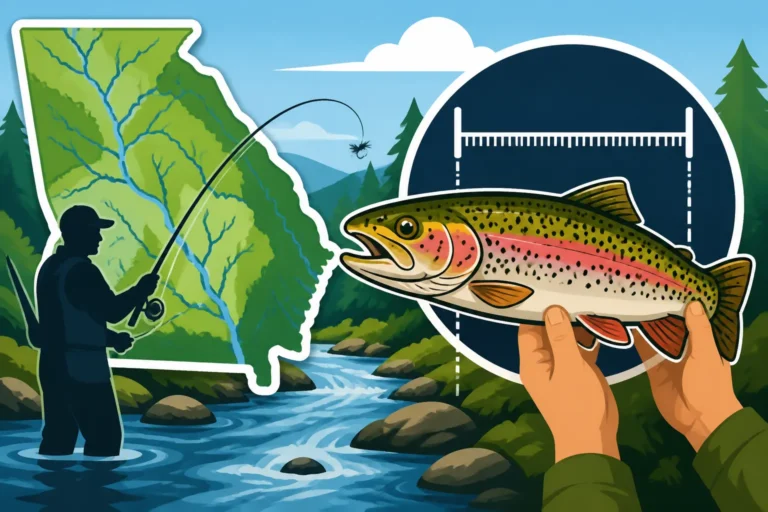
It can feel a bit overwhelming, can't it? You've got your heart set on casting a line into one of Georgia's stunning mountain streams, picturing that beautiful rainbow or brook trout, but then the questions start swirling: Do I need a special license for trout? Is it different from my regular fishing license? What about the kids or us senior folks? This guide is here to untangle all those knots, helping you understand every single Georgia trout fishing license requirement so you can focus on the tranquil beauty of the Toccoa River or the challenge of the Chattahoochee Headwaters with complete peace of mind.
Understanding the Basic Georgia Fishing License Foundation
Before we dive specifically into the shimmering world of trout, it's absolutely crucial to lay the groundwork with Georgia's general fishing license requirements. Think of this as your foundational pass; without it, any additional specialized licenses, like the one for trout, won't be valid. It’s the first step every angler needs to take, whether you’re chasing largemouth bass in a big reservoir or simply panfish in a local pond. The state of Georgia, through its Department of Natural Resources (DNR), manages these requirements to help fund conservation efforts, fisheries management, and the maintenance of our amazing outdoor resources.
The Statewide Requirement for Anglers
In Georgia, anyone aged 16 or older who wants to fish in public waters – be it a lake, river, or even a coastal sound – needs to possess a valid Georgia fishing license. This isn't just a suggestion; it's a legal requirement. Whether you’re a lifelong Georgian or just visiting for a weekend angling adventure, that basic license is your ticket to legally casting a line. It covers a vast array of species and waters, from the warm waters of Lake Seminole to the cooler streams of the North Georgia mountains. Without this fundamental license, any further permits or add-ons are moot. You'll want to ensure you always have your license on your person, either a physical copy or easily accessible on your phone, because Georgia game wardens do check. It’s a simple step, but one that’s often overlooked by excited anglers eager to hit the water.
Who Needs a Basic Fishing License in Georgia?
Let's break this down clearly because there are a few exceptions and specific age cutoffs that can sometimes confuse people. As mentioned, if you're 16 years old or older, you need a basic fishing license. This applies to both residents and non-residents. However, there are some really thoughtful provisions in Georgia. For instance, if you're under 16, you’re in luck – you can fish without a license! This is a fantastic way to introduce youngsters to the joys of fishing without an extra hurdle for parents. Similarly, residents who are legally blind, have certain developmental disabilities, or are permanently disabled and can provide the necessary documentation may also be exempt or qualify for special licenses. These exemptions are designed to ensure that fishing remains accessible to as many people as possible, highlighting Georgia's commitment to inclusive outdoor recreation. If you fall into one of these categories, it’s always a good idea to check the specific guidelines on the Georgia DNR website or reach out to them directly to ensure you have the correct information for your situation.
How Long is a Georgia Resident Fishing License Valid?
This is a common question, and thankfully, Georgia has made things pretty straightforward for resident anglers. Unlike some states that tie licenses to a calendar year, Georgia's annual resident fishing licenses are typically valid for 365 days from the date of purchase. So, if you buy your license on April 15th, 2024, it will be good until April 14th, 2025. This "365-day" validity period is a huge convenience, as it means you're not losing out on fishing time if you purchase your license midway through a traditional calendar year. It encourages more consistent participation and simplifies the renewal process when it comes time for your Georgia Fishing License Renewal Guide. Non-residents often have options for shorter-term licenses, which we'll touch on later, but for Georgia residents, that full year of fishing freedom starts the moment you complete your purchase.
The Essential Mountain Trout License Add-On
Now that we've covered the fundamental statewide fishing license, let's get into the specifics for our cold-water loving friends: trout. If your angling dreams involve stalking the pristine headwaters of the North Georgia mountains for rainbow, brown, or our native brook trout, then the basic fishing license isn't quite enough. Georgia has a special add-on requirement specifically for trout fishing, and understanding it is key to a legal and enjoyable trout fishing experience.
Why a Separate Trout License is Necessary
It might seem like an extra step, and sometimes folks wonder why they need two licenses for one activity. The reason is simple and deeply rooted in conservation. Trout fisheries in Georgia, particularly in the mountain regions, are a unique and precious resource. They require intensive management, including habitat restoration, population surveys, and, notably, a robust stocking program. The funds generated specifically from the Mountain Trout License Add-On in Georgia are earmarked directly for these efforts. This ensures that the beautiful streams remain healthy, that trout populations are sustainable, and that there are plenty of fish for everyone to enjoy year after year. Without this dedicated funding, the quality of Georgia's trout fishing opportunities would simply not be the same. It’s an investment in the future of our pristine mountain waters and the incredible fish that call them home.
What the Mountain Trout License Covers
So, what exactly does this add-on permit you to do? The Mountain Trout License, sometimes informally called a "trout stamp," grants you the legal authority to fish for and harvest trout from any of Georgia's designated trout waters. This includes the hundreds of miles of public trout streams, both those that are regularly stocked by the DNR and the wilder, native brook trout streams. It's a critical component for anyone targeting these specific fish in these specific environments. It's important to remember that this add-on is not a standalone license; it must be purchased in conjunction with or added to your valid basic Georgia fishing license. Think of it as an upgrade package for your fishing privileges, specifically tailored for the unique demands and allure of trout fishing. Without it, even if you have your basic license, you're not legally permitted to fish for trout.
Do You Need a Separate Trout License in Georgia?
Yes, absolutely. To be crystal clear: if you are 16 years or older and intend to fish for trout in Georgia's designated trout waters, you must have both a valid basic Georgia fishing license and the Mountain Trout License add-on. There's no getting around this. Even if you only plan to catch and release, the requirement still stands. The only real exceptions align with those for the basic fishing license—namely, children under 16, who do not need either the basic or the trout add-on. So, if you're planning a trip to the Chattahoochee River's tailwaters below Buford Dam or heading deep into the Cohutta Wilderness to chase native brookies, make sure your paperwork is in order. Checking on this beforehand is far better than facing a game warden without the proper credentials.
Specific Requirements for Different Angler Types
Navigating license requirements can sometimes feel like a maze, especially when you factor in residency, age, and even specific programs. Georgia strives to make its licensing system as clear as possible while also providing options that cater to different groups of anglers. Let’s break down how these requirements might look for residents, nonresidents, seniors, and our youngest fishing enthusiasts when it comes to trout fishing.
Georgia Resident vs. Nonresident Trout Fishing Licenses
The distinction between a Georgia resident and a nonresident is a fundamental one when it comes to purchasing any fishing license, including the trout add-on. Residents, typically defined as individuals who have resided in Georgia for at least three months, generally pay a lower fee for their annual licenses and add-ons. This is a common practice across states, offering a benefit to taxpayers who contribute to the state's resources year-round. For nonresidents, the costs are higher, reflecting the fact that they are not contributing to the state's tax base in the same way. However, Georgia does offer a variety of options for out-of-state anglers, including annual, one-day, three-day, and seven-day nonresident fishing licenses. When purchasing one of these short-term options, you'll still need to add the Mountain Trout License if you plan to fish for trout. So, a nonresident visiting for a weekend of trout fishing on the Toccoa would purchase a 3-day nonresident fishing license and then add the Mountain Trout License to it. It’s important to select the option that best fits the length of your trip to ensure you're covered for the entire duration of your stay.
Senior Anglers and Lifetime Trout Fishing Privileges
Georgia is incredibly generous to its senior population when it comes to fishing. If you're a Georgia resident born before July 1, 1952, you qualify for a free lifetime honorary sportsman’s license. This incredible privilege covers both your basic fishing license and the Mountain Trout License, along with many other hunting and fishing permits. It’s a wonderful gesture to those who have contributed to the state throughout their lives. If you were born on or after July 1, 1952, but are 65 or older, you still have fantastic options. You can purchase a Senior Lifetime Sportsman’s License at a significantly reduced, one-time fee. This lifetime license also covers all your basic fishing needs and the trout add-on. For those seniors who might not want a lifetime license, annual senior fishing licenses are also available at a greatly reduced cost. You can find more details on these benefits in the Senior Lifetime Sportsman's License in Georgia guide. These provisions truly make it easier for our seasoned anglers to continue enjoying Georgia’s beautiful trout streams without the burden of annual renewals or significant costs.
Youth and Children's Trout Fishing License Rules
Good news for the young ones and their parents! In Georgia, children under the age of 16 are exempt from all fishing license requirements, including the basic statewide fishing license and the Mountain Trout License add-on. This means that if you're taking your kids or grandkids out to a stocked trout stream, they can cast their lines right alongside you without needing any special permits. This policy is designed to encourage youth participation in outdoor activities and make it easier for families to enjoy fishing together. It's a fantastic way to introduce them to the magic of reeling in their first trout without any bureaucratic hurdles. So, pack up the kids, grab some bait, and head for those cold mountain waters! Just remember, once they hit that sweet sixteen, they'll need to secure their own licenses to continue their angling adventures legally. You can learn more about this in our article, Do Kids Need a Fishing License in Georgia?.
Costs and Purchasing Your Georgia Trout Fishing Licenses
Alright, let’s talk brass tacks: how much does all this cost, and how do you actually get your hands on these licenses? While the exact figures can change slightly, the structure of Georgia’s licensing system remains consistent. Knowing the various price points and purchasing avenues will save you time and hassle, getting you on the water faster.
Breakdown of License and Add-On Costs
The cost of your Georgia fishing license and the Mountain Trout add-on will depend primarily on your residency status and the duration of the license you choose. For Georgia residents, an annual basic fishing license is quite affordable, usually under $15. The Mountain Trout License add-on is also a very reasonable price, often around $10. So, for a resident, you're looking at a combined annual cost of roughly $25-$30 for full trout fishing privileges for 365 days.
Nonresidents have a few more options, often at higher price points:
- Annual Nonresident Fishing License: This will be significantly more than a resident annual license, but it covers a full year.
- Nonresident Short-Term Licenses: Options like a 1-day, 3-day, or 7-day fishing license are available. The cost for these varies, but they are designed for visitors. For example, a 3-day nonresident license might be around $20, and then you'd add the trout privilege on top for a few extra dollars.
Here’s a simplified table to give you a general idea (prices are illustrative and subject to change by the Georgia DNR):
| License Type | Residency | Estimated Base Cost (Annual) | Estimated Trout Add-On Cost | Total Estimated Cost for Trout Fishing (Annual) |
|---|---|---|---|---|
| Basic Fishing License | Resident | $15 | $10 | $25 |
| Basic Fishing License | Nonresident | $50 | $10 | $60 |
| Short-Term Fishing License | Nonresident | $20 (3-day) | $5 (for short-term) | $25 (for 3-day trout fishing) |
| Honorary Sportsman's License | Resident (> July 1, 1952) | Free | Included | Free |
| Senior Lifetime License | Resident (>= 65, born after July 1, 1952) | Reduced one-time fee | Included | One-time fee |
Always check the official Georgia DNR website for the most current pricing before purchase, as these figures can fluctuate. These costs are vital for the continued health of our aquatic ecosystems, contributing directly to programs like Georgia's Georgia Trout Stocking Schedule which keeps our streams vibrant.
Convenient Ways to Buy Your Licenses Online, Agents, Phone
Georgia makes purchasing your fishing licenses incredibly convenient, recognizing that anglers are often eager to get out on the water. You have several reliable options:
- Online: This is by far the most popular and easiest method. You can visit the official Georgia Wildlife Resources Division (WRD) licensing website from your computer or smartphone. The process is intuitive, allowing you to select your residency, choose the basic fishing license, and then add the Mountain Trout License with just a few clicks. It's available 24/7, meaning you can even buy it the night before an impromptu fishing trip.
- License Agents: If you prefer a face-to-face transaction or need some help, you can purchase licenses from various authorized license agents across the state. These often include sporting goods stores like those found on Amazon, bait and tackle shops, and even some Walmarts or Krogers. Just look for signs indicating "Georgia Fishing Licenses Sold Here." The staff at these locations are usually very helpful and can answer any immediate questions you might have.
- By Phone: For those who prefer to speak to someone directly, you can call the Georgia DNR licensing customer service line. They can walk you through the options, process your payment over the phone, and help you obtain your license number instantly.
No matter which method you choose, you'll need some basic information, including your full name, date of birth, address, and a valid form of identification (like a driver's license number). It’s quick, efficient, and ensures you’re legal before your hook even touches the water.
How to Print a Georgia Fishing License After Buying It Online
You’ve made the smart move and purchased your Georgia fishing license and trout add-on online—fantastic! Now, what’s next? Many anglers wonder if they need a physical copy or how to get one. The good news is that Georgia is quite flexible. Once your online purchase is complete, you'll typically receive an email confirmation that includes your license number and often a link to view or print your license.
- Printing a Physical Copy: If you have access to a printer, you can easily print a copy of your license from the confirmation email or by logging back into the Georgia WRD licensing portal. Having a physical copy is always a good idea, especially if you're heading to remote areas where cell service might be spotty. You can fold it up and slip it into your wallet or tackle box.
- Digital Copy: Georgia law also permits you to carry proof of your license on your smartphone or other electronic device. This is super convenient! Just make sure your phone is charged and you know how to access the digital license quickly if a game warden asks to see it. It’s also wise to take a screenshot of your license and save it to your photos, just in case you lose internet connectivity.
Whichever method you choose, just ensure you have your valid license information readily available. This makes for a smooth interaction with enforcement officers and ensures your day on the water is stress-free.
Beyond the License: Crucial Trout Fishing Regulations
Having the correct license is your first step, but it’s just the beginning of responsible trout fishing in Georgia. The state has a comprehensive set of regulations designed to protect trout populations and ensure fair chase. Understanding these rules is just as important as having your license. They dictate everything from how many fish you can keep to the specific areas and times you can fish.
Understanding Georgia Trout Size and Creel Limits
Georgia imposes specific size and creel (daily possession) limits on trout, and these can vary depending on the specific water body. Generally, on most public trout waters, the daily creel limit for trout is eight fish. However, this isn't a blanket rule. Some streams, particularly those managed for trophy trout or wild trout, will have much stricter limits. For instance, some areas might have a minimum size limit of 16 inches for brown trout, or even a slot limit where you can only keep fish within a certain size range. This is why it’s critical to consult the most current Georgia Fishing Regulations Explained handbook, available on the DNR website or from license agents, before each trip. Ignoring these limits can lead to significant penalties. These rules are in place to allow smaller fish to grow and reproduce, contributing to a healthier and more sustainable fishery for everyone. Understanding Daily Creel Limits for Trout in Georgia is essential for every trout angler.
Special Rules for Delayed Harvest Trout Streams
Georgia is home to some fantastic Delayed Harvest (DH) trout streams, which offer a unique angling experience, especially for fly fishermen. These streams, such as the Amicalola Creek or the Toccoa River (certain sections), operate under special regulations for a designated period, typically from November 1st to May 14th each year. During this "Delayed Harvest Season," the rules are strictly catch-and-release only, and you can only use artificial lures with a single hook. No bait is allowed. This creates an incredible opportunity for anglers to hone their skills on heavily stocked, yet unharvested, trout that become increasingly challenging to catch as the season progresses. Once May 15th rolls around, these streams revert to general trout regulations, allowing for harvest with bait and multiple hooks. It’s a distinct and valuable part of Georgia’s trout program, and knowing these specific dates and rules for Delayed Harvest Trout Streams in Georgia is absolutely paramount if you plan to fish these unique waters.
Seasonal Considerations and Trout Stocking Schedules
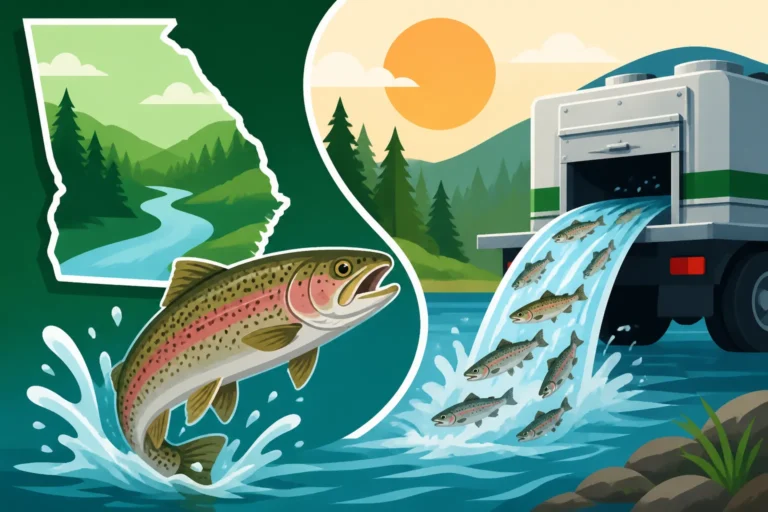
Trout fishing in Georgia is very seasonal, heavily influenced by water temperatures and the DNR's stocking efforts. The peak trout fishing season typically runs from March through October, when the DNR conducts its most intensive trout stocking operations. During these months, many popular streams and rivers in North Georgia receive regular deliveries of rainbow, brown, and sometimes brook trout, increasing anglers' chances of a successful outing. However, some streams are stocked less frequently, and others rely entirely on wild, reproducing populations.
Understanding the Georgia Trout Stocking Schedule is a huge advantage for anglers, allowing you to plan your trips when freshly stocked fish are abundant. This schedule is usually updated weekly on the Georgia DNR website. Even in the cooler winter months, brave anglers can find success, especially on Delayed Harvest streams or by targeting larger, wilder trout that are less active but still present. Factors like heavy rains can also influence water levels and clarity, impacting fishing conditions. Being aware of the local weather and water conditions, alongside the stocking schedule, can greatly enhance your trout fishing success.
Potential Penalties for Non-Compliance
Nobody wants their peaceful day of fishing to turn into a legal headache. Unfortunately, ignorance of the law is no excuse, and violating Georgia’s fishing regulations, especially regarding licenses and limits, can carry some pretty significant consequences. It’s always better to be informed and compliant than to face the repercussions.
Consequences of Fishing Without the Proper Licenses
Getting caught fishing without a valid basic fishing license, or without the required Mountain Trout License when targeting trout, can lead to more than just a stern talking-to. In Georgia, fishing without a license is a misdemeanor offense. This means you could be facing a hefty fine, which can range from hundreds of dollars, plus court costs. Beyond the immediate financial penalty, you might also have your fishing gear confiscated, and in some cases, your fishing privileges could be suspended for a period.
Imagine heading up to the Chattahoochee, excited for a day of trout fishing, only to have a game warden check your license and find you're missing the trout add-on. That quick mistake could cost you hundreds of dollars and ruin your day. The fines associated with Penalties for Fishing Without a License in Georgia are designed to be a deterrent, emphasizing the importance of legal compliance and supporting the state's conservation efforts. It's a small fee to pay for the privilege of enjoying Georgia's beautiful waters, versus a much larger, regrettable expense.
How to Avoid Common Licensing Mistakes
Many anglers who find themselves in violation of licensing laws didn't intend to break the rules; they simply made a mistake. Here are some common pitfalls and how to avoid them:
- Forgetting the Trout Add-On: This is perhaps the most common mistake for trout anglers. They have a general fishing license but forget that separate mountain trout privilege. Solution: When you purchase your basic license, immediately add the Mountain Trout License if you plan any trout fishing during the year. It's a small extra step that saves a lot of trouble.
- Expired License: An annual license runs for 365 days from purchase, not necessarily by calendar year. If you bought your last license in August, don't assume it expires in December. Solution: Set a reminder on your phone or mark your calendar for a month before your license expires. The Georgia DNR also sends renewal reminders via email if you opt-in.
- Assuming Youth Exemption Extends Too Far: Parents sometimes mistakenly believe their 16 or 17-year-old still falls under the "kid" exemption. Solution: Remember, age 16 is the cutoff. If your child has had a birthday and reached 16, it’s time for their first license.
- Not Carrying Proof: You bought the license, but it's back in your truck or at home. Solution: Always have your license physically or digitally accessible on your person while fishing. A laminated copy or a screenshot on your phone works wonders.
Taking a few moments to double-check your license status and the specific regulations for your chosen fishing spot can save you from an unpleasant encounter and allow you to fully enjoy your time on the water.
Checking Your License Validity and Renewal
It’s happened to the best of us: you think your license is valid, you head out, and then a nagging doubt creeps in. Or perhaps you just want to ensure you’re all set for the upcoming season. Fortunately, checking your Georgia fishing license validity is a breeze.
You can easily log into your account on the Georgia DNR's licensing website using your customer ID, social security number, or driver's license number. Once logged in, you can view all your active licenses, their purchase dates, and their expiration dates. This is an excellent habit to get into, especially before planning any major fishing trips, to ensure everything is current.
When it comes to renewal, Georgia also makes it easy. Since annual licenses are valid for 365 days from the date of purchase, you don't have a universal "renewal month" like some states. If you bought your license online, the DNR will often send you an email reminder a few weeks before your license is set to expire. Renewing online is just as simple as the initial purchase, allowing you to update your information and pay the necessary fees quickly. Staying on top of your license renewal means uninterrupted access to Georgia’s fantastic fishing opportunities.
Preparing for Your Georgia Trout Adventure
So, you’ve got your licenses in order, you understand the regulations, and you’re ready to hit those beautiful Georgia trout streams. But what else do you need to make your adventure a success? Beyond the legalities, proper preparation, ethical considerations, and knowing where to go are just as vital for a rewarding experience.
Recommended Gear and Tackle for Trout Fishing
Trout fishing in Georgia’s varied streams, from wide rivers to narrow mountain trickles, requires a thoughtful selection of gear. You don't need to break the bank, but having the right tools makes a huge difference.
- Rods and Reels: For most Georgia trout streams, a lightweight spinning rod (5-6 feet, light action) paired with a small spinning reel (1000-2000 series) spooled with 4-6 lb test monofilament or fluorocarbon line is perfect. Fly anglers will typically opt for a 3-5 weight fly rod, 7-9 feet long, matched with a corresponding reel and floating line.
- Baits and Lures: Live bait, like corn, worms, and salmon eggs, are incredibly effective, especially on freshly stocked streams. Small inline spinners (e.g., Rooster Tails, Panther Martins) and spoons are also highly productive. For fly fishing, a variety of nymphs (e.g., Prince Nymphs, Pheasant Tails), dry flies (e.g., Elk Hair Caddis, Adams), and streamers are essential, depending on the season and hatch. You can find a fantastic array of tackle options and fly fishing essentials on Amazon.
- Waders and Boots: Especially in colder months or on larger streams, chest waders and wading boots are indispensable for comfort and accessing prime fishing spots. In warmer weather, quick-dry pants and wading sandals might suffice.
- Essential Accessories: A small landing net (rubberized, if possible, to protect fish), nippers for cutting line, forceps for hook removal, a small tackle box or vest, a hat, polarized sunglasses (crucial for spotting fish and protecting your eyes), and a small cooler for any fish you plan to keep.
Having the right gear not only increases your chances of success but also enhances your comfort and overall enjoyment of the fishing experience.
Finding the Best Trout Streams in Georgia
Georgia boasts a surprising number of fantastic trout streams, primarily concentrated in the mountainous northern part of the state. Knowing where to go can significantly improve your chances of a memorable trip.
- Popular Stocked Streams: Rivers like the Toccoa River, Amicalola Creek, Tallulah River, and the Chattahoochee River (especially below Buford Dam and in its headwaters) are regularly stocked and offer excellent access for anglers of all skill levels. These are often great places for beginners due to the higher density of fish. You can find detailed information on these in our Best Trout Streams in Georgia guide.
- Delayed Harvest Streams: As mentioned, these streams (e.g., Amicalola Creek, Chattooga River, Toccoa River) offer catch-and-release only fishing for a good portion of the year, providing a unique challenge.
- Wild Trout Streams: For the more adventurous angler seeking native brook trout or larger wild brown and rainbow trout, venturing into the Chattahoochee National Forest's more remote areas, like parts of Rock Creek, Dukes Creek (special regulations apply), or numerous smaller tributaries, can be incredibly rewarding. These often require more hiking and bushwhacking but offer a truly wild experience.
- Public Access: Many of Georgia's best trout streams have good public access points, often maintained by the DNR or through various state and national forest lands. Local bait and tackle shops are invaluable resources for up-to-date information on current conditions and productive spots.
Always consult maps and local guides, and consider fishing with an experienced angler or guide if you're exploring new or remote areas.
Ethical Angling and Conservation Practices
Being a responsible angler goes beyond just having the right licenses and following regulations. It means adopting ethical angling practices that prioritize the health of the fish and their habitat, ensuring these precious resources are available for future generations.
- Catch and Release Best Practices: If you're not keeping fish, handle them minimally and gently. Keep the fish in the water as much as possible, use wet hands, and remove hooks quickly with forceps. Avoid touching the gills or squeezing the fish. Consider using barbless hooks, which make release much easier and reduce harm to the fish.
- Leave No Trace: Pack out everything you pack in, including all trash, discarded fishing line, and any other litter. Leave the stream banks and surrounding areas cleaner than you found them.
- Respect Private Property: Always be aware of property lines and obtain permission if you plan to fish on private land. Many trout streams have a mix of public and private access.
- Report Violations: If you witness any poaching, pollution, or other illegal activities, report them to the Georgia DNR. They rely on the public's help to protect our natural resources.
- Conservation Mindset: Support organizations dedicated to trout habitat conservation, such as Trout Unlimited chapters in Georgia. The more we do to protect our waters, the better our fishing will be for everyone.
Embracing these practices ensures that your Georgia trout adventure is not only enjoyable for you but also sustainable for the incredible ecosystems we cherish.
Disclaimer
Please note that fishing regulations, license requirements, and costs can change. Always consult the official Georgia Department of Natural Resources (DNR) website or their most current fishing guide for the most up-to-date and accurate information before planning your fishing trip.