How Big Do Largemouth Bass Get in Georgia?
It’s a question every Georgia angler has pondered, standing by the water's edge, baiting a hook, or casting into a promising ripple: just how big do these largemouth bass really get around here? We’ve all heard the stories, seen the photos, and dreamed of that monster catch. This guide is going to peel back the layers on Georgia's largemouth bass, from the legendary giants that set records to the more common, yet equally exciting, sizes you're likely to encounter on your next fishing adventure.
The Legend of the Georgia State Record Largemouth Bass
Let's start with the ultimate benchmark, the fish that has captivated generations of anglers and truly defines "how big" a largemouth bass can get in Georgia. The state record largemouth bass isn't just a big fish; it's a living legend, a testament to the potential of our waters. For many, it's the gold standard, the fish that every serious bass angler secretly hopes to eclipse.
Back in 1932, George Perry pulled a largemouth bass out of Montgomery Lake, a small oxbow lake off the Ocmulgee River, that weighed an astounding 22 pounds, 4 ounces. This fish wasn't just a Georgia record; it was the world record for decades, and its impact still reverberates through the fishing community today. Imagine holding a fish that heavy, that powerful, in your hands! It’s the kind of catch that defines a lifetime, a story passed down through families like folklore. This record isn't just a number; it's a challenge, a beacon of hope that somewhere in Georgia, another giant lurks, waiting for the perfect presentation. It reminds us that our waters hold incredible potential, and with enough skill and a little luck, you could be the next one to write history.
The Elusive 20-Pounder: Reality vs. Dream
While George Perry's record stands as the pinnacle, the reality for most anglers is a little different. A 20-pound bass is incredibly rare, even in the most fertile waters. Many seasoned anglers will go their entire lives without ever seeing a fish that size, let alone catching one. It's the equivalent of finding a needle in a haystack, but that doesn't mean the dream isn't powerful. That dream is what keeps us heading out before dawn, meticulously tying knots, and experimenting with new lures.
Most "trophy" bass in Georgia, while still impressive, will fall into the 8 to 15-pound range. A double-digit bass – a 10-pounder or more – is an absolutely phenomenal catch and something to be incredibly proud of. It’s a fish that will test your tackle, your patience, and your angling skill. The stories of these fish are often recounted with as much reverence as Perry's record, because they represent the pinnacle of what most dedicated anglers can achieve in their lifetime. Don't let the existence of a 22-pound fish overshadow the immense accomplishment of landing a truly big one in your own right. Each big bass is a trophy, regardless of whether it breaks a record or just your personal best.
Why the Georgia Record is So Iconic
The Georgia record isn't just a state record; it's practically a global fishing institution. Its longevity and the almost mythical circumstances surrounding its capture have solidified its place in angling lore. For many years, it was the world record, inspiring anglers everywhere to push the limits of their sport. The 1932 Georgia Record Largemouth Bass: 22 Pounds 4 Ounces delves into more detail about this legendary fish. Its enduring status proves that Georgia's waters have a unique capacity to produce truly enormous largemouth bass, given the right conditions.
This record serves as a constant source of inspiration and a reminder of the wild beauty and untapped potential within Georgia's rivers and lakes. It's a foundational piece of our fishing heritage. When you're out on the water, silently casting your line, you're not just fishing; you're participating in a legacy, chasing a dream that was set almost a century ago by a fisherman who simply went out to catch dinner. It’s a powerful connection to the past, and it encourages every angler to believe that perhaps, just perhaps, they might be the one to find another giant.
Average Sizes vs. Trophy Potential in Georgia Waters
While the state record is a thrilling benchmark, it's essential to have realistic expectations for the sizes of largemouth bass you'll typically encounter in Georgia. The vast majority of bass caught will fall into a more common size range, but understanding this range can help you appreciate every fish you land, from the feisty little "football" to the true "hawg." It’s all about perspective and celebrating each catch for what it is.
What to Expect on a Typical Day
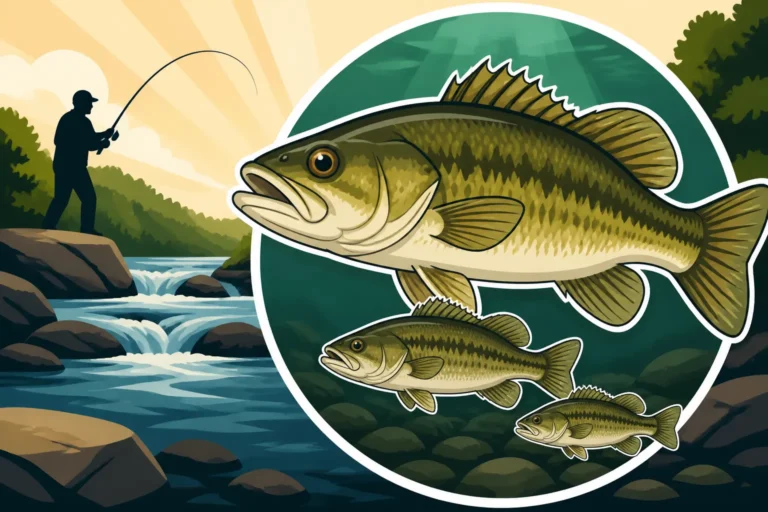
On an average day of fishing in Georgia, you're most likely to catch largemouth bass ranging from about 1 to 4 pounds. These are healthy, aggressive fish that provide fantastic sport and are a blast to catch, especially for newer anglers or kids. They hit hard, fight well, and are abundant in most of our lakes, rivers, and ponds. They're often referred to as "eaters" or "keepers," falling well within the slot limits for consumption if you choose to take some home for dinner. Georgia Fish Size and Creel Limits can provide more detail on what you can legally keep.
Don't underestimate the joy of catching these average-sized bass! They are often the most active, providing consistent action and helping you hone your skills. Plus, a steady stream of 2-pounders can add up to a truly memorable day on the water. Many anglers find immense satisfaction in simply getting bites and feeling that tug on the line, regardless of the ultimate size. It’s the thrill of the chase and the connection to nature that often means more than the measurement.
Defining a "Trophy" Largemouth in Georgia
So, if 1-4 pounds is average, what constitutes a "trophy" largemouth bass in Georgia? Generally, anything over 5 pounds starts to enter the trophy category for many anglers, especially if you're not consistently targeting specific trophy fisheries. A 5 to 7-pound bass is a fantastic catch, often thick-bodied and powerful, representing a significant accomplishment. These fish are typically older, wiser, and have survived many encounters, making their capture even more rewarding.
When we talk about "big" bass, we're usually aiming for that 8-pound mark and above. Double-digit bass, fish weighing 10 pounds or more, are truly exceptional catches that seasoned anglers will chase for years. These are the fish that dominate fishing reports and inspire envy. They require specific techniques, often larger baits, and a deep understanding of bass behavior. Landing a bass in this class usually means a trip to the taxidermist or at least a high-quality replica mount, and a story you’ll tell for the rest of your life. For many, these are the fish that make all the early mornings and frustrating days worth it.
Here’s a quick overview of what you might consider when thinking about bass sizes:
| Category | Weight Range (Pounds) | Description | Angler Experience |
|---|---|---|---|
| Typical Catch | 1-4 | Abundant, feisty, great for consistent action. | All levels |
| Good Catch | 4-6 | Above average, solid fight, memorable day. | Intermediate |
| Trophy Potential | 6-9 | Excellent fish, often thick and healthy, personal best for many. | Experienced |
| True Trophy | 10-15 | Exceptional, hard-earned, worthy of a replica mount. | Dedicated/Expert |
| Legendary | 15+ | Extremely rare, life-changing catch, state record contenders. | Elite/Once-in-a-lifetime |
Key Factors Influencing Largemouth Bass Growth and Size
It’s not just luck that determines how big a largemouth bass gets; a complex interplay of environmental factors and management practices contribute significantly to their growth potential. Understanding these elements can not only deepen your appreciation for these fish but also help you choose fishing spots with a higher likelihood of producing larger specimens.
Forage Abundance and Water Quality
Perhaps the most critical factor in a bass's growth is its food source. Lakes with an abundant and diverse forage base — think threadfin shad, gizzard shad, bluegill, and even smaller crappie or juvenile fish — allow bass to grow quickly and reach larger sizes. When bass have a consistent supply of protein-rich meals, they can pack on pounds rapidly. Water temperature also plays a role; warmer waters generally lead to higher metabolic rates and thus more feeding and faster growth, assuming there’s enough food. This is why many of our southern Georgia lakes can produce such large bass, with their extended warm seasons and rich food chains.
Beyond just food, water quality is paramount. Healthy, clean water with adequate oxygen levels is essential for bass to thrive. Lakes that are well-oxygenated, especially in their deeper sections during summer, provide critical refuge for larger bass. Polluted or overly turbid waters can stress fish, reduce their feeding, and stunt growth. Furthermore, the presence of suitable habitat, like submerged timber, aquatic vegetation, and rock piles, provides both ambush points for feeding bass and protection for their prey, creating a balanced ecosystem where giants can flourish. For anglers looking for the right gear to explore these depths, a good quality fish finder, often found on Amazon, can be invaluable for identifying prime habitat.
Genetics and Lake Management Practices
Just like people, bass have genetics that influence their maximum potential size. Some strains of largemouth bass simply have the genetic blueprint to grow larger than others. In Georgia, the Florida strain largemouth bass, known for its tendency to grow bigger than the native Northern strain, has been stocked in many of our major reservoirs for decades. This stocking strategy has undeniably contributed to the impressive trophy bass fisheries we enjoy today, particularly in lakes like Lanier and Oconee. Largemouth Bass vs Spotted Bass: How to Tell Them Apart in Georgia touches on different bass species and their characteristics.
Beyond genetics, active lake management by the Georgia Department of Natural Resources (DNR) plays a huge role. This includes setting appropriate Georgia Fish Size and Creel Limits, conducting regular fish stockings, monitoring water quality, and creating artificial habitats like brush piles. These efforts aim to create optimal conditions for bass to grow large and to ensure a sustainable fishery for anglers. Without thoughtful management, even the most naturally productive lakes can suffer from overfishing or habitat degradation, which would ultimately limit the size and number of trophy bass available. They also manage public fishing areas (PFAs) with specific goals, often to grow larger fish.
Top Georgia Lakes for Pursuing Larger Largemouth Bass
If your goal is to land that truly impressive largemouth, you'll want to focus your efforts on specific bodies of water known for producing bigger fish. Georgia is blessed with a variety of lakes and rivers that consistently yield excellent bass fishing, but a few stand out when it comes to trophy potential. Best Bass Fishing Lakes in Georgia offers a broader look at top spots.
Northern Georgia Giants: Lakes Lanier and Hartwell
In North Georgia, two lakes frequently come up in conversations about big bass: Lake Lanier and Lake Hartwell. Lake Lanier, while famous for its spotted bass, also produces some truly enormous largemouth. Its deep, clear waters and abundant baitfish population, particularly blueback herring, provide the perfect environment for bass to grow to impressive sizes. Anglers regularly pull largemouth in the 8-12 pound range from Lanier, often targeting brush piles, docks, and creek channels. The challenge here is finding them in such a vast lake, but the reward can be monumental. Best Time of Year to Catch Bass at Lake Lanier, Georgia offers tips on timing your visits.
Lake Hartwell, straddling the Georgia-South Carolina border, is another powerhouse. It's a vast reservoir with a diverse forage base and a mix of deep, clear water and shallow, cover-rich areas. While known for its striped bass and crappie, Hartwell also boasts a healthy population of largemouth, with many reaching double-digit weights. Fishing around submerged timber, rock outcroppings, and secondary points can often put you in front of a giant. These northern reservoirs offer different challenges than their southern counterparts, often requiring deeper presentations and a good understanding of electronics. For those who need to stock up on new lures or heavier lines for these monsters, Amazon has an extensive selection of proven bass fishing tackle.
Central and Southern Georgia Hotspots: Lakes Oconee, Seminole, and West Point
Moving south, Lakes Oconee, Seminole, and West Point are renowned for their largemouth bass fisheries, often producing both quantity and quality. Lake Oconee, fed by the Oconee River, is famous for its warm water discharge from the Wallace Dam power plant, which keeps fish active even in cooler months. This extended growing season, coupled with a healthy shad population, helps largemouth bass here reach impressive sizes. It's not uncommon to see 8 to 10-pound bass landed, especially during the spring spawn. The lake's abundant docks and rip-rap provide excellent cover.
Lake Seminole, located in Southwest Georgia, is a shallow, sprawling lake known nationally for its trophy bass potential. Its vast expanses of hydrilla and other aquatic vegetation create a rich ecosystem where largemouth bass grow quickly and to immense sizes. Double-digit bass are a regular occurrence on Seminole, making it a bucket-list destination for many trophy hunters. However, fishing here requires specialized techniques to navigate the dense vegetation.
West Point Lake, on the Chattahoochee River, is another consistent producer of quality largemouth. Its mixture of timber, points, and creek channels provides varied habitat, and anglers often find success with a range of techniques, from flipping jigs to throwing topwater lures. The lake sees good management and healthy populations, meaning your chances of tying into a stout 6- to 8-pounder, with bigger fish always possible, are quite good. When targeting these bigger bass, having the right rod and reel setup is crucial; checking out heavy-duty baitcasting combos on Amazon can give you an edge. Best Rods and Reels for Georgia Largemouth Bass also offers some great advice.
The Role of Public Fishing Areas (PFAs)
Don't overlook Georgia's Public Fishing Areas (PFAs) when chasing bigger bass. These smaller, intensively managed lakes are specifically designed to provide quality fishing opportunities, and many are managed for trophy bass. While they might not produce world records, PFAs often have strict slot limits and robust stocking programs that allow a portion of the bass population to grow to substantial sizes.
For instance, lakes like Paradise PFA near Tifton, Marben Farms PFA near Mansfield, or Big Lazer Creek PFA near Talbotton can offer excellent chances at 5 to 8-pound largemouth, and sometimes even larger. The smaller size of these lakes can also make them more accessible and less intimidating than the vast reservoirs, making it easier to pinpoint key fishing spots. These are perfect places to hone your skills for targeting larger bass and to enjoy a more controlled, often less crowded, fishing experience.
Maximize Your Chances: Gear, Technique, and Mindset for Big Bass
Catching truly large largemouth bass in Georgia often requires more than just being on the right lake; it demands attention to detail in your gear, a willingness to adapt your techniques, and a patient, persistent mindset. These fish are not only bigger but often smarter, having evaded many anglers before you.
Choosing the Right Gear for the Job
When you’re targeting trophy largemouth, your everyday spinning combo might not cut it. You need gear that can handle the sheer power of a big bass and the heavy cover they often inhabit. This usually means a heavy-action baitcasting rod, typically 7 to 7.5 feet long, paired with a high-quality baitcasting reel. The reel should have a smooth drag system and enough torque to pull a strong fish out of dense vegetation or timber. As for line, many serious anglers opt for braided line, often 50-65 pound test, for its strength and sensitivity, especially when fishing around heavy cover. If you prefer fluorocarbon or monofilament, consider stepping up to 17-25 pound test. Best Rods and Reels for Georgia Largemouth Bass gives a deep dive into specific recommendations.
Your choice of lures also shifts when hunting giants. While smaller baits catch fish, bigger bass often prefer bigger meals. Think large swimbaits, magnum crankbaits, oversized jigs, and substantial soft plastics like 10-inch worms or creature baits. These baits mimic larger prey and present a more enticing meal to a trophy-sized bass that needs to conserve energy. Don't forget to ensure your hooks are sharp and strong enough to withstand the fight of a big fish. You can find robust hooks and quality tackle organizers on Amazon to keep your big bass arsenal ready for action.
Techniques for Enticing Larger Bass
Trophy bass are often solitary and reside in specific, advantageous locations. They are less likely to chase down fast-moving baits across open water. Instead, they prefer to ambush prey from cover. Therefore, techniques that allow you to present a bait slowly and meticulously in heavy cover are often the most effective. Flipping and pitching jigs or Texas-rigged plastics into thick brush, submerged timber, or under docks are prime examples. These techniques allow you to drop your bait precisely into a bass's living room and keep it there for an extended period.
Deep cranking along offshore ledges, slow-rolling large spinnerbaits near submerged humps, or patiently working a big swimbait can also tempt a lunker. Presentation is key; you often need to provoke a reaction strike rather than rely on the bass actively feeding. Remember that big bass are also often caught during specific times, like the pre-spawn and spawn periods in spring when they move shallower, or during low-light conditions. Seasonal Bass Fishing Patterns in Georgia provides great insights into these seasonal shifts.
The Mindset of a Trophy Hunter
Finally, a crucial, yet often overlooked, aspect of catching big bass is your mindset. Patience is a virtue when targeting trophy fish. You might go hours without a bite, or even an entire day, but the dedication to that one big bite is what separates trophy hunters from casual anglers. Persistence is also key; continuing to cast into productive areas, trying different angles, or switching baits until you crack the code.
Most importantly, learn to "read" the water. Understand how current, wind, depth, and cover influence bass behavior. Pay attention to changes in weather patterns, barometric pressure, and water temperature. Each cast should be a deliberate decision, not just a random fling. Every fish caught, regardless of size, offers a lesson. Study your mistakes, celebrate your successes, and maintain an unwavering belief that the next cast could be the one. The quest for a truly big largemouth bass in Georgia is a journey, not just a destination, and every moment on the water contributes to the experience.
Disclaimer
This article is for general informational purposes only and does not constitute professional advice. Laws, prices and regulations vary by location and change over time. Consult a qualified professional for guidance on your specific situation.