Best Time of Year to Catch Largemouth Bass in Georgia
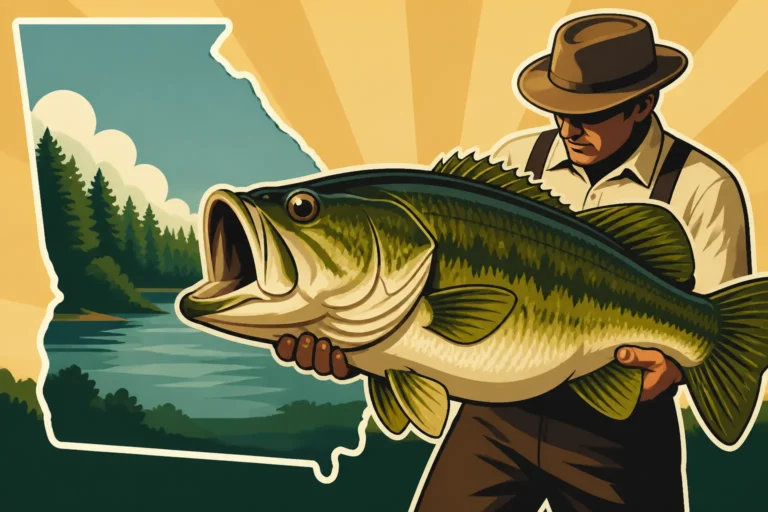
If you're an angler in Georgia, you've probably asked yourself countless times: "When is the absolute best time to catch a largemouth bass?" It's a question that plagues us all, because while you can certainly catch bass year-round, knowing when to go and what to do can make all the difference between a frustrating day and a fantastic haul. This guide is here to break down the seasonal patterns of Georgia's largemouth bass, helping you pinpoint the prime times and tailor your approach for success, no matter the calendar date.
Understanding Largemouth Bass Behavior by Season
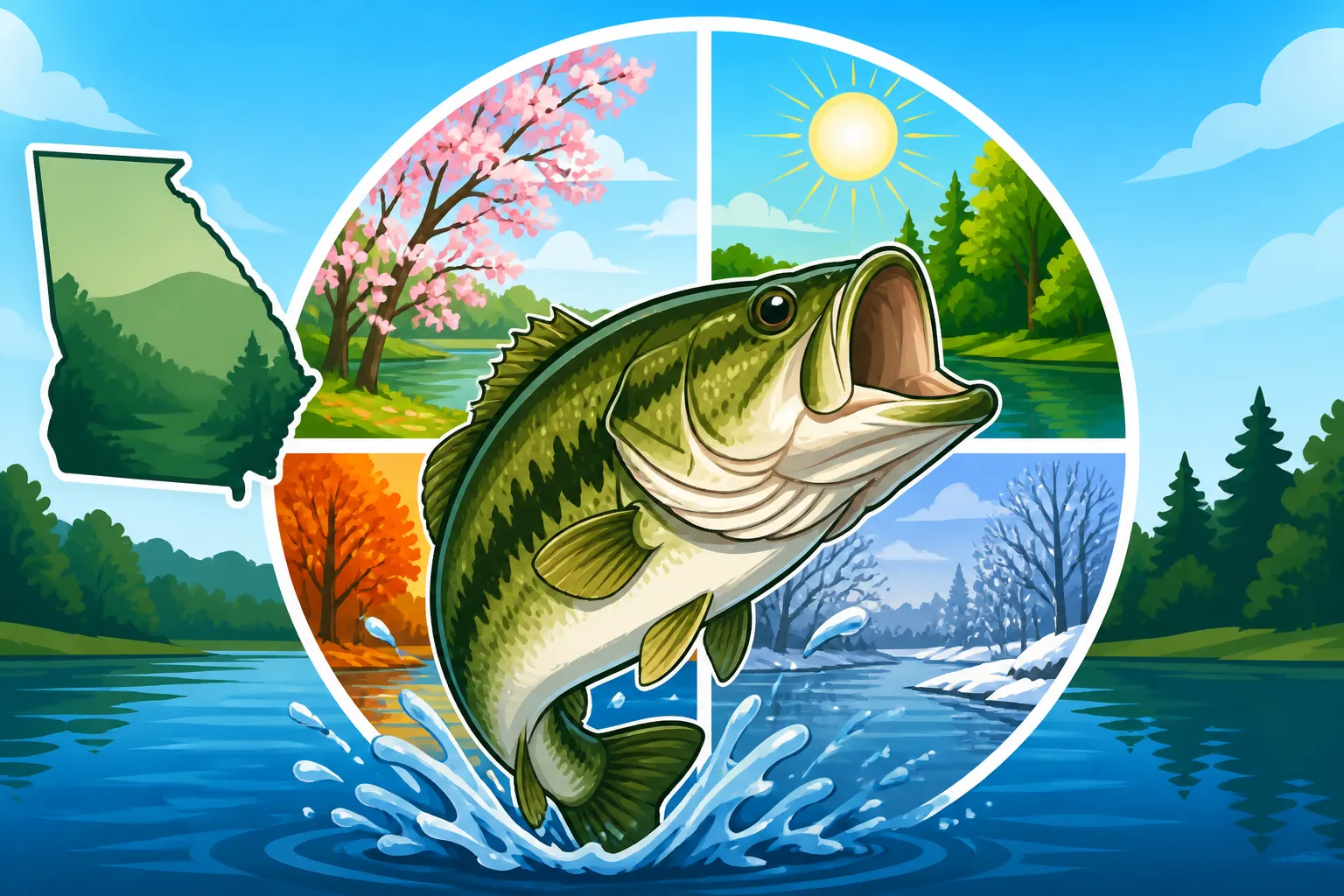
Largemouth bass are creatures of habit, but their habits are heavily dictated by the changing seasons and, most importantly, water temperature. Understanding these annual cycles is the first step to consistently finding and catching these elusive fish across Georgia's diverse waterways, from the big reservoirs to the smaller ponds and rivers. Their metabolism, feeding patterns, and preferred habitats shift dramatically throughout the year.
Spring: The Pre-Spawn and Spawn Frenzy
Ah, spring! This is arguably the most anticipated time of year for many bass anglers, and for good reason. As winter's chill loosens its grip and water temperatures begin to rise, largemouth bass start moving from their deeper wintering grounds toward shallower areas, driven by the urge to spawn. This period is often split into two distinct phases: pre-spawn and the actual spawn.
During pre-spawn, typically when water temperatures are in the mid-50s to low-60s Fahrenheit, bass are actively feeding to bulk up for the energy-intensive spawning process. They're often found staging on points, humps, and secondary coves leading into prime spawning flats. This is a fantastic time for aggressive presentations, as the fish are hungry and willing to chase down a meal. You'll find them cruising the edges of drop-offs, often holding near some form of cover as they transition. For more detailed insights, check out Spring Bass Fishing Patterns on Georgia's Reservoirs.
Once the water hits the mid-60s, usually from late March through May in many parts of Georgia, the spawn officially kicks off. Bass will move into very shallow, protected areas like coves, pockets, and flats with submerged vegetation or hard bottoms, building nests and guarding their eggs and fry. While some anglers target bedding bass, others prefer to fish the pre-spawn or post-spawn when fish are more actively feeding. The fish are often focused on reproduction, but a well-placed bait can still draw a defensive strike from a territorial bass.
Summer: Deep Water and Early Morning Bites
As Georgia's heat truly sets in, usually from June through August, water temperatures soar, pushing many largemouth bass into deeper, cooler, and more oxygenated waters. The frantic activity of spring slows considerably, and the fish become more lethargic during the brightest parts of the day. This doesn't mean fishing is impossible; it just means you need to adjust your strategy significantly.
During the peak of summer, bass will often seek refuge in deeper creek channels, submerged timber, offshore humps, and points, or beneath thick mats of vegetation that provide shade and cover. Early mornings and late evenings become prime fishing times, as the sun is less intense, and bass may move shallower to feed. Night fishing can also be incredibly effective during this period, especially for larger bass that become more active under the cover of darkness. Understanding How Water Temperature Affects Fish Behavior is absolutely crucial during these hot months.
Locating schools of baitfish, like shad, becomes paramount in summer. Bass will follow these schools into deeper water, often suspending over ledges or congregating around thermoclines. Electronics like fish finders can be invaluable for pinpointing these elusive summer patterns. Targeting deep brush piles or the shade lines of docks and standing timber can also yield good results when the sun is high.
Fall: Feeding for Winter
Just as spring sees bass preparing for the spawn, fall sees them preparing for winter. As water temperatures begin to drop in September and October, largemouth bass enter a period of aggressive feeding known as the "fall turnover." This is another excellent time to be on the water, as fish are actively chasing bait to build up fat reserves before the cold weather sets in.
During the fall, baitfish, which have grown larger throughout the summer, often move into creeks and shallower pockets as the main lake water cools. Largemouth bass follow this movement, creating fantastic opportunities for anglers. You'll find them schooling up and feeding voraciously on shad and other forage. This period is characterized by active fish, often willing to strike a wide variety of lures. To master this season, be sure to study Fall Bass Fishing Patterns on Georgia's Lakes.
As fall progresses into late November and December, and water temperatures continue to fall into the low-50s and 40s, bass will begin their migration back to deeper wintering areas. While the frenzied feeding may taper off, they still need to eat. This transition phase means you might find fish scattered, but those you do locate are often healthy and robust, having fed heavily through the earlier fall months.
Winter: Slow and Deep
Winter fishing in Georgia, typically from December through February, can be challenging but incredibly rewarding for the patient angler. With cold water temperatures, the metabolism of largemouth bass slows down significantly. They become less active, conserve energy, and often congregate in deep, stable areas. Don't expect fast and furious action, but the bites you get can often be from larger, more sluggish fish.
Bass in winter will typically hold near deep structure, such as creek channel ledges, submerged roadbeds, bridge pilings, and deep timber. They often suspend in schools, sometimes relating to baitfish or simply waiting for a meal to pass by. Slow, subtle presentations are key here, as bass aren't going to exert much energy to chase a fast-moving bait. This is where patience truly pays off. Places like Lake Sinclair, with its warmer waters due to power plant discharges, can offer some unique opportunities; read more at Winter Fishing at Lake Sinclair While Other Georgia Lakes Slow Down.
While the fish are less active, they do still feed. Look for slight temperature increases or stable weather patterns that might trigger a short feeding window. Sunny days, even if cold, can warm shallow areas enough to bring some baitfish, and thus bass, up for a short period. Focus on slow-rolling spinnerbaits, jigging spoons, or soft plastics fished painstakingly slowly along the bottom.
Key Factors Influencing Bass Activity
Beyond the general seasonal patterns, several specific environmental factors play a huge role in how active largemouth bass will be on any given day. Paying attention to these details can help you dial in your approach and increase your chances of success.
Water Temperature is King
We've touched on it, but it bears repeating: water temperature is arguably the most critical factor influencing largemouth bass behavior. Fish are cold-blooded, meaning their body temperature mirrors that of their environment, directly impacting their metabolism, digestion, and activity levels.
- Comfort Zones: Bass generally thrive in water temperatures between 65 and 75 degrees Fahrenheit. This is when they are most active and feed most aggressively. As temperatures move outside this range, either colder or warmer, their activity levels will decrease.
- Optimal Ranges:
- Cold (Below 50°F): Very slow metabolism, deep water, subtle bites.
- Cool (50-60°F): Pre-spawn movement, still a bit sluggish but starting to feed up.
- Warm (60-70°F): Peak activity, spawn, aggressive feeding.
- Hot (Above 75°F): Deeper water, low light feeding, heat stress.
Knowing the water temperature of the specific body of water you're fishing is invaluable. Many modern fish finders, readily available on platforms like Amazon, include temperature sensors that give you real-time data, helping you quickly identify comfort zones.
Weather Patterns and Barometric Pressure
The weather forecast isn't just for planning your outfit; it's vital for understanding bass behavior. Changes in atmospheric pressure, approaching fronts, and even cloud cover can significantly impact how and when bass feed.
- Stable vs. Changing Weather: Bass tend to be more active during periods of stable weather. A slow, steady change in weather is usually better than a sudden, dramatic shift. For instance, a prolonged period of warm, sunny days in winter can make bass more active than a single warm day followed by a cold front.
- Approaching Fronts: Often, right before a cold front moves in, the barometric pressure drops, and bass can go on a feeding spree. This is a fantastic time to be on the water, as fish know a change is coming and often feed aggressively. Conversely, directly after a cold front, when pressure is high and skies are clear, bass can become lock-jawed and much harder to catch, often retreating to deep cover. You'll need to adjust your How to Catch Bass on a Cloudy Day techniques.
- Cloud Cover and Rain: Overcast days or light rain can often be excellent for bass fishing, as it reduces light penetration and can make bass feel more comfortable moving into shallower water to feed throughout the day. Heavy storms, however, can disrupt patterns, leading to less predictable fishing immediately afterward.
Forage and Baitfish Movement
Largemouth bass are apex predators within their environment, and their movements are intrinsically linked to the availability and movement of their primary food sources. Understanding what baitfish are doing will often lead you to the bass.
- Shad, Bluegill, and Crawfish: In Georgia, common bass forage includes various species of shad (threadfin and gizzard), bluegill, other panfish, and crawfish. Bass will follow these baitfish wherever they go. If shad are schooling in open water, bass will be nearby, often underneath or on the edges of the schools. If bluegill are nesting in shallow coves, bass will patrol those areas.
- Seasonal Movements: Baitfish also have seasonal patterns. In spring, they'll move shallow, just like bass. In summer, they might retreat to deeper, cooler water. In fall, they often push into creeks and coves, triggering major bass feeding frenzies. Mimicking these prevalent baitfish with your lures, whether it's the size, color, or action, can be highly effective. A wide variety of proven baitfish imitations can be found on Amazon, often with user reviews to help you choose.
Best Times for Trophy Largemouth vs. Numbers
When you head out fishing, are you aiming for one giant, memory-making bass, or are you hoping to catch a boatload of solid keepers? The time of year can significantly influence your chances for either. Targeting a true lunker often requires a different strategy and patience than simply aiming for a high catch count.
Targeting Giants: When to Focus Your Efforts
If your dream is to land a true trophy largemouth bass in Georgia, you'll want to focus your efforts during specific windows when these larger fish are most vulnerable or actively feeding.
- Late Winter/Early Spring (Pre-Spawn): This is arguably the absolute best time for trophy bass. As female bass prepare for the spawn, they are at their heaviest, full of eggs, and actively feeding to gain energy. They're also moving into more predictable, shallower staging areas before hitting the beds. This transition makes them more accessible to anglers than when they're hiding deep in winter or spread out post-spawn. Big jigs, slow-rolled spinnerbaits, and large crankbaits are go-to baits for this period.
- Fall (Late Turnover): While not as consistent as pre-spawn, the fall feeding frenzy can also produce some giants. As bass gorge themselves before winter, they're less picky and more likely to strike larger baits. If you can locate schools of big baitfish, there's a good chance a lunker bass is lurking nearby, ready to ambush a meal. Focus on areas where baitfish are abundant, often near creek mouths or main lake points.
- Deep Summer Night Fishing: Don't underestimate the power of night fishing for big bass in the summer. With less pressure and cooler temperatures, larger bass, which are often shy during the day, will move up to feed. Big topwater lures, dark-colored jigs, and slow-moving worms can entice these nocturnal giants. Patience and quiet presentation are key here.
Consistent Action: Finding More Bites
If a high catch rate and consistent action are what you're after, rather than just one monster, you might adjust your timing and tactics to maximize your bites.
- Peak Spring (Spawn & Post-Spawn): While trophy hunters target the pre-spawn, the actual spawn and immediate post-spawn can offer incredible numbers. While some fish are on beds, others are recovering and feeding. The sheer number of bass in shallower areas means more opportunities. Techniques like wacky-rigged worms, small jigs, and finesse plastics can yield multiple bites as fish are still somewhat concentrated.
- Late Spring/Early Summer: As bass transition from spawning to their summer patterns, they can still be caught in good numbers. They'll often be found in medium depths, feeding on a variety of forage. This is a time of year where topwater action can be fantastic, especially in the mornings and evenings, providing exciting visual strikes. You might catch a mixed bag of sizes, but the action can be steady. For specific lake strategies, consider Best Time of Year to Catch Bass at Lake Lanier, Georgia.
- Early Fall (Before Turnover): Just as the water starts to cool down, but before the deep winter patterns set in, bass can be incredibly active. They are less sluggish than in summer but not yet as deep as in winter. This often means they are more spread out and willing to chase a variety of baits, from crankbaits to spinnerbaits, making for fun, active fishing with plenty of bites.
Essential Gear and Techniques for Each Season
Having the right gear and knowing the appropriate techniques for the season is paramount to success. While a basic spinning or baitcasting combo will serve you all year, optimizing your setup can greatly improve your results.
| Season | Primary Bass Behavior | Recommended Baits/Lures | Key Techniques | Optimal Time of Day |
|---|---|---|---|---|
| Spring | Pre-spawn/Spawn, aggressive | Jigs, crankbaits, spinnerbaits, plastic worms | Slow rolling, pitching, flipping, sight fishing | All day |
| Summer | Deep, less active, nocturnal | Deep-diving crankbaits, jigs, drop shot, topwater | Deep cranking, jigging, early/late topwater | Early/Late, Night |
| Fall | Feeding heavily, schooling | Crankbaits, spinnerbaits, lipless cranks, topwater | Power fishing, schooling fish techniques | All day |
| Winter | Deep, slow metabolism, lethargic | Jigs, suspending jerkbaits, shaky heads, spoons | Slow presentations, vertical jigging, dragging | Mid-day, warmest part |
Springtime Tactics
In spring, you're often dealing with bass that are either bulking up or guarding a nest. For the pre-spawn phase, aggressive lures that mimic larger baitfish are excellent. Think about a medium-heavy baitcasting rod and reel, spooled with 15-20 lb fluorocarbon or monofilament. You can find some excellent all-around combos on Amazon that will handle everything from a jig to a spinnerbait. Work crankbaits, spinnerbaits, and bladed jigs around points and transition areas leading into spawning flats.
When the spawn is on, a different approach is often needed. While you can certainly catch them aggressively, many anglers opt for more subtle presentations. A spinning rod with lighter line (8-12 lb fluorocarbon) is perfect for Texas-rigging or wacky-rigging soft plastics like senkos or worms. Pitch these soft baits into visible beds or around shallow cover where bass are likely nesting. Patience is key; a slow, subtle twitch is often all it takes to provoke a strike from a territorial bass. Basic Fishing Techniques Every Beginner Should Know covers some of these presentations.
Summer Strategies
Summer bass fishing is all about adapting to the heat and finding those deeper fish. For deep-water techniques, you'll want a sensitive baitcasting rod for feeling those subtle bites, paired with a high-speed reel to quickly take up slack. Deep-diving crankbaits are fantastic for covering water and probing ledges. Look for models with different dive depths to match the thermocline or fish depth.
For working soft plastics in deeper water, a versatile spinning setup is often preferred for finesse techniques like drop-shotting or shaky head jigs. These allow you to present a small, subtle bait directly to lethargic bass. Don't forget those early morning or late evening topwater bites! A popper or walking bait on a medium-heavy rod can be incredibly exciting when bass come up to feed. You'll find a vast selection of these specialized lures and rigs available for purchase on Amazon, allowing you to stock up for any summer scenario.
Fall Fishing Approaches
Fall is a time for active fishing. Bass are chasing bait, often in schools, and you can cover a lot of water quickly. Power fishing techniques truly shine. Grab your favorite medium-heavy casting rod and tie on a lipless crankbait, a fast-moving spinnerbait, or a rattling jerkbait. These baits excel at imitating fleeing baitfish and can trigger vicious reaction strikes.
Look for areas with schooling baitfish, often found near creek mouths or main lake points. Keep an eye on your fish finder; if you see clouds of bait, bass are almost certainly nearby. Topwater lures can also be devastating in the fall, especially during those crisp mornings when baitfish are pushed to the surface. Walking baits and poppers can elicit explosive strikes. The variety of colors and actions in fall can be overwhelming, but a simple search on Amazon for "fall bass lures Georgia" can give you a great starting point.
Winter Persistence
Winter fishing requires patience and a slow hand, but the rewards can be worth it. For deep-water jigging and slow-rolling, a medium-heavy rod with a sensitive tip is a must for detecting those barely-there bites. Fluorocarbon line is often preferred due to its low stretch and invisibility in clear, cold water.
Go-to baits include football jigs, suspending jerkbaits, and spoons. Fish jigs painstakingly slowly along the bottom of deep ledges and creek channels, letting them sit for extended periods. Suspending jerkbaits are excellent when twitched and paused, mimicking a dying baitfish. Spoons can be vertically jigged over schools of deep bass, often identified on your fish finder. Remember, bass won't chase much in winter, so get your bait right in front of them and keep it there. While you might not need a huge tackle box for winter, having a few proven cold-water lures is key, and Amazon can help you find those specific items. Don't forget to review Best Rod and Reel Combo for Largemouth Bass in Georgia to ensure your gear is up to snuff for any season.
Disclaimer
This article is for general informational purposes only and does not constitute professional advice. Laws, prices and regulations vary by location and change over time. Consult a qualified professional for guidance on your specific situation.