How Barometric Pressure Affects Fish Activity
If you've spent any time on Georgia's beautiful lakes and rivers, you've likely experienced those frustrating days when the conditions seem absolutely perfect – beautiful weather, right time of year, all your favorite spots – yet the fish just aren't biting. Or, conversely, you've had those unexpected banner days when everything clicks, even when it felt a little "off." Often, the invisible hand at play is barometric pressure, a factor many anglers overlook, but one that profoundly affects how active and willing fish are to strike. This guide will help you decode barometric pressure's subtle influence, so you can start predicting fish activity like a seasoned pro.
What is Barometric Pressure and Why Does it Matter to Fish?
Let's start with the basics. Barometric pressure is essentially the weight of the air pressing down on the Earth's surface. We don't usually feel it, but it's constantly changing, especially with weather systems moving in and out. Think of it like a giant, invisible blanket of air. When that blanket gets heavier, pressure rises; when it gets lighter, pressure falls. These changes, even small ones, have a huge impact on fish, particularly those in freshwater lakes and rivers, because of a neat little organ called a swim bladder.
Most fish have a swim bladder, which is basically an internal gas-filled sac that helps them maintain buoyancy in the water column. It's like their personal floatation device, allowing them to expend less energy to stay at a certain depth. When barometric pressure changes, it directly affects this swim bladder. Imagine blowing up a balloon; if you push on it (higher external pressure), it gets smaller. If you release the pressure, it expands. Fish experience a similar sensation with their swim bladders. Sudden, dramatic changes can cause discomfort as their bodies work to adjust, often leading to a slowdown in activity. Understanding this physiological response is the first step to truly "reading" the water beyond what your eyes can see.
High Pressure vs. Low Pressure: Decoding Fish Behavior
The actual measurement of barometric pressure (often expressed in inches of mercury or millibars) isn't as important as how it's changing and whether it's generally high or low. Fish react very differently to these two overarching conditions.
The Challenges of High-Pressure Systems
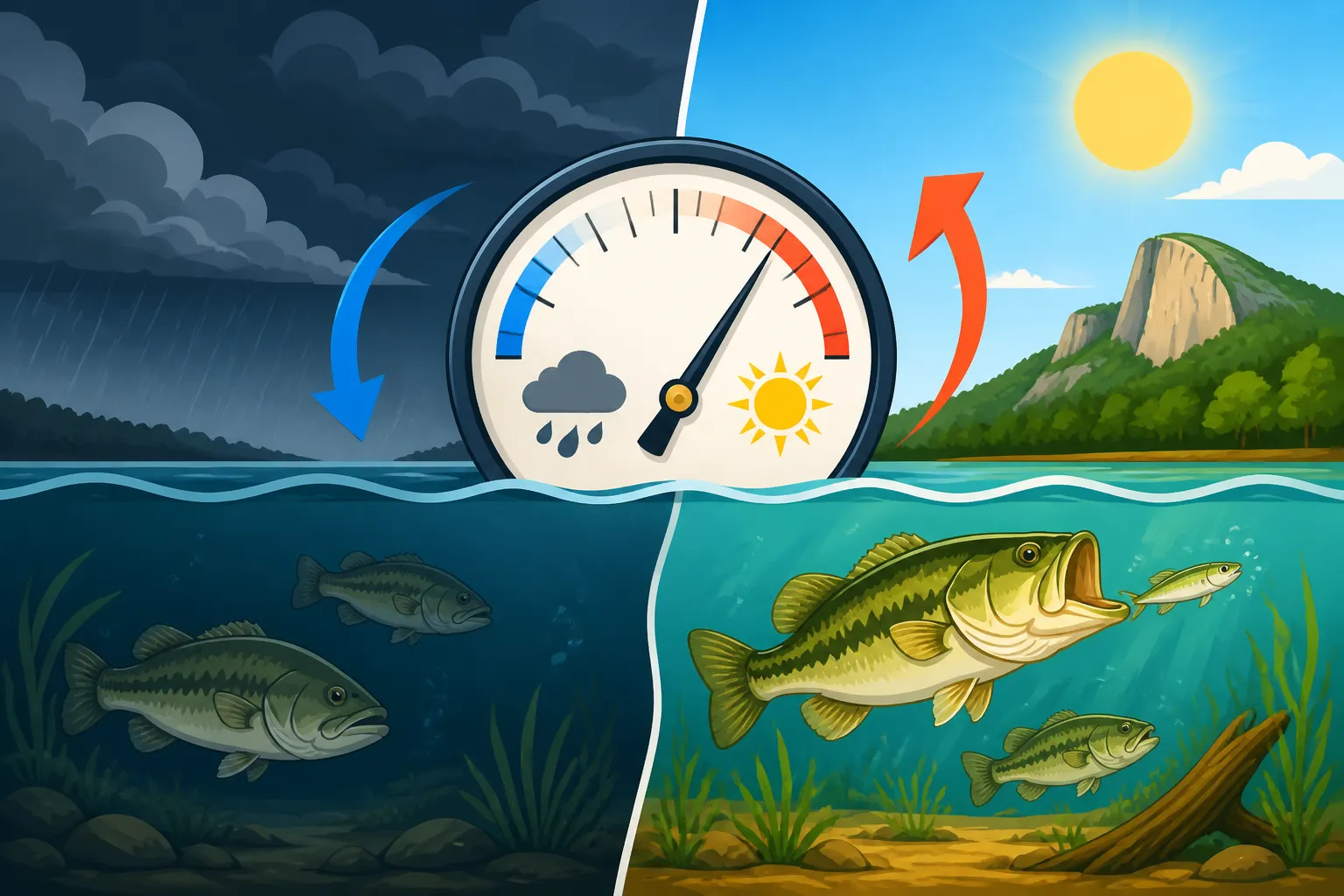
High-pressure systems typically bring clear skies, calm winds, and cooler temperatures – what many anglers would consider "picture perfect" weather. But for fishing, it can often mean tougher bites. As atmospheric pressure increases, it pushes down more on the water, which in turn compresses a fish's swim bladder. To compensate, fish often have to move deeper to equalize the pressure, or they become less active while their bodies adjust. This physiological discomfort is a big part of why they get lockjaw.
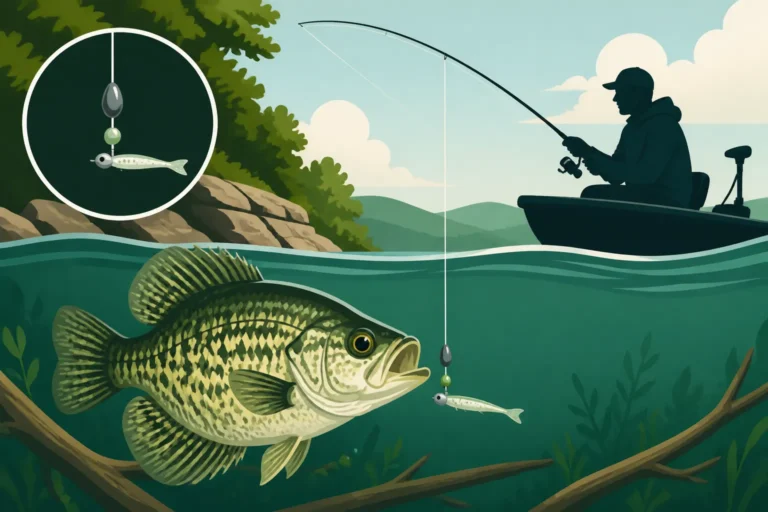
Think about it from the fish's perspective: if you suddenly felt a constant squeezing sensation, would you be aggressively chasing a meal? Probably not. Fish tend to be lethargic, suspending in deeper water or hugging cover tightly. They might not be feeding actively, or if they are, their strikes can be incredibly subtle. This is when finesse techniques become absolutely critical. You might need to scale down your baits, slow down your retrieve, and really focus on detecting those light taps. Sometimes, during these periods, fish will retreat to dense cover or drop-offs, seeking comfort and security. Learning to adapt your approach to these conditions is key to success, rather than simply throwing your usual lures. This is also why understanding How Water Temperature Affects Fish Behavior can provide another piece of the puzzle, as high pressure often coincides with colder, clearer water.
The Opportunities of Low-Pressure Systems
Conversely, low-pressure systems are often associated with cloudy, unstable weather, even rain or storms. Many anglers might shy away from fishing in these conditions, but they can actually be some of the most productive times. As atmospheric pressure decreases, the pressure on the water lessens, allowing a fish's swim bladder to expand. This expansion actually makes fish feel more comfortable and buoyant, which often translates to increased activity and aggression.
When a low-pressure system is moving in, fish tend to move shallower and become more active feeders. They often feel more at ease, their digestive systems might work better, and they might sense an impending storm, triggering a feeding frenzy before the weather truly breaks. This is when those bigger, more aggressive lures and faster retrieves can really shine. If you're targeting bass, for example, this could be the time for spinnerbaits, crankbaits, or even topwater presentations if the conditions are right. Don't be afraid to brave a little drizzle if a low-pressure front is approaching; it could lead to some of your best catches. Just remember, once the full force of a major storm hits, it's often best to seek shelter, as lightning and high winds are no joke. For safety, always be aware of How Many Life Jackets Do You Need on a Boat in Georgia and keep them accessible.
Falling, Rising, and Stable Pressure: Predicting Bites
While high and low pressure define general trends, the direction and speed of pressure change are even more critical for predicting immediate fish activity.
The Excitement of Falling Pressure
A falling barometer, indicating a low-pressure system is moving in, is almost universally considered one of the best times to fish. As the pressure steadily drops, fish feel increasingly comfortable, buoyant, and often get a sense that a change in weather is on its way. This is their cue to feed aggressively. They'll often move from deeper holding areas to shallower feeding grounds, actively searching for prey.
This pre-front feeding binge can be fantastic for almost all species, from largemouth bass to crappie and even trout in mountain streams. It's an ideal time for active presentations, covering water quickly, and experimenting with reaction baits. You might find fish hitting lures they wouldn't even look at during stable or rising pressure. If you can get out on the water when the barometer is steadily dropping, but before the worst of a storm hits, you're often in for a treat. Keeping a close eye on weather apps or a simple handheld barometer, easily found on places like Amazon, can give you a significant advantage. This period can often coincide with pre-storm conditions that make Does Rain Make Fishing Better or Worse? a nuanced question, often leaning towards better just before the heaviest precipitation.
The Challenge of Rising Pressure
Just as a falling barometer signals a good bite, a rising barometer, following a low-pressure system, usually means fishing is about to get tougher. As high pressure moves in, fish's swim bladders are compressed, and they become less comfortable and less active. This is often described as a "post-front" condition, characterized by clear skies, bright sunshine, and calm winds, but with fish that have developed a serious case of lockjaw.
During rising pressure, fish will often retreat to deeper water, seek dense cover, or suspend in the water column, becoming much more difficult to entice. Their metabolism might slow down, and they're less inclined to chase fast-moving baits. This is the time to really slow down your approach, use finesse tactics, and target specific cover or structure where fish might be hunkered down. Soft plastics, slow-moving jigs, and live bait presented patiently can be effective. Sometimes, simply waiting for the pressure to stabilize is the best strategy. This difficult period is often linked to the slowdown described in Fishing After a Cold Front, as cold fronts bring rapidly rising pressure and clear, often cold, conditions.
The Comfort of Stable Pressure
Stable barometric pressure – whether it's stable high pressure or stable low pressure – generally means consistent, predictable fishing. When the pressure isn't moving much, fish have had time to adjust to the conditions. They've found their comfort zones and established their feeding patterns.
- Stable High Pressure: If the pressure has been high and stable for a few days, fish might still be deeper or tighter to cover, but they'll be more willing to feed than during a period of rapidly rising pressure. Their bodies have adjusted, and they'll resume more normal activities, albeit perhaps with less aggression than during low pressure. Finesse techniques will still be key, but you might find more consistent bites.
- Stable Low Pressure: This is usually a fantastic time to fish! If a low-pressure system has settled in and is holding steady, fish will be comfortable, active, and feeding well. They might be in shallower areas, cruising open water, and generally more aggressive. This is when you can confidently use a wider range of lures and techniques, including faster retrieves and more powerful presentations.
The consistency of stable pressure allows both you and the fish to establish a rhythm. If you're tracking the weather and notice the barometer isn't fluctuating much, you can expect a fairly consistent bite for the conditions.
Here's a quick overview of how fish generally react to different barometric pressure trends:
| Barometric Pressure Trend | Fish Activity Level | Recommended Fishing Strategy |
|---|---|---|
| Falling | High, aggressive | Fast retrieves, reaction baits, cover water quickly |
| Stable Low | High, consistent | Varied lures, active presentations, target aggressive fish |
| Stable High | Moderate, subtle | Finesse tactics, slow presentations, target cover/structure |
| Rising | Low, lethargic | Very slow, finesse, live bait, target deep or dense cover |
| Extremely Low/Storm | Very Low/Shutdown | Seek shelter, avoid fishing during peak storm conditions |
Applying Barometric Pressure Knowledge to Your Georgia Fishing Trips
Now that you understand the "why" and "how," let's talk about putting this knowledge into practice on Georgia's diverse waterways, from the mountain streams for trout to the large reservoirs for bass.
Monitoring the Barometer: Your New Best Friend
You don't need fancy equipment to track barometric pressure. Many weather apps on your phone include barometric readings and trends. You can also purchase a simple handheld barometer or a fishing-specific watch that tracks pressure, often available through retailers like Amazon. The key isn't just knowing the current pressure, but observing its trend over several hours or days. Is it steadily climbing? Plummeting rapidly? Holding steady? This trend will give you the most valuable insights into Seasonal Bass Fishing Patterns in Georgia or even where trout might be hiding in the Chattahoochee River.
Keeping a fishing journal where you note the barometric pressure before and during your trips, alongside your catches, lure choices, and locations, can reveal personal patterns for your favorite spots. Over time, you'll start to see correlations that will dramatically improve your success.
Adjusting Your Approach to Pressure Changes
Knowing the pressure trend empowers you to make smarter decisions about how and where to fish:
- Lure Selection: During falling or stable low pressure, don't be afraid to throw bigger, more colorful, or faster-moving baits. Think spinnerbaits, crankbaits, swimbaits, and topwater lures. When pressure is rising or high and stable, switch to finesse. Small jigs, shaky heads, drop shots, weightless worms, and live bait are often more effective. This understanding significantly helps when choosing Best Lures for Early Spring Fishing or any other season.
- Presentation Speed: High activity days mean you can often cover water faster. Low activity days demand a snail's pace, working your lure painstakingly slowly and letting it soak in strike zones.
- Depth and Location: During low pressure, fish tend to move shallower and spread out. You'll find them closer to shorelines, submerged grass beds, or points. During high pressure, they'll often retreat to deeper water, suspend over structure, or bury themselves in dense cover like brush piles or docks. Adjusting to these depth changes is crucial for success, especially during Winter Fishing Patterns on Georgia's Reservoirs.
- Time of Day: While fish might feed at any time during favorable pressure, periods of stable low or falling pressure can extend feeding windows, making morning and evening bites even more productive. Conversely, during high pressure, those "golden hours" might be the only productive times, and even then, the bites might be subtle. This relates directly to optimizing your efforts based on Best Time of Day to Fish for Bass.
By incorporating barometric pressure into your fishing strategy, you're adding another powerful tool to your arsenal. It's not the only factor, but it's a significant one that, once understood, can turn frustrating days into rewarding ones. Pay attention to the invisible weight of the air, and you'll find yourself much more in tune with the rhythm of the fish below.
Disclaimer
This article is for general informational purposes only and does not constitute professional advice. Laws, prices and regulations vary by location and change over time. Consult a qualified professional for guidance on your specific situation.