White Crappie Identification Guide
White crappie identification features include dark vertical bars along the sides and distinctive physical traits of Georgia panfish.
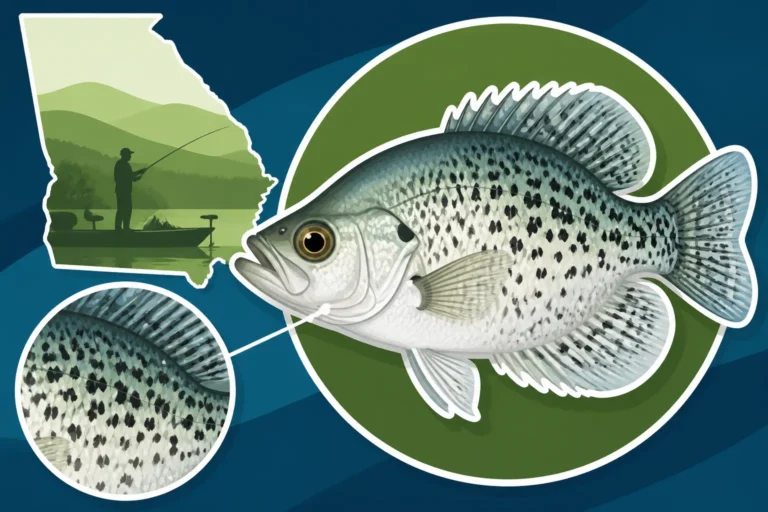
White crappie identification features include dark vertical bars along the sides and distinctive physical traits of Georgia panfish.
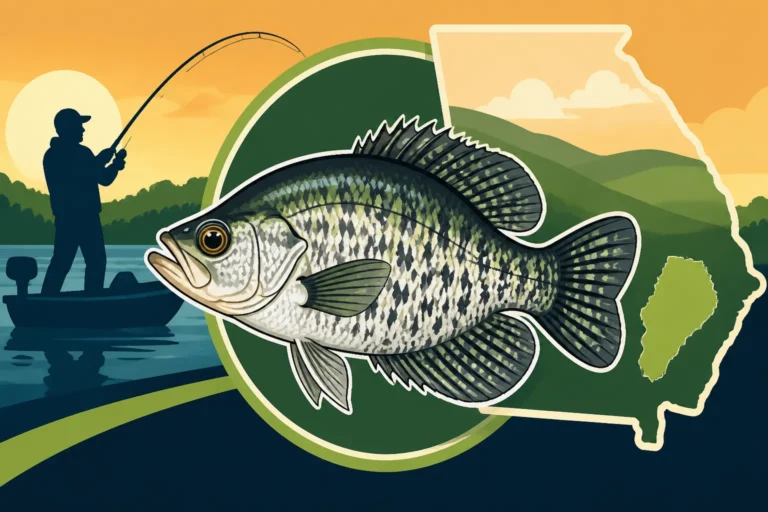
Black crappie identification helps Georgia anglers count seven or eight dorsal fin spines to differentiate species in lakes.
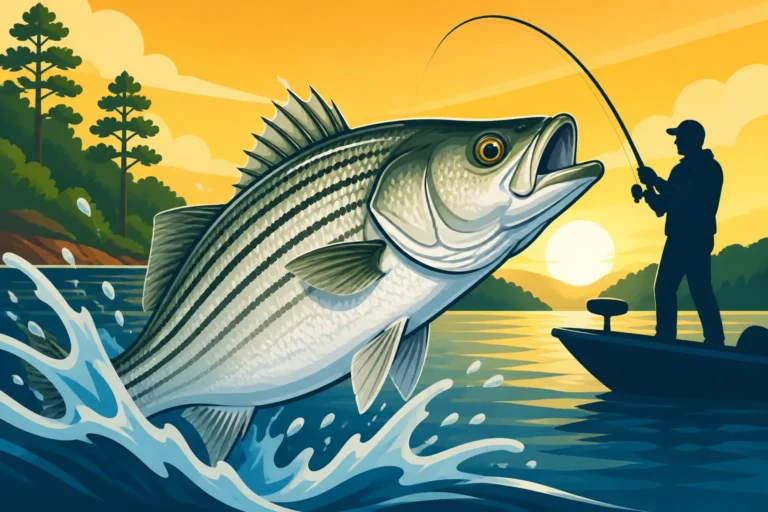
Hybrid striped bass fishing at Lake Oconee offers Georgia anglers strong sport action, biology facts, and proven techniques.
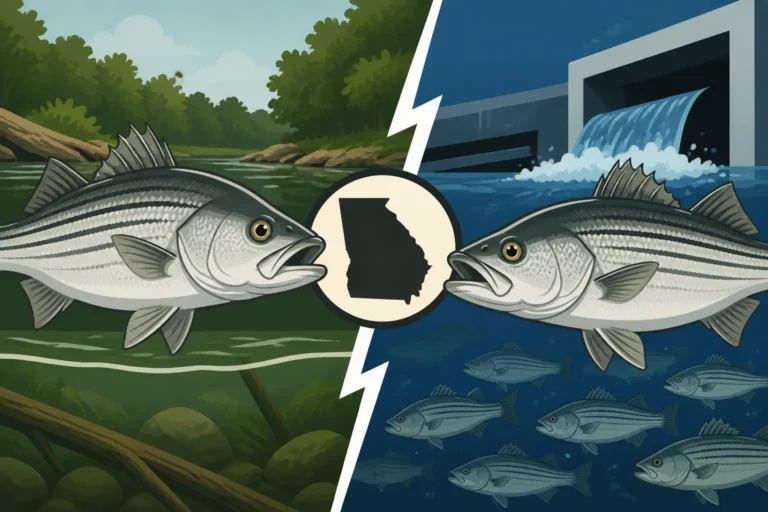
Georgia striped bass populations include native fish in river systems and stocked fish, explaining their unique life cycles and habitats.
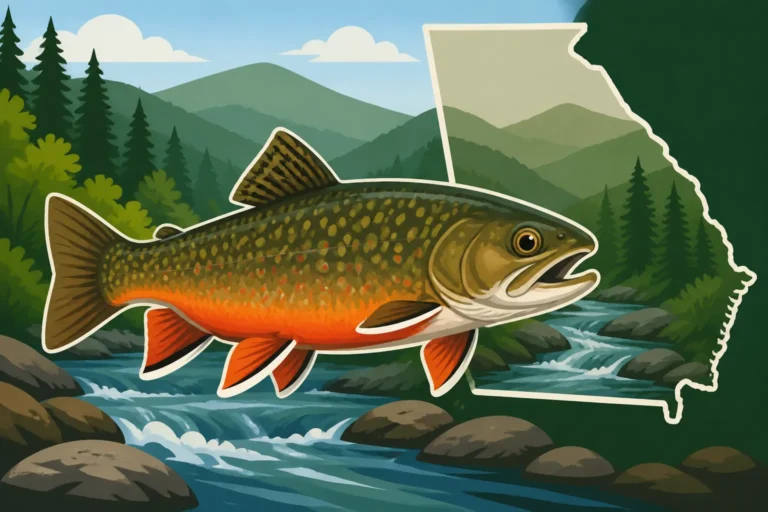
Georgia brook trout are native Appalachian fish with colorful markings, unique fin edges, and high-elevation mountain habitats.
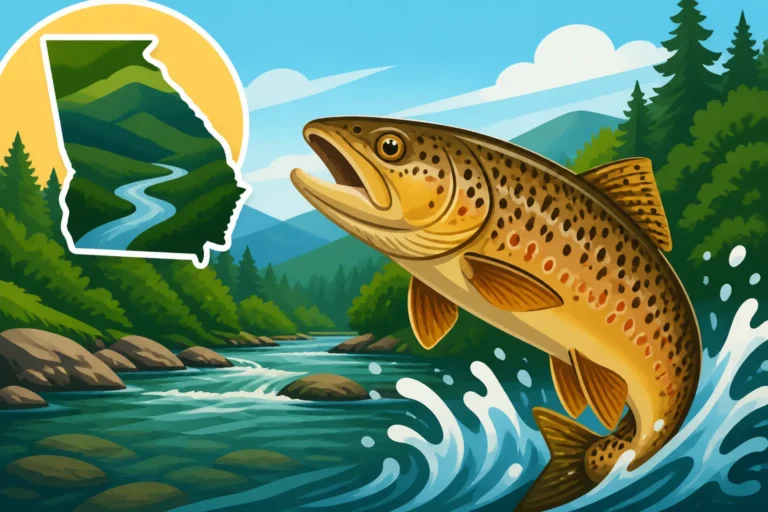
Brown trout habitats, seasonal spawning locations, and physical traits in Georgia streams explain where these elusive fish hide.
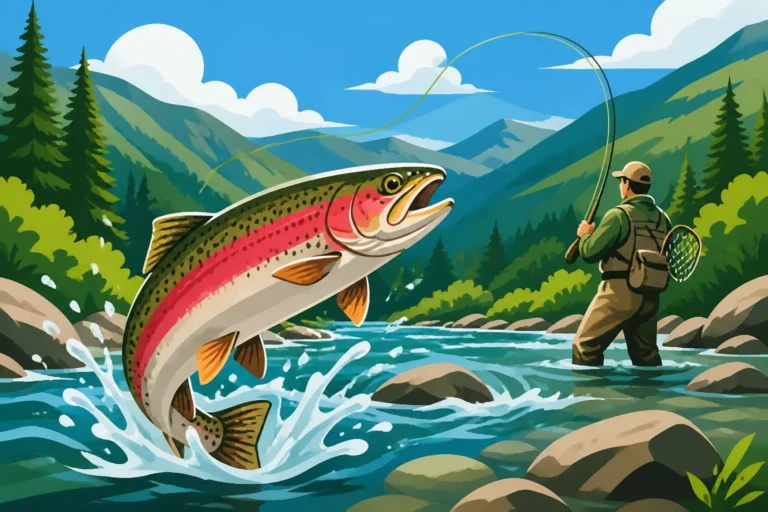
Rainbow trout fishing in North Georgia mountain streams requires finding cold water habitats, riffles, pools, and key holding lies.
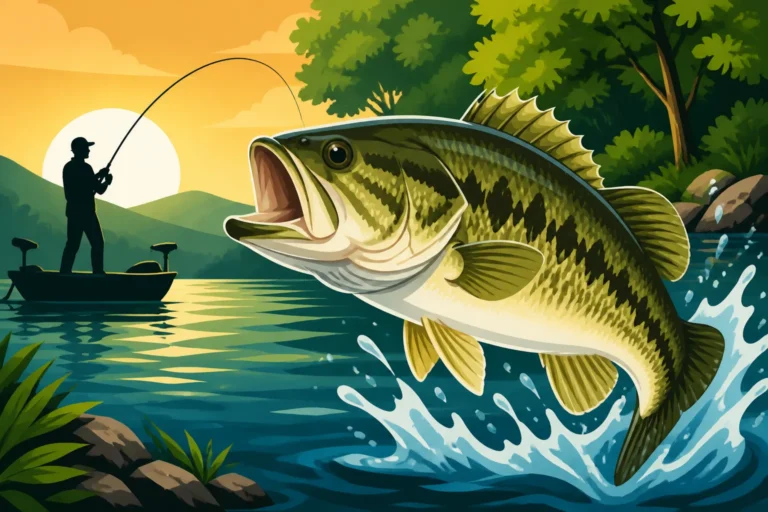
Spotted bass identification, native waters, introduced populations, and specific fishing techniques across Georgia lakes and rivers.
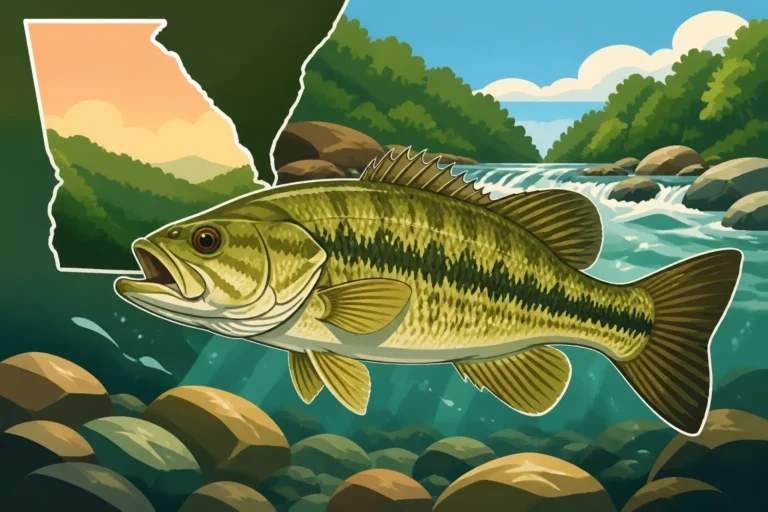
Shoal bass identification features and native Georgia river habitats help anglers target this feisty black bass species.
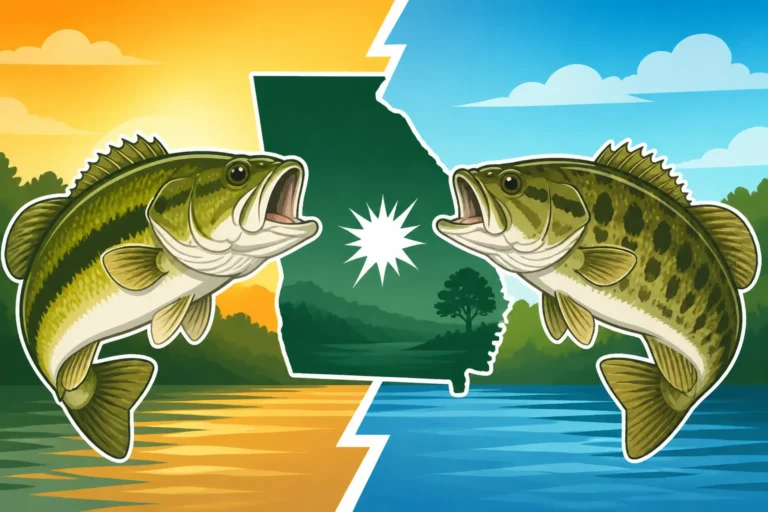
Telling the two bass apart matters because some Georgia waters set different size and creel limits, and managers rely on accurate counts of each species.