Best Bait for Blue Catfish
There's nothing quite like the thrill of feeling that powerful tug on your line, signaling a big blue catfish has taken the bait. But let's be honest, sometimes it feels like they're just not biting, or you're using the wrong thing entirely. Figuring out the absolute best bait for blue catfish can be a real head-scratcher, especially with all the options out there. This guide is going to walk you through exactly what these magnificent fish love to eat, why they love it, and how to present it effectively to maximize your chances of reeling in some impressive Georgia blues.
Understanding Blue Catfish Feeding Habits
Before we even talk about specific baits, it’s super important to understand what makes a blue catfish tick when it comes to dinner. These aren't your picky eaters; blue cats are opportunistic predators and scavengers, but they definitely have preferences. Knowing their natural inclinations will help you pick the right bait for the right situation.
Their Diet and Preferred Prey
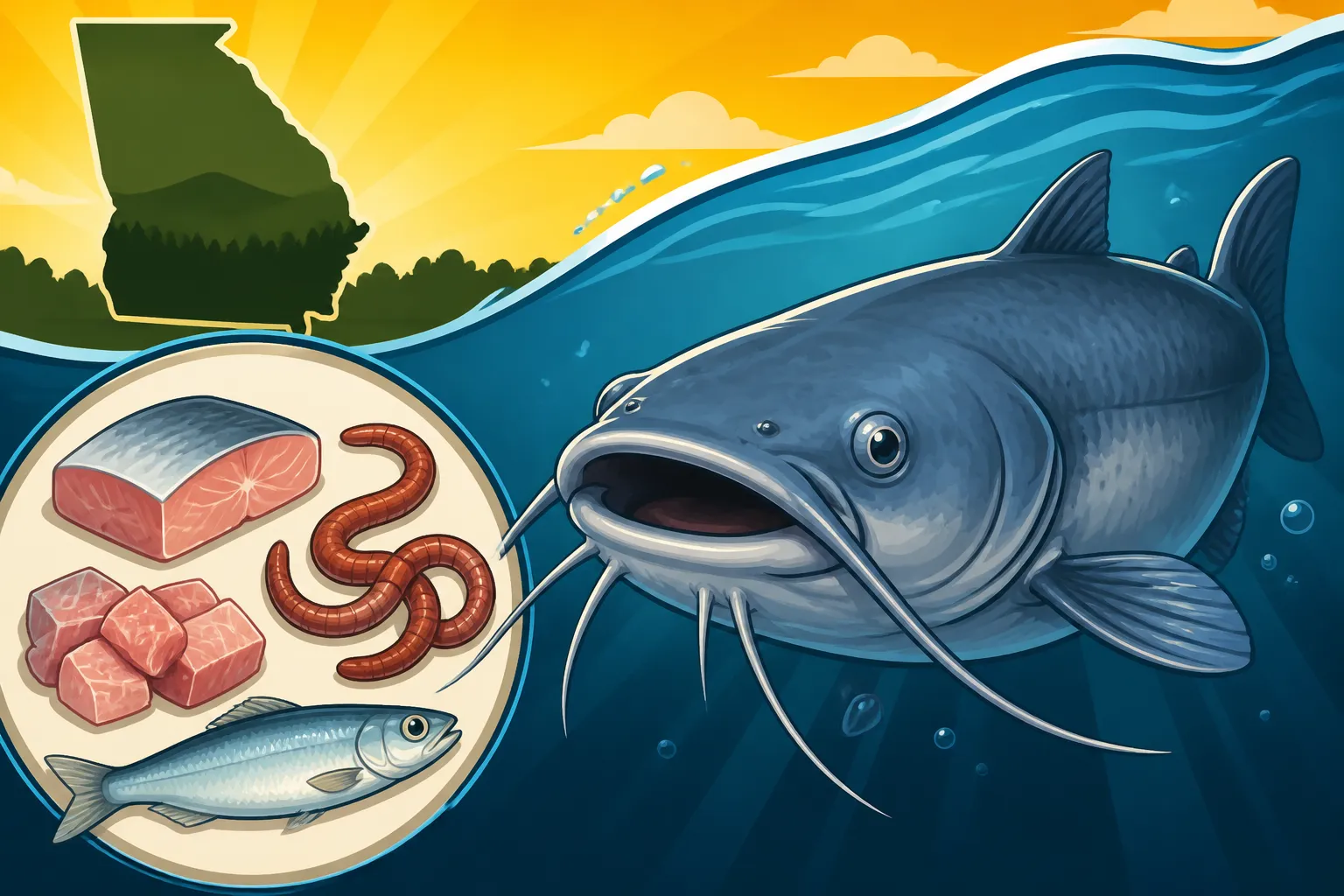
Blue catfish, especially the larger ones, are primarily piscivorous – meaning they love to eat other fish. In their natural habitat, they'll gobble up whatever is readily available. This includes shad, herring, various species of sunfish like bluegill and bream, and even smaller carp. They're not afraid of a good meal, and they'll actively hunt if the opportunity arises. This preference for fish is why live and fresh cut bait often outperforms other options. They associate that smell and texture with a natural food source. Think about a big Georgia river like the Altamaha River Fishing Guide or the Savannah River, where there’s an abundance of baitfish. A blue cat's diet there is going to heavily lean on those local populations.
However, they’re also excellent scavengers. If there’s a dead or dying fish nearby, they’re not going to pass it up. Their keen sense of smell, which we'll dive into next, allows them to find these meals even in murky water or low light conditions. This dual feeding strategy means we have a lot of flexibility in our bait choices, but understanding their primary diet gives us a strong starting point.
How Smell and Scent Play a Role
If you’ve ever seen a blue catfish up close, you'll notice those prominent barbels, often called "whiskers." These aren't just for show; they're packed with chemoreceptors, essentially taste buds, that allow them to "smell" and "taste" their environment. This sense is incredibly powerful, much more so than their eyesight, especially in the often-turbid waters they inhabit. What does this mean for us? Scent is king.
When you're trying to attract a blue catfish, you want a bait that puts out a strong, natural scent trail in the water. Fresh cut bait bleeds oils and fluids, creating an irresistible aroma that can travel a good distance downstream or across a flat. Prepared baits, especially "stink baits," are designed specifically to exploit this phenomenal sense of smell. They contain ingredients that are incredibly pungent and attractive to catfish, often mimicking the odor of decaying organic matter or highly concentrated fish oils. This is why you can often catch blue catfish even when fishing at night; they don't need to see the bait, they just need to smell it. Learning about different types of catfish species compared: Channel vs Blue vs Flathead, you'll find this strong reliance on scent is common among all catfishes.
Top Live and Fresh Cut Baits for Blue Catfish
When it comes to consistently catching blue catfish, especially the bigger ones, live and fresh cut baits are often the undisputed champions. They appeal directly to the blue cat's natural instincts as both a predator and a scavenger.
Live Baits: The Classic Choice
Nothing beats a lively baitfish for enticing a hungry blue cat. The movement, the natural scent, and the struggle of a live fish screaming "eat me!" are often too much for a big blue to resist. Common choices for live bait include gizzard shad, threadfin shad, small sunfish (like bluegill or bream), and even small carp. The key is to keep them alive and active on the hook. Use a circle hook threaded lightly through the back or lips to allow maximum movement and minimal harm to the baitfish, which keeps it alive longer.
Imagine you're fishing on Lake Oconee's Hybrid Striped Bass Fishery, known for its healthy baitfish populations. A live shad struggling near a drop-off or channel edge is a beacon for a cruising blue catfish. The freshness of the bait is paramount; a sluggish or dying baitfish won't have the same allure. Many anglers use aerated bait tanks to keep their baitfish frisky throughout the day. You can find excellent portable aerators and bait buckets on Amazon, making it easier to transport and maintain your live bait supply.
Fresh Cut Bait: Unleashing the Scent
While live bait provides action, fresh cut bait excels at emitting a powerful scent trail. This is often the preferred method for many serious blue catfish anglers, especially when targeting larger fish. The process is simple: take a fresh baitfish (shad, herring, carp, even mackerel from the grocery store) and cut it into chunks. The exposed flesh, blood, and oils create a potent chum line that draws catfish in from afar.
The size of the chunks depends on the size of the catfish you’re targeting. For bigger blues, a chunk of shad several inches long can be very effective. For smaller blues, a half-inch to inch-long piece might be better. Hook the chunk securely so it doesn't easily come off with a hard cast or a curious nibble. This method works incredibly well when fishing current breaks in rivers, or deep channels in reservoirs. Think about fishing the Flint River, where the current can carry that scent far and wide. For instance, knowing how to rig a slip sinker for catfish can be crucial when presenting cut bait effectively in flowing water. The fresher the cut bait, the better. Avoid using bait that's been frozen and thawed multiple times, as it loses much of its natural scent and firmness.
Local Baitfish: The Secret Weapon
One of the best pieces of advice for any angler, especially when chasing blue catfish, is to "match the hatch." Use what the fish are already eating. If you're fishing a specific lake or river in Georgia, try to find out what baitfish are abundant there. Cast netting for local shad or catching small bream can give you an immediate advantage. These baitfish are what the blue cats in that particular body of water are accustomed to preying on, making them instantly recognizable and appealing.
For example, if you're fishing a reservoir where gizzard shad are plentiful, using gizzard shad as bait is a no-brainer. Their oiliness and natural scent are exactly what the blue cats there are looking for. Similarly, in systems with abundant sunfish, a lively bluegill can be a killer bait. Remember to check local regulations regarding the use of game fish as bait; in many areas, using live bream might be restricted, but cut bream often isn't. Always confirm what’s allowed in your specific fishing spot.
Prepared and "Stink" Baits: When and How to Use Them
Sometimes, live bait isn't practical, or you just want to experiment with something different. That's where prepared baits, especially the infamously potent "stink baits," come into play. While they might not always tempt the biggest trophy blue catfish, they are incredibly effective for catching numbers of medium-sized blues and channel catfish.
Commercial Prepared Baits
The market is flooded with commercial catfish baits, from dough balls and dip baits to blood baits and liver. These baits are formulated to have a strong, lingering scent that appeals to the catfish's powerful olfactory senses. Brands like Catfish Charlie, Sonny's, and Rippin' Lips offer a variety of options. Dip baits, which are usually thick and gooey, are typically applied to a specialized "worm" or "sponge" hook that holds the bait effectively, slowly releasing its scent into the water. Dough baits, on the other hand, are molded around the hook.
These baits are fantastic for "Set-it-and-forget-it" fishing, particularly when you're targeting a school of active, smaller to medium-sized blue cats. They're also much cleaner and easier to store and transport than live or cut bait. Many anglers keep a jar or two of their favorite prepared bait on hand for those days when fresh bait isn't available or when fishing with kids, as it’s simpler to manage. You can easily find a wide selection of these on Amazon, often in multi-packs, making it convenient to stock up for your next fishing trip. Just be prepared for the smell—some of these live up to their "stink bait" moniker!
Homemade Stink Baits
For the DIY angler, making your own stink bait can be a rewarding and often incredibly effective endeavor. There are countless recipes out there, often passed down through generations of catfishermen. The core idea is to combine potent, pungent ingredients that appeal to a catfish’s sense of smell. Common ingredients include aged cheese, chicken or beef liver, blood, garlic, fish scraps, and even some unexpected items like Kool-Aid or anise oil. The concoction is then left to ferment, amplifying its odor.
While the smell can be, shall we say, challenging for humans, it's a gourmet meal for a blue catfish. The key is to get the consistency right so it stays on the hook. Some recipes result in a thick paste for dip worms, while others are more solid for molding around a treble hook. Making your own bait allows you to customize it to your local waters and preferences. Plus, there's a certain satisfaction that comes from catching fish on a bait you made yourself. Just remember to store it in airtight containers and consider using gloves during preparation and baiting—your fishing buddies (and your spouse) will thank you.
Seasonal Considerations for Blue Catfish Bait
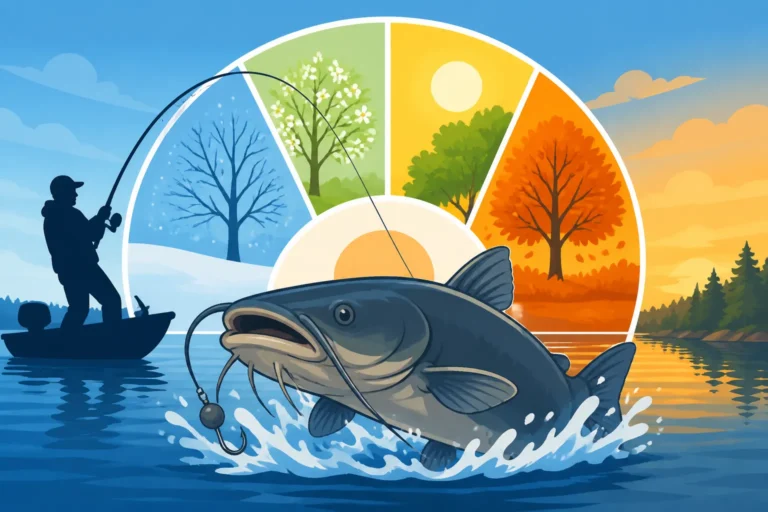
Blue catfish, like most fish, have varying activity levels and feeding behaviors throughout the year. Understanding these seasonal changes can help you choose the best bait and presentation to maximize your success, whether you're fishing in the heat of summer or the chill of winter.
Spring and Summer: Active Feeding Frenzy
Spring is a fantastic time for blue catfish. As water temperatures rise after winter, their metabolism kicks into high gear, and they become much more active. They'll be on the move, often migrating upriver to spawn or just cruising to find ample food sources. This is when larger, more active baits really shine. Big chunks of fresh cut bait or healthy, lively baitfish are irresistible to hungry blues preparing for or recovering from spawning. They're looking for substantial meals.
Summer continues this trend, though catfish might move to deeper, cooler water during the hottest parts of the day. Early morning, late evening, and night fishing techniques for catfish become particularly effective during this season. Use larger baits to attract bigger fish, as their aggressive feeding habits mean they're not shy about attacking a substantial meal. Focus on areas with good current, deep holes, or structure near cooler water. Remember, this is when they're bulking up, so they're willing to put in the effort for a good meal. Consider exploring some of the Best Catfish Fishing Spots in Georgia during these active months.
| Season | Preferred Bait Types | Presentation Tips | Key Activity |
|---|---|---|---|
| Spring | Large cut bait (shad, herring), live baitfish | Bottom rigs in spawning areas or channels | Highly active, pre-spawn & post-spawn feeding |
| Summer | Large cut bait, live baitfish, prepared stink baits | Deeper water, target low light hours or night | Active, but seek cooler water, night feeding |
| Fall | Smaller cut bait, chicken liver, prepared baits | Bottom rigs in transition areas, near structure | Moderate activity, preparing for winter |
| Winter | Small cut bait (very fresh), shrimp, prepared baits | Deep holes, slack water, very slow retrieves | Low activity, slow metabolism, picky bites |
Fall and Winter: Slower Metabolism, Different Tactics
As fall progresses and water temperatures begin to drop, blue catfish feeding patterns will shift. While still active, they're preparing for the colder months, so their metabolism starts to slow down. They might still hit a good piece of cut bait, but often, smaller, less aggressive presentations become more effective. They're conserving energy, so a giant live bait might be too much effort. Using fresher, smaller pieces of cut bait, chicken liver, or even smaller prepared baits can be a good strategy. They might also congregate in deeper holes or channels in search of warmer, more stable water.
Winter is typically the slowest time for blue catfish, especially in the shallower waters. However, they don't stop eating entirely. Their metabolism is at its lowest, and they'll be lethargic. Focus on deep holes, river bends, and any areas with slightly warmer water or stable temperatures. Your bait choice should lean towards incredibly fresh, smaller cuts of bait, or even shrimp, which can be surprisingly effective. The key here is patience and subtle presentation. Leaving your bait in place for longer periods and using lighter line and smaller hooks can make a difference. Learning about the Best Time of Year for Catfishing on Georgia's Lake Sinclair can provide insight into how some lakes remain productive even in colder months due to specific conditions. Don't be afraid to try "less stinky" but still natural baits, as their sense of smell might be slightly dulled in colder water, making natural appeal more important.
Disclaimer
Fishing conditions and regulations in Georgia can change. Always consult the latest Georgia Department of Natural Resources (DNR) guidelines for specific rules regarding fishing licenses, creel limits, size limits, and bait restrictions before heading out. Safety first!