Best Time of Year for Catfishing on Georgia’s Lake Sinclair
Catfishing on a vast, productive lake like Sinclair can sometimes feel like trying to find a needle in a haystack, especially if you're not sure when or where to focus your efforts. Many anglers get frustrated fishing unproductive hours, but understanding the seasonal patterns and specific behaviors of catfish can dramatically improve your success. This guide is all about helping you pinpoint the absolute best times of year for catfishing on Georgia's Lake Sinclair, giving you the insights you need to land more of these hard-fighting fish.
Understanding Lake Sinclair's Catfish Species
Lake Sinclair, a beautiful reservoir in central Georgia, is a prime destination for catfishing thanks to its diverse population of these whiskered bottom dwellers. Before we dive into the "when," it's crucial to understand the "what" – specifically, which types of catfish call Sinclair home and how their habits might differ. Knowing your target species helps you tailor your approach to maximize your chances.
Channel Catfish: The Everyday Catch
Channel catfish are often the most common catch for anglers on Lake Sinclair. They're identifiable by their forked tails, scattered spots (though these can fade with age), and sleek, silver-brown bodies. What makes channel cats so popular is their abundance and their willingness to bite a wide variety of baits, making them an excellent target for anglers of all skill levels, from families enjoying a weekend outing to serious sport fishermen. They thrive in the lake's main channels, tributary arms, and around submerged structures. They're also quite adaptable to different water conditions and can be found nearly year-round, though their activity levels certainly fluctuate with the seasons. If you're looking for consistent action and a good fight, the channel cat is your go-to.
Blue Catfish: Giants of the Deep
For those seeking a true trophy, Lake Sinclair offers a robust population of blue catfish, known for their impressive size and powerful fight. Blue cats are easily distinguished by their slate-blue coloration, deeply forked tails, and a hump on their back just behind the head. Unlike channel cats, blue catfish prefer deeper, more open water, often congregating in large schools along the main river channel, especially where current is present. They are voracious predators and, as they grow larger, tend to feed on bigger prey, including other fish. Anglers targeting blues need heavier tackle and a bit more patience, but the reward of hooking into a truly massive blue cat is well worth the effort. Knowing how to identify a blue catfish and its habits is key to consistently finding these giants.
Flathead Catfish: The Ambush Predator
The flathead catfish is the bruiser of Lake Sinclair, a solitary and highly predatory species known for its broad, flattened head, small eyes, and speckled brown or yellow-mottled body. Its tail is rounded, not forked, which is a key identifier. Flatheads are ambush predators, preferring to hide in heavy cover like submerged timber, rock piles, or undercut banks, waiting for unsuspecting prey to swim by. Unlike channel and blue cats, flatheads overwhelmingly prefer live bait, making them a more challenging but incredibly rewarding catch. They don't typically school, so finding one often means targeting specific pieces of cover. Successfully landing a flathead often requires stout gear and the willingness to fish in snaggy areas where they reside. Understanding the Flathead Catfish Identification and Habits can give you a real edge.
Seasonal Catfishing Breakdown on Lake Sinclair
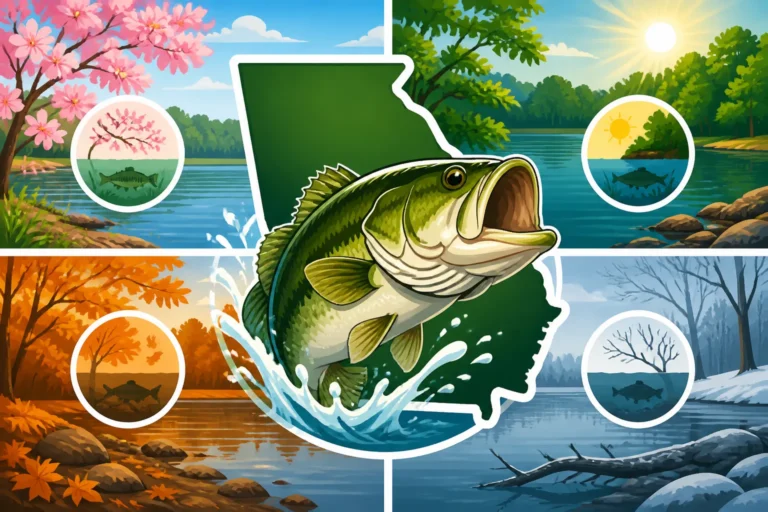
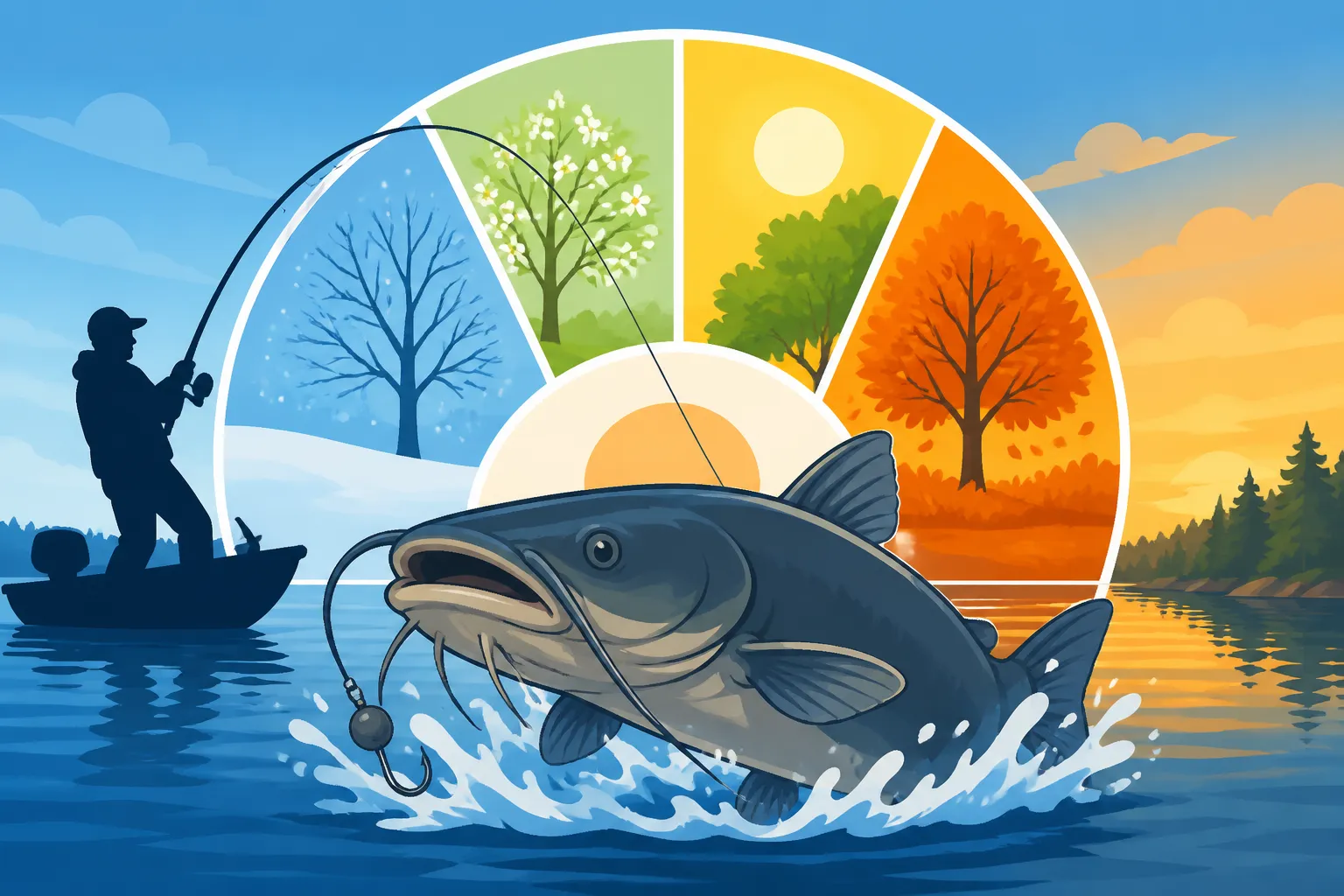
The fishing calendar on Lake Sinclair for catfish is not a static thing; it's a dynamic ballet influenced by water temperature, spawning cycles, and the availability of baitfish. Each season presents unique opportunities and challenges, and adapting your strategy accordingly is crucial for consistent success.
Spring: Pre-Spawn Feast and Nesting Frenzy
Spring, particularly from March through May, is arguably one of the best times of year for catfishing on Lake Sinclair. As the water temperatures begin to climb into the 60s Fahrenheit, catfish become incredibly active. They're shaking off the sluggishness of winter and entering a pre-spawn feeding frenzy, trying to pack on calories before the rigors of reproduction. This is a fantastic time for all three species.
Channel cats and blue cats will move from deeper wintering holes into shallower, warmer flats, creek channels, and the backs of coves where baitfish are abundant. Look for them around structure like old roadbeds, stumps, and submerged brush, especially near points and creek mouths where food is funneled. Baits like cut shad, chicken liver, and stink baits are highly effective for channels, while blues will readily hit cut shad or live bream. As spring progresses, water temperatures continue to rise, and catfish will begin to stage for spawning. Channels and flatheads often look for cavities, hollow logs, or rock crevices to nest in, while blues prefer more open, hard-bottomed areas. Targeting the areas adjacent to these nesting sites can yield excellent results, especially for bigger fish guarding their territory. This is a prime window for some serious action, and understanding How Water Temperature Affects Fish Behavior is vital.
Summer: Deep Water and Nighttime Action
When the scorching Georgia summer arrives, typically from June through August, Lake Sinclair's surface temperatures can soar. This pushes many fish, including catfish, into deeper, cooler, more oxygenated water during the day. However, don't let the heat deter you – summer offers some of the most exciting catfishing opportunities, especially if you embrace night fishing.
During the daytime, blue and channel cats will often be found in the main lake basin, congregating in deep holes, along ledges, and around the submerged river channels where cooler water persists. Using a fish finder to locate these deeper schools can be incredibly productive. For flatheads, they’ll still be tight to cover, but perhaps in deeper timber or rock piles. The real magic of summer catfishing on Lake Sinclair often happens after the sun goes down. As evening approaches and temperatures drop, catfish move shallower to feed under the cover of darkness. This is when the banks, humps, and submerged points light up with activity. Night fishing is a fantastic way to escape the heat and often yields bigger fish, as larger cats are more inclined to move into the shallows under the cloak of night. If you're considering a night expedition, check out the article on Night Fishing for Catfish on Lake Sinclair.
Fall: Cooler Waters and Renewed Activity
Fall, from September through November, brings a welcome drop in air and water temperatures, signaling another fantastic period for catfishing on Lake Sinclair. As the lake begins to cool, baitfish become more active, moving into shallower waters before seeking deeper wintering grounds. Catfish follow suit, entering another strong feeding period as they try to fatten up for the leaner winter months.
This season offers a great blend of opportunities, mirroring some of the spring patterns but often with less fishing pressure. Blue and channel cats will actively chase schools of shad in the main lake and creek arms. Look for them on flats adjacent to deep water, along channel edges, and around submerged structures. Cut bait, particularly fresh gizzard shad, becomes increasingly effective. Flatheads will continue to hold tight to their cover but might become more aggressive in striking live bait as they anticipate winter. The cooler, more stable weather of fall often makes for very comfortable fishing conditions, and the fish are typically robust and healthy. This is an excellent time to target a variety of species using different techniques.
Winter: Slower Bites, but Potential for Big Ones
Winter, typically December through February, is often considered the slowest time for catfishing on Lake Sinclair, but it's far from unproductive, especially if you're targeting trophy blue cats. As water temperatures drop into the 40s and low 50s, catfish metabolism slows down significantly. They become less active and don't need to feed as frequently.
During these colder months, all three species will generally move to deeper, more stable water. For channel and blue cats, this means congregating in large schools in the deepest holes and main river channels of Lake Sinclair. They will often stack up in these areas, making them easier to locate with good electronics. While they might not be actively chasing bait, they will still opportunistically feed. The key to winter catfishing is to slow down your presentation, use larger baits, and fish directly on top of the fish you locate. A big piece of cut bait on a bottom rig, left in place for extended periods, can entice a lethargic blue cat. Flatheads will also be in deeper, heavy cover, often in the same areas they frequent in summer, just less active. Patience is your biggest asset in winter, but the payoff can be a truly giant fish, as large blues often roam these deep wintering holes.
Here's a quick summary table of the best times:
| Season | Primary Species Targeted | Key Locations | Best Baits/Techniques | Notes |
|---|---|---|---|---|
| Spring (Mar-May) | Channel, Blue, Flathead | Shallow flats, creek channels, points, coves, spawning areas | Cut bait (shad, liver), live bream, stink baits; Bottom fishing, drifting | Pre-spawn feeding frenzy; high activity. |
| Summer (Jun-Aug) | Channel, Blue, Flathead | Deep holes, main channels (day); Shallower banks, humps (night) | Cut bait, live bait; Bottom fishing, jug fishing, night fishing | Day: deep, slow; Night: active, shallower. |
| Fall (Sep-Nov) | Channel, Blue, Flathead | Flats adjacent to deep water, channel edges, submerged structures | Cut bait (fresh shad), live bait; Bottom fishing, drifting | Post-summer cool down; strong feeding period. |
| Winter (Dec-Feb) | Blue, Channel | Deepest holes, main river channels | Large cut bait; Bottom fishing (slow, patient) | Slower bites, but potential for trophy fish; fish directly on schools. |
Key Factors Influencing Catfish Activity
Beyond just the calendar month, several environmental factors play a huge role in how active catfish are and where you'll find them on Lake Sinclair. Mastering these nuances will turn you into a more effective angler.
Water Temperature and Current
Water temperature is arguably the single most important factor influencing catfish behavior. Catfish are cold-blooded, so their metabolism directly correlates with the water temperature. In spring and fall, when temperatures are in their ideal range (60s-70s F for channels and blues), they are most active. Extremes in summer (too hot) or winter (too cold) will push them to seek more comfortable thermal refuges, usually deeper water.
Current also plays a significant role, especially for blue catfish. While Lake Sinclair is a reservoir, there are areas with noticeable current, particularly near the dam or where tributaries flow in. Blue cats, being river fish by nature, often prefer these moving water areas because current concentrates baitfish and oxygenates the water. Even subtle currents created by wind or deeper thermoclines can influence where fish hold. Pay attention to changes in current, as it can indicate prime feeding lanes.
Prey Availability and Habitat
Catfish, particularly blues and flatheads, are opportunistic predators, and their movements are heavily dictated by the presence of their food source. Lake Sinclair is rich with baitfish like shad, bream, and shiners. When these baitfish schools move into certain areas, the catfish won't be far behind. Learning to locate baitfish with your electronics, or even by observing surface activity (diving birds, splashing), can lead you directly to hungry catfish. For example, if you see large schools of shad in a cove during the spring, you can bet channel and blue cats will be there feasting.
Habitat is another critical piece of the puzzle. Channel and blue catfish will relate to structure like humps, ledges, old roadbeds, and bridge pilings. Flatheads, as mentioned, are kings of cover – fallen trees, brush piles, and rock crevices are their preferred ambush points. The more you understand the various fishing spots on Lake Sinclair, the better you'll be at predicting where the catfish are holding based on the time of year and available cover.
Weather Patterns and Barometric Pressure
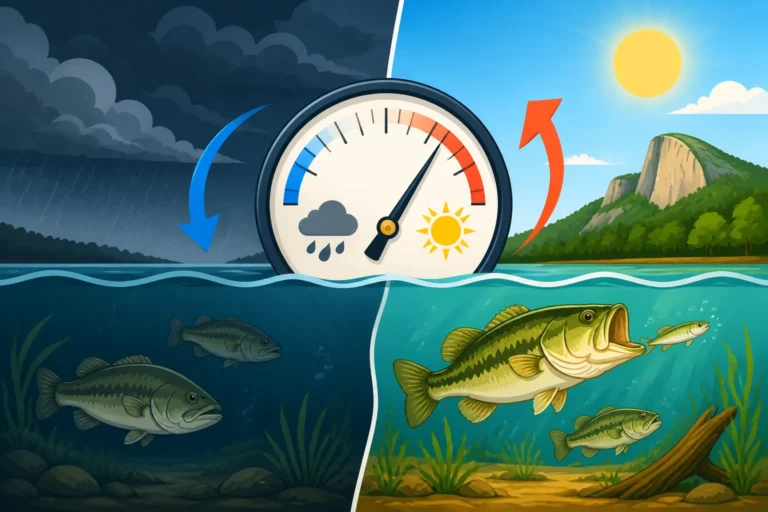
While often overlooked, weather patterns and changes in barometric pressure can significantly impact catfishing success. Stable weather patterns, especially those with consistent barometric pressure, often mean more predictable and active feeding windows. A dropping barometer, which often precedes a cold front or storm, can sometimes trigger a pre-front feeding binge as fish sense the change. Conversely, a rapidly rising barometer after a cold front can make fish sluggish and difficult to catch, as they often retreat to deeper water and become less inclined to feed.
Heavy rains, while sometimes making fishing challenging due to muddy water, can also stimulate catfish activity, especially in tributary arms. The influx of fresh water often brings new food sources into the lake, and catfish will move into these areas to capitalize. Learning to read the weather and understand its potential impact on fish behavior will make you a more well-rounded angler on Lake Sinclair.
Essential Gear and Techniques for Sinclair Catfish
Having the right tools and knowing how to use them is just as important as knowing when and where to fish. Lake Sinclair's catfish can put up a serious fight, so being prepared ensures you're ready for whatever bites.
Rods, Reels, and Line for Lake Sinclair
For channel catfish and smaller blues, a medium-heavy action rod, around 7 to 8 feet long, paired with a reliable baitcasting or heavy-duty spinning reel spooled with 20-30 lb monofilament or braided line, will serve you well. Brands like Ugly Stik or Penn Battle are popular choices and can often be found on Amazon.
For the larger blue and flathead catfish that Lake Sinclair is famous for, you'll want to step up your gear significantly. A heavy action catfish rod, 7.5 to 10 feet in length, combined with a robust baitcasting reel capable of holding a large amount of line (e.g., an Abu Garcia Ambassadeur 6500 or a Shimano Tekota), is essential. Spool these reels with 50-80 lb braided line for its strength and sensitivity, or heavy monofilament if you prefer more stretch. This kind of setup is crucial when dealing with a hard-fighting 30-pound blue cat that's trying to bury itself in structure. Check out recommendations for the Best Rod for Catfish Fishing on Georgia Rivers, which often applies well to lakes.
Best Baits and Rigs
Choosing the right bait can make or break a catfishing trip. For Lake Sinclair, some tried-and-true options include:
- Cut Bait: Freshly cut pieces of shad (gizzard or threadfin) are king for blue catfish and highly effective for channel cats. Herring and other oily fish also work well. The scent trail they put out is irresistible.
- Chicken Liver: A classic for channel catfish. It's affordable and widely available, though it can be messy and easily comes off the hook if not secured properly.
- Worms: Nightcrawlers or red wigglers are excellent for smaller channel cats and can sometimes entice larger fish.
- Stink Baits/Prepared Baits: Commercial dip baits and punch baits are very effective for channel catfish, especially for bank anglers or those targeting smaller fish. Brands like Catfish Charlie or Sonny's Super Sticky Bait are popular.
- Live Bait: Essential for flathead catfish. Live bream, shiners, or small carp are prime choices. Make sure to check Georgia's fishing regulations regarding the use of live baitfish.
For rigging, a simple Carolina Rig (sliding sinker, bead, swivel, leader, hook) is incredibly versatile for bottom fishing with cut bait or live bait. The weight slides freely on the main line, allowing the fish to pick up the bait without feeling immediate resistance. For chicken liver or stink baits, a Santee Cooper Rig (a modified Carolina rig with a small float between the hook and swivel) can help suspend the bait slightly off the bottom, making it more visible and keeping it out of debris. For serious trophy hunters, a heavy three-way swivel rig with a large sinker and a short leader for live bait can be very effective in strong currents or deeper water. Don't forget to explore options for the Best Bait and Tackle for Catfish in Georgia.
Popular Fishing Methods (Bottom Fishing, Jugging, Trotlines)
Lake Sinclair offers a variety of techniques for catfishing, each with its own benefits:
- Bottom Fishing: This is the most common and accessible method. Whether from a boat or the bank, it involves casting a baited rig to the bottom and waiting for a bite. It's effective for all species and can be done year-round. You can anchor and fan-cast multiple lines around your boat, or drift slowly over productive areas, allowing your bait to cover more ground. Learning How to Bottom Fish for Catfish is a foundational skill.
- Jug Fishing: This active method involves setting out multiple baited lines attached to floating jugs or bottles. The jugs drift freely across the lake, covering vast areas and presenting bait to actively searching catfish. When a fish bites, the jug will start moving erratically, leading to an exciting chase. This method is particularly popular during warmer months and for targeting larger blue and channel cats. Be sure to check Georgia's specific regulations on jug fishing, including permissible numbers of jugs and required identification. Knowing How to Jug Fish for Catfish effectively can significantly increase your catch.
- Trotlining: For serious anglers looking to catch a large quantity of catfish, trotlines can be incredibly effective. A trotline is a main line anchored between two points, with multiple baited hooks suspended at intervals. This method allows you to fish many baits over a broad area, often targeting deep channels or creek mouths. Again, strict regulations apply to trotlining in Georgia, including length limits, number of hooks, and tagging requirements. Familiarize yourself with these rules, especially if you're looking into How to Set a Trotline for Catfish. Remember to check local regulations carefully before deploying any passive fishing gear.
Whether you're after a mess of eating-sized channel cats or a monster blue cat, Lake Sinclair offers incredible opportunities year-round. By understanding the seasonal movements, key environmental factors, and utilizing the right gear and techniques, you'll be well on your way to a successful and memorable catfishing adventure.
Disclaimer
Fishing conditions, regulations, and fish behavior can change rapidly. Always consult the latest Georgia Department of Natural Resources (DNR) fishing regulations before heading out. This guide is for informational purposes only and does not replace official state guidelines. Exercise caution and practice safe boating and fishing at all times.