Bank Fishing Techniques
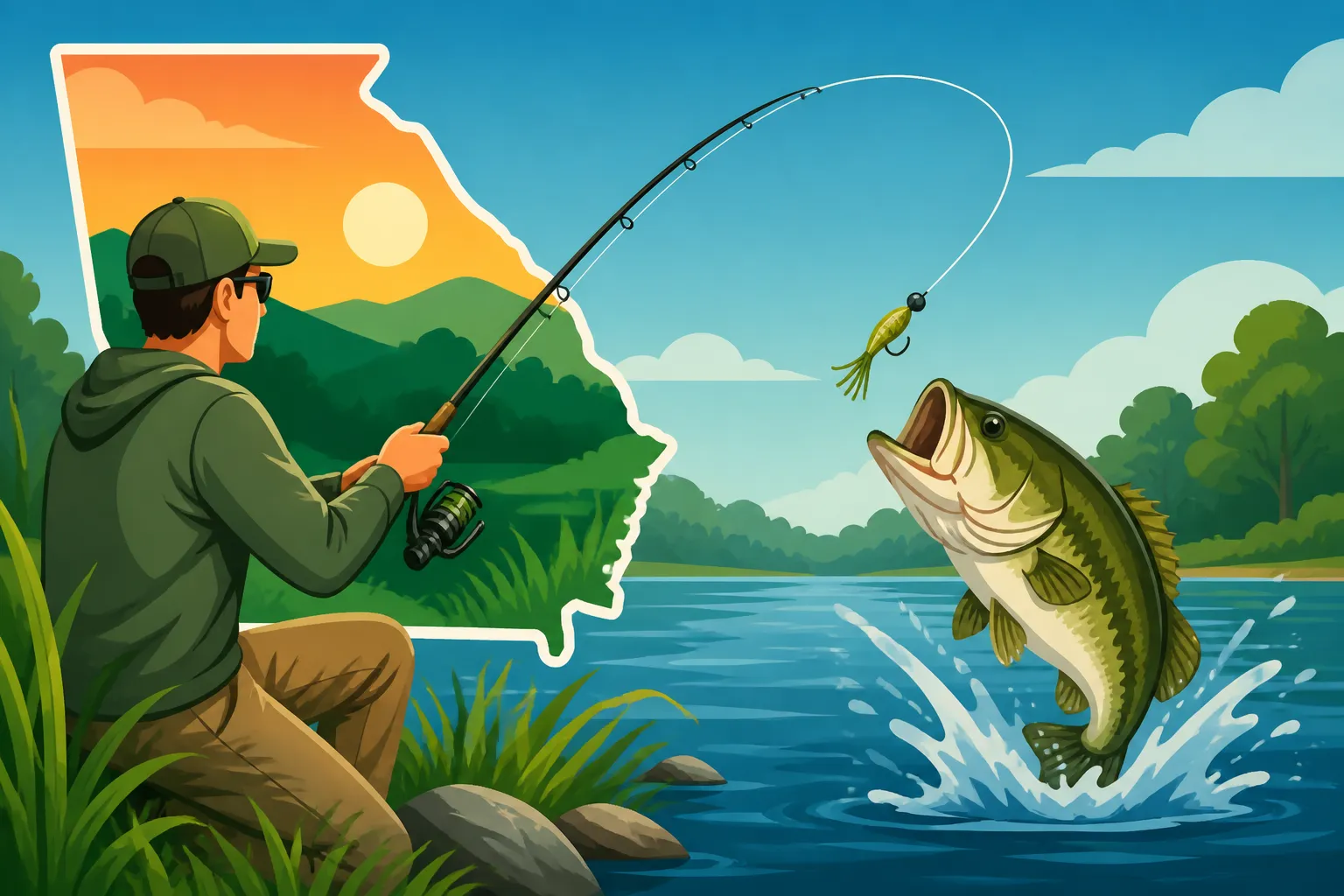
Many anglers in Georgia feel like they need a fancy boat and a full arsenal of high-tech gear to have a successful day on the water, leading to frustration for those who prefer or are limited to shore. But let me tell you, that simply isn't true! Bank fishing offers a wonderfully accessible and often incredibly productive way to enjoy the peace and thrill of fishing right here in the Peach State, and this guide is here to show you exactly how to master it. Forget the expensive boats and complicated electronics; sometimes, the best fishing is found just a few steps from solid ground.
The Unsung Hero: Why Bank Fishing is So Rewarding
It's easy to get caught up in the allure of big bass boats zipping across Lake Lanier or specialized kayaks navigating the Chattahoochee, but for many of us, getting out on the water isn't about the expensive toys. It's about the pure joy of the cast, the tug on the line, and the quiet moments surrounded by nature. Bank fishing is often overlooked, but it's a fantastic entry point for beginners and a cherished pastime for seasoned anglers who appreciate its simplicity and effectiveness. It forces you to hone different skills, observe your surroundings more closely, and often leads to unexpected catches.
Accessibility for Everyone
One of the biggest hurdles for people wanting to get into fishing is the perceived cost and complexity of equipment, especially boats. Bank fishing completely sidesteps this. You don't need a truck to tow a boat, nor do you need to worry about gas, maintenance, or finding a boat ramp. For families with young children, or those without access to a boat, the shoreline provides a safe, easy, and immediate connection to the fishing experience. You can literally walk out your back door to a pond, or pull over at a state park with designated shore access, and be fishing within minutes. This democratizes the sport, making it available to virtually anyone with a rod and a desire to cast a line.
This ease of access also means you can often squeeze in quick fishing trips that wouldn't be possible if you had to launch a boat. A lunch break at a nearby pond, an hour after work, or a spontaneous afternoon with the kids – these are all perfect scenarios for bank fishing. You're not tied to a schedule or the logistics of a full-blown boat trip. Just grab your gear and go, finding that perfect spot on the local reservoir or a secluded river bend.
Cost-Effectiveness and Simplicity
Let’s be honest, fishing can get expensive. Boats, motors, electronics, specialized tackle – it all adds up fast. Bank fishing significantly reduces the barrier to entry by cutting out most of those big-ticket items. Your investment can be as simple as a basic rod and reel combo, a small tackle box with a few essential baits, and a Georgia fishing license. This simplicity also translates to less hassle. There’s no complex electronics to troubleshoot, no motor to winterize, and no trailer lights to fix before a trip.
The beauty of bank fishing lies in its fundamental simplicity. You focus on the core elements of fishing: finding fish, presenting your bait, and making the catch. This direct approach can actually make you a better angler, as you learn to rely more on observation and basic techniques rather than technology. You learn to "read the water" more effectively, which is a skill that translates to all forms of fishing, whether from shore or boat. Plus, the money saved on boating gear can be put towards more fishing trips, or maybe upgrading your basic tackle over time.
A Deeper Connection to Nature
When you’re bank fishing, you’re often more intimately connected with your surroundings. You hear the birds, feel the breeze, and notice the subtle shifts in the environment. Unlike being isolated on a boat, you become a part of the landscape. This close-up perspective allows you to observe wildlife, discover hidden pockets of beauty along the shore, and simply breathe in the fresh air. It’s a therapeutic experience that goes beyond just catching fish, offering a true escape from the daily grind.
There's a unique satisfaction in stalking the shoreline, quietly moving from one promising spot to another, casting into pockets you've identified with your own two eyes. You're using your senses to find the fish, rather than relying solely on a sonar screen. This often leads to a greater appreciation for the ecosystem you're fishing in and a deeper understanding of fish behavior in their natural habitat. It's a truly immersive experience that many boat anglers might miss, allowing you to fully appreciate the peaceful Georgia outdoors.
Gearing Up Right: Essential Tools for the Shore Angler
While bank fishing is all about simplicity, having the right gear can make a huge difference in your comfort and success. You don't need to break the bank, but a few key items will ensure your experience is enjoyable and productive. Think smart, think portable, and think versatile. Remember, you'll likely be carrying everything you need, so weight and efficiency are important considerations when selecting your tools.
Smart Rod and Reel Setups
For bank fishing, versatility is key. You're often dealing with varying distances to cast, different types of cover, and a mix of potential species. A medium-action spinning rod, typically 6 to 7 feet long, paired with a matching spinning reel, is an excellent all-around choice for most Georgia bank fishing scenarios. This setup allows for good casting distance, handles a variety of lure weights, and has enough backbone to fight most common freshwater fish like bass, crappie, and catfish. For anglers exploring options, you can find a fantastic range of choices on Amazon, from beginner-friendly combos to more advanced setups.
If you're targeting larger species like bigger catfish or striped bass, you might want to consider a slightly heavier action rod, perhaps 7 to 8 feet, to handle heavier baits and stronger fish. Conversely, if panfish are your primary target, a lighter, more sensitive rod, around 5 to 6 feet, can make the experience more enjoyable and help you detect those subtle bites. The key is to match your gear to your primary target and the water you're fishing. For more specific recommendations, check out our guide on Best Rods and Reels for Georgia Fishing.
Tackle Box Essentials for the Bank
Your tackle box for bank fishing should be compact yet comprehensive. Think "grab-and-go." You don't want to lug a massive tackle bag from spot to spot. A small, organized box or backpack that holds a variety of basic baits and terminal tackle will serve you well. Here's a quick rundown of what you'll typically want:
| Item Type | Specific Items | Common Sizes/Notes |
|---|---|---|
| Hooks | Aberdeen, Octopus, Worm hooks | #6 to 2/0 (variety for different species and baits) |
| Weights | Split shot, Bullet weights, Egg sinkers | Assorted sizes (1/16 oz to 1 oz) for different depths and currents |
| Floats | Clip-on bobbers, Slip bobbers | Small to medium for panfish, larger for deeper water or windy conditions |
| Lures | Soft plastic worms/grubs, Spinnerbaits, Small crankbaits, Jigs, Topwater lures | Assorted colors (natural & bright), 1/16 oz to 1/2 oz |
| Live Bait | Nightcrawlers, Crickets, Minnows | Always effective, keep fresh in a cooler |
| Tools | Pliers, Line clippers, Measuring tape, Small knife | Essential for hook removal, line management, and safety |
| Line | Monofilament, Fluorocarbon | 6-12 lb test, extra spool for re-tying |
Having a selection of these basics will prepare you for most situations you'll encounter from the bank. It's about being prepared for opportunist fishing rather than hyper-specialized tactics. For deeper insights into seasonal bait choices, our article on How to Choose the Right Bait and Lure for the Season offers valuable advice.
Comfort and Safety Items
Beyond your rod, reel, and tackle, a few comfort and safety items can significantly improve your bank fishing experience. A comfortable, portable chair or stool can be a godsend, especially during longer sessions. A small cooler with drinks and snacks is essential, particularly during Georgia's warm summers. Don't forget bug spray, sunscreen, and a hat to protect yourself from the elements. A small first-aid kit is always a good idea for minor scrapes or hook accidents.
Finally, consider a small, lightweight net for landing fish, especially if you're targeting larger bass or catfish. This prevents you from having to drag fish up steep banks and makes for safer catch and release. A good pair of polarized sunglasses will help you spot structure and fish in the water, giving you a huge advantage. When carrying your gear, a fishing backpack is often more practical than a traditional tackle box for hands-free mobility along the shoreline. Many excellent options are available on platforms like Amazon that combine tackle storage with space for water bottles and other essentials. For a complete list of recommended items, check out our guide on Best Gear for Bank Fishing in Georgia.
Deciphering the Depths: Reading the Water from Shore
One of the biggest advantages boat anglers often tout is their ability to cover water and use electronics to find fish. However, a skilled bank angler can compensate for this by becoming an expert at "reading the water." This means observing the shoreline, the water's surface, and understanding how fish relate to different types of cover and structure. It's a subtle art, but one that drastically increases your chances of success and gives you a keen eye for fish-holding areas.
Identifying Structure and Cover
From the bank, you need to look for anything that breaks up the uniformity of the underwater environment. This is where fish hide, ambush prey, or seek shelter from currents and predators. Look for:
- Fallen Trees (Laydowns): These are prime ambush points for bass, crappie, and even catfish. Cast parallel to the trunk and into the branches, being mindful of potential snags. The submerged branches create excellent micro-habitats.
- Rock Piles and Boulders: Rocks hold heat and provide hiding spots. Bass, bream, and even some trout will relate to rocky areas, particularly those with crevices or deeper pockets.
- Docks and Piers: Man-made structures offer shade, cover, and attract baitfish, which in turn attract larger predatory fish. Cast under and around them, especially where light meets shadow.
- Vegetation: Lily pads, cattails, submerged grass beds, and aquatic weeds provide cover, oxygen, and food sources. Fish the edges and any open pockets within the vegetation, as these are often pathways for fish.
- Points and Coves: Points extending into the water often create current breaks and funnel baitfish. Coves offer calm, sheltered water, especially during spawning seasons or when fish need refuge from strong currents.
Walk the bank slowly, scanning the water and shoreline. Imagine what the underwater landscape looks like based on what you see above. Any anomaly or change in habitat is a potential fish-holding spot. Even subtle changes in water color or current can indicate something important below the surface, revealing hidden contours or submerged features.
Understanding Current and Depth Changes
Fish are often lazy, preferring to let the current bring food to them or to hold in areas where less energy is expended. Look for areas where the current breaks or changes direction. This could be behind a large rock, a point of land, or where a tributary enters the main body of water. These "current seams" are highways for bait and ambush points for predators. In slower-moving bodies of water like lakes and ponds, observe any visible inflows or outflows, as these areas often concentrate baitfish and oxygen, making them irresistible to hungry fish.
Changes in depth are also crucial. From the bank, you can often discern depth changes by observing the slope of the bank itself or by making a few test casts with a heavy weight. Fish often congregate along "breaks" – where shallow water suddenly drops off into deeper water. These depth changes provide them with quick access to both shallow feeding grounds and deeper, safer holding areas. A good tactic is to cast past these breaks and retrieve your bait slowly along them, mimicking a baitfish moving from deep to shallow. Experiment with different depths until you find where the fish are holding.
Prime Shoreline Targets
Not all shoreline is created equal. Some spots are inherently more productive than others due to natural features or human activity. Look for:
- Culverts and Stream Inflows: Especially after rain, these areas can bring in nutrients and baitfish, attracting game fish. The rushing water also provides increased oxygen, which is appealing in warmer months.
- Bridges: Bridge pilings and abutments create excellent cover and current breaks. Fish the shaded sides and upstream/downstream eddies, as these areas often hold baitfish and, consequently, predatory species.
- Public Fishing Piers: These are often built over productive areas and provide easy access to deeper water without the need for a boat. Just be mindful of other anglers and respect their space. Many of Georgia's Best Fishing Spots are accessible via piers.
- Dam Areas (if accessible and safe): The turbulent water below dams can be oxygen-rich and often holds a lot of fish, especially striped bass and catfish. Always check local regulations and safety warnings, as these areas can be dangerous.
- Boat Docks: Even private docks can be productive from a respectful distance (check for "no trespassing" signs). The pilings and shaded undersides are fish magnets, offering perfect ambush points.
Remember, fish are constantly moving in search of food, comfort, and safety. By learning to identify these prime shoreline targets and understanding why fish prefer them, you can spend less time casting aimlessly and more time putting your bait where the fish are.
Mastering the Methods: Effective Techniques for Bank Anglers
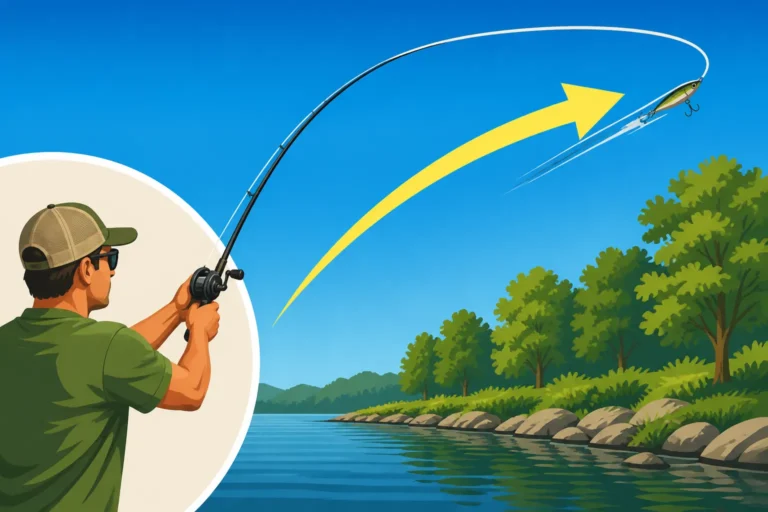
Bank fishing doesn't mean sacrificing effective techniques. In fact, many tried-and-true methods work incredibly well from shore, often requiring a more refined approach due to limited casting angles and mobility. Whether you're chasing the thrill of a bass strike or the steady pull of a catfish, there's a technique perfectly suited for your bankside adventure, and with a little practice, you'll be outfishing those expensive boats.
Lures and Baits for Bass
Bass are a favorite target for many Georgia anglers, and they can be caught effectively from the bank. The key is to present your bait or lure near cover or structure, just as you would from a boat.
- Soft Plastics: These are incredibly versatile. A Texas-rigged worm or a wacky-rigged Senko can be cast into tight spots around laydowns or docks. The slow, subtle fall of a soft plastic is irresistible to bass. Focus on casting to the shady side of cover, especially on sunny days, to entice strikes from lurking fish.
- Spinnerbaits and Crankbaits: These are excellent for covering water and triggering reaction strikes. Cast them parallel to the bank or along the edges of weed lines. A small to medium-sized crankbait that dives to the depth of the water you're fishing can be deadly, especially when retrieved near structure.
- Topwater Lures: During low light conditions (dawn, dusk) or on cloudy days, topwater poppers, frogs, or walking baits can create explosive strikes when retrieved over submerged grass or near lily pads. The excitement of a topwater strike is unmatched!
- Live Bait: A live shiner or minnow under a bobber can also be incredibly effective for lethargic bass, especially in colder water, when other baits might not provoke a strike.
The trick is often to make repeated casts to a promising spot, varying your retrieve speed and angle, before moving on. Bass can be finicky, and sometimes a slight change in presentation makes all the difference. For more detailed bass techniques, consider our article on Spring Bass Fishing Patterns on Georgia's Reservoirs, many of which can be adapted for bank fishing.
Crappie Tactics for Shoreline Success
Crappie are delicious and fun to catch, and they often congregate in areas accessible from the bank, especially during cooler months or around specific structures. Their schooling behavior makes them a rewarding target once you find them.
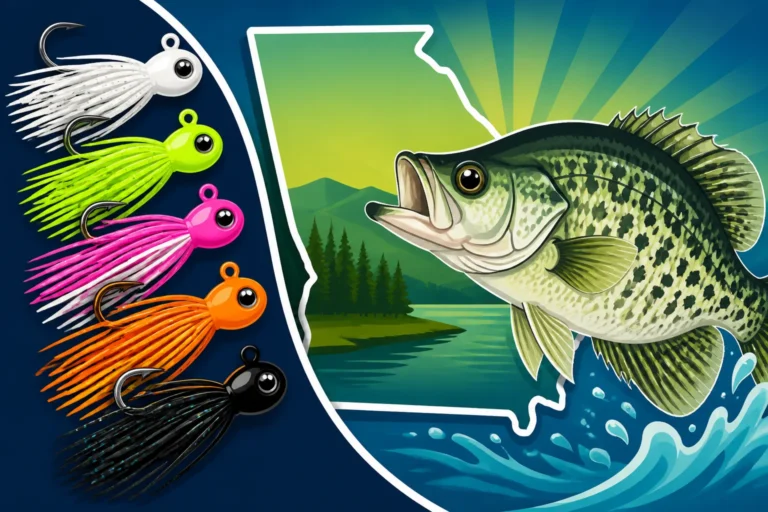
- Jigging: Small jigs (1/32 to 1/8 ounce) fished under a slip bobber or tightlined are highly effective. Tip them with a small plastic grub, a Gulp! minnow, or a live minnow. Cast near brush piles, fallen trees, or dock pilings, letting the jig slowly flutter down to the desired depth.
- Minnows Under a Bobber: This classic method is hard to beat for crappie. Use a small hook and a live minnow, setting your bobber to suspend the minnow just above any visible cover or at a depth where you've seen crappie caught. This natural presentation is often irresistible.
- Small Spinner Rigs: Tiny inline spinners or Beetle Spins can also tempt crappie, especially if they are actively feeding or scattered. Cast and retrieve slowly near cover, experimenting with different retrieve speeds until you find what they prefer.
Crappie often suspend in schools, so once you catch one, there are likely more in the same area. Pay close attention to the depth at which you get bites, as this will help you pinpoint the rest of the school. They tend to prefer cleaner, clearer water, so look for those characteristics from shore.
Catfish Rigging from the Bank
Catfish are a favorite target for bank anglers because they are widespread, grow to impressive sizes, and are often active when other fish are not, like at night. They offer a strong fight and are excellent table fare.
- Bottom Rigging: This is the most common and effective method. A simple Carolina rig (egg sinker, swivel, leader, hook) or a slip-sinker rig allows your bait to rest on the bottom where catfish feed. Use a heavy enough weight to hold your bait in place, especially if there's a current, and ensure your hook is sharp.
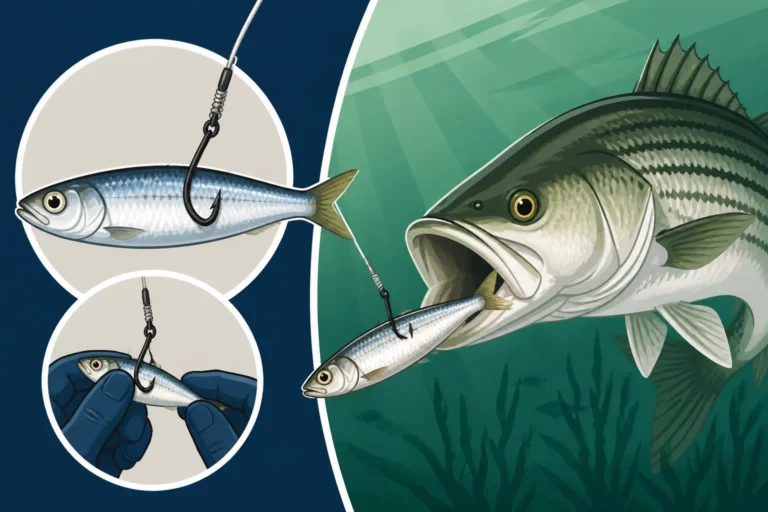
- Bait Choices: Catfish are not picky! Cut bait (shad, herring, bluegill), chicken livers, nightcrawlers, stink baits, and even hot dogs can be incredibly effective. Thread your bait securely on a strong circle or J-hook. Experiment with different baits until you find what works best on a given day.
- Jug Fishing and Trotlines (where legal and applicable): While not strictly "bank fishing" in the traditional sense, if you have access to a small boat or kayak, these passive techniques can be set from shore and checked periodically, but always check local Georgia Fishing Regulations Explained first!
Catfish often frequent deeper holes, channels, and areas with submerged cover. They also love to feed near current breaks and outflows where food washes into the main body of water. Night fishing for catfish from the bank can be particularly productive as they become more active in cooler, darker conditions. For a deep dive into specific methods, our guide on Catfish Bottom Fishing Basics will certainly enhance your technique.
Panfish Simplicity: Bream and Bluegill
For a relaxing day and consistent action, especially with kids, targeting bream and bluegill is hard to beat. They are abundant, eager biters, and excellent for introducing new anglers to the sport. Their willingness to bite makes them a perfect target for a fun day out.
- Bobber Fishing: This classic method is perfect for panfish. A small hook (size 8-10) tipped with a worm, cricket, or mealworm, fished under a small bobber, is usually all you need. Adjust the bobber stop to put your bait anywhere from 1 to 5 feet deep, often shallower around weeds and docks, where these fish congregate.
- Small Jigs: Tiny 1/64 to 1/16 ounce jigs or even fly-fishing nymphs can be effective for larger bream, especially if you tip them with a small piece of live bait like a wax worm. This adds an extra enticement.
- Locations: Look for bream and bluegill around lily pads, submerged timber, overhanging trees, and any structure that provides shade and cover. They are often found in relatively shallow water, making them easily accessible from the bank.
Bream and bluegill are fantastic for teaching patience, casting, and setting the hook. Their abundance almost guarantees success, which is incredibly encouraging for beginners. To learn more about targeting these feisty fish, check out Bream and Bluegill Fishing for Beginners.
Navigating the Calendar: Seasonal Bank Fishing Strategies
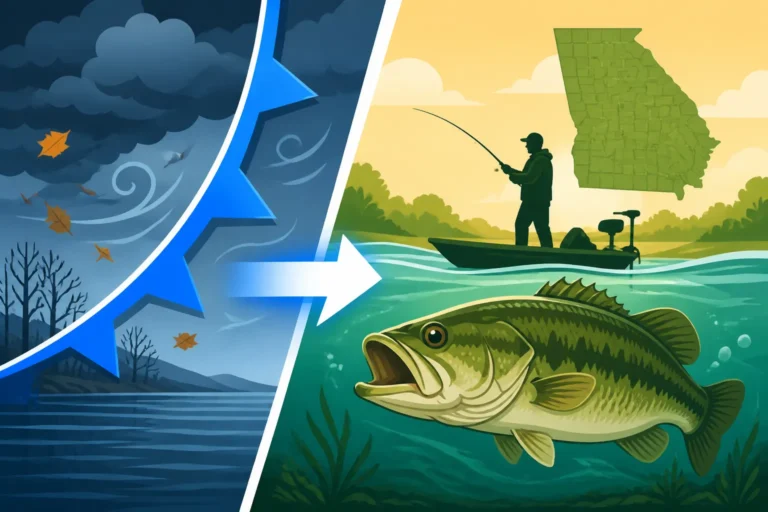
Just like any other form of fishing, bank fishing success in Georgia is heavily influenced by the seasons. Fish behavior changes dramatically with water temperature and spawning cycles, so understanding these shifts will help you adapt your techniques and find fish no matter the time of year. Knowing when and where to cast your line can turn a slow day into a memorable one.
Springtime: Rebirth and Action
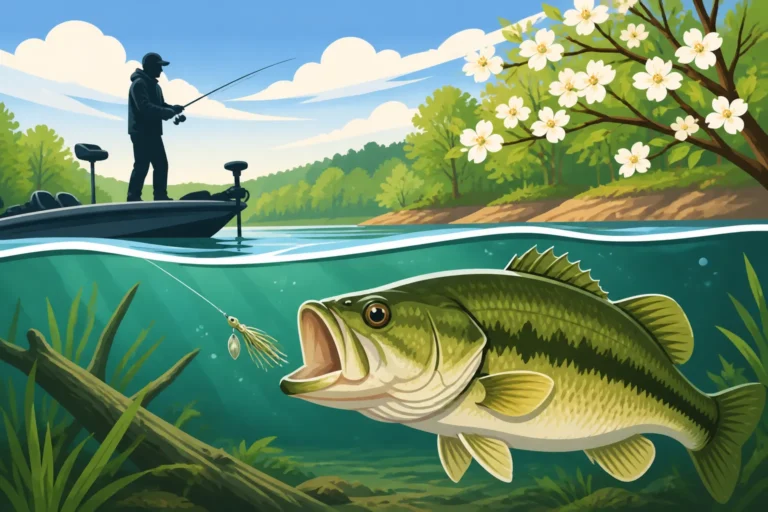
Spring is arguably the best time to bank fish in Georgia. As water temperatures rise after the cold winter, fish become more active, moving into shallower areas to feed and spawn. The entire ecosystem comes alive, offering fantastic opportunities for anglers.
- Bass: Look for bass moving into shallow coves, creek mouths, and areas with new green growth. They'll be feeding heavily in preparation for the spawn. Lipless crankbaits, spinnerbaits, and soft plastics (like Texas-rigged worms) are excellent choices. During the actual spawn, sight fishing for bass on beds (where legal and ethical) with soft plastics can be productive, but always prioritize the health of the fish.
- Crappie: Crappie move to very shallow water to spawn when water temps are in the high 50s to low 60s. Target brush piles, fallen trees, and docks in 2-8 feet of water using small jigs or live minnows under a bobber. They'll be tightly schooled and aggressive.
- Bream/Bluegill: These panfish also become very active in spring, moving shallow to spawn. They'll readily take worms or crickets under a bobber near any visible cover, often in large numbers.
Spring rains can also create excellent fishing opportunities, as inflows can bring food and fish congregate near these areas. Just be mindful of muddy water, which might require brighter baits or live bait to stand out. Our comprehensive guide on Georgia Fishing Seasons by Month provides even more detail.
Summer Challenges and Opportunities
Georgia summers can be hot, and the fishing can get tough in the middle of the day. However, early mornings, late evenings, and night fishing can be incredibly productive from the bank. The intense heat means the water temperature affects fish behavior significantly during this season, driving them to seek cooler, deeper waters or dense shade.
- Bass: During the heat of the day, bass will move to deeper, cooler water or seek dense shade under docks, lily pads, or overhanging trees. Flipping jigs or soft plastics into heavy cover, or fishing deep-diving crankbaits from banks that drop off quickly, can work. Topwater action is usually best at dawn and dusk, when the water is coolest and baitfish are active.
- Crappie: Crappie often move to deeper water structure, like submerged brush piles or bridges. You might need to cast further or target specific, deeper bank access points. Night fishing under lights can be fantastic as crappie are drawn to the light and the baitfish it attracts.
- Catfish: Summer is prime time for catfish, especially at night. They are highly active and will readily take cut bait, chicken livers, or stink baits on bottom rigs in deeper holes or current breaks. The warmer water increases their metabolism and feeding drive.
Remember to stay hydrated and protect yourself from the sun during summer bank fishing trips. Dawn and dusk are not just cooler for you, but often when the fish are most actively feeding, making them prime times for bank anglers.
Fall Feasts and Preparing for Winter
As the weather cools and days shorten, fall fishing can be some of the most enjoyable and productive of the year. Fish are often in a feeding frenzy, packing on weight for the upcoming winter, which means they are actively looking for food.
- Bass: Bass follow baitfish into shallower creeks and coves as baitfish move from the main lake. Spinnerbaits, crankbaits, and lipless crankbaits can be very effective for covering water. Topwater action can also pick up again, especially on warmer days. Look for schooling activity near points or humps accessible from the bank.
- Trout: For anglers targeting trout, fall means more frequent stocking of Georgia's Delayed Harvest Trout Streams. This is a fantastic time for fly fishing or spin fishing with small inline spinners or PowerBait, especially in North Georgia. Check the Georgia Trout Stocking Schedule for dates!
- Crappie: Crappie will start schooling up more tightly in the fall, often near baitfish. They can be found around brush piles, docks, and submerged timber. Jigs and minnows remain top choices, often fished a bit deeper than in spring.
The falling leaves might present a challenge with leaves getting caught on your line, but the comfortable weather and active fish make it well worth the effort. The vibrant colors of the changing foliage also add to the beauty of a fall fishing trip.
Winter Patience and Deep-Water Holds
Winter can be the toughest season for bank fishing due to colder water and slower fish metabolism. However, fish still need to eat, and with the right approach, you can still find success. The key is to slow down and target key areas where fish conserve energy.
- Bass: Bass will often hold in deeper water near structure, or congregate in areas that warm up slightly faster, like dark-bottomed coves. Slow, subtle presentations are key. Jigs, shaky heads, and slow-rolled spinnerbaits can entice a bite. Patience is crucial, as bites will be subtle and infrequent.
- Crappie: Crappie remain in deep schools, often relating to the main lake channels or the deepest brush piles accessible from the bank. Vertical jigging or tightlining with minnows can work, but bites will be light, requiring sensitive gear to detect them.
- Catfish: While slower, catfish can still be caught in winter, especially blue and flathead catfish. They often move to deeper holes in rivers or the main lake basin. Heavy bottom rigs with large cut baits are the way to go, as they offer a substantial meal for a lethargic fish.
The key to winter bank fishing is slowing down your presentation, fishing during the warmest parts of the day, and targeting areas that offer the deepest water available from shore. Understanding How Water Temperature Affects Fish Behavior is especially important during these colder months to predict where fish might be holding.
Staying Safe and Sound: Bank Fishing Etiquette and Regulations
Enjoying the outdoors safely and respectfully is paramount, whether you’re fishing from a boat or the bank. Knowing the local regulations and practicing good etiquette ensures a pleasant experience for everyone, protects our natural resources, and keeps you out of trouble. Our beautiful Georgia waters are a shared resource, and it's up to all of us to treat them with care.
Understanding Georgia's Fishing Rules
Before you even make your first cast, you need to be familiar with Georgia's fishing regulations. This includes having a valid Georgia Fishing License Guide. The Georgia Department of Natural Resources (DNR) sets specific rules regarding:
- License Requirements: Almost everyone needs a license, though there are exceptions, such as for children under a certain age. Our guide on Do Kids Need a Fishing License in Georgia? can clarify those rules, ensuring your young ones are compliant.
- Size and Creel Limits: Different fish species have specific minimum or maximum size limits, and daily creel (possession) limits. These can even vary by body of water. For instance, bass limits might differ in certain reservoirs, so it's vital to know the specifics for your chosen location. Always check the current Georgia Fish Size and Creel Limits before you go.
- Bait Restrictions: Some areas, particularly trout streams, have restrictions on the types of bait you can use (e.g., artificial lures only). Make sure your bait is legal for the waters you're fishing to avoid penalties.
- Designated Fishing Areas: Public parks and wildlife management areas often have specific rules about where you can fish from the bank, and what hours are permitted. Always look for signage or check the park's website.
Failing to comply with these regulations can result in fines and loss of fishing privileges, so it's always worth taking a few minutes to review the latest Georgia Fishing Regulations Explained, usually found on the Georgia DNR website. Ignorance of the law is not an excuse, so do your homework!
Sharing the Space: Etiquette on the Bank
Bank fishing often means sharing limited space with other anglers, hikers, and nature enthusiasts. Good etiquette goes a long way in ensuring a positive experience for everyone and promoting a friendly atmosphere.
- Respect Other Anglers' Space: Don't cast too close to another angler, especially if they were there first. Give them ample room to cast and retrieve without interference. A general rule of thumb is to allow at least 15-20 feet, more if they're actively working a spot, to avoid tangles and maintain peace.
- Keep Noise Levels Down: Excessive noise can scare fish and disturb other people enjoying the peace and quiet of nature. Be mindful of conversations, music, and general commotion.
- Clean Up After Yourself: This is perhaps the most critical rule. Pack out everything you pack in, including fishing line, bait containers, and food wrappers. Leave no trace. Litter not only detracts from the beauty of the spot but can also harm wildlife, so dispose of waste properly.
- Be Mindful of Private Property: Always be aware of property lines and avoid trespassing. If you're unsure if an area is public, it's best to find another spot rather than risk a confrontation.
- Offer Help (if appropriate): If you see a fellow angler struggling with a snag or a tangled line, offer a hand. We're all part of the same community, and a little kindness goes a long way.
Remember, common courtesy costs nothing and enhances everyone's enjoyment of our shared outdoor spaces. A polite and respectful angler is always appreciated.
Environmental Responsibility and Personal Safety
Beyond rules and etiquette, being a responsible bank angler means prioritizing the environment and your own safety. These practices ensure that our natural resources remain healthy and that you can enjoy your time on the water without incident.
- Practice Catch and Release: If you're not planning to eat your catch, or if it's a protected species or outside the legal slot limit, practice proper catch and release techniques to ensure the fish's survival. This means minimizing handling, keeping the fish in the water as much as possible, and using a de-hooking tool.
- Wildlife Awareness: You're in nature, so be aware of snakes, alligators (in southern Georgia), ticks, and other wildlife. Know what to do if you encounter them, and give them their space.
- Weather Preparedness: Georgia weather can change quickly. Check the forecast before you go and be prepared for sudden rain, thunderstorms, or temperature drops. Dress in layers and bring rain gear if necessary.
- Life Jackets (if wading or near swift currents): While bank fishing generally doesn't require a life jacket, if you plan on wading into the water or fishing near swift river currents, it's a smart safety precaution, especially for children. Refer to Georgia Life Jacket Laws for Boaters and Kids for general guidelines, even if you're not on a boat.
- Know Your Limits: Don't try to climb down steep, unstable banks or wade into unfamiliar waters if you're not confident in your abilities. A great day of fishing can quickly turn dangerous if you take unnecessary risks, so always prioritize your safety.
Being prepared and respectful ensures that bank fishing remains a rewarding and sustainable activity for years to come. For more on preparing for your outings, check out Best Gear for Bank Fishing in Georgia.
Disclaimer
The information provided in this guide is for general informational purposes only and is not intended as legal or professional advice. Fishing regulations, conditions, and best practices can change, so always consult the latest Georgia Department of Natural Resources (DNR) guidelines and local authorities before engaging in any fishing activities. Always prioritize safety and environmental responsibility.