Lake Seminole Fishing Spots for Bream and Crappie
Finding those sweet spots for bream and crappie on a sprawling, complex lake like Seminole can feel like searching for a needle in a haystack, especially with its diverse underwater terrain and varying water levels. It’s easy to get overwhelmed trying to pinpoint where these panfish might be hiding. This guide is designed to cut through that confusion, helping you understand the unique characteristics of Lake Seminole and giving you the precise locations and tactics to consistently reel in these delicious and feisty fish.
Understanding Lake Seminole's Unique Ecosystem for Panfish
Lake Seminole, straddling the Georgia-Florida border, isn't just a large body of water; it's a dynamic, intricate ecosystem shaped by the convergence of the Flint River, Chattahoochee River, and Spring Creek. This confluence creates a rich, fertile environment that is absolutely teeming with life, making it a true panfish paradise. However, its very complexity can be a challenge for anglers who don't understand its nuances. It’s not your typical bowl-shaped reservoir; rather, it’s a flooded forest and floodplain, offering a maze of cover and structure.
Habitat Overview: Hydrilla, Cypress, and Stumps
Imagine an underwater jungle, and you're getting close to picturing Lake Seminole. Its most defining characteristic is the abundance of shallow, submerged cypress trees, their ancient knees creating countless pockets and ambush points. These areas are magnets for both bream and crappie, offering shelter from predators and a bounty of insects and small baitfish. Beyond the cypress, you’ll find vast beds of hydrilla and other aquatic vegetation. While hydrilla can sometimes be a nuisance for boaters and can make fishing difficult, it's an undeniable nursery and feeding ground for panfish. Young bream hide in its dense mats, while crappie patrol its edges, waiting for an easy meal. The deep timber and stumps in the main river channels provide crucial vertical structure that crappie absolutely love, especially when they move to deeper water. Knowing how to navigate and fish these varying types of cover is paramount to success.
Water Levels and Their Impact on Panfish
One of the most significant factors influencing fishing on Lake Seminole is the fluctuation of its water levels. Managed by the U.S. Army Corps of Engineers, these changes can dramatically alter fish behavior and accessibility to prime spots. When water levels are high, the fish, especially bream, tend to move further back into flooded timber and vegetation, spreading out and making them harder to concentrate. This is often when those seemingly inaccessible pockets deep in the cypress become active. Conversely, when water levels drop, fish pull out of the shallowest cover and concentrate around the deeper edges of hydrilla, submerged timber, and creek channels. This can make them easier to locate but also more susceptible to pressure. Keeping an eye on the current lake levels and understanding how they correlate to fish movement is a key piece of the puzzle for any angler looking for consistent success. You can often find this information on local fishing forums or through resources provided by the Corps of Engineers.
The Role of Tributaries and Creeks
The three main inflows – the Flint River, Chattahoochee River, and Spring Creek – are not just sources of water; they are vital arteries that dictate much of the panfish activity on Lake Seminole. Each tributary brings its own unique characteristics. The Flint River arm is often murkier and features more extensive cypress swamps, making it fantastic for crappie, particularly in its numerous sloughs and oxbows. The Chattahoochee River arm, on the other hand, can be a bit clearer and offers a mix of deep river channels and expansive flats. Spring Creek, known for its clear, spring-fed waters, provides unique conditions, especially for bream in its clearer sections. During spawning seasons, both bream and crappie will push up into these creeks and their smaller feeder branches, seeking warmer, shallower water to lay their eggs. Understanding the distinct characteristics of these major inflows and how they interact with the main lake body will help you predict where the panfish are most likely to be holding at any given time, whether you're targeting specific areas or just looking for general Georgia's Best Lakes for Fishing.
Prime Locations for Bream Fishing on Lake Seminole
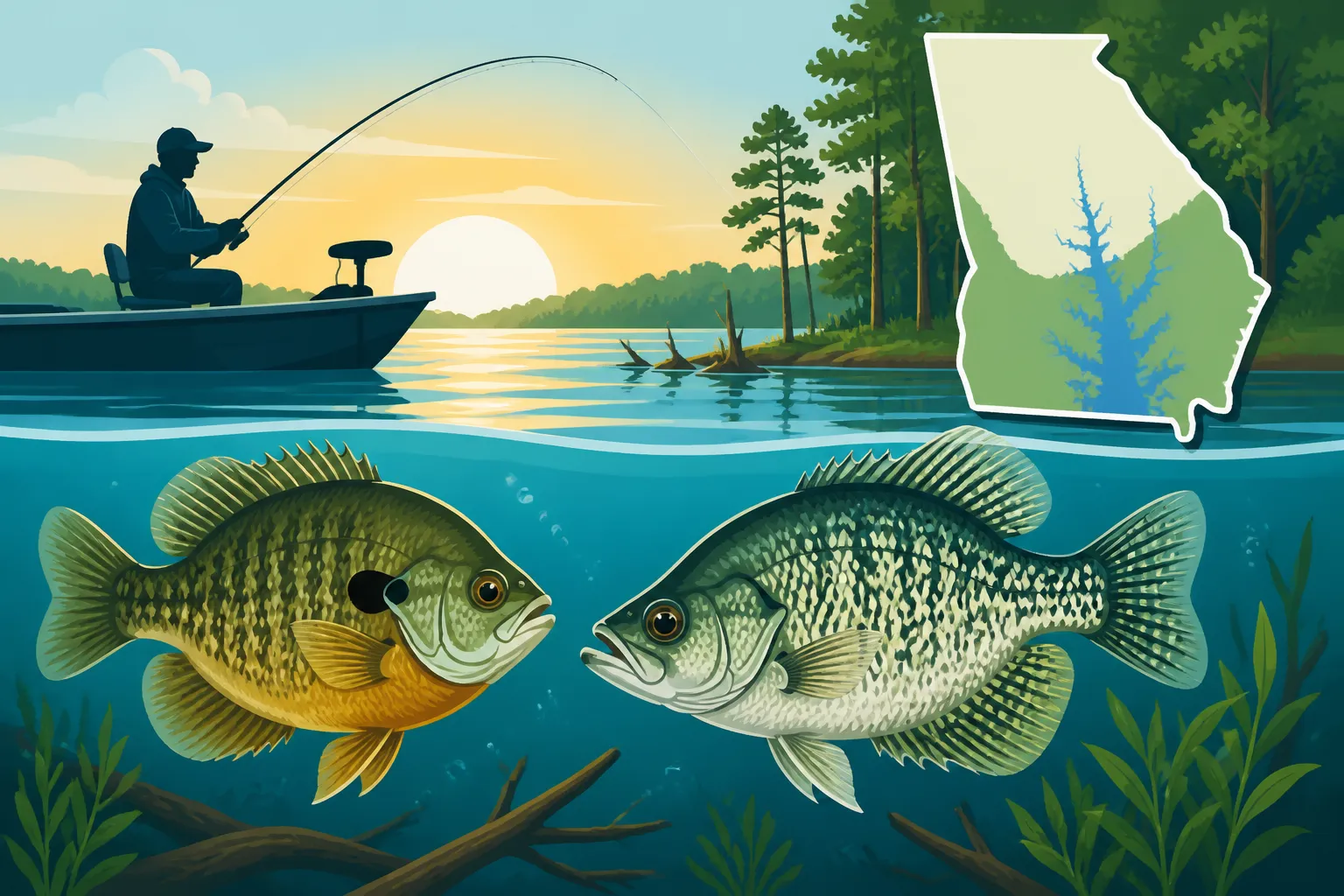
Bream, encompassing species like bluegill and redear sunfish (shellcrackers), are abundant in Lake Seminole and offer fantastic light tackle action, especially for family outings or beginners learning Bream and Bluegill Fishing for Beginners. These panfish are often found in similar habitats, focusing on areas with plenty of cover and food sources in shallower water.
Shallow Cypress Knees and Vegetation Beds
When you're chasing bream on Lake Seminole, think shallow and think cover. The extensive fields of cypress trees are absolute goldmines. Focus your efforts in water anywhere from 1 to 5 feet deep, especially around the bases of cypress trees and their gnarled "knees." These structures provide shade, protection from predators, and a constant supply of insects and larvae, which are primary food sources for bream. Drop a small cricket or a bit of red worm right next to a cypress knee, and often, you won't have to wait long for a bite. Similarly, the edges of hydrilla and other submerged vegetation beds are prime bream territory. These green havens teem with invertebrate life, and bream will cruise their edges, picking off meals. Look for areas where the vegetation is slightly thinner, allowing you to present your bait without getting constantly snagged. A small popping cork or a fixed bobber with a tiny split shot works wonders here, keeping your bait just above the salad.
River Channels and Creek Mouths
While bream are typically associated with shallow water, don't overlook the deeper edges of river channels and the mouths of creeks, particularly during periods of higher water or intense summer heat. Here, bream will often stage in slightly cooler, deeper water, especially if there's submerged brush or a drop-off nearby that offers a quick escape. Focus on the transition zones where the shallow flats meet the deeper channels. The mouths of smaller feeder creeks that flow into the main arms of the Flint or Chattahoochee rivers can be excellent, as these areas often concentrate bait and provide a subtle current that oxygenates the water and draws in hungry bream. Tossing small jigs tipped with a crappie nibbler or a piece of nightcrawler into these areas, particularly early in the morning or late in the afternoon, can yield impressive results. Remember that bream, especially larger ones, can be surprisingly savvy, so a stealthy approach can make all the difference.
Boat Docks and Piers
Believe it or not, the man-made structures on Lake Seminole are also fantastic for bream. Private boat docks, fishing piers at public access points, and even old submerged structures near residential areas provide instant cover and shade. These structures often have brush piles or old tires sunk beneath them by anglers looking to create their own hotspots. Bream will congregate around these pilings and under the docks, using them as ambush points and resting areas. This is especially true on sunny days when the fish seek refuge from the bright overhead light. When fishing docks, try to cast your bait as far under the structure as possible, letting it slowly sink. Sometimes, the biggest bream are tucked deep in the darkest corners. This is a great scenario for bank anglers or those who prefer to keep their feet on solid ground. For those planning a trip, consider using a service like FishingBooker to connect with local guides who often have intimate knowledge of these less obvious, yet highly productive, spots. Learning How to Catch Bluegill as a Beginner is a great way to start here.
Top Crappie Hotspots on Lake Seminole
Crappie fishing on Lake Seminole is legendary, drawing anglers from all over. Both black and white crappie thrive here, growing to impressive sizes. Understanding their preferred habitats and seasonal movements is key to consistently filling your cooler. If you're looking for Best Crappie Lakes in Georgia, Seminole is definitely high on the list.
Submerged Timber and Brush Piles
Crappie are absolute magnets for structure, and Lake Seminole is full of it. The primary draw for crappie here is the vast amount of submerged timber, especially the remnants of the flooded forest. Look for standing timber, fallen trees, and brush piles, particularly in areas associated with the old river channels of the Flint and Chattahoochee. These underwater forests provide vertical cover, ambush points for baitfish, and a perfect resting place for crappie. Many anglers will sink their own brush piles, and if you can find them (often marked by subtle clues on shore or through advanced electronics), you’re in for a treat. The trick is to fish in the cover without getting constantly snagged. Jigging with small jigs or using minnows under a float are classic techniques. Vary your depth until you find the crappie, as they might be suspended anywhere from just below the surface to right on the bottom. Early mornings and late evenings are often the most productive times around this type of cover.
Bridge Pilings and Deep Water Structure
Beyond the natural timber, man-made structures like bridge pilings are fantastic crappie holding spots, especially during colder months or when crappie move to deeper water. Bridges crossing the main lake arms or large creeks, like those found around the Highway 253 bridge area, offer deep water access and a constant source of current and shade. Crappie will suspend around these pilings, often on the side away from the strongest current, using them as a shield and a vantage point. Vertical jigging or slow trolling with minnows along these structures can be incredibly effective. Pay attention to your fish finder; crappie often stack up in specific depth ranges around these pilings. Don't be afraid to try different depths until you locate the school. The deeper sections of the lake, particularly near the convergence of the Flint and Chattahoochee, also hold crappie around subtle ledges, humps, and submerged rock piles. These spots require good electronics to locate but can be incredibly rewarding. Knowing How to Jig for Crappie effectively here can make a huge difference.
Flowing Water Areas Near Dams
While Lake Seminole is a reservoir, there's often noticeable current, especially in the areas closer to the Jim Woodruff Dam (Lake Seminole Dam). Crappie often relate to current, using it to their advantage to feed on baitfish being swept past. The outflow areas from creeks into the main lake, or the main river channels where current is strongest, can be excellent crappie locations. However, the most consistent flowing water crappie bite can often be found below the dam itself (though fishing directly at the dam might have restrictions, so always check local regulations). Upstream, near the dam structure, the deeper water and consistent flow can hold large schools of crappie throughout the year, especially in cooler weather. These fish tend to be very active feeders. Look for areas where the current creates eddies or slack water pockets, as crappie will often stage in these less strenuous spots, waiting for food. Trolling spider rigs with multiple rods, presenting minnows or small jigs at various depths, is a highly effective tactic in these open, deeper water areas. Many experienced anglers book a guide through services like FishingBooker to learn the nuances of these complex dam-related patterns.
Seasonal Strategies for Maximizing Your Panfish Catch
Lake Seminole's panfish bite changes dramatically with the seasons. Understanding these shifts and adapting your approach is crucial for year-round success, ensuring you’re not out on the water wondering where all the fish went.
Spring Spawning Frenzy
Spring on Lake Seminole is nothing short of magical for panfish anglers. As water temperatures climb into the 60s Fahrenheit, both bream and crappie move into the shallows to spawn. This is arguably the easiest time of year to catch them in large numbers. Bream will create visible "beds" – circular depressions in the sand or mud – usually in 1-4 feet of water around cypress trees, lily pads, and submerged vegetation. Look for these beds by sight or smell (they have a distinct watermelon-like odor). Target them with crickets, worms, or small jigs, cast gently into the beds. Crappie also push into the shallows, often spawning in slightly deeper water (3-8 feet) around brush piles, submerged timber, and the base of cypress trees in protected coves and creek arms. They'll also move far up the Flint and Chattahoochee river arms. Tiny jigs in chartreuse, white, or black, tipped with a minnow or a soft plastic grub, are deadly when slowly presented to spawning crappie. This is a time of incredible action, but remember to practice responsible harvesting to ensure future generations of fish. The Spring Bass Fishing Patterns on Georgia's Reservoirs share some similarities in fish movement to the shallows.
Summer Deepwater Tactics
Once the scorching Georgia summer arrives and water temperatures soar, panfish will generally retreat from the very shallowest waters. While you can still catch bream shallow early and late in the day, the best action for both species often shifts to deeper, cooler water. Crappie will suspend over creek channels, around deep brush piles, and under navigation markers or bridge pilings in 8-20 feet of water. They'll follow schools of baitfish, often positioning themselves just above the thermocline if one forms. Vertical jigging, slow trolling with multiple rods (spider rigging), or tightlining live minnows are highly effective. For bream, focus on shaded areas like deep docks, thick submerged hydrilla edges, or the shaded sides of dense cypress forests in 5-10 feet of water. Small worms or crickets dropped directly into these cooler pockets are your best bet. The key to summer success is patience and using your electronics to locate schools of fish or suitable deepwater structure.
Fall Feeding Aggression
As the relentless summer heat breaks and water temperatures begin to cool, Lake Seminole’s panfish go on a serious feeding binge in preparation for winter. This is a fantastic time to be on the water. Crappie will become highly active, often moving back towards slightly shallower depths (6-15 feet) in creek channels, around dense brush piles, and along steep drops. They’ll actively chase schools of baitfish, making artificial lures like small crankbaits, spinnerbaits, and swim jigs more effective. For bream, they’ll be found closer to cover, feeding aggressively on insects and small organisms. Target them around the edges of hydrilla beds that are starting to die back, around cypress trees, and in creek mouths. Fall fishing is characterized by active fish and often sees some of the biggest panfish of the year being caught. It’s a great season for covering water and exploring new areas, as the fish are less lethargic than in summer.
Winter Slow Downs
Winter fishing on Lake Seminole might require more effort, but it can be incredibly rewarding for those who brave the cold. Panfish metabolism slows down, and they become less active, generally congregating in deeper, more stable water. Crappie will school tightly in deep holes within the river channels, around prominent submerged timber, or under bridge structures in 15-30 feet of water. They’ll often suspend at a specific depth, so finding that "magic depth" is key. A slow, subtle presentation is crucial. Light jigs tipped with minnows, or even just a plain minnow on a hook, fished vertically directly into the schools, are often the most productive. For bream, look for them schooled up in deep holes, usually near cover like stumps or deep brush. They’ll bite very lightly, so sensitive tackle is a must. While the bite can be slow, when you find a school, you can often catch many fish from the same spot. Consider checking out Winter Fishing Patterns on Georgia's Reservoirs for broader strategies applicable to Seminole.
| Season | Target Areas (Bream) | Target Areas (Crappie) | Preferred Baits/Lures (Bream) | Preferred Baits/Lures (Crappie) | Key Technique |
|---|---|---|---|---|---|
| Spring | Shallow cypress, vegetation beds, spawning beds | Shallow timber, brush piles, creek arms | Crickets, red worms, small jigs | Tiny jigs (chartreuse, white), live minnows | Sight fishing, slow jigging |
| Summer | Deep docks, shaded hydrilla edges, creek mouths | Deep brush piles, bridge pilings, channel ledges | Small worms, crickets, beetle spins | Live minnows, small jigs, spider rigging | Vertical jigging, slow trolling |
| Fall | Hydrilla edges, cypress, creek mouths | Creek channels, brush piles, steep drops | Crickets, worms, small spinners | Jigs, minnows, small crankbaits | Active searching, casting lures |
| Winter | Deep holes, submerged cover | Deep river channels, bridge pilings, large timber | Small worms, specialized panfish jigs | Live minnows, tiny jigs | Vertical jigging, subtle presentation |
Essential Gear and Techniques for Lake Seminole Panfish
Having the right tools for the job can make all the difference, especially when you're trying to coax a bite from a finicky crappie or trying to detect the subtle tug of a bream in deep cover. Lake Seminole’s diverse environment calls for versatility in your tackle.
Rods, Reels, and Line for Panfish
For bream, an ultralight spinning combo is hard to beat. A 5 to 6-foot ultralight rod with a fast action tip will allow you to cast small baits accurately and feel even the slightest nibble. Pair it with a small spinning reel (size 500-1000) spooled with 4-6 pound monofilament or fluorocarbon line. Monofilament is more forgiving for beginners, while fluorocarbon offers better sensitivity and less stretch. For crappie, you'll want something slightly more robust but still sensitive. A 6 to 7-foot light or medium-light action spinning rod is ideal. Many crappie anglers prefer longer rods (up to 10-12 feet) for spider rigging or single poling in thick cover, as this allows them to reach further and control multiple lines. A 1000-2000 size spinning reel with 6-8 pound monofilament or braided line with a fluorocarbon leader is a good setup. Braided line offers superior sensitivity and strength for pulling crappie out of heavy cover, while the fluorocarbon leader makes it virtually invisible in the water. Remember, sensitive tackle helps you detect those light bites, which are common with panfish, particularly in colder water. If you're looking to explore different options, a great resource for learning about the Best Rods for Crappie Fishing in Georgia or general panfish gear would be a reputable tackle shop near Lake Seminole, or even online fishing forums.
Best Baits and Lures
When it comes to baits, panfish are generally not too picky, but certain offerings stand out. For bream, live bait reigns supreme. Crickets are a classic, almost irresistible to bluegill. Red worms and wigglers are also highly effective, especially for redear sunfish (shellcrackers) who love to dig them out of the bottom. Small artificial lures like beetle spins, tiny jigs (1/32 to 1/16 oz) with a curly tail grub in chartreuse or white, and micro-crankbaits can also be productive, especially when the bream are active.
For crappie, live minnows are arguably the number one bait, either fished under a float or tightlined on a small jig head. Keep your minnows fresh and lively. Artificial jigs are also incredibly effective, with 1/16 to 1/8 oz jigs being the most common. Colors like chartreuse, white, black, and various greens are popular, often tipped with a crappie nibbler or a small piece of plastic grub for added scent and appeal. Small tube jigs, soft plastic grubs, and spider jigs are also excellent choices. Experiment with both color and size until you find what the crappie are hitting on that day. Sometimes, the crappie will prefer a faster retrieve, while other times a slow, deliberate presentation is necessary. You can often find specifics on Best Bait for Black Crappie in Georgia and other panfish species.
Reading the Water and Using Electronics
Lake Seminole is a vast and challenging lake, and simply "winging it" might not lead to consistent success. Learning to "read the water" is an invaluable skill. This involves observing surface activity like baitfish schooling or birds diving, looking for changes in water color or current, and identifying visible cover like cypress trees or lily pads. These visual cues can often point you toward active fish.
However, given the amount of submerged structure and deeper water that crappie inhabit, modern electronics are almost essential for serious panfish anglers on Lake Seminole. A good fish finder with down imaging and side imaging capabilities can help you locate submerged brush piles, timber, creek channels, and even schools of baitfish and crappie that would otherwise remain invisible. Take the time to learn how to interpret what your fish finder is telling you. Mark productive spots with your GPS so you can return to them later. Many anglers spend as much time idling and scanning as they do actually fishing, especially when searching for deepwater crappie schools. This combination of traditional water reading skills and advanced technology is what truly unlocks the secrets of Lake Seminole's panfish potential. Even with the best gear, if you don't know where the fish are hiding, you'll struggle. Professional guides often rely heavily on their electronics, and if you're looking to speed up your learning curve, booking a trip with a highly-rated guide on platforms like FishingBooker can be an excellent investment, as they can show you firsthand how to use these tools effectively on the lake.
Disclaimer
Fishing conditions and regulations in Georgia can change. Always consult the latest Georgia Department of Natural Resources (GDNR) guidelines and local signage before heading out on the water. This guide is for informational purposes only.