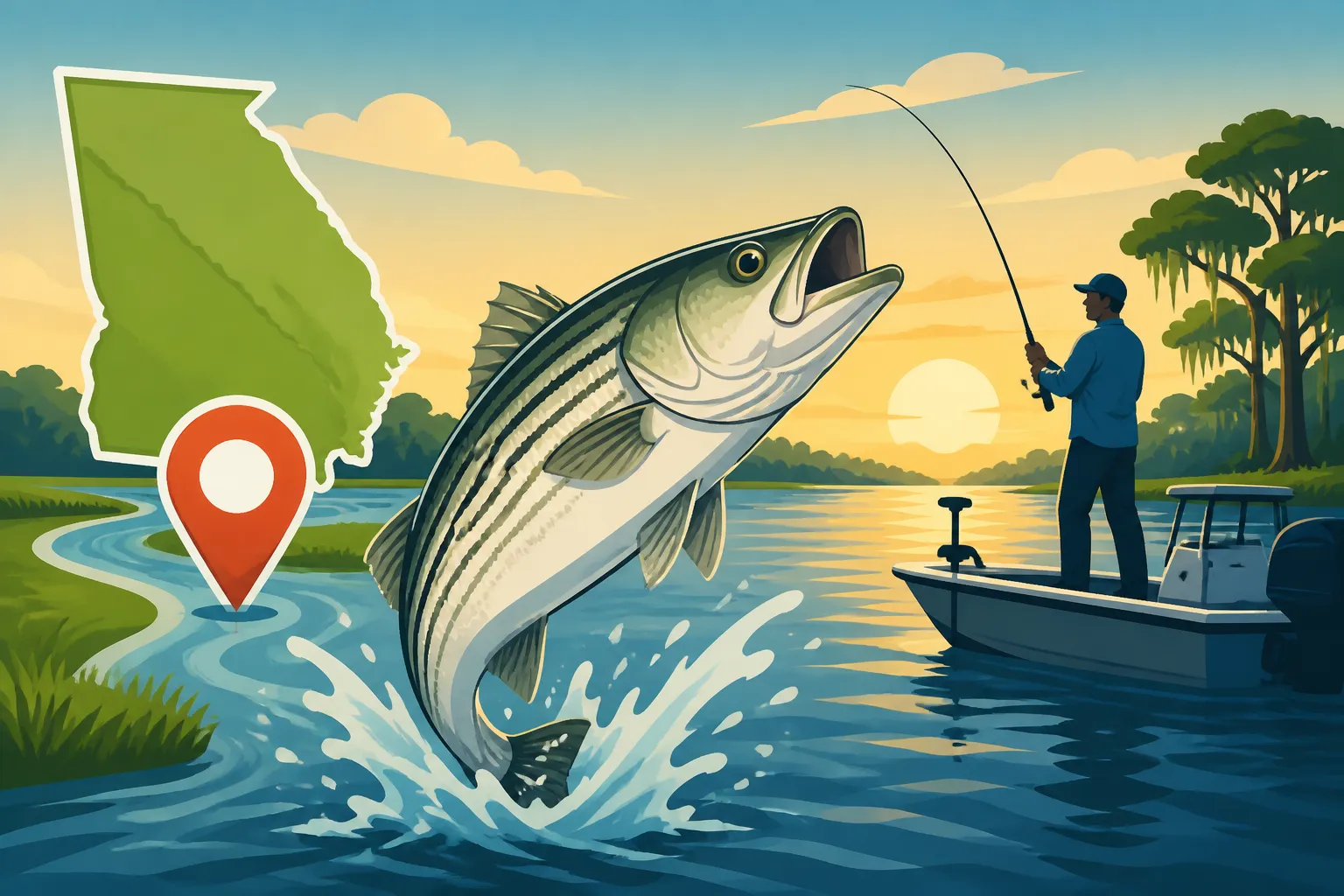
Savannah River Striped Bass Fishing Spots
The vastness and diversity of the Savannah River make finding striped bass a real challenge for many anglers, leading to frustrating days without a bite. It's easy to feel overwhelmed by the sheer size of the waterway, not knowing where to start or what techniques will actually work. This guide aims to cut through that complexity, providing you with detailed insights into the best spots along the river and the techniques to consistently hook into those powerful, hard-fighting stripers.
Understanding the Savannah River's Striper Appeal
The Savannah River, forming much of the border between Georgia and South Carolina, is an incredibly dynamic fishery, particularly when it comes to striped bass. This river isn't just a waterway; it's a complex ecosystem that caters perfectly to the life cycle and feeding habits of stripers, offering everything from cool, oxygen-rich tailwaters to expansive tidal estuaries. Understanding this diversity is the first step to consistently finding success.
The Savannah River's Unique Ecosystem for Stripers
From its headwaters, through major impoundments like Lake Hartwell and Clarks Hill Lake (also known as Lake Strom Thurmond), all the way down to the Atlantic Ocean, the Savannah River presents a varied habitat. For striped bass, this means access to different food sources, varying water temperatures, and diverse structures to hide and ambush prey. The river system supports both landlocked and anadromous (sea-run) populations of stripers, though the latter are less prevalent due to the dam systems blocking their full migration. However, what we mostly target here are the strong, river-dwelling populations that thrive in its diverse channels.
Think about it: the river offers everything from swift currents and rocky bottoms in its upper reaches to slower, deeper pools and extensive marsh systems closer to the coast. Each of these zones provides unique advantages for the stripers, influencing where they'll be at different times of the year. This ecological richness is precisely why the Savannah River is considered one of the Best Rivers for Fishing in Georgia.
Seasonal Migration and Behavior Patterns
Striped bass are highly migratory fish, and their movements within the Savannah River are heavily influenced by water temperature, oxygen levels, and spawning urges. During the cooler months of fall, winter, and early spring, stripers tend to congregate in the main river channels, often moving upriver in search of warmer water or into deeper holes. They'll follow baitfish like shad and herring, which are also seeking out favorable conditions. This is when you can find some of the most concentrated schools of fish.
As spring progresses, anadromous stripers (if any can make it past dams or are stocked below them) would typically attempt spawning runs. For the resident populations, the pre-spawn bite can be incredibly aggressive as they fuel up. In the heat of summer, stripers often seek refuge in cooler, deeper waters, especially in tailwater sections below dams where water is released from the bottom of reservoirs. They might also hold near areas with higher oxygen levels, like tributary mouths or active current breaks. Understanding these seasonal shifts is critical, as a spot that's red-hot in December might be a ghost town in July.
Prime Striped Bass Fishing Locations on the Savannah River
Knowing when to fish is one thing, but knowing where to cast your line is often the biggest hurdle. The Savannah River is long, but certain areas consistently produce striped bass due to specific environmental factors and accessibility. Let's break down the prime spots from upriver to the coast.
Upriver Strongholds and Dam Tailwaters
Perhaps the most consistent striped bass fishing on the Savannah River system occurs in the tailwaters below large impoundments, particularly below the Lake Thurmond Dam near Augusta. The water released from the bottom of these reservoirs is typically cooler and oxygen-rich, even during the hottest summer months, creating an ideal environment for stripers.
Anglers often find fantastic action in these turbulent waters, especially below the Augusta Lock and Dam. The strong currents here concentrate baitfish, and in turn, stripers lie in wait. Look for deeper scour holes, eddy lines, and current breaks created by structure like bridge pilings or rock outcrops. This area, extending downstream a good distance from the dam, can be incredibly productive for boat anglers. Shore anglers can also find access in certain areas, though it's more limited. This section is essentially a giant "treadmill" for stripers, constantly bringing food and optimal conditions. Remember, fishing directly below the dam might have special restrictions, so always check the Georgia Fishing Regulations Explained beforehand.
Mid-River Channels, Tributary Confluences, and Structure
As you move further downstream from Augusta, but before the river becomes heavily influenced by saltwater, you'll find a vast stretch of mid-river habitat. This area is characterized by deeper channels, numerous bends, and the mouths of smaller creeks and tributaries. These confluences are natural ambush points for stripers. For example, areas where smaller creeks flow into the main Savannah River, especially after a rain, can wash down forage and attract hungry stripers.
Look for submerged timber, rock piles, sudden depth changes, and steep channel drops. Using your electronics to locate these features is invaluable. Stripers will often hold on the edges of these structures, darting out to strike at passing bait. The main river channel near places like Savannah Bluffs or the areas around Clyo can be excellent, particularly during the cooler months when stripers are actively patrolling these deeper runs. A good fish finder can make all the difference in these broader sections of the river, helping you pinpoint those hidden ledges and humps where big stripers lurk.
Tidal Estuaries and Saltwater Influences
As the Savannah River nears the coast and flows past the city of Savannah, it transitions into a brackish, tidal estuary. This lower section, with its expansive marsh grass, oyster beds, and intricate creek systems, offers a different type of striped bass fishing, often for fish that are more migratory or influenced by the ocean. While the anadromous runs are not as strong as in some other river systems, you can still find stripers here, especially during the fall and spring when they push further upriver from the ocean.
Here, the tides play a crucial role. Stripers will move in and out of creeks and along marsh edges with the changing water levels, ambushing baitfish that are flushed out. Look for deeper channels adjacent to marsh islands, the mouths of major tidal creeks, and any man-made structures like docks, pilings, or even submerged wrecks. The Savannah River near Fort Pulaski and down towards Tybee Island can be particularly productive. Remember that in these tidal waters, you might also need to consider getting a Georgia Saltwater Fishing Permit Guide in addition to your freshwater license, depending on exactly where you are fishing. Many anglers new to the area find great success by booking a local guide through platforms like FishingBooker who specialize in these complex tidal systems.
Proven Techniques for Hooking Savannah River Stripers
Catching striped bass in the Savannah River isn't always about brute force; it's often about finesse, understanding their feeding habits, and presenting your bait or lure correctly. Whether you prefer live bait or artificials, having a few go-to techniques in your arsenal will significantly increase your success rate.
Mastering Live Bait Presentations
When it comes to consistently catching larger striped bass, especially in the challenging currents of the Savannah River, live bait is often king. Nothing beats a struggling baitfish to trigger a striper's predatory instincts. Common live baits include shad, herring, or even large shiners, depending on availability and what the stripers are keying in on. The key is keeping your bait alive and presenting it naturally.
One of the most effective methods is a simple Carolina rig or a three-way swivel rig. For a Carolina rig, you'll use an egg sinker (1-3 ounces, depending on current) above a swivel, with a 2-3 foot fluorocarbon leader (20-40 lb test) tied to a strong circle hook (3/0 to 7/0). This setup allows the bait to swim freely. For a three-way swivel rig, tie your main line to one eye, a dropper line with a heavy sinker to another, and a long leader with your live bait to the third. This rig is fantastic for holding your bait in strong currents. Position your boat upstream of likely holding areas and drift your baits naturally downstream, or anchor up and fan-cast. This approach is highly effective for How to Fish Live Bait for Striped Bass. If you're looking for guidance on finding a good local guide who can supply the freshest bait, websites like FishingBooker often list captains who specialize in live bait tactics.
Effective Artificial Lure and Trolling Tactics
While live bait excels, artificial lures can also be incredibly effective, especially when stripers are actively chasing bait on the surface or when you need to cover a lot of water. Heavy jigs (bucktails, paddle tail swimbaits) are fantastic for vertical jigging in deep holes or casting to current seams. Large topwater plugs can be explosive when stripers are busting bait on the surface, especially during low light conditions or cooler weather.
Trolling is another powerful technique, particularly in the mid and lower river sections. Using deep-diving crankbaits that imitate shad or herring, or umbrella rigs with multiple swimbaits, allows you to cover vast areas and present your lures at specific depths. Pay close attention to your electronics to identify bait schools and suspended stripers, then adjust your trolling depth accordingly. For targeting fish in deeper water, mastering Deep Water Techniques for Striped Bass can be a game-changer. For a comprehensive overview of how to maximize your chances, consult a guide on How to Troll for Striped Bass.
Here's a quick comparison of popular striper fishing methods:
| Technique | Best Conditions | Typical Bait/Lure | Pros | Cons |
|---|---|---|---|---|
| Live Bait | Strong currents, deep holes, warmer water | Shad, Herring, Shiners | Highly effective for large fish, natural action | Requires bait acquisition, slower coverage |
| Jigging | Vertical presentations, deep water, schooling fish | Bucktails, Paddle Tails (e.g., Z-Man, Keitech) | Active fishing, good for precise targeting | Can be physically demanding |
| Casting Lures | Active surface feeds, current breaks, structure | Topwater, Swimbaits, Spoons | Exciting visual strikes, covers water | Less effective when fish are sluggish |
| Trolling | Covering vast open water, searching for schools | Deep-diving crankbaits, umbrella rigs | Efficient search tool, targets specific depths | Requires boat, can be monotonous |
Essential Gear and Electronics
Having the right equipment is non-negotiable for tackling these powerful fish. You'll want a medium-heavy to heavy action rod (7-8 feet) paired with a robust spinning or baitcasting reel capable of holding 200+ yards of 20-40 lb monofilament or braided line. Braided line is often preferred for its sensitivity and strength, but a fluorocarbon leader is always a good idea for abrasion resistance and stealth. Ensure your hooks are sharp and strong, as stripers have tough mouths and fight hard.
On the boat, a reliable fish finder with side-imaging or down-imaging capabilities is nearly essential for locating submerged structure, baitfish schools, and the stripers themselves, especially in deeper, less obvious areas of the river. A good GPS unit will help you mark productive spots and navigate safely. If you're considering investing in a boat, researching Best Boats for Georgia's Lakes and Rivers can provide valuable insights.
Planning Your Savannah River Striper Adventure
Embarking on a striper trip on the Savannah River requires more than just knowing where the fish are; it involves practical planning for access, safety, and adherence to regulations.
Access Points and Boat Ramps
The Savannah River offers numerous public boat ramps and access points along its entire length. In the upriver section around Augusta, you'll find ramps at locations like the Augusta Lock and Dam area or nearby parks. Further downstream, access points become more spread out but are available in areas like Port Wentworth and closer to the coast.
It's always a good idea to scout ramps beforehand, especially if you're bringing a larger boat, to check for conditions, parking, and potential crowds. Weekends can be particularly busy. For those without a boat, shore fishing opportunities exist in some parks and public access areas, especially in the tailwater sections, but they are generally more limited than boat access. For a successful trip, remember to check Georgia Boat Registration Requirements Explained if you're bringing your own vessel.
Navigating Regulations and Safety
Before you even launch your boat or cast a line, ensure you have the proper fishing license. A standard Georgia Fishing License Guide is usually sufficient for freshwater sections, but as you approach the coastal areas, a saltwater fishing permit might become necessary. Always double-check the current regulations, including size and creel limits for striped bass, as these can change. The Savannah River is part of a bi-state agreement in some areas, so rules might vary slightly, but generally, Georgia's regulations apply on the Georgia side.
Safety on a large river like the Savannah cannot be overstated. Always wear your life jacket, especially when moving or in rough water. Inform someone of your float plan, including where you're going and when you expect to return. Be mindful of commercial traffic, especially in the lower river closer to the port of Savannah. The currents can be strong, and weather can change rapidly, so be prepared for anything. This detailed Striped Bass Fishing Guide for Georgia Rivers provides even more in-depth information about this exciting fishery.
Disclaimer
Fishing conditions and regulations can change frequently. Always consult the latest Georgia Department of Natural Resources (DNR) guidelines and local advisories before planning your fishing trip. This guide is for informational purposes only and does not guarantee fishing success.