Best Shoal Bass Spots on the Flint River
The Flint River offers an unparalleled challenge and reward for anglers seeking one of Georgia's most unique native fish: the shoal bass. This isn't your everyday largemouth hunt; these feisty river dwellers demand specific knowledge of their preferred haunts. If you've ever felt frustrated trying to pinpoint the best current seams and rocky structures where these hard-fighting fish ambush their prey, this guide is for you. We're going to dive deep into the specific stretches of the Flint that consistently produce excellent shoal bass action, ensuring your next trip is a success.
Why the Flint River is a Shoal Bass Paradise
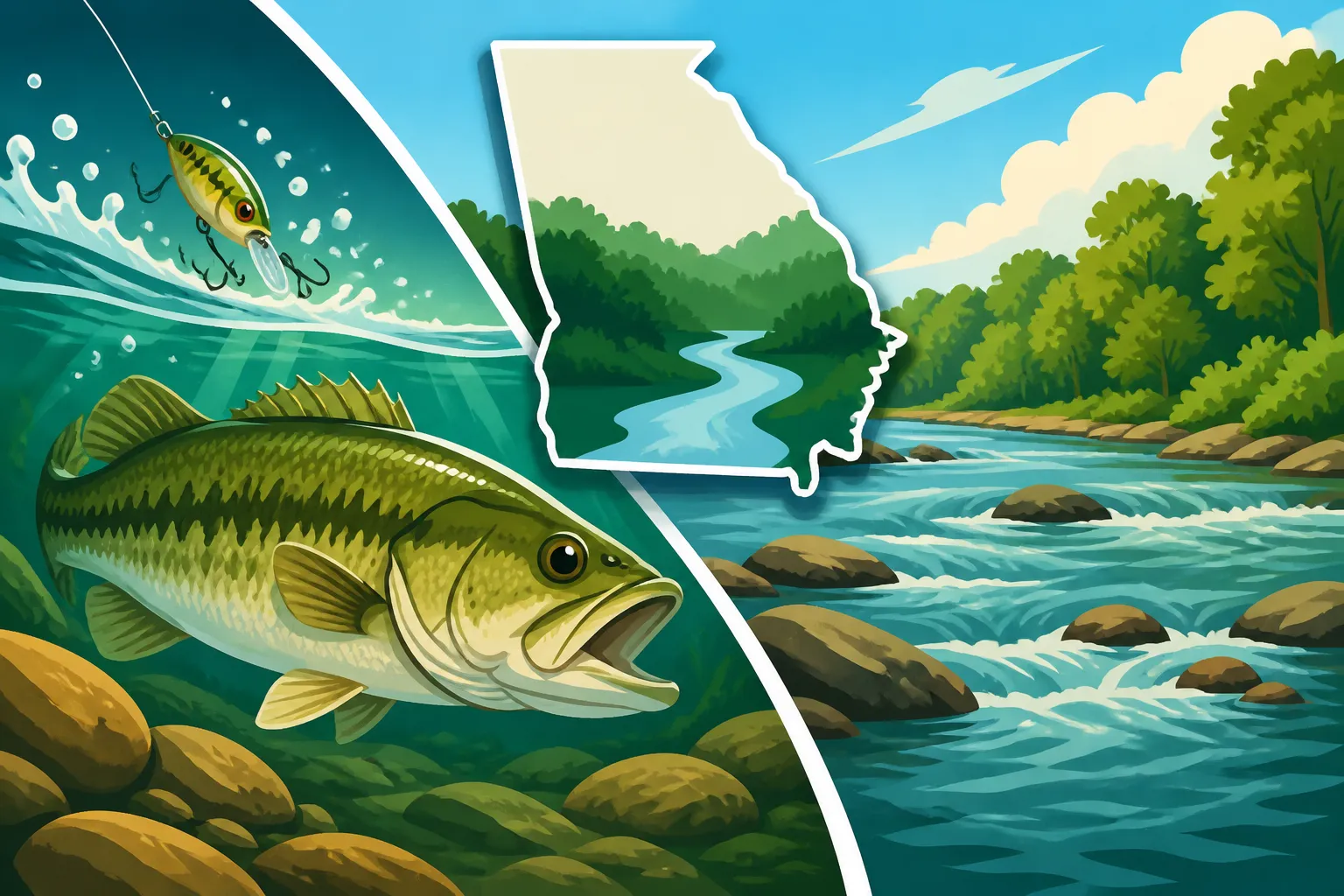
The Flint River isn't just a place to catch shoal bass; it's the place. This incredible river system, flowing over 340 miles from the Piedmont to the Coastal Plain, is one of the few places in the world where you can consistently target this unique species. Unlike their largemouth cousins, shoal bass thrive in moving water, preferring the rocky shoals and swift currents that give the river its name.
Understanding the Shoal Bass Habitat
Imagine a river that feels alive, constantly carving new paths and exposing ancient rock formations. That's the Flint. Shoal bass don't hang out in stagnant backwaters or muddy creek mouths. Instead, they are drawn to areas with distinct current breaks, submerged boulders, and rocky ledges. Think of it like this: if you see a section of the river that looks turbulent, with water crashing over rocks and creating eddies, you're likely in prime shoal bass territory. These areas provide both cover from predators and ambush points for prey like crawfish and smaller baitfish. The clearer water of the upper and middle Flint, with its granite bedrock, provides the perfect conditions for these fish to thrive. If you're looking to understand more about these unique fish, check out our guide on Shoal Bass: Georgia's Flint River Specialist.
The Flint River's Unique Characteristics for Shoal Bass
What makes the Flint so special for shoal bass? It’s a combination of geology, water flow, and ecological health. The river's natural, unaltered flow through much of its middle section, particularly above Lake Blackshear, means that the ancient shoals and rocky riverbeds remain intact. These aren't just random rocks; they're complex underwater landscapes, rich in oxygen, and teeming with insect life and forage. The river also maintains a healthy population of crayfish, a primary food source for shoal bass, which is crucial to their size and abundance. This combination creates a perfect ecosystem where shoal bass can grow to impressive sizes and offer anglers a truly exhilarating fight.
Top Sections of the Flint River for Shoal Bass Action
Alright, let's get down to brass tacks. While the entire Flint River has potential, certain stretches are legendary for their consistent shoal bass production. These are the areas where the river's unique characteristics really shine, offering challenging but incredibly rewarding fishing.
Sprewell Bluff to Big Lazer Creek
This stretch, located in Upson County, is often considered the heart of the trophy shoal bass fishery. It’s characterized by dramatic rocky shoals, significant current, and deep pools carved by the flowing water. The Sprewell Bluff Park area itself is a fantastic starting point. Anglers often launch kayaks or small john boats here, but many prefer to wade or fish from the bank in specific spots. The river here is wild and scenic, offering not just great fishing but a beautiful outdoor experience.
The key to this section lies in identifying those strong current breaks. Look for large boulders that create eddies downstream, or seams where fast water meets slower water. These are classic ambush points. Tributaries like Big Lazer Creek also bring in nutrients and cooler water, often creating hotspots where shoal bass congregate, especially during warmer months. Remember that this area can be rugged, so prepare for some challenging wading and maneuvering. Understanding the Flint River Shoal Bass Size Limit Exception for certain areas here is also crucial.
Around Warwick Dam and Beyond
Moving further downstream into Worth and Crisp counties, the area around Warwick Dam (officially the Crisp County Power Dam, forming Lake Blackshear) also holds excellent shoal bass, particularly in the riverine section immediately below the dam. While the dam itself marks the transition into the reservoir, the fast-moving water directly below the spillway can be incredibly productive. This area often has strong currents and is accessible for bank fishing or by launching a boat nearby.
However, don't stop there. As the river flows further downstream from Warwick towards Albany, the character changes slightly, becoming a bit wider and deeper in some areas, but still retaining crucial shoal features. The key here is to target isolated shoals and gravel bars that interrupt the flow. These spots may not be as dramatic as Sprewell Bluff, but they can hold surprisingly large fish. This section of the river also presents opportunities for anglers to use different techniques, transitioning from purely wading-oriented tactics to more boat-based approaches as the river widens.
The Albany Stretch
Even further south, in the vicinity of Albany, the Flint River continues to offer fantastic shoal bass fishing. While the river here is generally wider and less characterized by exposed shoals, don't let that fool you. The shoal bass are still present, adapting to the slightly different environment. Here, you'll find them holding around submerged log jams, rock piles, and deeper scour holes. The river banks around Albany are often lined with cypress and tupelo trees, providing excellent cover and structure.
Public access points in and around Albany, such as those within Radium Springs or the various boat ramps, make this stretch very angler-friendly. While you might not be sight-fishing for fish on visible shoals as much, using your electronics to locate submerged structure and current breaks becomes paramount. This area is often overlooked by anglers focused on the upper Flint, making it a great option for those seeking less crowded waters. If you're looking for a comprehensive overview of the river, check out our full Flint River Fishing Guide, Georgia.
Getting on the Water: Access Points and Essential Gear
Getting to these prime shoal bass spots requires a bit of planning, but the reward is always worth the effort. Knowing where to launch your boat or find reliable bank access is half the battle.
Public Access and Boat Ramps
The Flint River offers a variety of access points, from developed boat ramps to more rustic put-in spots suitable for kayaks and canoes. Here’s a breakdown of some key access points in the renowned shoal bass sections:
| River Section | Primary Access Points / Locations | Best for | Notes |
|---|---|---|---|
| Sprewell Bluff State Park | Sprewell Bluff Park (boat ramp, bank access, wading) | Kayaks, Canoes, Wading, Small Jon Boats | Parking, restrooms available. Can get busy. River is swift here. |
| Big Lazer Creek | Big Lazer Creek WMA (canoe/kayak launch, wading) | Kayaks, Canoes, Wading | More primitive access. Be prepared for unpaved roads. |
| Lower Sprewell Bluff (Rochelle) | Rochelle Bridge Public Access (informal) | Kayaks, Canoes, Wading | Limited parking, no developed facilities. Local knowledge helpful. |
| Warwick/Lake Blackshear | Crisp County Power Dam Public Access (below dam), various Lake Blackshear ramps | Larger Boats (below dam), Kayaks, Bank Fishing | Dam area can have strong currents. Watch for fluctuating water levels. |
| Albany Area | RiverFront Park Boat Ramp, Radium Springs Garden (bank access) | Larger Boats, Kayaks, Bank Fishing | More developed facilities. Excellent urban fishing opportunities. |
For more detailed information on getting to these spots, a great resource is our guide on Best Fishing Access Points on the Flint River. If you're looking for local guidance or don't have your own boat, considering a guided trip through platforms like FishingBooker can be an excellent way to explore these hard-to-reach areas safely and effectively, especially on your first visit.
Recommended Gear for Flint River Shoal Bass
Shoal bass are tough fighters, and the river itself can be demanding on your gear. You'll want tackle that can stand up to powerful runs and the occasional snag on rocky bottoms.
- Rods & Reels: A medium-heavy to heavy action spinning or baitcasting rod, typically 6'6" to 7'6" in length, is ideal. Pair it with a sturdy reel spooled with 12-20 lb fluorocarbon or braided line. The heavier line helps with abrasion resistance against rocks.
- Wading Gear: If you plan on wading, durable wading boots with good grip are non-negotiable. Felt soles or studded rubber soles are highly recommended for navigating slippery rocks. Wading pants or shorts are often preferred over chest waders in warmer months, but be mindful of water depth and currents.
- Kayaks/Canoes: For exploring stretches away from bank access, a stable fishing kayak or canoe is perfect. Make sure you have a PFD (personal flotation device), a paddle leash, and a dry bag for essentials.
- Safety: Always wear your PFD, even if you're just wading. The currents can be deceptively strong. A first-aid kit, whistle, and communication device (in a waterproof case) are also crucial. You can find more comprehensive gear lists in our Kayak Fishing Gear Guide for Beginners.
Mastering the Hunt: Techniques for Flint River Shoal Bass
Shoal bass might be aggressive, but they're also smart. They know their river home intimately, and you'll need to adapt your techniques to match their behavior and the specific conditions of the Flint.
Optimal Lures and Baits
Shoal bass are ambush predators, and their diet primarily consists of crayfish, various minnows, and aquatic insects. Your lure selection should reflect these natural food sources.
- Crankbaits: Medium-diving crankbaits in crawfish patterns (red, brown, green pumpkin) or natural baitfish colors (silver, shad) are incredibly effective. Look for ones with a tight wobble that can deflect off rocks without getting hung up too easily. Brands like Strike King and Rapala offer excellent options.
- Jigs: Flipping and pitching jigs with soft plastic trailers (especially crawfish imitations) into current seams and around submerged rocks is a go-to technique. Vary your jig head weight to match the current speed – heavier jigs for faster water, lighter for slower sections.
- Soft Plastics: Texas-rigged worms, creature baits, or even tube baits can be very productive. Choose natural colors like green pumpkin, watermelon, or black and blue. The key is to present them naturally, allowing the current to impart action.
- Spinnerbaits: Chartreuse and white or silver spinnerbaits with willow leaf or Colorado blades can be deadly, especially when fished parallel to current breaks or through slightly stained water.
- Topwater Lures: During low light conditions (dawn, dusk) or on overcast days, topwater poppers, walk-the-dog baits, or even buzzbaits can trigger explosive strikes.
- Live Bait: For a more relaxed approach, live crawfish or shiners can be irresistible to shoal bass. Rig them on a simple Carolina rig or under a slip bobber.
Understanding what bait to choose can make a huge difference. For a deeper dive into bait selection, refer to our Best Bait and Lures for Shoal Bass Fishing article.
Seasonal Considerations and Best Times
Like all fish, shoal bass behavior changes with the seasons.
- Spring (March-May): This is prime time! As water temperatures rise into the 50s and 60s, shoal bass become very active. They'll be moving into shallower areas to spawn. Look for them around rocky flats and in the slightly slower water adjacent to fast currents. Crankbaits, jigs, and spinnerbaits are highly effective.
- Summer (June-August): The heat pushes shoal bass into deeper, more oxygenated water. Focus on the main current, deeper pools, and the shade created by overhead cover or steep banks. Early mornings and late evenings are best. Topwater action can be fantastic at dawn and dusk.
- Fall (September-November): As water temperatures cool, shoal bass feed aggressively to prepare for winter. They can be found in similar areas as spring, often schooling up. This is another excellent time for crankbaits, jigs, and even larger soft plastics.
- Winter (December-February): Fishing slows down considerably. Shoal bass will retreat to the deepest pools and slowest currents, often congregating in large schools. They'll be lethargic, so slow presentations with jigs or small soft plastics are your best bet.
The best time of day will often be during low light conditions or when the sun is off the water, especially in warmer months. However, on overcast days, they can be active throughout. Knowing How Water Temperature Affects Fish Behavior is key to consistent success.
Disclaimer
Always remember to check the latest Georgia Department of Natural Resources (DNR) fishing regulations before heading out. Rules and limits can change, and it's your responsibility to be informed.