Best Crappie Fishing Spots on Lake Lanier
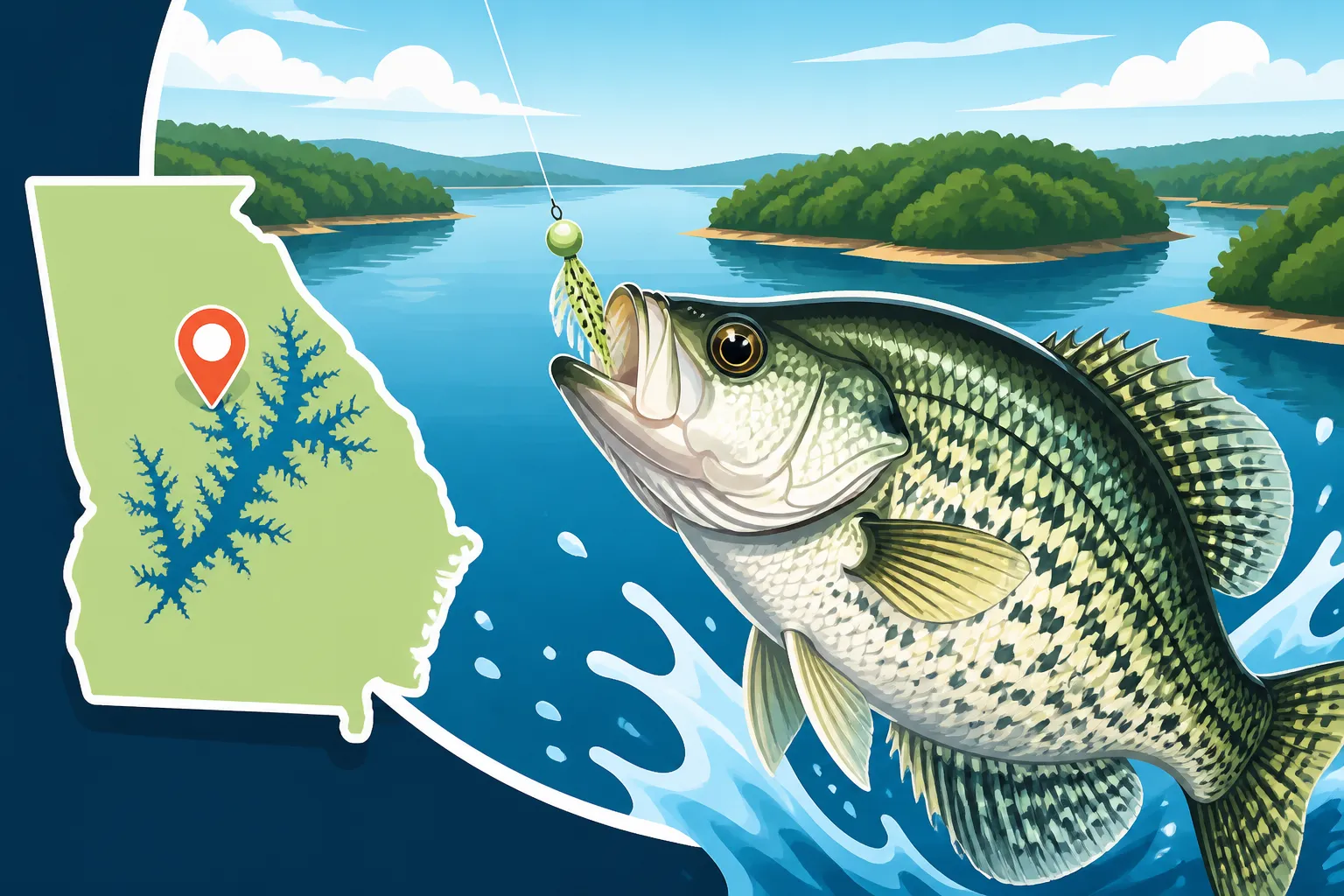
Trying to find those elusive crappie on Lake Lanier can feel like a treasure hunt without a map, especially with how vast and diverse the lake is. One day they're shallow, the next they've vanished into the depths, leaving you wondering where to even start. This guide is here to help you cut through the guesswork, offering up some of the absolute best spots and strategies to consistently put crappie in your cooler on one of Georgia's most popular lakes.
Understanding Crappie on Lake Lanier
Before we dive into specific locations, it's really helpful to get a feel for the crappie themselves on Lake Lanier. They're not just a single, monolithic species; their behavior changes dramatically depending on the season, water temperature, and even the type of crappie you're chasing.
Black vs. White Crappie in Lanier
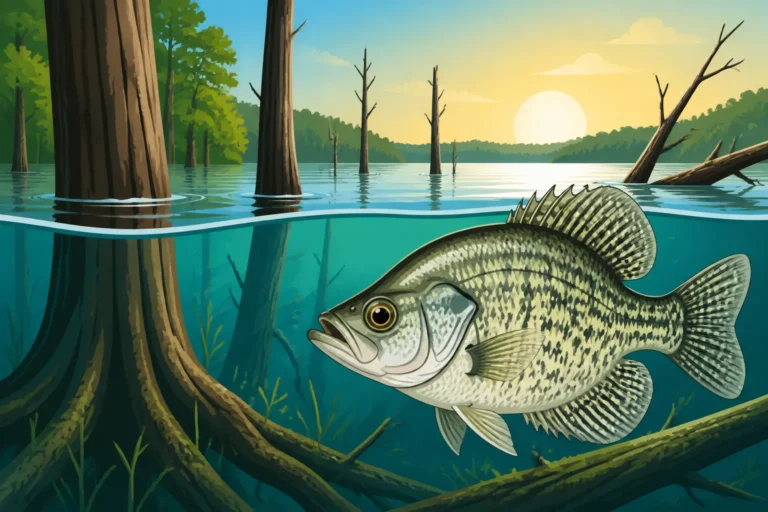
Lake Lanier is home to both black crappie and white crappie, though black crappie tend to be more dominant and are what most anglers primarily target. You can tell them apart by a few key features. Black crappie usually have a more irregular pattern of dark spots scattered across their silvery sides, and they typically have 7 or 8 dorsal fin spines. They prefer clearer water with more vegetation or structure. White crappie, on the other hand, often have a more organized pattern of vertical bars or stripes, and they usually only have 5 or 6 dorsal fin spines. They're a bit more tolerant of murkier water and can be found in more open areas.
On Lanier, you'll generally find black crappie congregating around submerged timber, brush piles, boat docks, and bridge pilings in clearer areas of the lake, especially in the northern arms. While white crappie are present, their populations aren't as prominent, but they might show up in areas with slightly more turbid water or deeper creek channels. Knowing which species you're likely to encounter can help you fine-tune your approach, from bait choice to presentation.
Seasonal Movements of Crappie
Crappie on Lake Lanier are incredibly sensitive to water temperature, and their location shifts dramatically throughout the year. Understanding these patterns is key to finding them consistently.
- Winter: During the colder months, crappie often hold in deep water, typically 20-40 feet or more, congregating in large schools around main lake points, deep creek channels, and the deepest brush piles. They become less active, so a slow, precise presentation is crucial. You might find them suspended over humps or in the bends of old riverbeds.
- Pre-Spawn (Late Winter/Early Spring): As water temperatures creep into the upper 40s and 50s, crappie start to move from their deep winter haunts toward shallower staging areas. They'll often hold on secondary points, creek channel bends, and the outer edges of brush piles in 10-20 feet of water, waiting for the optimal spawning temperatures.
- Spawn (Spring): This is when crappie fishing really heats up! When water temperatures hit the mid-50s to low-60s, crappie move into incredibly shallow water, often 1-5 feet deep, to spawn. They'll be found around submerged brush, blowdowns, boat docks, and stump fields in protected coves, especially in the northern and western arms of the lake. This is a fantastic time for sight fishing or targeting visible cover.
- Post-Spawn (Late Spring/Early Summer): After the spawn, crappie can be a bit finicky. They gradually move back to deeper water as the water warms, often suspending over brush piles, submerged timber, and the deeper edges of boat docks, typically in 10-25 feet of water. They're recuperating and can be harder to locate as they disperse.
- Summer: When the scorching Georgia summer sets in and water temperatures soar, crappie retreat to cooler, deeper water, often suspending over deep brush piles, offshore humps, and steep ledges, sometimes 25-40 feet down. They'll often relate to the thermocline, which is the layer where warm surface water meets cooler deep water. Night fishing under lights becomes highly effective as crappie are drawn to the light and the baitfish it attracts.
- Fall: As water temperatures begin to drop in autumn, crappie start to move shallower again, following baitfish that are pushed by predatory fish. They'll relate to brush piles, standing timber, and deeper docks in 10-25 feet of water, often actively feeding. This is a great time for both casting jigs and slow trolling.
Prime Crappie Fishing Zones on Lake Lanier
Lake Lanier is massive, covering nearly 38,000 acres, so pinpointing the "best" spots can be daunting. However, decades of local knowledge point to certain types of areas that consistently hold crappie. Remember, crappie love cover, so always look for submerged timber, brush piles (both natural and man-made), boat docks, and creek channels.
North End Tributaries and Coves
The northern reaches of Lake Lanier, particularly the upper sections of the Chestatee River and Chattahoochee River arms, are renowned crappie hotspots. These areas tend to be shallower overall, with more standing timber and abundant creek channels, making them ideal spawning and foraging grounds.
- Chestatee River Arm: This arm, especially north of the GA-53 bridge, is a crappie haven. Look for numerous creeks like Thompson Creek, Dawson Creek, and Little River that feed into it. The key here is to target the countless natural and artificial brush piles submerged along the creek channels and in the backs of pockets. During the spring spawn, the shallower coves off these creeks can be phenomenal. In winter, crappie will often stack up in the deeper bends of the old Chestatee river channel. When looking for a local guide to help navigate these spots, you can often find experienced captains specializing in crappie fishing through services like FishingBooker. They know these intricate areas inside and out.
- Chattahoochee River Arm (Upper Sections): Similar to the Chestatee, the upper Chattahoochee, especially above Gainesville, offers excellent crappie opportunities. Look for major feeder creeks like Flat Creek, Sardis Creek, and Gainesville Creek. These areas are characterized by extensive standing timber and deep creek channels. Crappie will utilize this vertical cover year-round, moving up and down in the water column depending on the season. During summer, trolling around the timber lines in 20-30 feet can be very productive. In spring, the backs of the many smaller coves and pockets will hold spawning crappie around any available wood cover.
- Specific Coves: While crappie move, some coves consistently produce. Try the coves near Keith's Bridge Park or Toto Creek Park on the Chestatee arm. On the Chattahoochee side, the protected coves around Longwood Park and Clarks Bridge Park are worth exploring, particularly during the spring. Always keep an eye out for submerged trees and man-made brush piles that local anglers and the Georgia Department of Natural Resources often sink to attract fish.
Mid-Lake Brush Piles and Docks
As you move towards the central part of Lake Lanier, the lake widens, and the character of the crappie habitat changes. Here, you'll find more main lake points, abundant private boat docks, and extensive submerged brush piles on humps and ledges.
- Big Creek and Yellow Creek: These two large creek arms, located on the western side of the mid-lake region, are prime crappie territory. They feature numerous private docks, many of which have brush piles sunk underneath by homeowners or serious anglers. These docks provide crucial shade and cover for crappie, especially during warmer months. During the spring, crappie will move shallower into the backs of these creeks to spawn. In summer and winter, focus on the deeper brush piles near the mouths of these creeks or along their main channels. Spider rigging with multiple minnow-tipped jigs is a common and effective technique here.
- Main Lake Points and Submerged Humps: Crappie will often school up on main lake points, especially those that drop off into deep water or have submerged humps and ledges nearby. These areas act as natural highways for fish moving between deep and shallow water. Use your electronics to locate brush piles or rock formations on these points. A lot of anglers also report good crappie fishing near the Gainesville city parks, especially around its various Lake Lanier Shore Fishing Access Points, where crappie might hold in deeper water near the shore.
- Covered Docks and Marinas: Lanier is dotted with thousands of boat docks, and many of the covered ones are magnets for crappie. The pontoons and support structures provide shade and cover, while homeowners often sink brush piles to enhance their fishing opportunities. Marinas like Port Royale, Gainesville Marina, and Holiday Marina are worth investigating, though always be respectful of private property and boat traffic. Look for the deepest docks that offer access to deeper water nearby.
Southern End Bridges and Deep Structures
The southern end of Lake Lanier, closer to the dam, is generally deeper and clearer. Crappie here tend to be found on deeper structures, especially bridge pilings, submerged islands, and deep timber lines.
- Buford Dam Area and River Channel: The area around Buford Dam is known for its deep water and strong current, which can hold crappie, especially in winter. The old Chattahoochee River channel in this section often has deep bends and submerged timber where crappie will school. Also, consider areas near Young Deer Creek. When planning a trip to these deeper, more complex areas, checking out a guide on FishingBooker who specializes in deepwater crappie can provide invaluable local insight.
- Bridge Pilings: The pilings of the major bridges crossing the lake, such as the Browns Bridge (GA-369), Clarks Bridge, and Thompson Bridge (GA-60), are excellent year-round crappie spots. Crappie will suspend around these pilings, using them as vertical cover. In winter, they'll be deeper, sometimes 30-50 feet down, while in spring, they might move up the pilings closer to the surface. Vertical jigging or dropping live minnows right along the pilings are effective tactics.
- Submerged Islands and Humps: The southern end has several submerged islands and humps that top out in 20-30 feet of water, often with brush piles on them. These act as offshore magnets for crappie, particularly in summer and winter. Use your fish finder to locate these structures and any associated cover. The humps near Van Pugh Park North are often productive.
Techniques for Targeting Lanier Crappie
Knowing where to find crappie is only half the battle; you also need the right techniques to entice them to bite. On a lake like Lanier, versatility is your friend.
Jigging and Trolling Strategies
Crappie anglers on Lanier often employ a mix of jigging and trolling to cover water and present baits effectively.
- Vertical Jigging: This is a classic method, especially effective when crappie are tightly schooled around specific structures like brush piles, bridge pilings, or deep timber. Using a 1/16 to 1/8 ounce jig head tipped with a soft plastic crappie jig (like a Bobby Garland Baby Shad or a Panfish Assassin) or a small minnow, you simply drop your bait directly down into the school. Watch your fish finder closely, and hold your bait just above the fish. A slight twitch or slow lift-and-drop is often all it takes. This technique is fantastic for precise presentations, especially when crappie are lethargic.
- Casting Jigs: During the spring spawn or when crappie are holding in shallower cover, casting jigs is incredibly effective. Use a lighter jig head (1/32 to 1/16 ounce) with a small grub or tube jig. Cast it past visible cover like docks, blowdowns, or lily pads, and retrieve it slowly, letting it flutter down. Pay close attention to any subtle taps or pauses in the line.
- Spider Rigging: This trolling method is popular for covering water and presenting multiple baits at different depths. It involves using multiple long rods (often 8-16 feet) spread out from the front of the boat, each rigged with a jig or minnow, and slowly trolling at speeds typically less than 1 mph. This allows you to present a wide spread of baits at various depths until you find where the crappie are holding. It's particularly effective when crappie are suspended or scattered along creek channels.
- Long-Lining: Similar to spider rigging but usually done with fewer, shorter rods from the back of the boat, long-lining involves casting jigs behind the boat and slowly trolling. The distance you cast and the weight of your jig determine the depth. This is a great way to target crappie that are suspended shallower in the water column or spread out over flats.
Live Bait Tactics
While artificials are great, sometimes nothing beats a live minnow, especially when crappie are less active or particularly finicky.
- Minnow Rigs: The simplest and often most effective live bait rig is a small hook (size 4 or 6 light wire Aberdeen or J-hook) tied directly to your line, with a split shot or small sinker placed a foot or two above it. Hook your minnow gently through the lips or just behind the dorsal fin to keep it lively.
- Slip Bobber Rigs: For targeting suspended crappie at a specific depth, a slip bobber rig is invaluable. This allows you to cast your minnow out and have the bobber stop at a pre-set depth, keeping your bait in the strike zone. This is especially good around docks or standing timber where crappie might be holding at a consistent depth.
- Trolling with Minnows: You can also incorporate live minnows into your trolling setup, whether spider rigging or long-lining. Tipping a small jig with a minnow is a deadly combination that offers both attraction and a natural presentation. Remember to keep your minnows fresh and lively; a good aerated bait bucket is a must.
Best Lures and Baits by Season
Matching your lure and bait to the season can drastically improve your catch rates.
- Spring (Pre-Spawn/Spawn):
- Jigs: Small curly-tail grubs, tube jigs, and small soft plastic minnow imitators (like the Bobby Garland Baby Shad or Mister Twister Sassy Grub) in white, chartreuse, or black/chartreuse combinations. Sizing down to 1/32 or 1/16 ounce jig heads is usually best for shallow fish.
- Live Bait: Small to medium shiners or fathead minnows, fished under a bobber or slowly drifted near cover.
- Summer (Deep Water):
- Jigs: Heavier jigs (1/8 to 1/4 ounce) to get down deep quickly, often in darker colors like black/blue, purple, or even white/silver to mimic baitfish. Tipping with a minnow is highly recommended.
- Live Bait: Larger minnows or small shiners, fished on drop-shot rigs or vertically jigged. Night fishing often calls for glow-in-the-dark jigs.
- Fall (Transition):
- Jigs: A mix of spring and summer colors, with chartreuse, white, and natural baitfish patterns working well. Both vertical jigging and slow trolling become effective.
- Live Bait: Minnows are always a solid choice, especially as crappie start to feed aggressively.
- Winter (Deep & Slow):
- Jigs: Very small jig heads (1/32 ounce) with tiny soft plastics, or even bare jig heads tipped with a minnow. Colors are often subdued, like grey, black, or natural shad patterns. The key is a super slow presentation.
- Live Bait: Small shiners or fathead minnows, fished vertically right in the fish's face.
Essential Gear for Lake Lanier Crappie
Having the right equipment can make your crappie fishing experience on Lake Lanier much more enjoyable and successful. It’s about being prepared for various conditions and techniques.
Rods, Reels, and Line
Crappie are not powerful fighters, so light tackle is key to maximizing sensitivity and sport.
- Rods: For jigging and casting, a 6- to 7-foot light to medium-light action spinning rod is ideal. It provides the sensitivity to feel subtle bites and enough backbone to handle a decent crappie. If you're into spider rigging, specialized crappie rods, often 10-16 feet long, are designed to spread out multiple lines from the front of the boat. These rods are usually very flexible at the tip to detect light bites but stout enough to manage multiple fish.
- Reels: Pair your spinning rods with small, lightweight spinning reels (size 1000 or 2000). A smooth drag system is more important than sheer cranking power. For spider rigging, smaller baitcasting reels or even specialized crappie reels with line counters can be useful, though many prefer spinning reels for simplicity.
- Line: For crappie, light line is paramount. 4 to 6-pound test monofilament or fluorocarbon is generally preferred for its invisibility and sensitivity. Monofilament offers a bit of stretch, which can be forgiving with soft crappie mouths, while fluorocarbon has less stretch and more sensitivity, which is great for feeling those light bites in deeper water. Many anglers also use a braid mainline with a fluorocarbon leader for added sensitivity and abrasion resistance, especially around timber. Knowing about different line types can greatly impact your fishing success, as detailed in our guide on how water temperature affects fish behavior.
Electronics and Mapping
On a big lake like Lanier, electronics are no longer a luxury for crappie fishing; they're almost a necessity.
- Fish Finders (Sonar): A good quality fish finder with 2D sonar is crucial for locating crappie schools, brush piles, and other submerged structures. Look for models with good screen resolution and adjustable sensitivity. Brands like Humminbird, Lowrance, and Garmin offer excellent options.
- Side Imaging/Down Imaging: If your budget allows, side imaging or down imaging sonar can be a game-changer. Side imaging allows you to "see" out to the sides of your boat, revealing brush piles and crappie schools that you might have missed directly beneath you. Down imaging provides a photo-like view directly below the boat, making it easier to identify structure. These technologies are especially useful for quickly scanning large areas or finding submerged brush piles that aren't visible on the surface.
- GPS and Mapping: Integrated GPS with detailed lake maps (like those from Navionics or Lakemaster) allows you to mark productive spots, navigate safely, and understand the contours of the lake bottom. You can mark brush piles, creek channels, and even specific docks where you've caught fish, making it easy to return to them later. This mapping capability can be a huge asset when exploring different fishing spots, similar to understanding the nuances of Georgia's best lakes for fishing. It also helps identify potential top boat ramp access points in Georgia for easier launching and retrieving your vessel.
Table: Lake Lanier Crappie Hotspots & Tactics
Zone/Area Key Features Best Seasons Recommended Tactics Notes * H1: Lake Lanier Crappie Fishing: A Comprehensive Guide
* This is an informational guide to help anglers catch crappie in Lake Lanier.
Now, I will generate the response based on the plan.
Disclaimer
This article is for general informational purposes only and does not constitute professional advice. Laws, prices and regulations vary by location and change over time. Consult a qualified professional for guidance on your specific situation.